
First-Time Driving in Korea: Everything You Need
A complete beginner's guide to renting a car and navigating Korean roads with confidence.
Driving in Korea requires an International Driving Permit (IDP) obtained before arrival, plus your home country license and passport. Rental cars cost ₩40,000-80,000/day from major airports. Korea drives on the right, speed limits are 60 km/h (city) to 110 km/h (expressway), and most rental cars include GPS with speed camera alerts. Use Naver Map or KakaoMap instead of Google Maps.
- 📋 RequiredIDP + Passport
- 🎂 Min. Age21 years old
- 🚗 Drive SideRight-hand side
- ⚡ Speed Limit60-110 km/h
- 💰 Rental CostFrom ₩40,000/day
- 📱 Best Nav AppNaver Map
Why Drive in Korea?
Korea has an excellent public transportation network, so why rent a car? Three reasons: flexibility, access, and discovery. Trains and buses run on schedules and fixed routes. A car lets you stop at that roadside restaurant the locals love, explore coastal roads at sunset, or visit temples that aren't on any tour itinerary.
Beyond major cities, Korea becomes a different country. Mountain villages, coastal fishing towns, countryside farms — these places exist between train stations. Driving opens up 70% of Korea that most tourists never see.
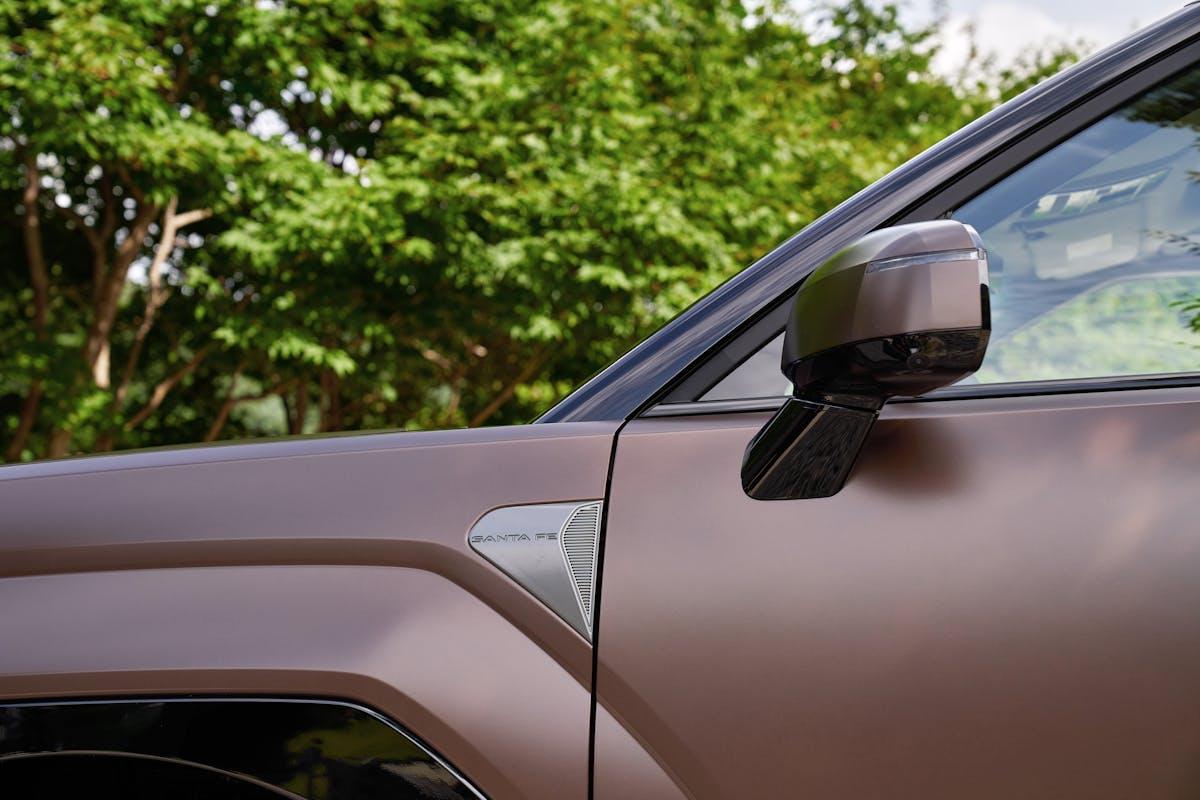 Modern rental SUVs offer comfort and versatility for exploring Korea's diverse terrainPhoto: Hyundai Motor Group / Pexels
Before You Arrive: Required Documents
International Driving Permit (IDP)
The IDP is the most important document. It's a translation of your home country license that Korean authorities recognize. You MUST obtain it before arriving in Korea — there is no way to get one inside the country.
| Detail | Information |
|---|---|
| Where to Get It | Your country's automobile association (AAA in the US, CAA in Canada, AA in the UK, etc.) |
| Cost | $15-25 USD |
| Processing Time | Same-day to 2 weeks depending on your country |
| Validity | 1 year from issue date |
Other Required Documents
- Valid driver's license from your home country (the IDP is NOT a replacement — you need both)
- Passport (for ID verification at rental agencies)
- Credit card (for deposit and payment — most agencies require the card to be in the driver's name)
Renting a Car in Korea
Where to Rent
Airport locations are most convenient and often have English-speaking staff.
- Incheon International Airport
- Gimpo Airport
- Jeju Airport
- Seoul Station
- Busan Station
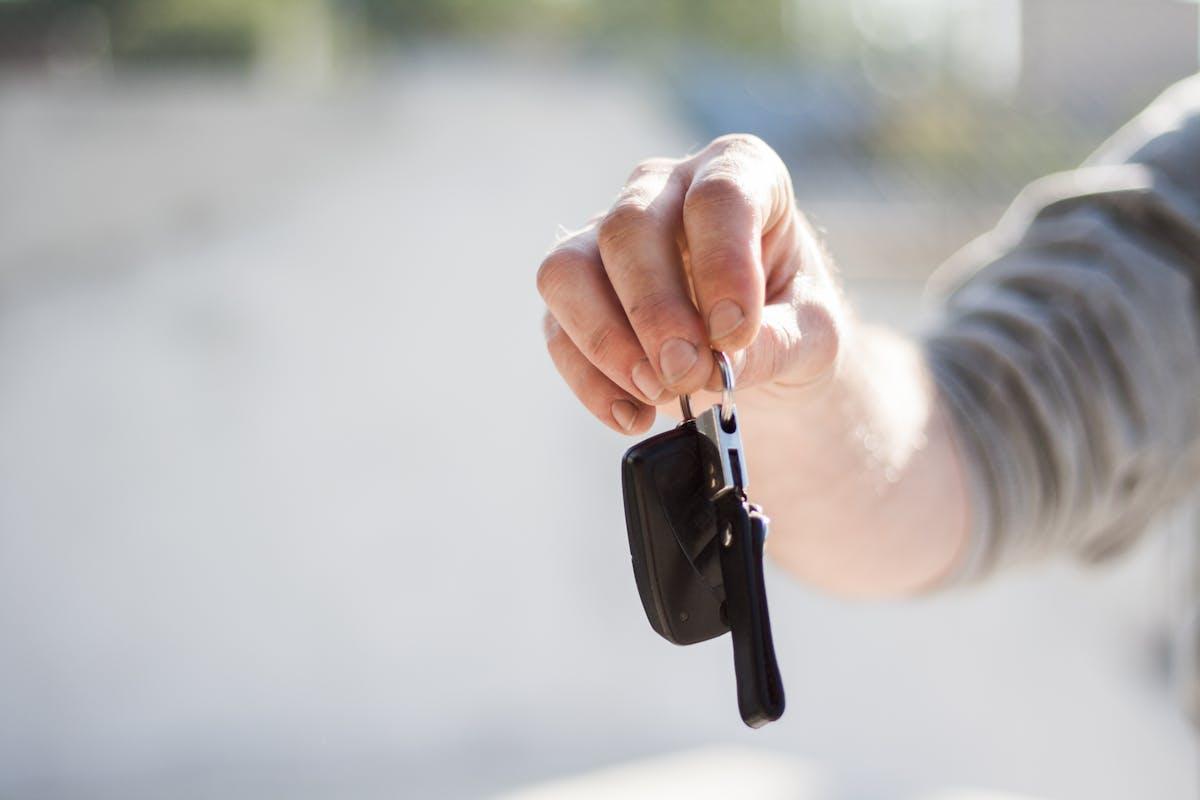 Picking up your rental car is straightforward — have your IDP, license, and passport readyPhoto: Negative Space / Pexels
Rental Costs
| Category | Models | Price |
|---|---|---|
| Compact | Hyundai Avante, Kia K3 | ₩40,000-60,000 |
| Mid-size | Sonata, K5 | ₩60,000-80,000 |
| SUV | Tucson, Sportage | ₩80,000-120,000 |
| Premium/Luxury | Various | ₩150,000+ |
| Full Coverage Insurance | Recommended add-on | +₩10,000-20,000 |
All prices include basic insurance. Full coverage (recommended) adds ₩10,000-20,000/day.
What's Included
Most Korean rental cars come with the following as standard:
- Built-in GPS navigation (ask to set it to English)
- Dashcam (front and sometimes rear — standard in Korea)
- Hi-Pass transponder for toll roads
- Basic insurance
- Spare tire and emergency kit
Some rentals also include:
- Bluetooth connectivity
- USB charging
- Wi-Fi hotspot
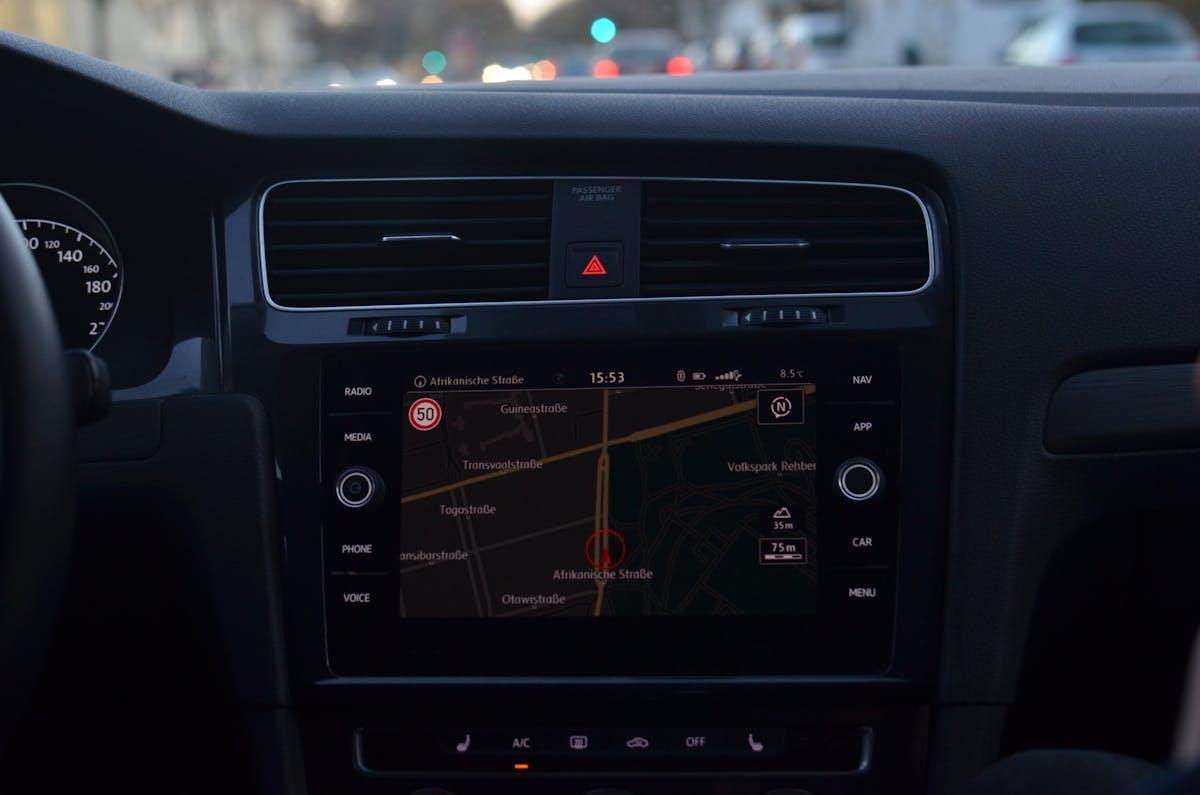 Navigation is essential — use Naver Map or KakaoMap instead of Google Maps in KoreaPhoto: Skylar Kang / Pexels
Korean Road Rules
Basic Rules
- Drive on the right side (same as USA, Europe, China) — steering wheel on the left
- Seatbelts mandatory for ALL passengers (front and back)
- Children under 6 must use car seats
- No phone use while driving (hands-free is okay)
- Right turn on red is generally allowed after stopping (unless signed otherwise)
- Give way to buses pulling out from stops
Speed Limits
| Road Type | Speed Limit |
|---|---|
| Residential Areas | 30-50 km/h |
| City Streets | 60 km/h |
| National Roads | 80 km/h |
| Expressways | 100-110 km/h (sometimes 120 km/h on newer highways) |
| School Zones | 30 km/h (heavily enforced, doubled fines) |
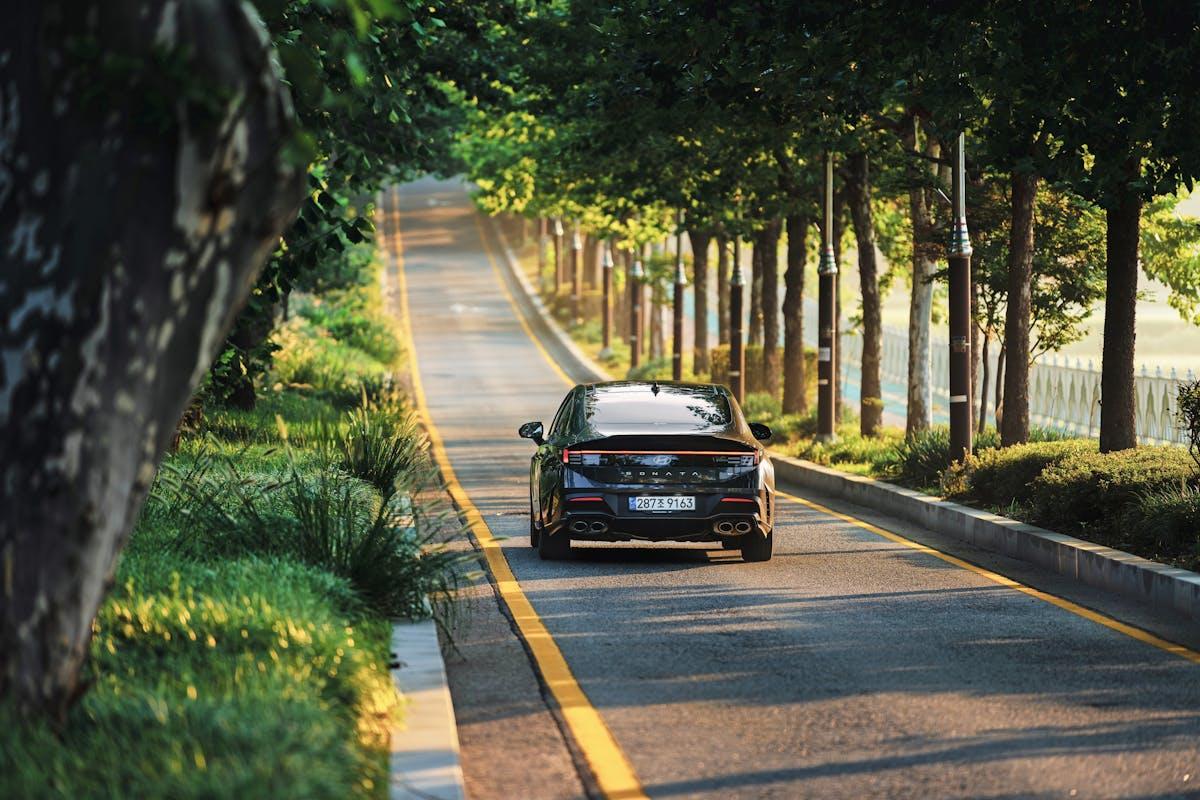 Korea's well-maintained roads make driving a pleasure, especially outside major citiesPhoto: Hyundai Motor Group / Pexels
Alcohol Limits
Blood alcohol limit: 0.03% (much stricter than many Western countries). Penalties: License suspension, heavy fines, possible imprisonment. Korea takes drunk driving extremely seriously. Even one beer can put you over the limit. Use designated drivers, taxis, or public transport if you drink. Korean police conduct random breathalyzer checkpoints, especially on weekends and holidays.
Expressways and Toll Roads
The Expressway System
Korea has an excellent expressway network connecting all major cities. Expressways are numbered: 1 (Gyeongbu), 50 (Yeongdong), etc.
| Expressway | Route | Distance |
|---|---|---|
| Gyeongbu (No. 1) | Seoul — Busan | 416 km |
| Yeongdong (No. 50) | Seoul — Gangneung | 234 km |
| Honam | Seoul — Gwangju — Mokpo | — |
| Namhae | Busan — Suncheon (coastal) | — |
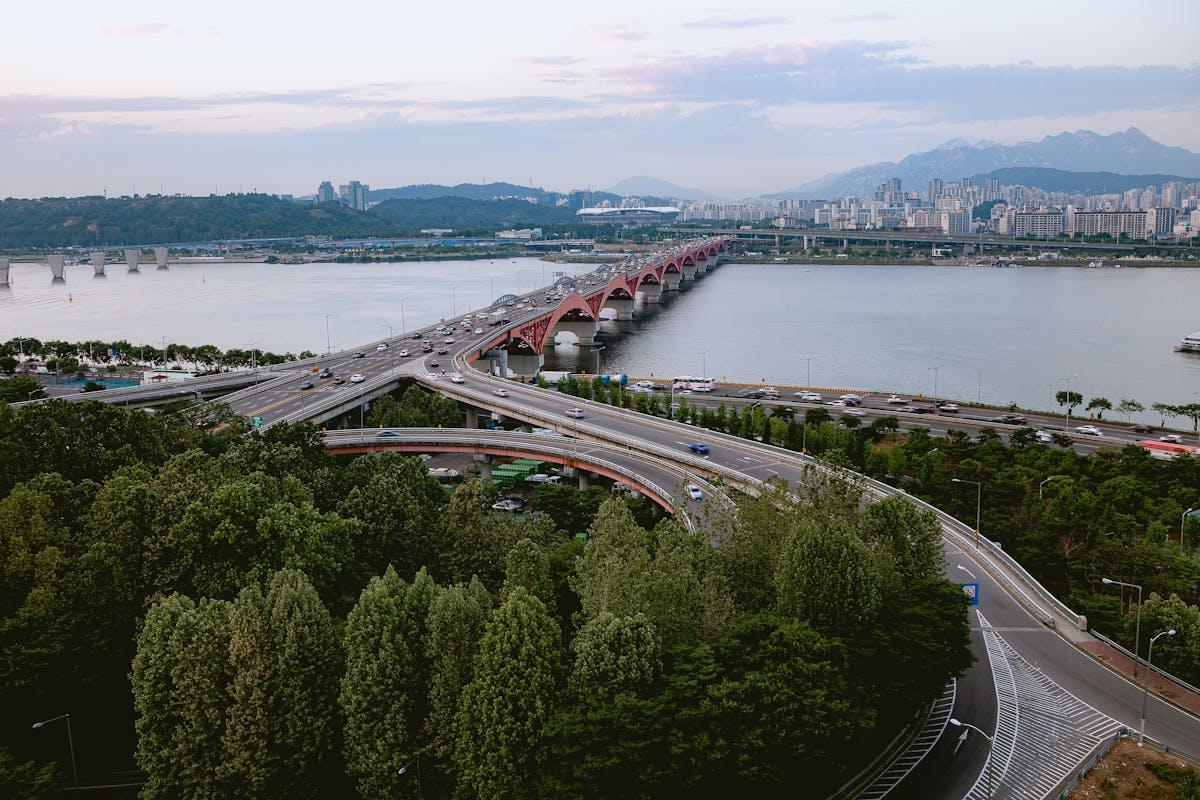 Korea's modern expressway system connects all major cities efficientlyPhoto: Gije Cho / Pexels
Hi-Pass (Electronic Tolls)
Hi-Pass is Korea's electronic toll system. Most rental cars include a Hi-Pass terminal pre-installed. Here's how it works:
Enter the Hi-Pass lane
Drive through the Hi-Pass lane at toll booths (usually the far left lanes).
Automatic charge
The terminal beeps and charges automatically as you pass through.
Billing
Toll costs are added to your rental bill at the end of your rental period.
If your rental doesn't have Hi-Pass, use the manned lanes and pay with cash or card.
Toll Costs
| Route | Approximate Toll |
|---|---|
| Seoul → Busan (Gyeongbu Expressway) | ₩35,000 |
| Seoul → Gangneung (Yeongdong Expressway) | ₩15,000 |
| Seoul → Gwangju (Honam Expressway) | ₩20,000 |
Tolls are distance-based. Budget roughly ₩100 per kilometer for planning purposes.
Navigation in Korea
Google Maps has limited functionality in Korea due to national security laws that restrict map data export. Google Maps will show locations but cannot provide turn-by-turn navigation or accurate driving directions.
Use These Instead
| Feature | Naver Map | KakaoMap |
|---|---|---|
| Best For | Overall navigation | Finding businesses |
| English Support | Full interface | Good support |
| Traffic Info | Real-time traffic, speed cameras, parking | Real-time traffic |
| Availability | iOS & Android | iOS & Android |
| Cost | Free | Free |
Both apps work with Korean SIM cards or international roaming.
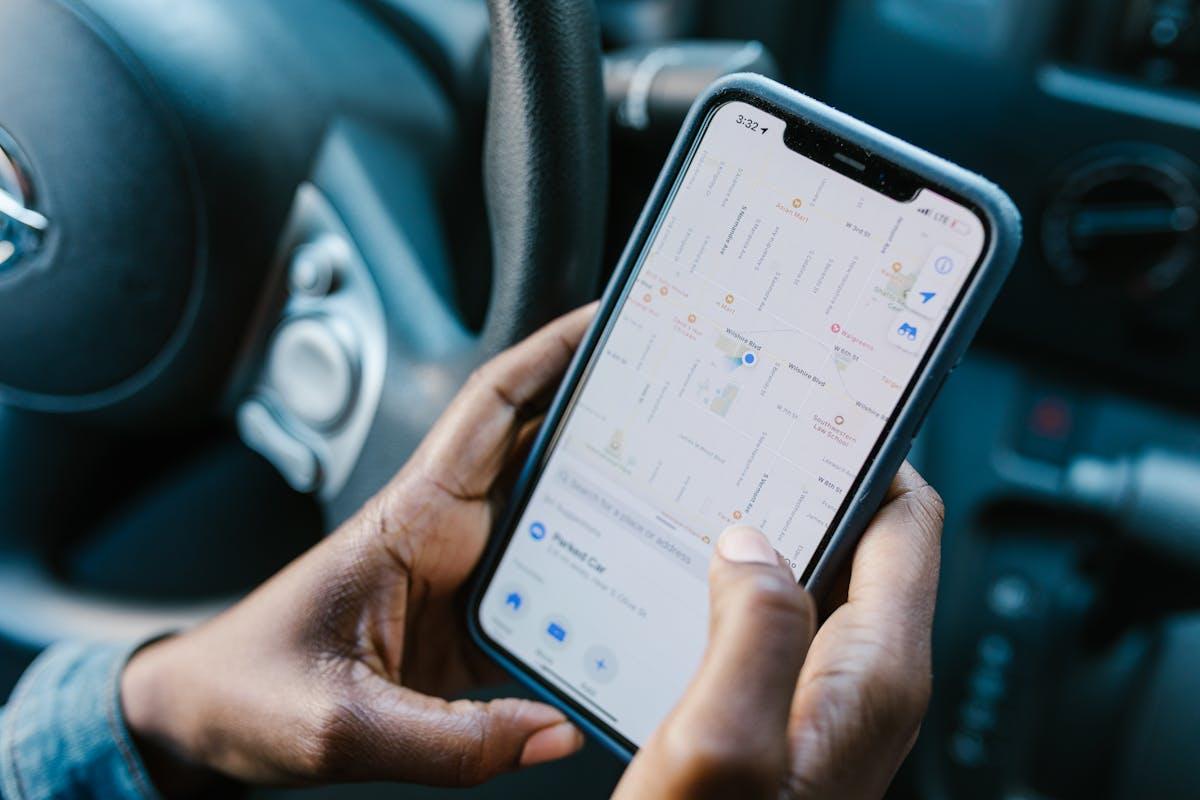 Naver Map and KakaoMap are essential for navigation in Korea — download before you goPhoto: RDNE Stock project / Pexels
Parking in Korea
Street Parking
| Line Color | Meaning |
|---|---|
| Blue | Paid parking (pay at nearby kiosk or via app) |
| White | Free parking (time limits may apply) |
| Yellow | No parking |
| Red | No stopping at any time |
Parking apps like KakaoPay Parking or Naver Pay can handle street parking payments automatically.
Parking Garages
Underground parking is abundant in Korean cities. Typical costs: ₩1,000-3,000 per hour, ₩10,000-20,000 per day. Department stores, malls, and attractions usually have parking. Many validate parking with purchase. Parking garages use license plate recognition — just drive in, park, and pay at exit or kiosk.
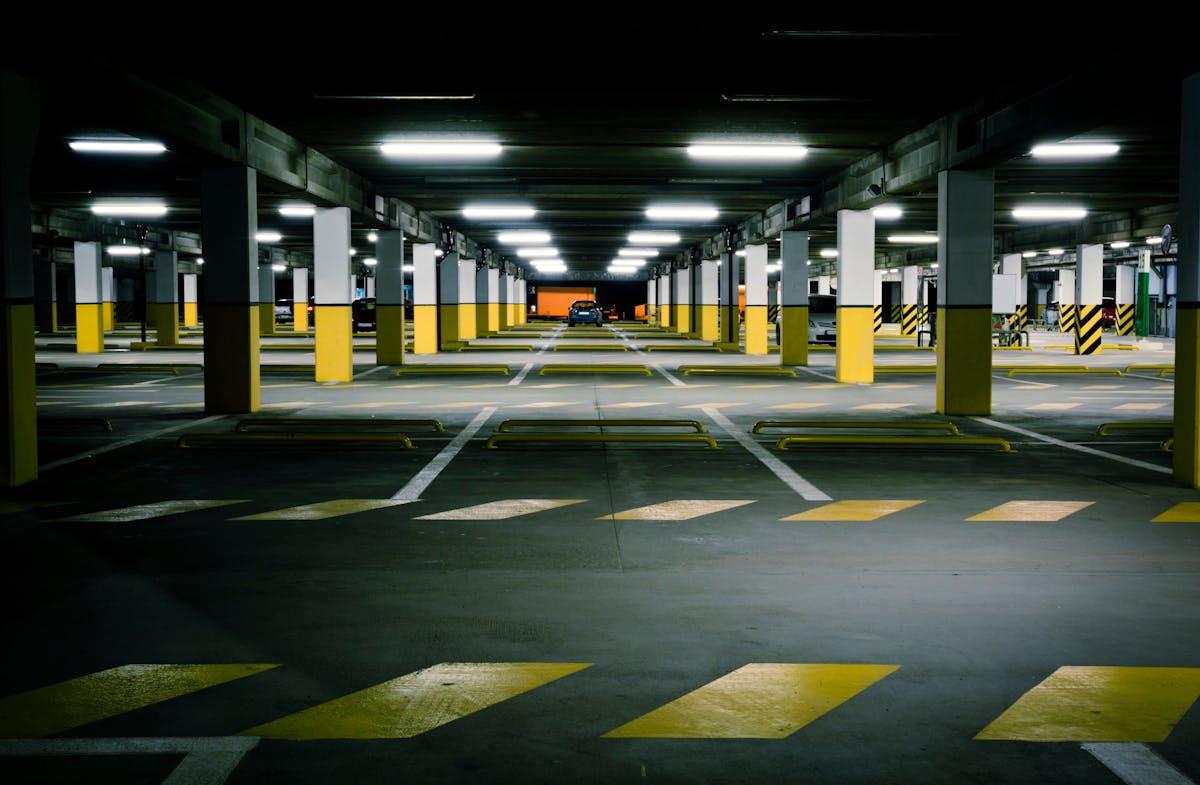 Korean underground parking garages are clean, well-lit, and use license plate recognitionPhoto: Adem Percem / Pexels
Gas Stations
Gas stations are plentiful in Korea but less common in rural and mountain areas. Fuel types: Gasoline (휘발유, hwibaljoo) and Diesel (경유, gyeongyu). Most rental cars use gasoline. Current prices: approximately ₩1,700-1,900 per liter. Full-service is common — attendants pump gas. Self-service (셀프) is cheaper by about ₩50-100/liter. Payment: Credit cards widely accepted. Some stations offer app-based payment discounts.
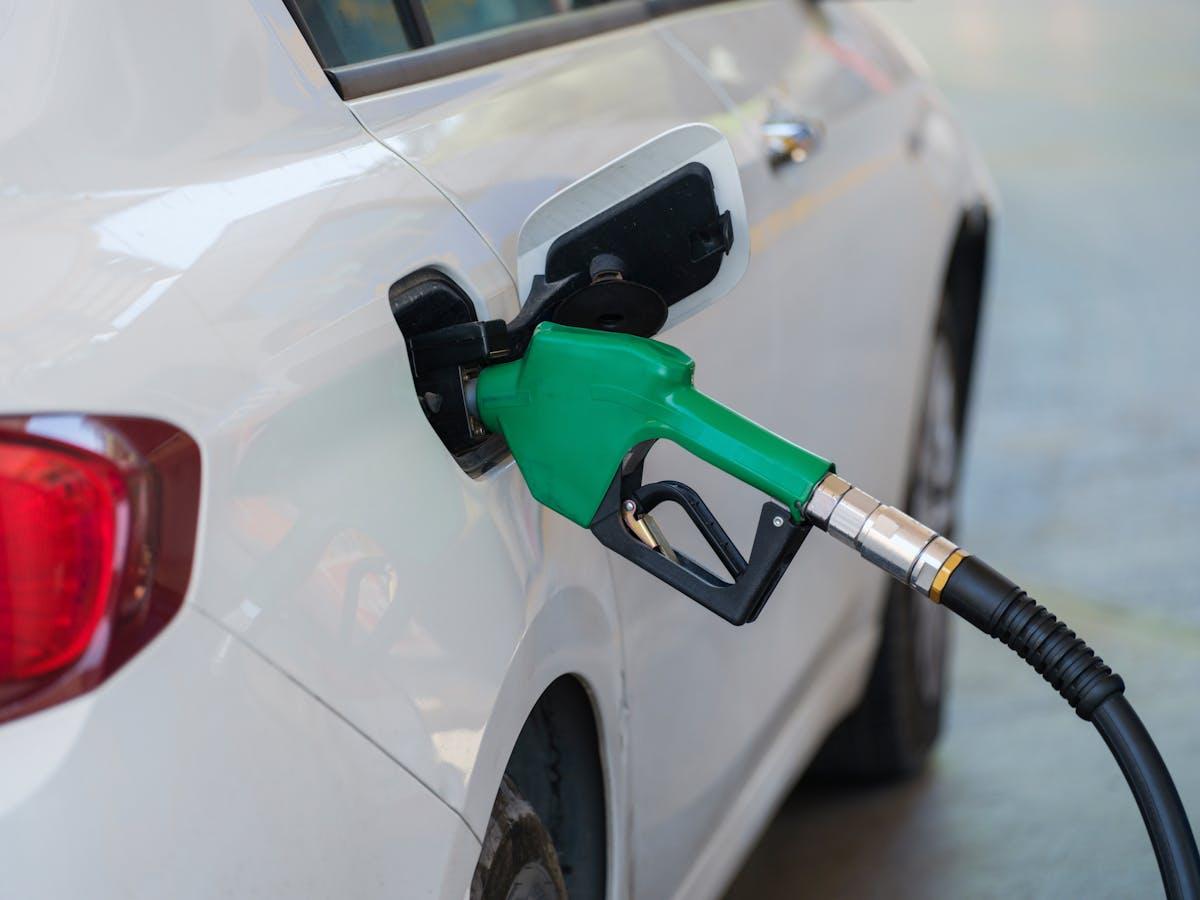 Full-service is common at Korean gas stations — attendants will pump your fuelPhoto: Engin Akyurt / Pexels
Emergency Situations
Emergency Numbers
| Service | Number | Notes |
|---|---|---|
| Police | 112 | English available |
| Fire / Ambulance | 119 | English available |
| Tourist Helpline | 1330 | 24/7 English support |
| Roadside Assistance | Your rental company | Keep their number handy |
Korea Tourism Hotline (1330) is especially useful. They can help translate, provide directions, and assist with any travel issues.
In Case of Accident
Stay calm and check for injuries
Assess the situation and ensure everyone's safety first.
Call 119 if anyone is hurt
Request an ambulance for any injured parties.
Call 112 for police
This is required for all insurance claims. Korea has a no-fault reporting requirement — police must be called for all accidents.
Don't move vehicles
Unless they are blocking traffic dangerously, leave vehicles where they are.
Exchange information
Get details from the other driver(s) involved.
Document the scene
Take photos of all damage and the surrounding area.
Call your rental company
Contact them immediately to report the incident and get guidance on next steps.
Driving Tips for Foreigners
Korean drivers can be aggressive by Western standards. Lane changes happen fast, honking is common, and traffic laws are sometimes treated as suggestions. Don't take it personally — just drive defensively.
- Stay in your lane on expressways — left lane is for passing only
- Use your turn signals (many Korean drivers don't, but you should)
- Watch for motorcycles and scooters weaving through traffic
- Be extra careful in school zones — fines are doubled and enforcement is strict
- Rest areas on expressways are excellent — use them for food, breaks, and clean facilities
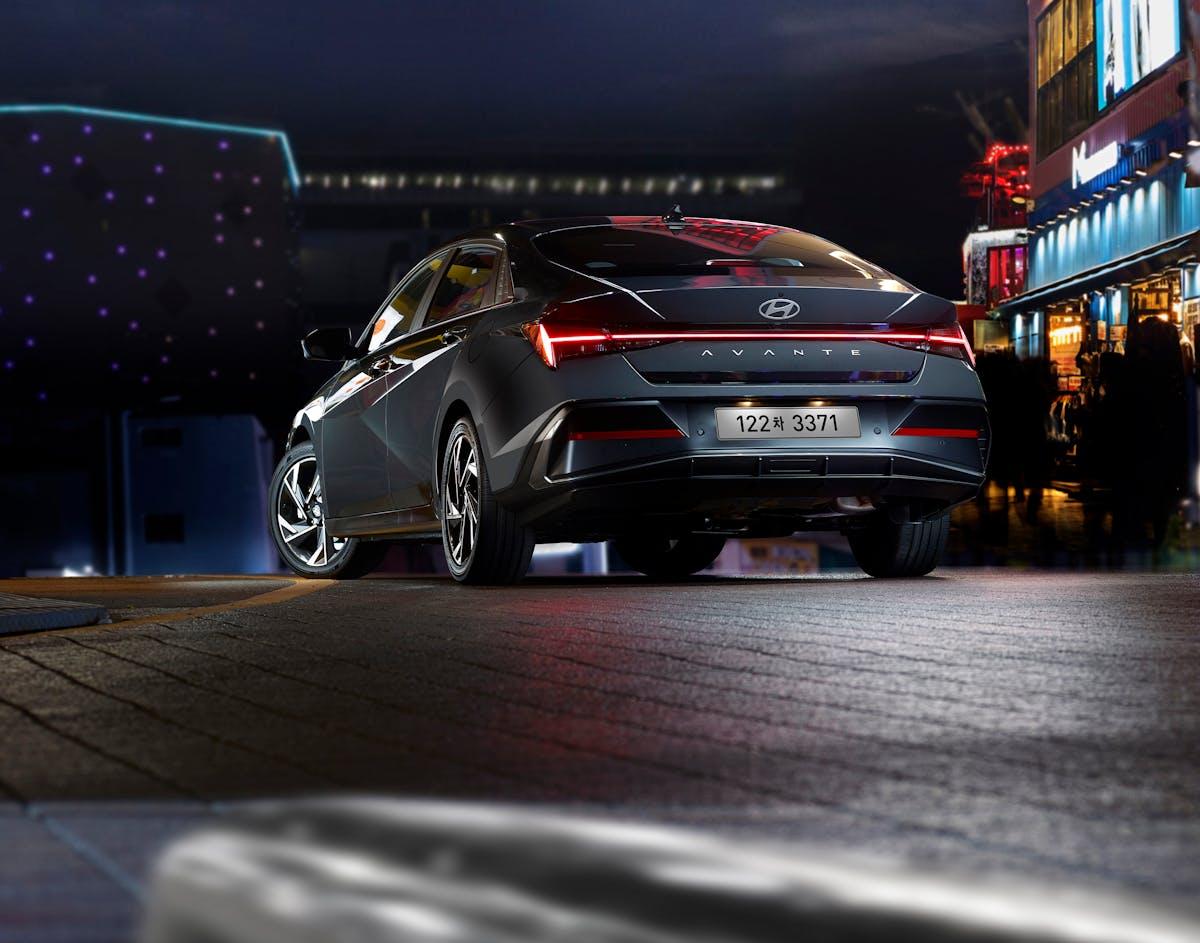 Night driving in Seoul offers a different perspective on Korea's capital cityPhoto: Hyundai Motor Group / Pexels
Frequently Asked Questions
Driving in Korea opens up a side of the country most tourists never experience. Yes, there's a learning curve with navigation apps and unfamiliar signs, but the rewards are worth it — hidden coastal roads, mountain passes, traditional villages, and the freedom to explore on your own schedule. Get your IDP, book a rental car, and hit the road.
You Might Also Like
 Food & Drink
Korean Rest Stop Food: Your Highway Dining Guide
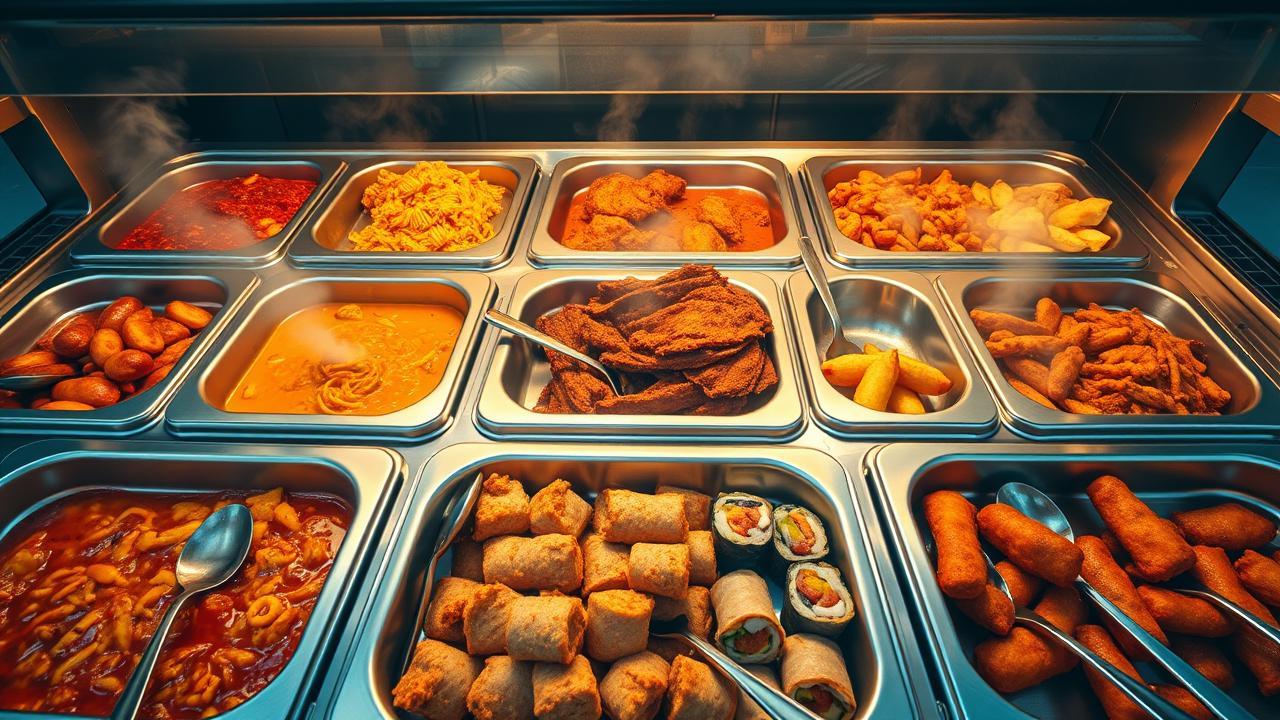
Korean rest stop food is genuinely good. Here's what to eat, where to stop, and how to order at highway rest areas across Korea.
 Routes
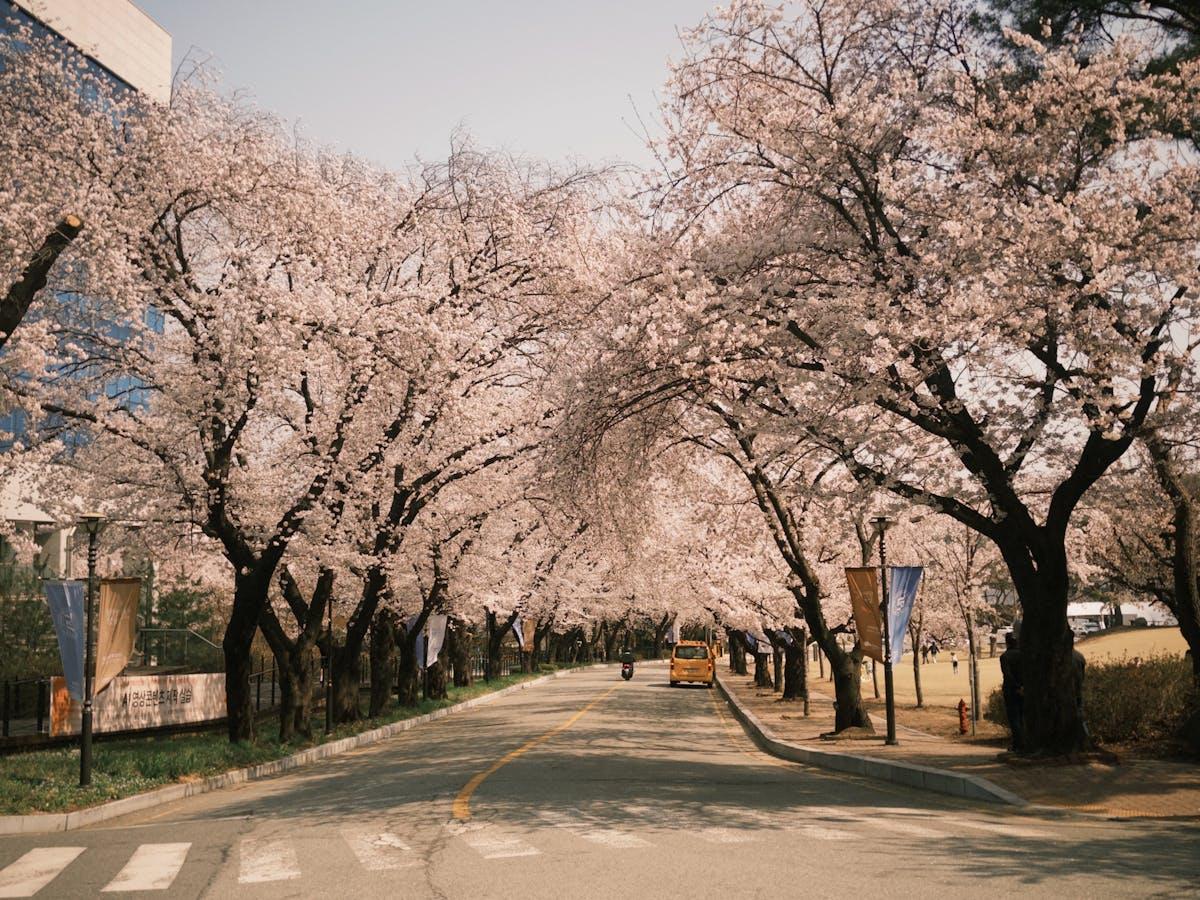
Cherry Blossom Season: Best Drives in Spring
The most beautiful cherry blossom roads in Korea and the perfect time to drive them.
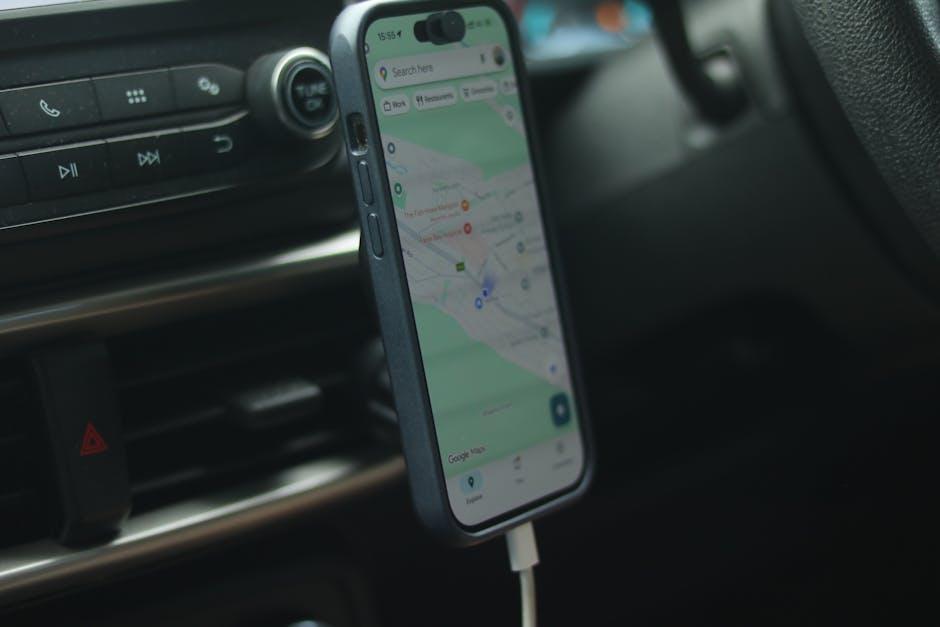
Naver Map vs Kakao Map: Best Navigation for Korea
Google Maps won't navigate in Korea. Here's how Naver Map and Kakao Map compare for driving, transit, and exploring as a foreigner.