Danyang Day Trip from Seoul by Car: Caves, Cliffs & the South Han River
Most foreign visitors to Korea never hear of Danyang. That's a shame. Tucked into a limestone gorge along the South Han River in North Chungcheong Province, this small riverside town holds what many Koreans consider the country's most beautiful cave, one of Korea's most photogenic natural landmarks, and a local food specialty — garlic-marinated pork ribs — that people drive hours to eat. All of it is reachable in a single day from Seoul.
The drive is straightforward: 2 hours 30 minutes to 3 hours from central Seoul, mostly on expressway, with dramatic scenery as you descend into the limestone gorge. Once there, the town is compact enough to walk, making Danyang unusually easy for foreign visitors to navigate.
Getting to Danyang from Seoul
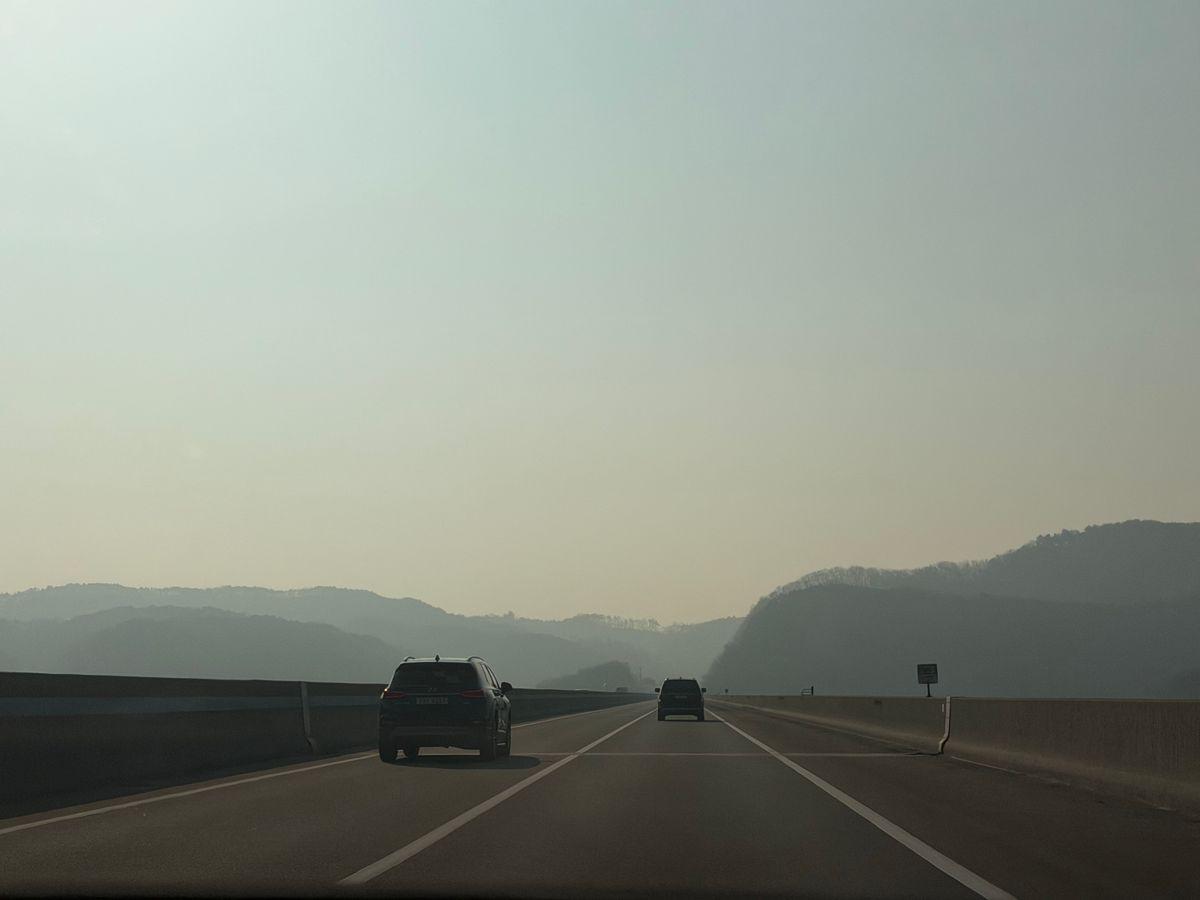
The main route from Seoul follows the Yeongdong Expressway (Route 50) east, then joins the Jungbu Naeryuk Expressway (Route 45, 중부내륙고속도로) south toward Danyang. The final descent into the limestone gorge is unmistakable — cliffs begin appearing on both sides of the road before you reach the Danyang IC exit. Total distance from central Seoul is about 190 km.
- From Seoul: ~190 km, 2 hrs 30 min–3 hrs via Yeongdong Expressway → Jungbu Naeryuk Expressway → Danyang IC
- Tolls (one-way): ~13,000–16,000 KRW
- Parking: Free at Gosu Cave and Dodamsambong, plenty of spots in town
- Navigation: Enter '고수동굴' (Gosu Cave) in Naver Map to start your day
- Fuel: Fill up in Chungju or at Danyang town — stations are sparse past the gorge descent
- Best departure: Before 7:30 to clear Seoul morning traffic and arrive at cave opening
Gosu Cave — Korea's Premier Limestone Cave
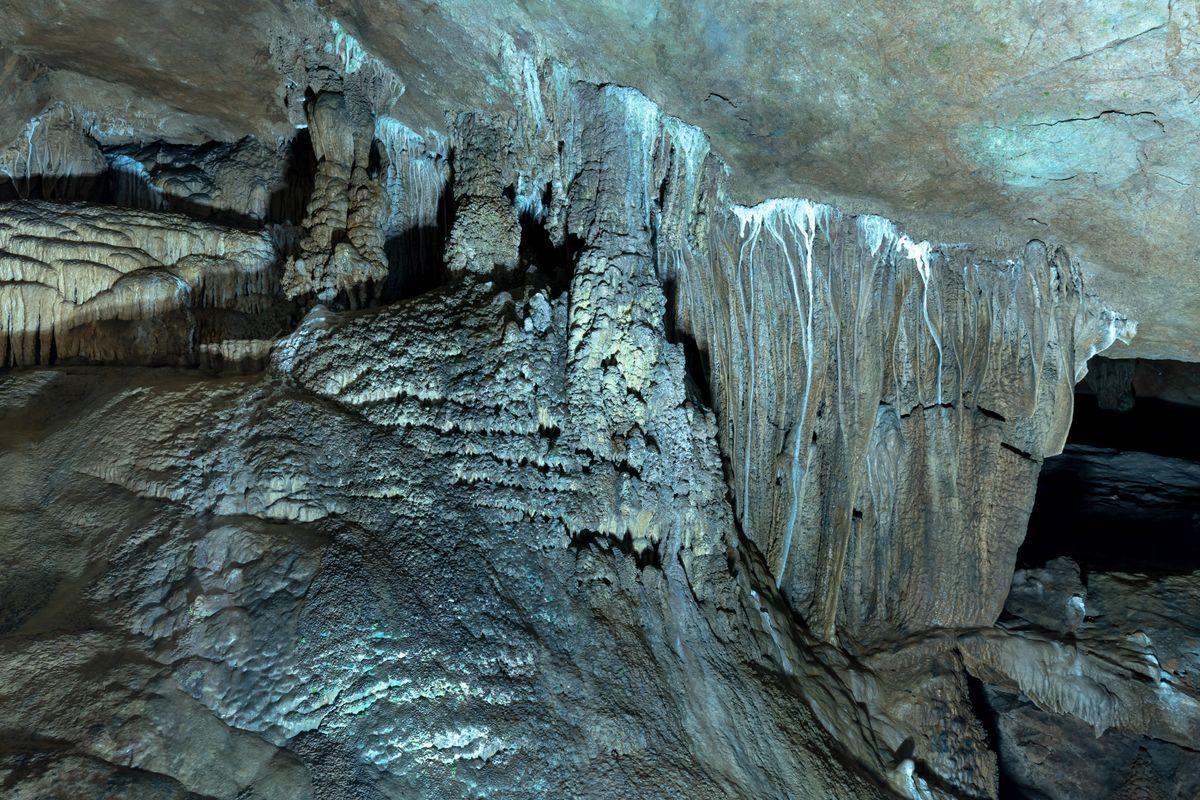
Gosu Cave (고수동굴) is the headline attraction, and it earns the billing. A natural limestone cave carved over hundreds of millions of years, it maintains a steady temperature of 12–15°C year-round — a welcome refuge when Seoul's summer humidity is at its worst. The 1.7 km marked tour route winds through chambers of stalactites, stalagmites, cave pearls, and helictites, all dramatically lit against the dark stone.
Discovered in 1973 and opened to the public in 1974, Gosu gives you enough room to slow down and actually look — unlike some Korean caves that feel rushed. The central cathedral chamber is especially impressive in scale. Budget 50–60 minutes for a comfortable walk-through, and bring a light layer even in summer.
- Admission: ~6,000 KRW adults (confirm current prices at the gate)
- Hours: 9:00–17:00 (last entry), extended hours possible in summer
- Temperature inside: 12–15°C — bring a jacket if you run cold
- Duration: 50–60 minutes at a comfortable pace
- Address: 고수동굴길 8, Danyang-eup — parking lot right at the entrance
Dodamsambong — Three Peaks Rising from the River
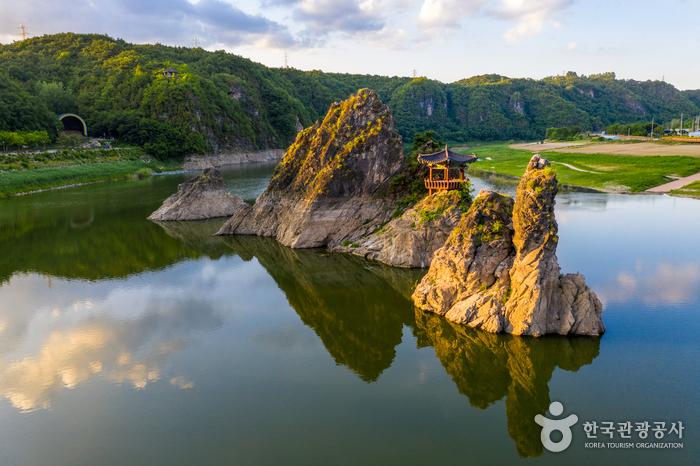
Seven kilometers from Gosu Cave sits Dodamsambong (도담삼봉) — three limestone peaks rising from a bend in the South Han River. The central peak carries a small traditional pavilion on its summit. It's one of those Korean landscapes that has been painted, photographed, and celebrated for centuries, and it still impresses in person.
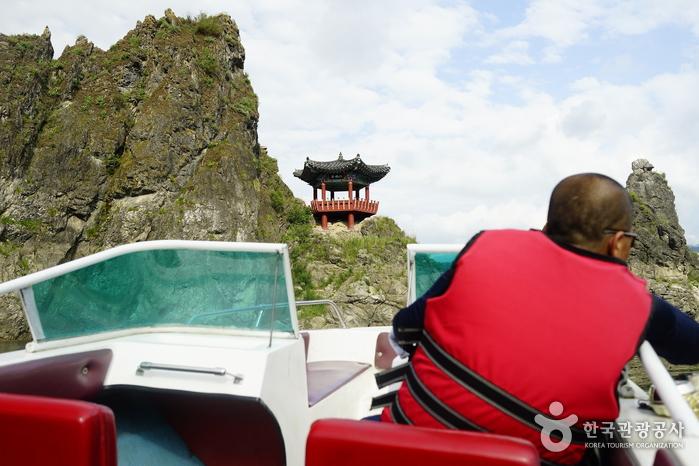
The founding scholar of the Joseon Dynasty, Jeong Dojeon (정도전), loved this spot so much he took it as his pen name. You can see why. The riverbank observation area is free to enter; for a closer look, boat tours depart from a dock below and take about 20 minutes. Early morning offers the best light and the clearest reflections in the water.
- Entry: Free to view from the riverbank observation platform
- Boat tour: ~6,000–8,000 KRW, departs when seats fill
- Best time: Early morning for reflections; golden hour before sunset
- Address: Navigate to '도담삼봉' in Naver Map — 7 km northwest of Danyang town center
- Nearby: Seokmun (석문) — a natural stone arch — is 3 km further west along the river
More Danyang Scenery Worth a Stop
Danyang's eight official scenic spots — the Danyang Palgyeong (단양팔경) — extend beyond Dodamsambong into a broader network of gorges, cliffs, and river bends. You don't need to hit all eight on a single day trip; two or three extras are easy to add.
Sainam (사인암) is a massive vertical cliff rising 70 meters from a narrow valley stream about 30 minutes south of town. The rock face is so perfectly smooth and sheer it looks sculpted — it isn't. Jungseongnam (중선암), with its three-tiered stone shelf and crystal-clear stream, is a natural rest stop on the way back north and takes only 20 minutes to walk. If you have an extra hour, Ondal Cave (온달동굴) — 12 km from central Danyang — runs a shorter 700-meter tour and includes exhibits on the folk hero Prince Ondal after whom it's named.
What to Eat in Danyang
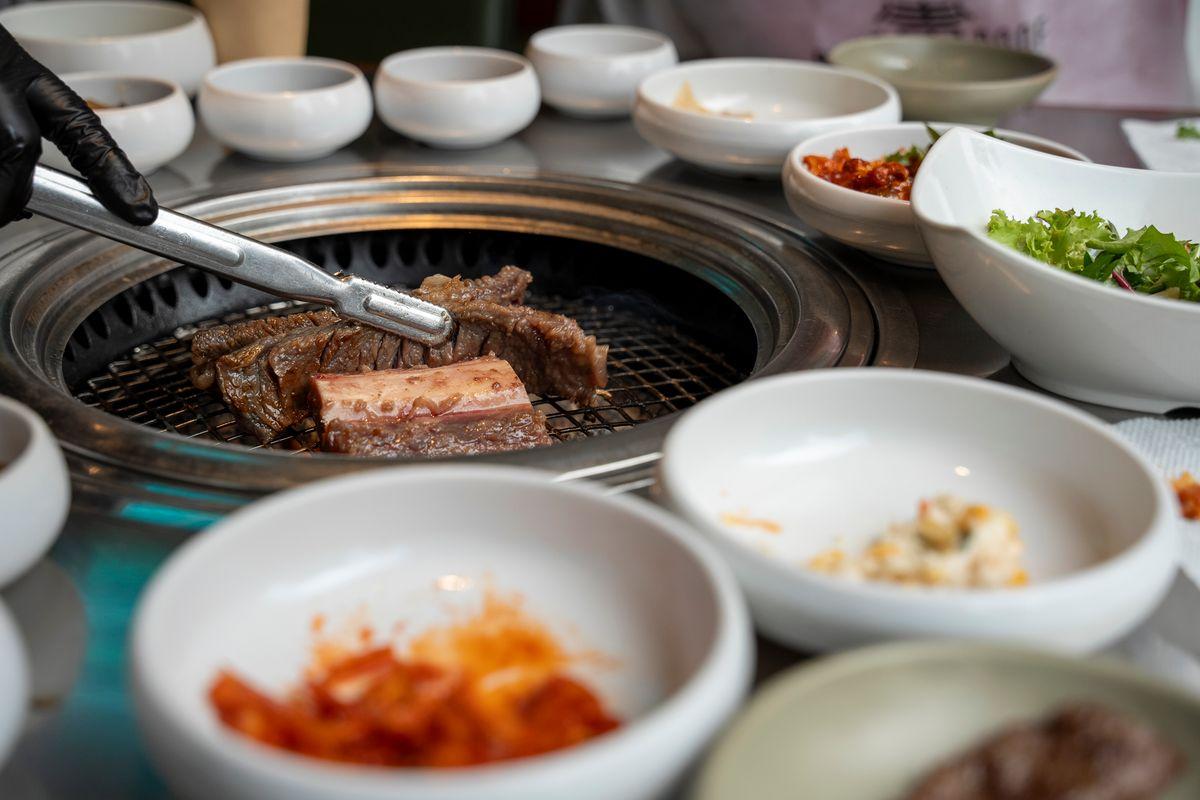
Danyang County is one of Korea's main garlic-producing regions, and the local cuisine leans into it completely. The signature dish is 마늘갈비 (maneul galbi) — pork ribs marinated in a rich garlic-forward sauce, grilled at your table. The smell hits you as soon as you walk down the main restaurant strip. A full serving for two costs about 35,000–45,000 KRW and comes with a parade of side dishes.
The other must-try is 올갱이국 (olgaengi-guk) — soup made from small freshwater snails caught in the South Han River, cooked with doenjang soybean paste and vegetables. It's earthy, deeply savory, and entirely unique to this region. A bowl runs about 8,000–10,000 KRW and pairs well with rice and the complimentary garlic side dishes every table gets.
Both dishes are easy to find on 수변로 (Subyeonno), the main street running along the river through Danyang town. Most restaurants open at 11:00. Photo menus are common, and pointing works fine — you don't need Korean to order.
Quick Tips
- 1Leave early: Aim for Seoul departure by 7:00–7:30 to arrive at Gosu Cave when it opens and beat weekend crowds.
- 2Cave first: Morning light matters less underground, but the cave gets busier after 11:00 — go early.
- 3Bring a layer: 12–15°C inside the cave is noticeably cool when it's 30°C outside.
- 4No reservations needed: Everything in Danyang is walk-in. Just show up with cash or card.
- 5Fuel before you return: Fill up in Danyang town before heading back — the expressway back has limited service areas in the first 50 km.
- 6Weekday vs. weekend: Weekdays are dramatically quieter. If your schedule allows, Tuesday to Thursday are ideal.
FAQ
Frequently Asked Questions
Danyang sits in a gap in Korea's English-language travel content that surprises most visitors — a town that's drawn Korean day-trippers for decades but remains almost unknown abroad. Pack a light jacket for the cave, leave Seoul early, and plan your garlic rib lunch before you go. The drive back through the gorge in late afternoon light is the last good reason to stay just a little longer.
Share this article
You Might Also Like


Get Travel Inspiration
Subscribe for new stories, route guides, and driving tips delivered to your inbox.