Jindo Island Day Trip: Drive the Bridge, Meet Korea's Famous Dog, and Walk the Miracle Sea Road
Most visitors to Korea's south coast stop at Yeosu or Mokpo and never make it the extra hour to Jindo. That's a mistake. This island — Korea's third largest — has a dog breed found nowhere else on earth, a folk song tradition on UNESCO's intangible heritage list, and a stretch of sea that recedes to reveal a 2.8-kilometer pathway between two islands. With a rental car, Jindo is a perfect day trip from Gwangju or an easy detour on a longer south coast road trip.
Getting There: The Jindo Bridge Drive
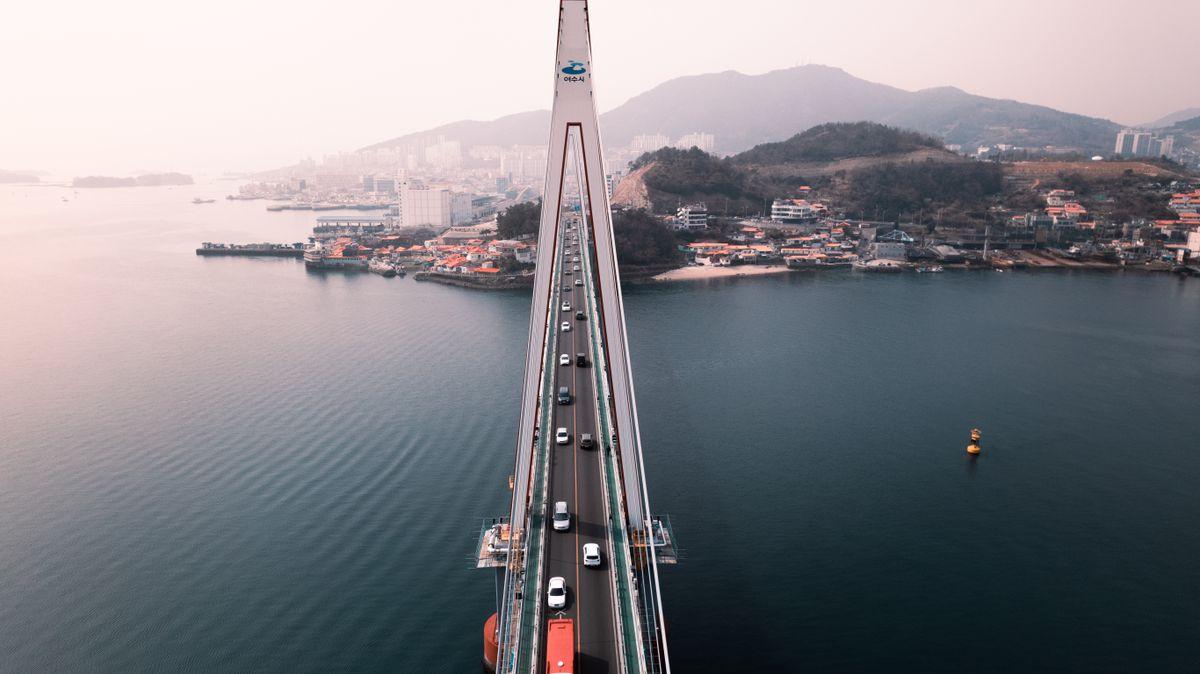
The approach to Jindo is half the experience. The Jindo Bridge (진도대교) — actually two parallel suspension bridges built in 1984 and 2005 — spans the narrow strait between the island and the Haenam Peninsula. Driving across it with the green hills of Jindo ahead and the tidal channels below sets the mood for the whole day. The bridge is toll-free.
- From Gwangju: approximately 1.5 hours (90 km via Namhae Expressway + Route 18)
- From Mokpo: approximately 1 hour (55 km via Route 77 south)
- From Seoul: approximately 5 hours (400 km via Honam Expressway)
- Bridge toll: free in both directions
- Parking: free lots available near the bridge and at main attractions
The Miracle Sea Road (신비의 바닷길)
Jindo's most famous phenomenon happens in the tidal channel between the island and the tiny island of Modo (모도), about 2.8 kilometers off Jindo's western shore. During extreme low tides — typically two or three times a year — the sea recedes enough to expose a narrow rocky pathway connecting the two islands. Koreans call it the Miracle Sea Road (신비의 바닷길), foreigners call it the Moses Miracle. For about 40 to 60 minutes, you can walk across.
The annual Jindo Sea Road Festival (진도 신비의 바닷길 축제) is usually held in late March or early April, when thousands come for the largest tidal opening. But the sea parts on several other dates throughout the year — check the Korea Tourism Organization tide calendar before you visit, as the exact dates shift annually. Even when the path is closed, the view from the shore at Hoedong Village (회동마을) is worth the trip.
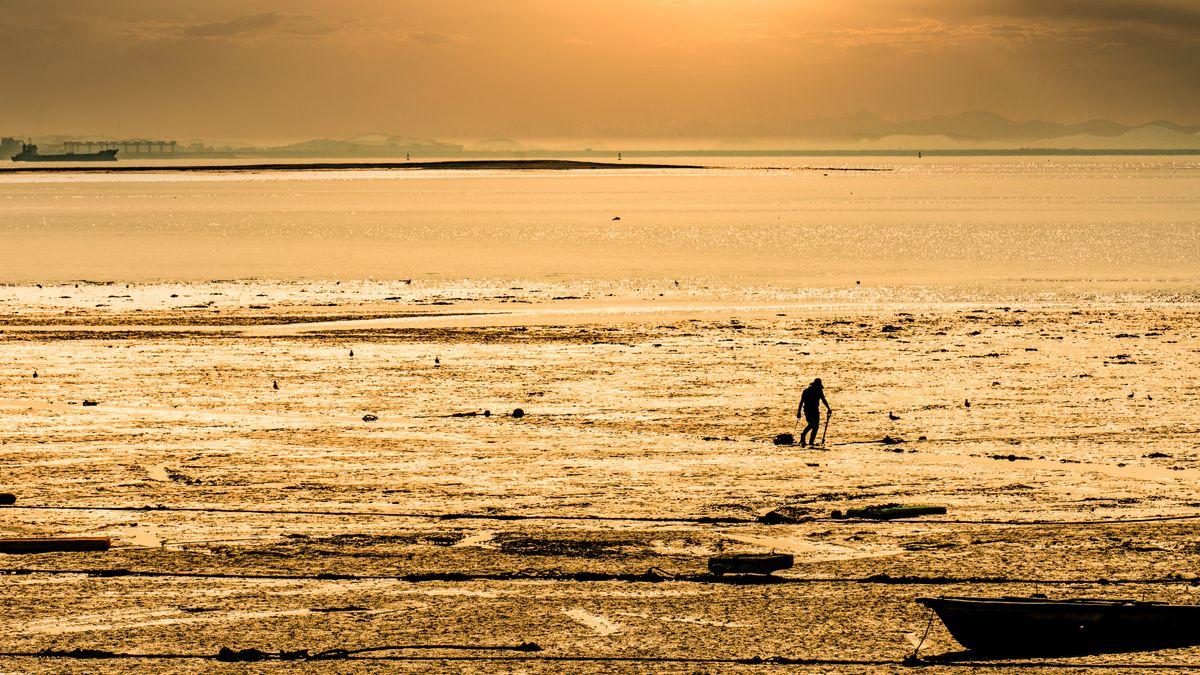
- Best viewing point: Hoedong Village (회동마을), west coast of Jindo
- Path width: roughly 40 meters at peak low tide
- Walking time: 40–60 minutes round trip to Modo and back
- Tip: The path is muddy and rocky — wear shoes you don't mind getting wet
- If you miss the tide: the nearby observation deck has views year-round
The Jindo Dog (진돗개)
The Jindo dog (진돗개) is one of only two dog breeds native to Korea — the other is the Pungsan from the north. Designated Natural Monument No. 53, the breed has been on Jindo for centuries and is famous for loyalty, intelligence, and an almost cat-like independence. The Korean government strictly controls their export, so meeting one on their home island feels special.
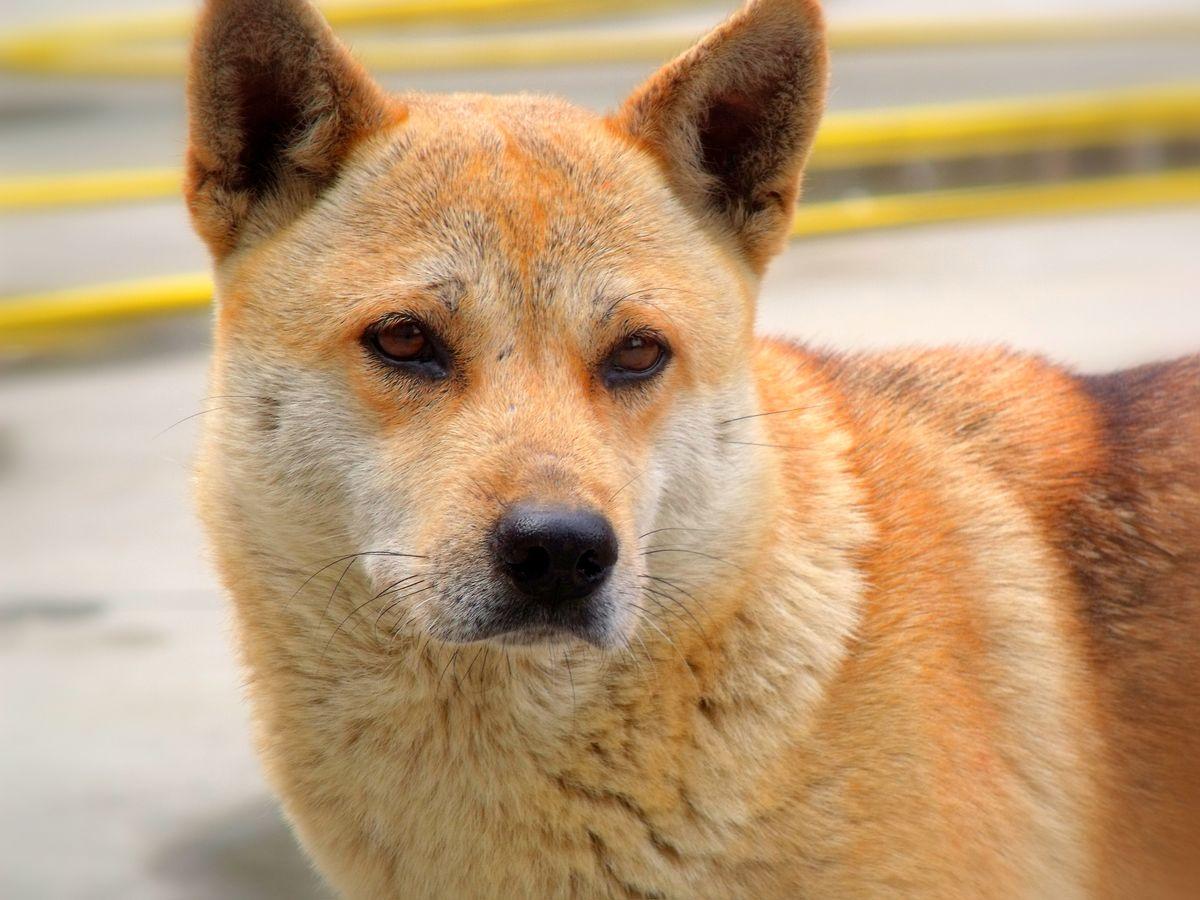
The Jindo Dog Theme Park (진도개 테마파크) on the island's eastern side has resident dogs and offers demonstrations of their hunting instincts and obedience. Entry is free. There's also a Jindo Dog Training Center where you can watch handlers work with the dogs. If you visit on a weekend, you may catch a performance — call ahead to confirm timing.
- Address: 진도군 고군면 오산길 30 (Jindo Dog Theme Park)
- Hours: 09:00–18:00 (closed Mondays)
- Entry: free
- Note: The dogs are temperamental with strangers — follow staff instructions
Jindo Arirang and Traditional Culture
Korea has many regional Arirang folk songs, but Jindo Arirang (진도아리랑) is widely considered the most mournful and musically complex. It's recognized by UNESCO as an Intangible Cultural Heritage. The Jindo Arirang Cultural Village (진도아리랑마을) on the southern part of the island preserves the tradition with regular performances of Arirang, drum dances (북놀이), and the dramatic Dasiraegi funeral music.
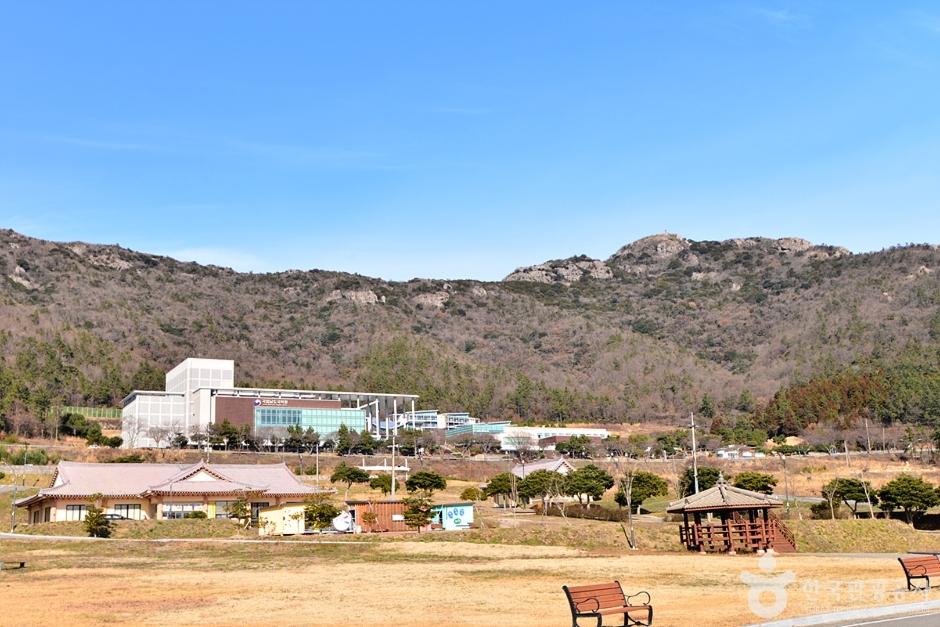
Beyond Arirang, Jindo is known for its Choyangdang Shrine (초양당), which honors the grandmother and tiger-god figures from the legend behind the Miracle Sea Road. The shrine sits right at Hoedong Village, where the sea parting begins — a natural stop after watching the tides.
Beaches, Seafood, and Sea Salt
In summer, Ungjeon Beach (운진 해수욕장) and Seokju Beach (석주 해수욕장) attract Korean families — both are clean, uncrowded compared to the big-name beaches further east, and backed by pine forests. The water is shallow and warm in July and August, making them ideal for kids.
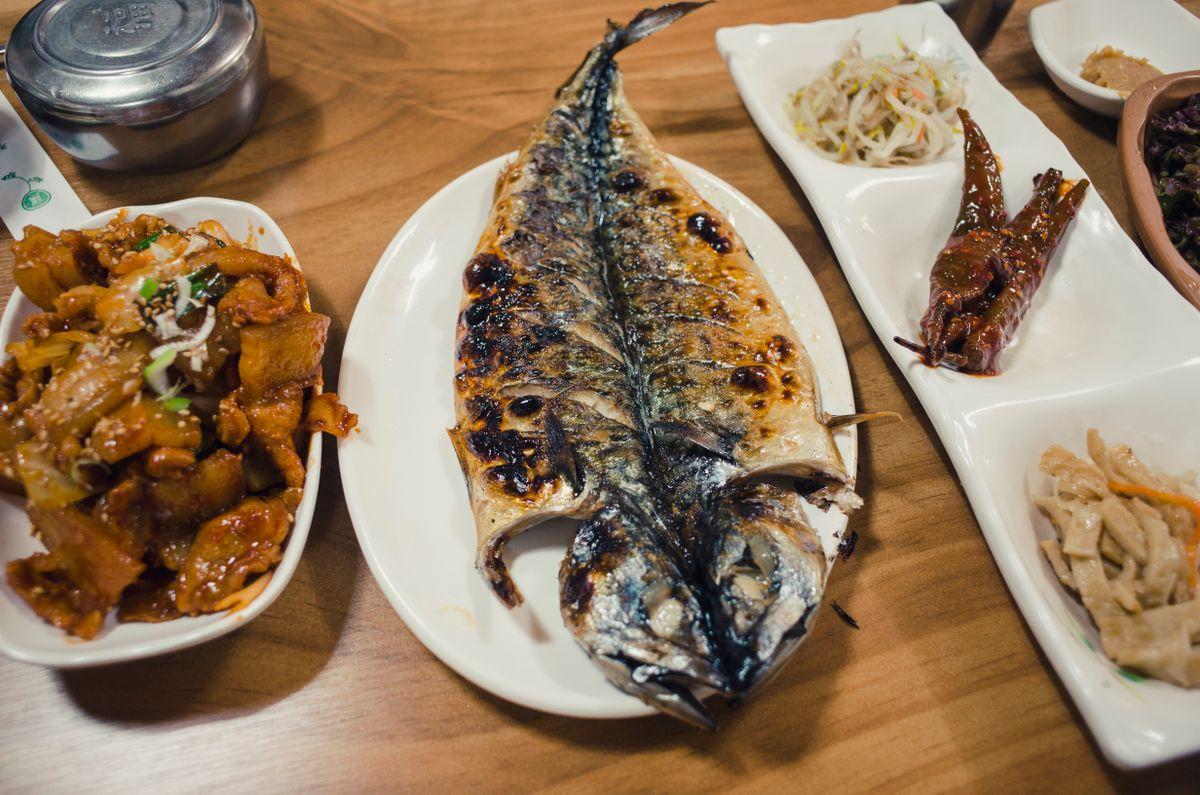
Jindo has a serious food reputation in Korea. The island is surrounded by strong tidal currents that keep the seafood exceptionally clean and flavorful. Don't leave without trying ganjang gejang (간장게장) — raw crab marinated in soy sauce, served with rice. The brave can also try hongeo (홍어), fermented skate with an aggressively pungent smell and cult following in Jeollanam-do. Both are found at restaurants near the ferry terminals and the main market in Jindo-eup.
Jindo is also one of Korea's premier sea salt (천일염) producing regions. The island's salt flats use a traditional method of solar evaporation that produces mineral-rich salt prized by Korean chefs. Bags of Jindo salt make an excellent — and very portable — souvenir to bring home.
Quick Tips
- 1Check the tide schedule first: The Miracle Sea Road only appears a few times a year. Visit the Korea Tourism Organization website for the annual tide calendar before planning.
- 2Arrive by 10:00 AM: Jindo is a full day — dog park, sea road, Arirang village, and beach all need time. Most visitors underestimate it.
- 3Gas up in Haenam: There are gas stations on Jindo, but fuel up on the mainland side at Haenam for safety on the return drive.
- 4Buy salt, not souvenirs: Jindo's sea salt is genuine and cheap. Pick up a bag at any supermarket — airlines allow it in checked luggage.
- 5Stay overnight in Mokpo: If you want to do justice to both Jindo and the west coast, base yourself in Mokpo the night before.
FAQ
Frequently Asked Questions
Jindo rewards the detour. Most of Korea's famous islands require a ferry; Jindo just takes a bridge. Pack comfortable shoes for the mudflats, bring an appetite for soy-marinated crab, and don't be surprised if the Jindo dog at the theme park ignores you completely — that's the breed.
Share this article
You Might Also Like


Get Travel Inspiration
Subscribe for new stories, route guides, and driving tips delivered to your inbox.