Returning a Rental Car in Korea: Tips to Avoid Hidden Fees
The return process is the moment most rental trips go wrong. You're tired, you're running to catch a flight, and suddenly there's a damage charge you didn't expect. In Korea, rental car return procedures are strict — but completely predictable if you know what to prepare. This guide covers every step so you can hand back the keys with confidence.
Refuel Before You Return
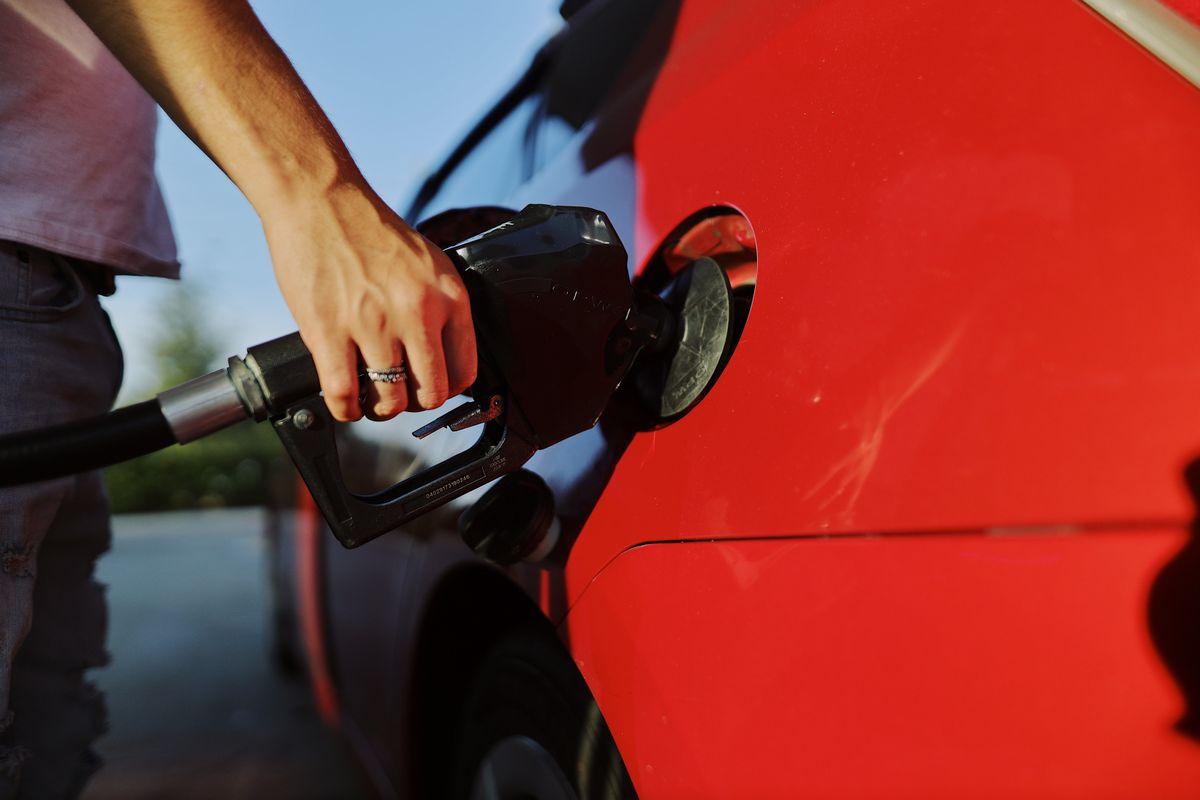
Korean rental companies require you to return the car with the same fuel level as when you picked it up. Most rentals come with a full tank, so you'll need to refuel before drop-off. Failing to do so results in a refueling surcharge — typically 200-300% of the actual fuel cost, plus a service fee.
Fill up at a gas station within 5-10 km of the return location. Korea has no shortage of stations: SK Encar, GS Caltex, S-OIL, and Hyundai Oilbank are the major chains. Most are self-service. Insert your card, select your fuel type (휘발유 = gasoline, 경유 = diesel), and fill up. Keep your receipt — if there's any dispute about fuel level, it's your proof.
- Gasoline (휘발유): Most compact and mid-size cars
- Diesel (경유): Many SUVs and larger vehicles
- Hybrid: Usually gasoline — check the dashboard label
- EV: Return with agreed charge level (usually 80%+)
Do a Pre-Return Inspection
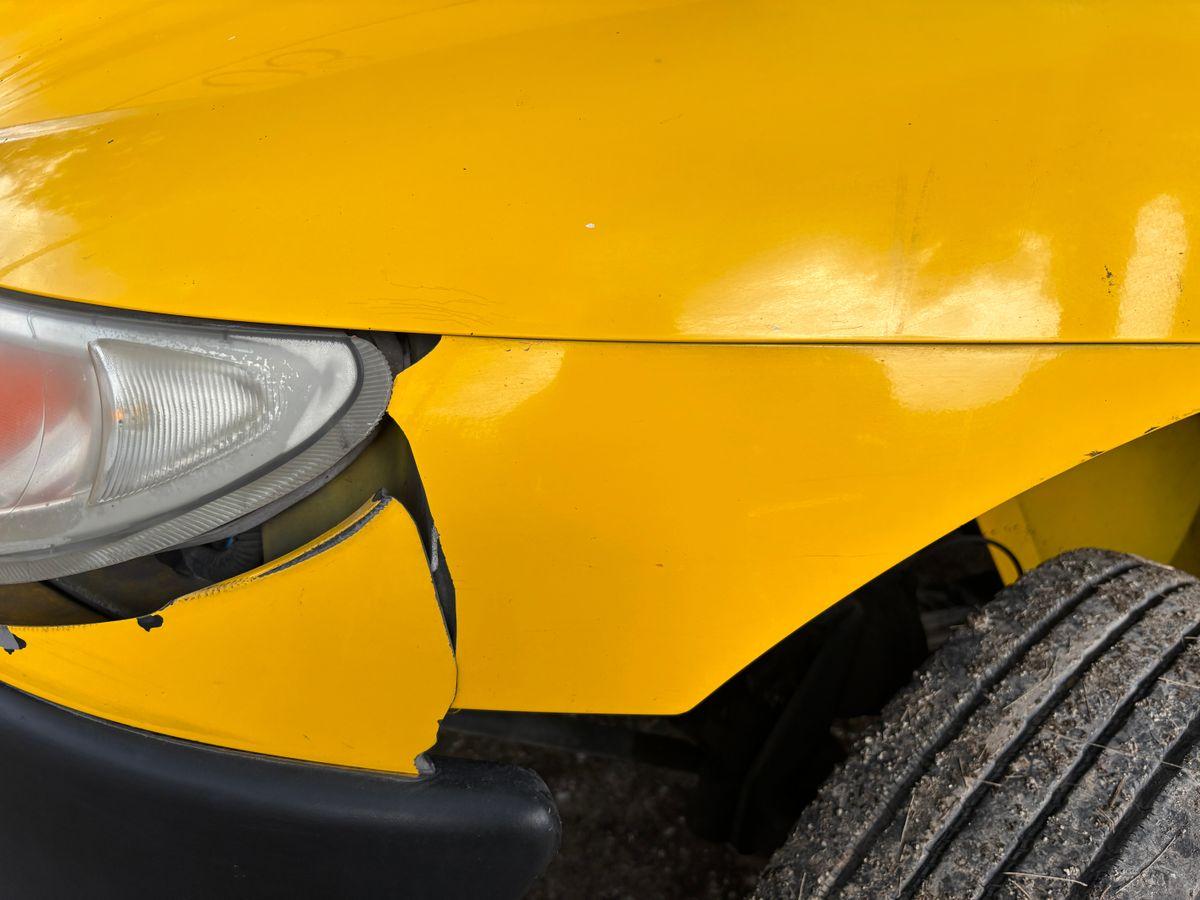
Before you drive to the return lot, walk around the entire car and photograph every panel, bumper, and wheel. Do this in good lighting — not underground parking. Compare what you see with the damage report you signed at pickup. If there's new damage you didn't cause, you need documentation before returning the car.
Pay special attention to: bumpers (front and rear), door edges, alloy wheels, and the windshield. These are the most commonly disputed areas. Scratches smaller than 5 cm are usually covered under basic CDW insurance, but Korean companies vary — read your contract.
- Photograph all four sides at an angle to catch light scratches
- Film a short video walk-around — timestamps matter in disputes
- Check the original damage sheet from pickup and compare
- Note anything that appeared during your rental (parking lot dings, etc.)
The Drop-Off Process
At Incheon Airport, rental return lots are in the underground car park (B1-B2 of T1 and T2). Signs are bilingual. At Gimpo Airport and city locations, follow company-specific signs to the return bay. Pull in, leave the engine on, and wait for staff.
A staff member will do a walk-around inspection with a tablet. They check the exterior, fuel level, and mileage. This takes 5-10 minutes. You'll then receive a return receipt. Do not leave without this receipt — it confirms the return time and condition, and protects you from any post-return charges.
- Return the car 1-2 hours before your flight — inspection lines can build up
- Remove all personal belongings before pulling into the return bay
- Hand over all keys, including spare keys if provided
- Get the return receipt and check the condition status before signing
Common Hidden Fees and How to Avoid Them
Korea's rental contracts are detailed, and hidden fees are real. Here's what to watch for and how to avoid each one.
- Fuel surcharge: Return with the same level as pickup. Up to 3× market rate if staff refuels for you.
- Late return fee: Even 1 hour late triggers a half-day or full-day charge. Return on time.
- Smoke odor cleaning fee: Korean companies charge 50,000-150,000 KRW for smoking in the car. Don't.
- Undisclosed driver fee: If an additional driver wasn't registered at pickup, insurance is void for accidents they caused. Add all drivers upfront.
- Interior cleaning fee: Excessive dirt or food stains can result in 30,000-80,000 KRW cleaning charges. Return the car reasonably clean.
- NOC (Non-Operation Charge): If the car has damage, you pay a daily fee while it's being repaired — even if CDW covers the repair itself. Super CDW waives this.
How to Dispute a Damage Charge
If you're charged for damage you didn't cause, don't sign anything under pressure. Take these steps calmly and methodically.
First, compare the company's damage photos with your pre-rental and pre-return photos. If the damage doesn't appear in your pre-return walk-around, you have a case. Contact the company's English-language customer service line (Lotte Rent-a-Car: 1588-1230, SK Rent-a-Car: 1566-7013). Most disputes are resolved without escalation when you provide photographic evidence.
- 1Do NOT sign the damage acknowledgment form until you've reviewed your own photos
- 2Request a copy of the company's damage photo with timestamp
- 3Call the English customer service line immediately — don't wait until you're back home
- 4If your credit card has rental car coverage, file a claim with the card issuer in parallel
- 5As a last resort, contact the Korea Consumer Agency (소비자원) at 1372
Quick Checklist Before Returning
- 1Fuel tank at the same level as pickup (receipt in hand)
- 2Photographed all panels and interior
- 3Removed all personal belongings
- 4All keys accounted for
- 5No smoking smell, no excessive dirt
- 6Returning on time (or called to extend)
FAQ
Frequently Asked Questions
Returning a rental car in Korea is straightforward when you know the process. Refuel first, document everything, get your receipt, and you'll be at your departure gate without a surprise charge on your statement.
Share this article
You Might Also Like


Get Travel Inspiration
Subscribe for new stories, route guides, and driving tips delivered to your inbox.