
Hi-Pass Guide: Korea Expressway Tolls Explained
Driving from Seoul to Busan? You'll pass through at least eight tollgates and pay around 22,800 KRW in fees. The blue lanes marked 하이패스 (Hi-Pass) let you drive straight through without stopping—and most rental cars in Korea already have the device built in.
This guide explains how Korea's expressway tolls work, how to use Hi-Pass as a foreigner, and what to expect when you reach the booth.
How Korea's Toll System Works
Korea's expressways are run mostly by the Korea Expressway Corporation (한국도로공사), with a handful of private operators. Tolls are calculated by distance plus vehicle class, and you pay at the exit gate—not the entrance.
At the entry gate you either drive through a Hi-Pass lane or grab a ticket. At the exit gate, the system reads your Hi-Pass tag or scans your ticket and charges you for the distance traveled. There's no toll on city streets or local roads—only on numbered expressways like Gyeongbu (1), Yeongdong (50), and Honam (25).
Some short urban segments use a flat fee model where you pay a fixed amount as soon as you enter, with no ticket involved. The Bukbu Expressway in Seoul is one example. Most longer intercity routes use the distance-based ticket system, so don't be surprised when the toll for Seoul to Busan is several times higher than a 30-minute hop near Incheon.
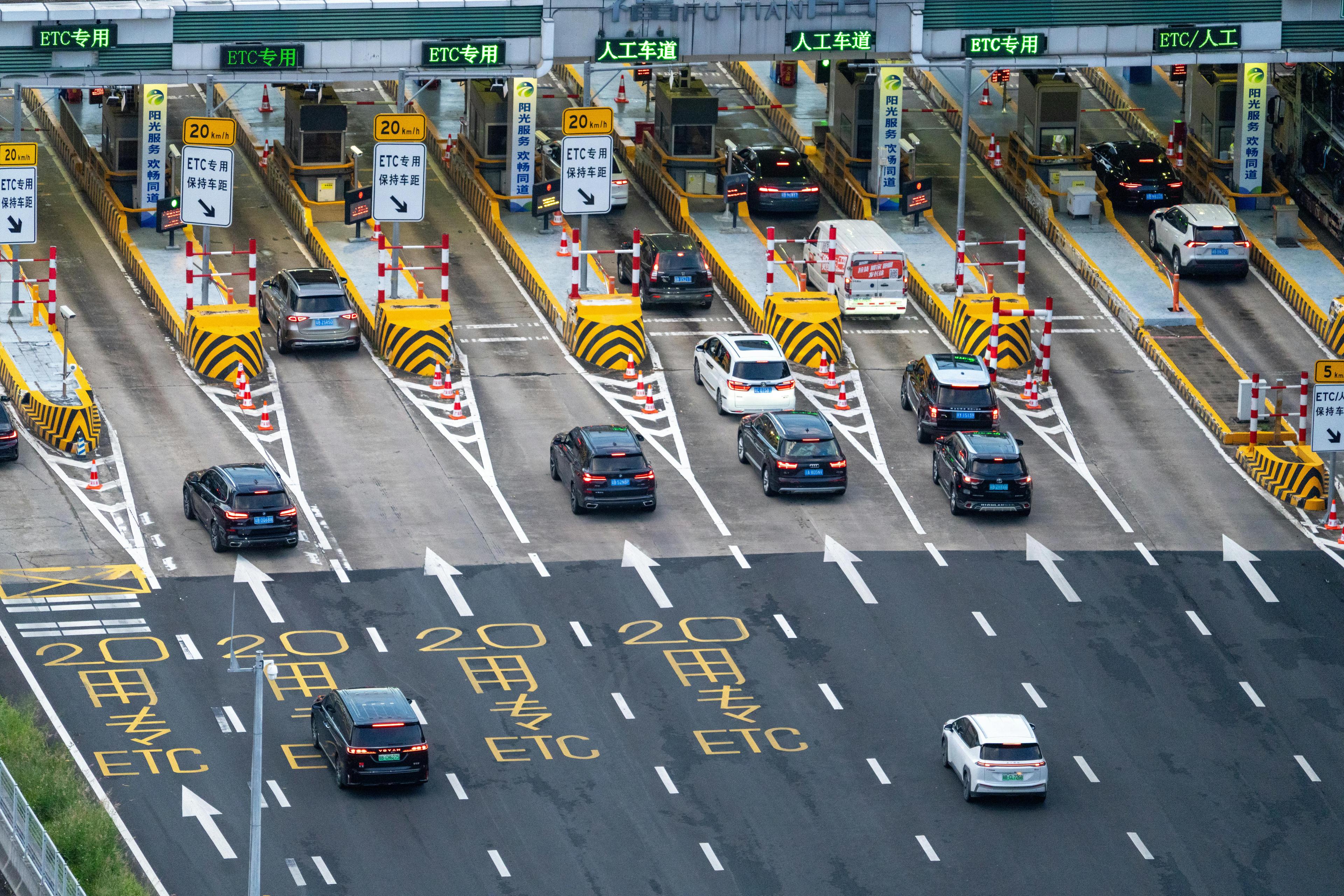
- Operator: Korea Expressway Corporation (most routes)
- Pricing: Distance-based, around 50 KRW/km for a standard sedan
- Vehicle classes: 1 (sedan) → 5 (heavy truck), each tier costs more
- Payment: Cash, credit card, or Hi-Pass
- Hi-Pass discount: Usually around 5% off the regular toll
What Is Hi-Pass and Why You Want It
Hi-Pass is Korea's electronic toll collection system. A small device mounted on the windshield communicates with the tollgate, and the fee is deducted automatically from a prepaid card or linked account. No stopping, no fumbling for cash, no queue.
Beyond the time saving, Hi-Pass gives you a small price break (typically 5%) and unlocks bigger off-peak discounts—up to 20–50% during designated mid-morning and late-night windows on major holidays. The biggest practical win is during long weekends, when manual cash lanes can back up for a kilometer while Hi-Pass cars cruise through in seconds.
Hi-Pass also unlocks the Smart Tolling sections—gantries built into the open road that read your tag at full speed, no booth required. These already cover parts of the Seohaean Expressway and are expanding nationwide. If you don't have Hi-Pass, your plate still gets photographed and you'll be billed later. Either way you pay; Hi-Pass just makes it faster and cheaper.
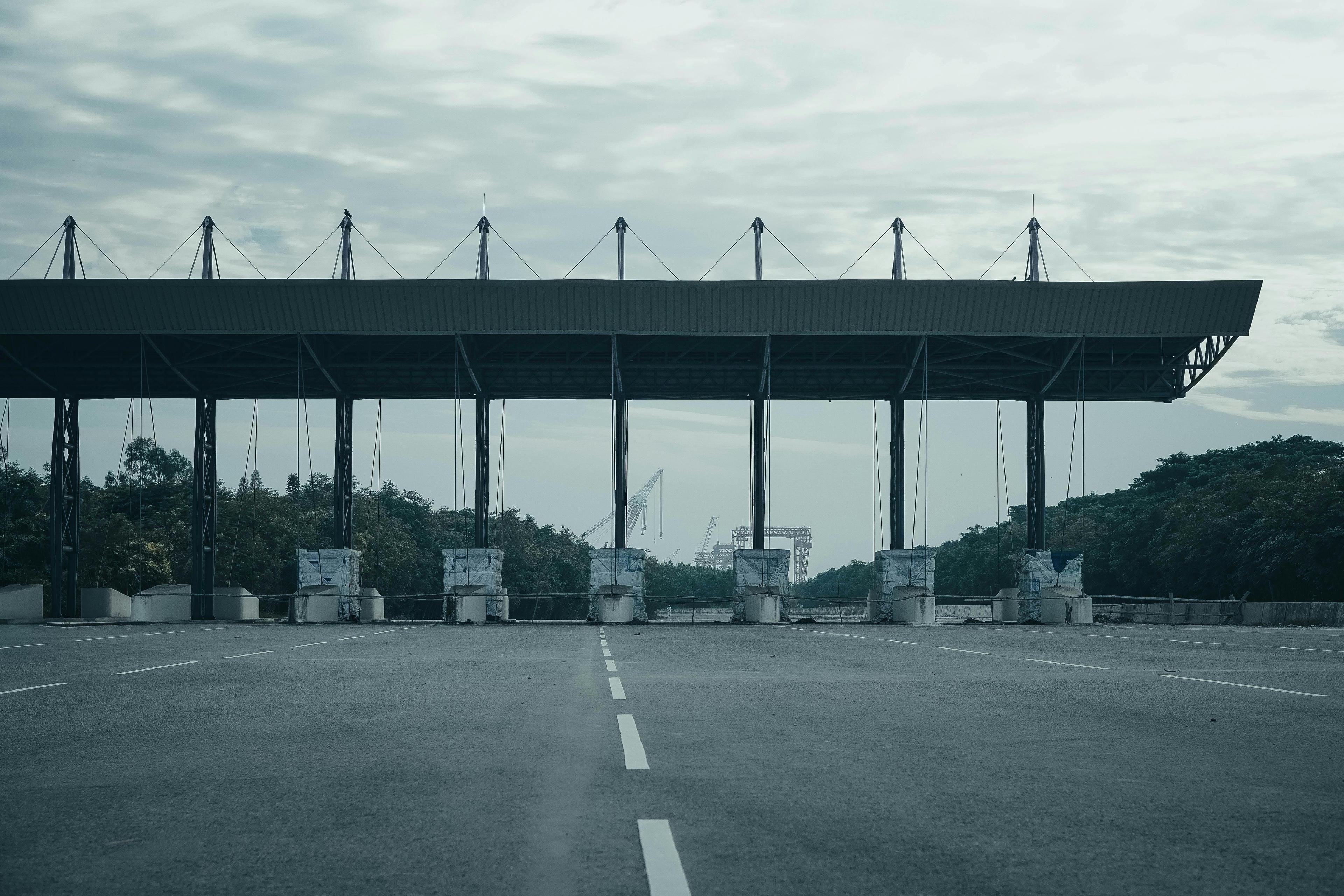
- Speed limit through Hi-Pass lanes: 30 km/h (lower at single-lane plazas)
- Average savings: ~5% on tolls, more during off-peak
- Coverage: Works on all Korea Expressway Corp. routes nationwide
- Time saved: 30 seconds to several minutes per tollgate, depending on traffic
Getting Hi-Pass with a Rental Car (The Easy Way)
Almost every major rental company in Korea offers vehicles pre-fitted with a Hi-Pass device. This is the simplest route for short-term visitors—you don't need to buy hardware or register anything yourself.
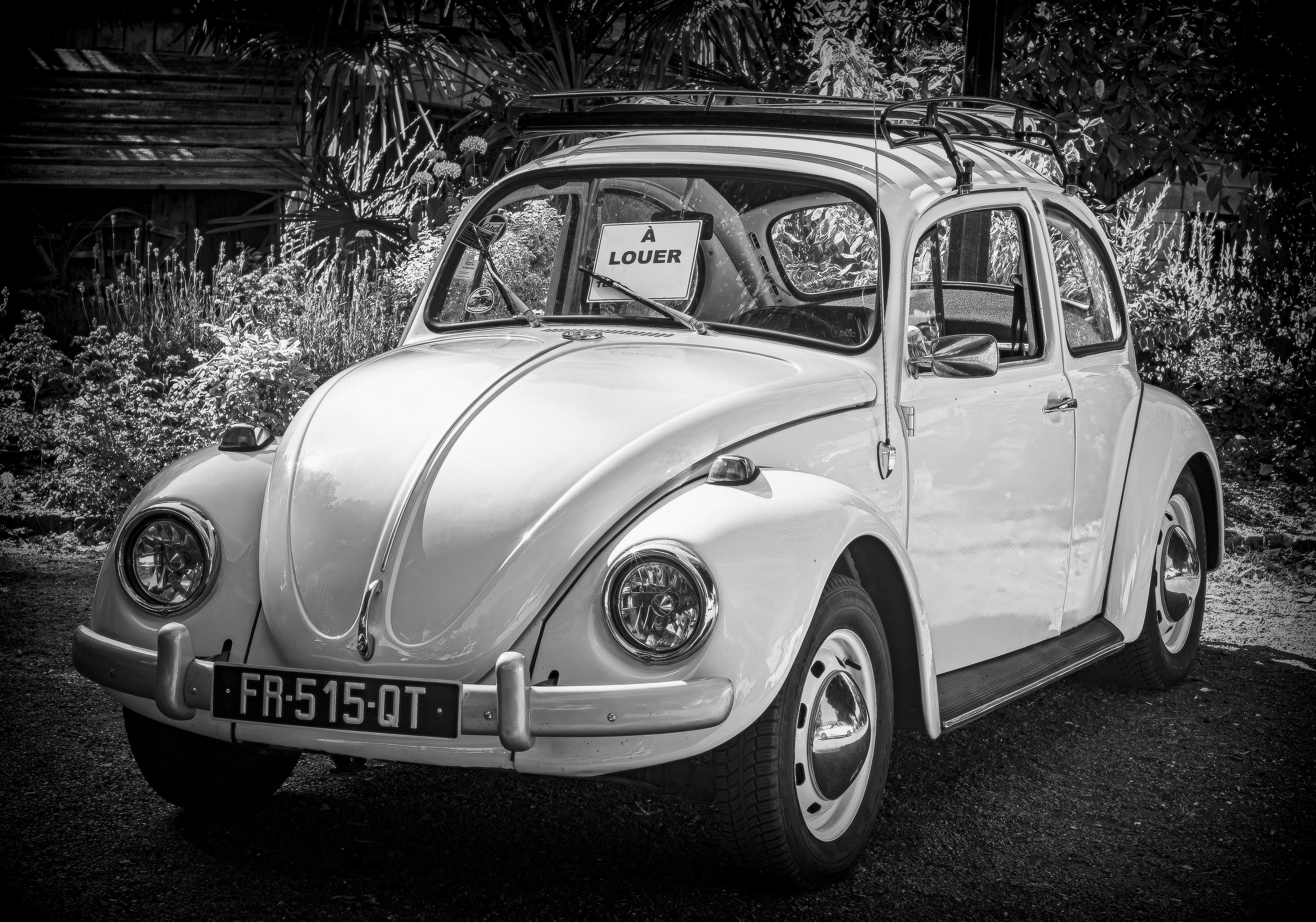
Rental companies handle Hi-Pass in two ways. Some give you a pre-loaded card you top up at convenience stores; others link tolls to your credit card on file and bill you at the end of the rental. Confirm which model your company uses before you drive off. The pre-loaded version means you watch the balance drop in real time at each booth and top up before it hits zero; the post-billing version is simpler but you won't see the running total until checkout.
If you pick up the car at Incheon Airport, ask the agent to demonstrate the Hi-Pass beep at the parking-lot exit. That's usually the first toll-style sensor you'll hit, and it's a quick way to confirm the device is working before you commit to a long highway drive. If it doesn't beep there, swap cars or ask staff to reset the unit—don't wait until you're halfway to Busan.
- Lotte Rent-a-Car: Pre-installed Hi-Pass, tolls billed post-rental to your card
- SK Rent-a-Car: Hi-Pass card included, top up at CU/GS25 or via Kakao Pay
- Hertz / Avis Korea: Hi-Pass available on request, fees added to final invoice
- Refundable deposit: Some operators block ~50,000 KRW as a safety hold
- Service fee: Some charge 1,000–3,000 KRW/day for Hi-Pass support
What If You Can't Use Hi-Pass?
Driving a car without a Hi-Pass device, or your tag isn't reading? Use the green-marked cash and card lanes. Approach slowly, take a ticket at the entry gate, and hand it back with payment at the exit.
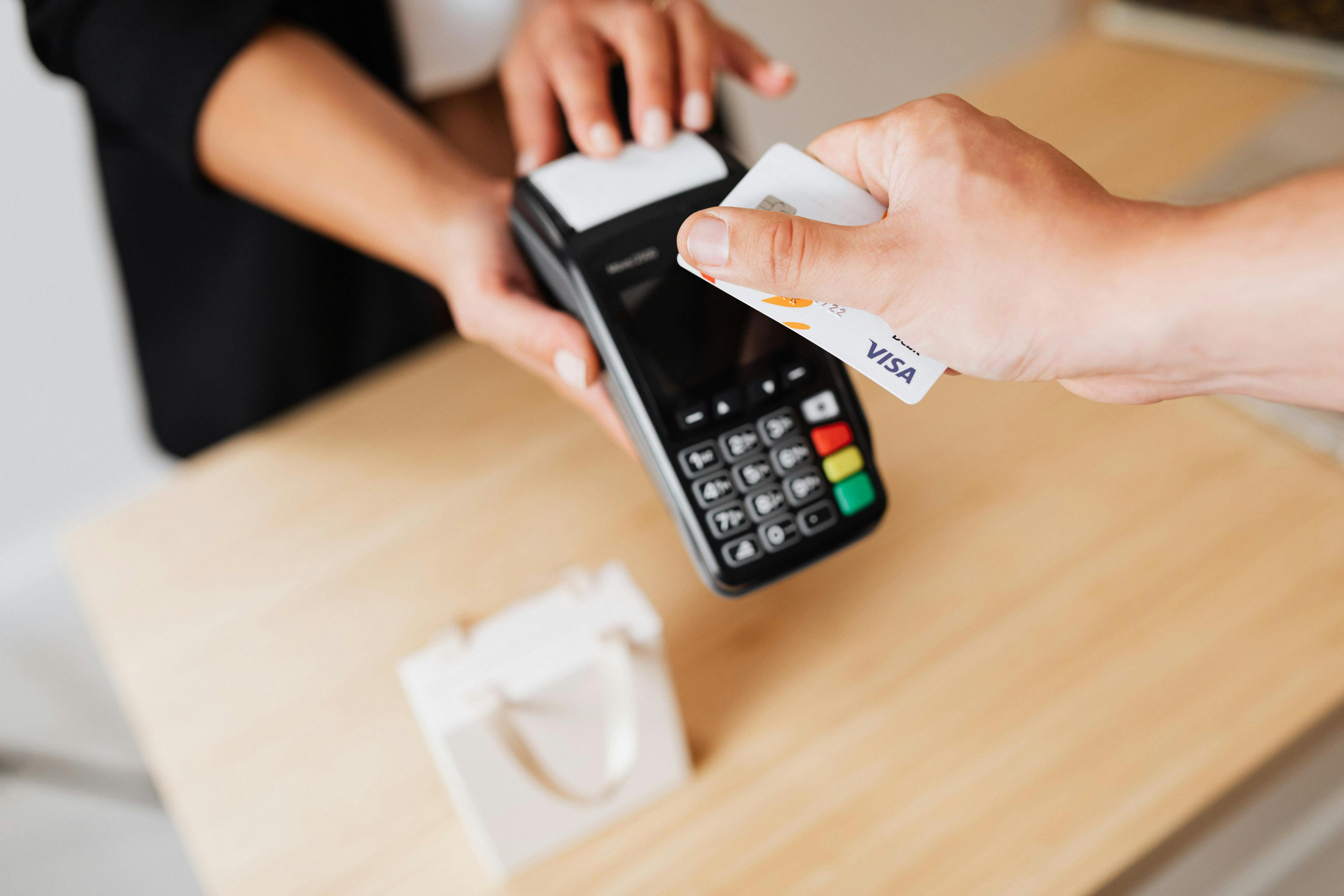
If you accidentally drive through a Hi-Pass lane without a working device, don't reverse or stop. Continue driving—the system photographs your plate and the rental company will bill you, usually with a small administrative fee. Reversing inside a toll plaza is illegal in Korea and is one of the few situations that almost always triggers a police call.
Cash and card lanes also tend to move faster than you'd expect. Korean tollbooth staff are trained for high throughput and usually finish each transaction in under 10 seconds. The biggest delay is fumbling for cash; have your wallet open and your card ready before you reach the window. Receipts print automatically—you don't need to ask.
- Cash: Korean won only; small bills appreciated
- Cards: Visa, Mastercard, JCB, UnionPay accepted at most booths
- Missed payment: Pay within 15 days online at ex.co.kr to avoid a late fee
- Lost entry ticket: You'll be charged the maximum fare on that route
Sample Toll Costs for Popular Routes
Tolls vary by distance and vehicle class. These rough estimates assume a standard passenger car (class 1) with Hi-Pass, one-way, during regular hours.
| Route | Distance | Approx. Hi-Pass Toll | Drive Time |
|---|---|---|---|
| Seoul → Busan (Gyeongbu Expwy) | ~390 km | 22,800 KRW | ~4.5 hrs |
| Seoul → Gangneung (Yeongdong Expwy) | ~230 km | 11,500 KRW | ~2.5 hrs |
| Seoul → Daegu | ~290 km | 17,200 KRW | ~3.5 hrs |
| Seoul → Jeonju | ~210 km | 11,800 KRW | ~2.5 hrs |
| Incheon Airport → Seoul (private) | ~50 km | 7,300 KRW | ~1 hr |
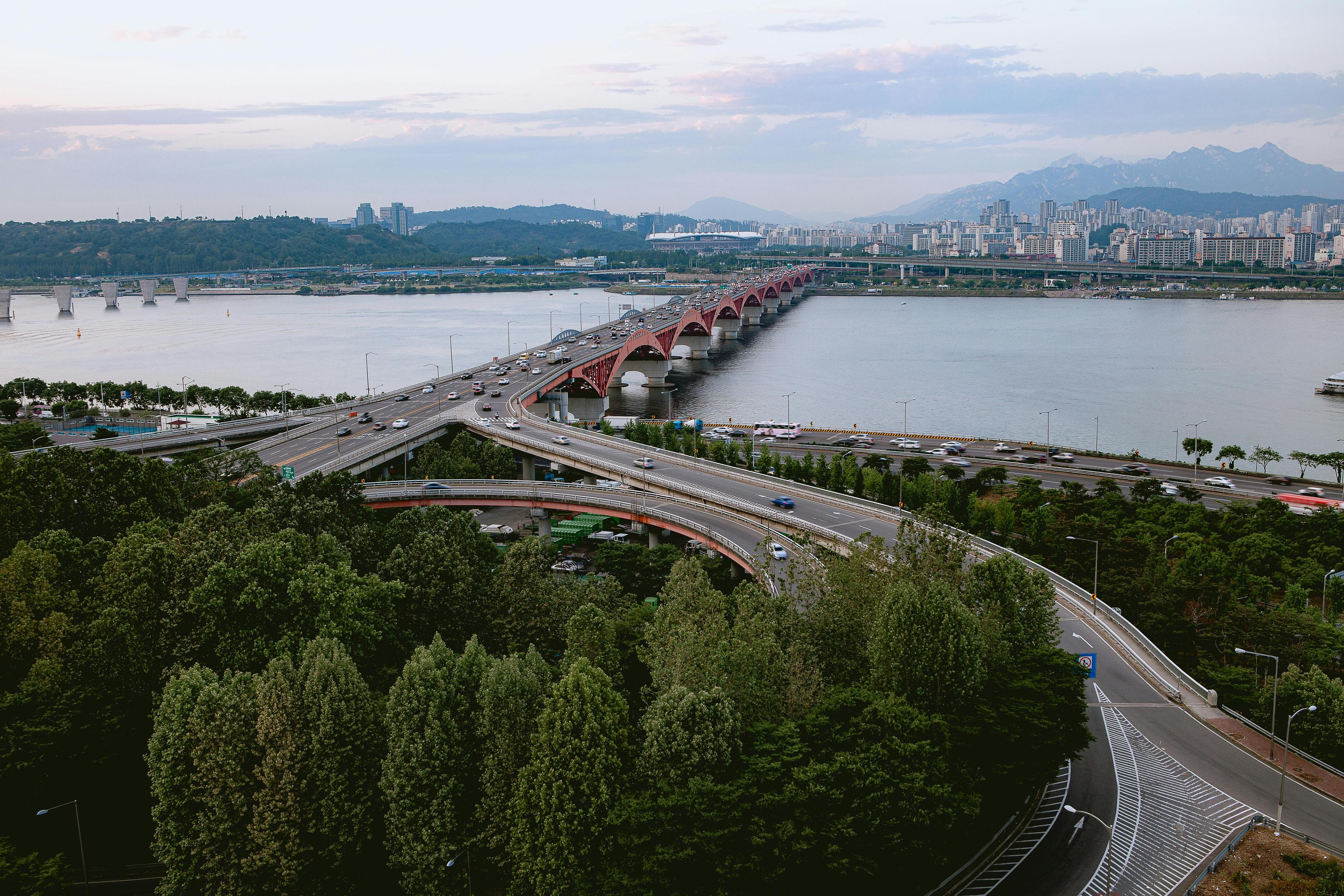
Privately operated routes like the Incheon Airport Expressway and Incheon Bridge charge separately—often 2–3 times the per-km rate of public expressways. Your Hi-Pass works there too; the fee is just higher. The Seoul Outer Ring Expressway (서울외곽순환고속도로) is another mixed-operator route where you may pay multiple smaller tolls instead of one big one.
For a typical 4 to 7 day trip that combines Seoul with one or two regional destinations, budget around 60,000–100,000 KRW in tolls. Solo travelers driving back to the airport at the end of a trip should add another 7,300 KRW for the airport expressway return leg, plus any private bridge fees if you cross the Incheon Bridge or use Gwangan Bridge in Busan.
Quick Tips for Foreign Drivers
- 1Confirm Hi-Pass is active before leaving the lot—ask the agent to show you the device on the windshield.
- 2Look for blue lane signs ahead of every tollgate; green signs are for cash and card.
- 3Slow to 30 km/h or less in Hi-Pass lanes. Speeding triggers a missed read and a manual review.
- 4If the gate doesn't open, the system will photograph your plate and bill the rental company later—don't reverse or stop.
- 5Save tollbooth receipts if you paid in cash; some business travelers need them for expense reports.
FAQ
Frequently Asked Questions
Hi-Pass turns Korea's tollgates from a friction point into a non-event. Pick up your rental car, confirm the device is active, and enjoy the drive.
Share this article
You Might Also Like


Get Travel Inspiration
Subscribe for new stories, route guides, and driving tips delivered to your inbox.