Korea Road Trip Budget: How Much Does Renting a Car Actually Cost?
The question everyone asks before booking a Korea road trip: is it actually affordable? Short answer — yes, especially compared to Japan or Western Europe. But the full cost picture includes more than just the daily rental rate. This guide breaks down every line item — daily rates, fuel, tolls, insurance, and parking — so you can plan your budget before you land.
Korea's expressway network is excellent, gas is cheaper than in Europe, and most road-trip destinations are within a day's drive of each other. The costs add up in predictable ways once you know the numbers.
Daily Rental Rates: What to Expect
Daily rates in Korea depend on the car class, rental company, and how far in advance you book. International companies like Hertz, Avis, and Enterprise operate at Incheon Airport, but local companies — Lotte Rent-a-Car, SK Rent-a-Car, and AJ Rent-a-Car — are often cheaper for the same vehicle class.
- Economy (Hyundai Avante / Kia K3): 40,000–60,000 KRW/day
- Mid-size (Sonata / K5): 60,000–90,000 KRW/day
- SUV (Tucson / Sportage): 80,000–130,000 KRW/day
- Large SUV (Palisade / Sorento): 130,000–200,000 KRW/day
- EV (Ioniq 6 / EV6): 90,000–150,000 KRW/day
Week-long rentals are meaningfully cheaper per day — expect a 15–25% discount versus daily rates. Booking 2–3 weeks out on a platform like Rentalcars.com or directly through a Korean company's website usually gets the best price. Airport pickup adds a small surcharge (typically 10,000–20,000 KRW) at most locations.
Fuel Costs: Filling Up in Korea
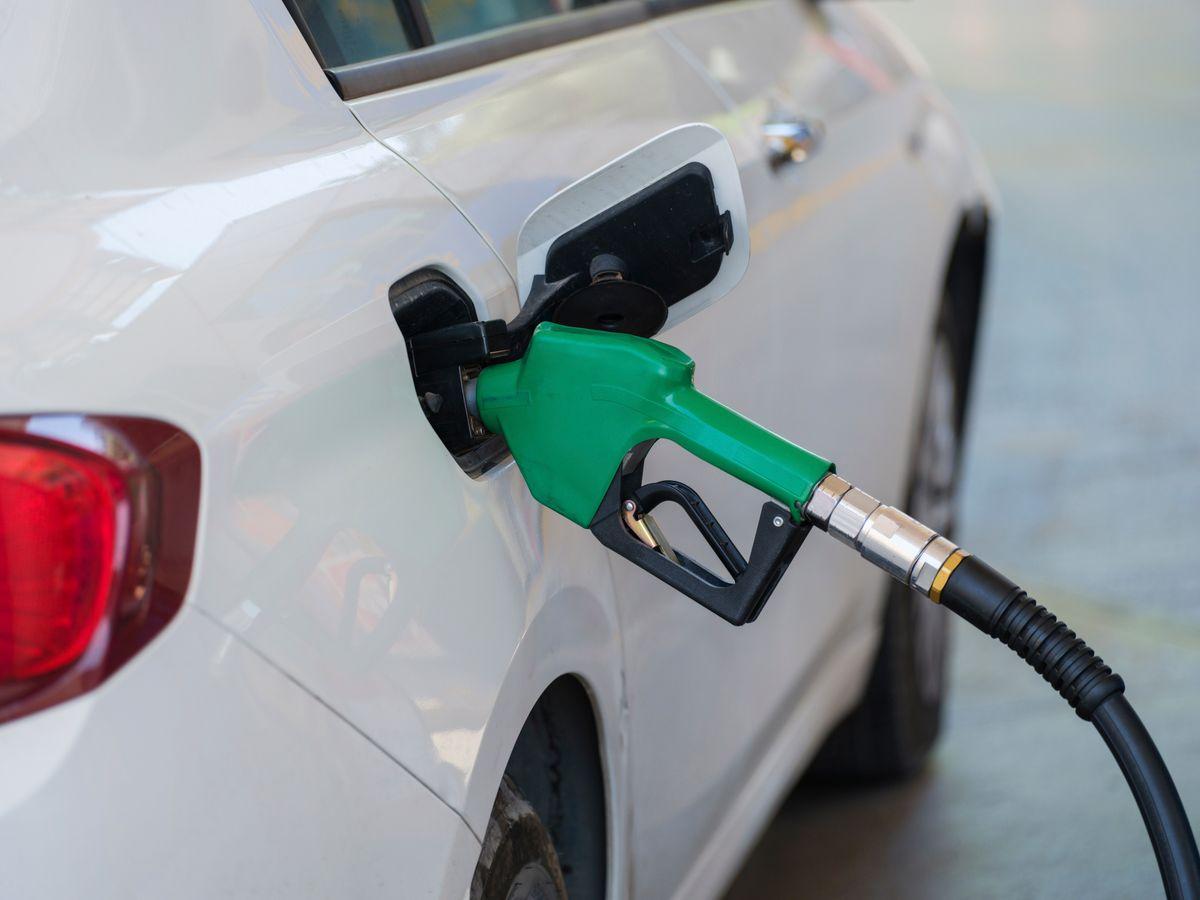
As of mid-2026, regular gasoline (휘발유) costs approximately 1,700–1,850 KRW per liter. Diesel (경유) runs about 1,500–1,650 KRW per liter. Prices fluctuate with global oil markets and are typically a bit lower at highway service areas (휴게소) and high-volume stations on the outskirts of cities.
Most rental cars in Korea run on regular gasoline. EVs are charged using the KEPCO network or fast chargers at highway rest stops — a full charge for a mid-size EV typically costs 8,000–15,000 KRW depending on the charger speed and tariff.
- Gas stations: SK Enclean (주유소), GS Caltex, S-Oil, HD Hyundai Oilbank — all use self-serve pumps with card payment
- Full-service option: Attendant-staffed lanes are still common — tip not expected
- Seoul to Busan (about 430 km): roughly 55–65 liters, ~90,000–115,000 KRW
- Seoul to Gangneung (about 180 km): roughly 23 liters, ~38,000–42,000 KRW
- Jeju loop (about 250 km total): roughly 30 liters, ~50,000–55,000 KRW
Tolls and the Hi-pass System
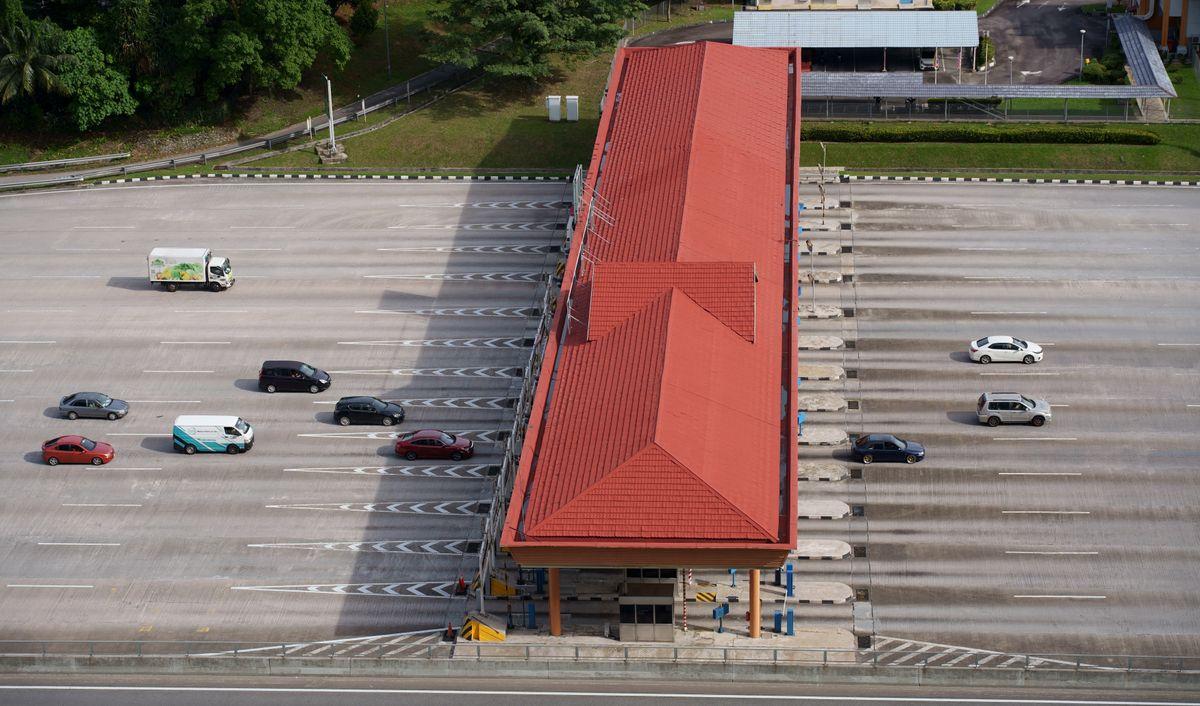
Korea's expressways charge tolls based on distance. Most rental cars come equipped with a Hi-pass (하이패스) transponder — a small device mounted on the windshield that deducts tolls automatically as you pass through dedicated Hi-pass lanes. This is by far the most convenient option and avoids queuing at manual toll booths.
If your rental doesn't include Hi-pass, you'll use cash or card at the manual lanes (일반 차로). Toll fees are reasonable — a one-way Seoul to Busan trip on the Gyeongbu Expressway costs roughly 17,800 KRW for a standard passenger car. Confirm with your rental company whether Hi-pass is included or available as an add-on.
- Seoul → Busan (Gyeongbu Expressway): ~17,800 KRW one way
- Seoul → Gangneung (Yeongdong Expressway): ~11,400 KRW one way
- Seoul → Gyeongju: ~15,000 KRW one way
- Seoul → Jeonju: ~7,000 KRW one way
- Daegu → Busan: ~7,400 KRW one way
- Hi-pass add-on (if not included): typically 5,000–10,000 KRW/day
Parking Costs in Korean Cities
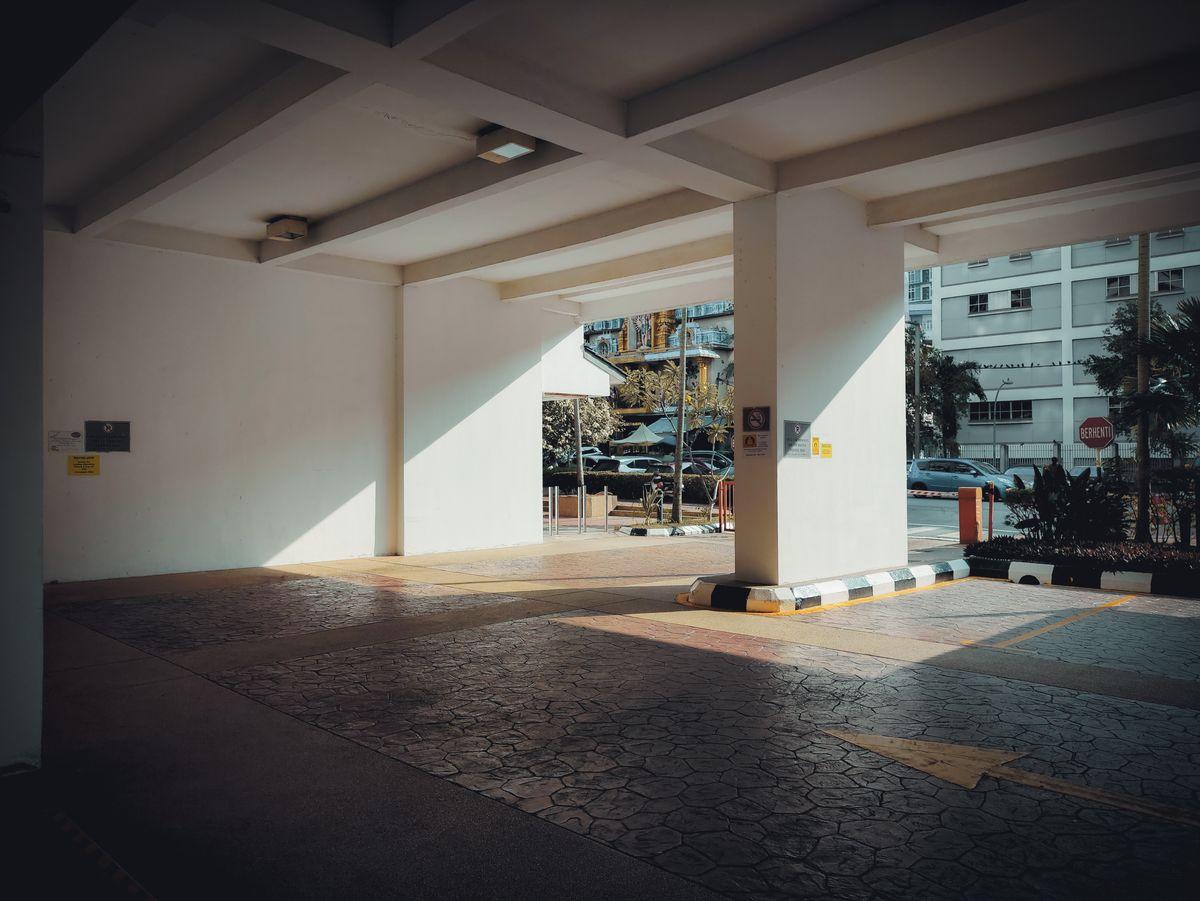
Parking in Korea ranges from completely free (most tourist attractions outside cities, highway rest stops, national parks) to expensive in central Seoul and Busan. Pay parking is generally metered or uses a ticket-based system — you take a ticket on entry and pay at an automated machine before collecting your car.
- Central Seoul / Myeongdong / Gangnam: 3,000–6,000 KRW/30 min; daily cap 30,000–50,000 KRW
- City hotels with parking: 10,000–20,000 KRW/night (many offer free parking for guests)
- Tourist attractions (e.g. Gyeongbokgung, N Seoul Tower): 2,000–3,000 KRW flat or per hour
- Highway rest stops (휴게소): Free
- Rural/national park trailheads: Usually free or 2,000–3,000 KRW flat fee
- Kakao Map shows real-time parking availability and rates — essential for city driving
Outside major cities, parking is rarely a significant cost. The main expense is in Seoul — if your itinerary focuses on countryside or coastal driving, budget very little for parking.
Insurance: Don't Skip It
Korean rental companies offer several insurance tiers. Basic CDW (Collision Damage Waiver) is usually included in the rental price, but it comes with a high deductible — typically 200,000–500,000 KRW for minor damage. Upgrading to full coverage (zero deductible) costs an additional 10,000–30,000 KRW/day depending on the company and car class.
Check whether your credit card includes rental car insurance before paying for extra coverage. Some cards (especially Visa Signature and certain travel cards) cover the deductible portion. If not, the full coverage upgrade is worth it for peace of mind on unfamiliar roads.
Sample Budget: 7-Day Korea Road Trip
- Rental (mid-size, 7 days): ~450,000–550,000 KRW
- Full coverage insurance upgrade: ~140,000–210,000 KRW
- Fuel (Seoul → Busan → Gyeongju → Jeonju → Seoul): ~180,000–220,000 KRW
- Tolls (same route): ~55,000–70,000 KRW
- Parking (2 nights Seoul, 1 Busan, rest rural): ~60,000–90,000 KRW
- Total estimated cost: ~885,000–1,140,000 KRW (~$640–$830 USD)
That works out to roughly 125,000–165,000 KRW per day (~$90–120 USD) all-in for a week of road tripping, which is competitive with train travel once you factor in the added flexibility. Budget travelers can cut 20–30% by choosing economy class and avoiding city-center parking.
FAQ
Frequently Asked Questions
Korea road trips are genuinely good value — the roads are modern, the scenery is diverse, and costs are predictable once you know the numbers. Book early, upgrade your insurance, and download Kakao Map before you land.
Share this article
You Might Also Like


Get Travel Inspiration
Subscribe for new stories, route guides, and driving tips delivered to your inbox.