
Korean Phrases for Foreign Drivers: Essential Words & Signs You Need to Know
Don't let language be a roadblock. Here are the most important Korean words, phrases, and road signs every foreign driver in Korea needs to understand — from gas stations to parking notices to emergency calls.
Renting a car in Korea is straightforward. Reading the signs? That's where things get interesting. Korean roads are well-maintained and well-marked, but most signage is in Korean only — and a few misunderstood words at a gas station or toll booth can mean unnecessary stress. This guide covers the essential phrases and signs you'll actually encounter.
You don't need to learn Korean to drive here. You need to recognize about 30 key words. By the end of this guide, you'll be able to handle gas stations, parking lots, navigation prompts, and roadside emergencies with confidence.
Korean Road Signs Explained
Korea uses international road sign shapes and colors, so the visual logic is familiar. A red circle means prohibition. A blue circle means obligation. A triangular yellow sign is a warning. The critical piece is reading the Korean text that tells you what is prohibited, required, or warned about.
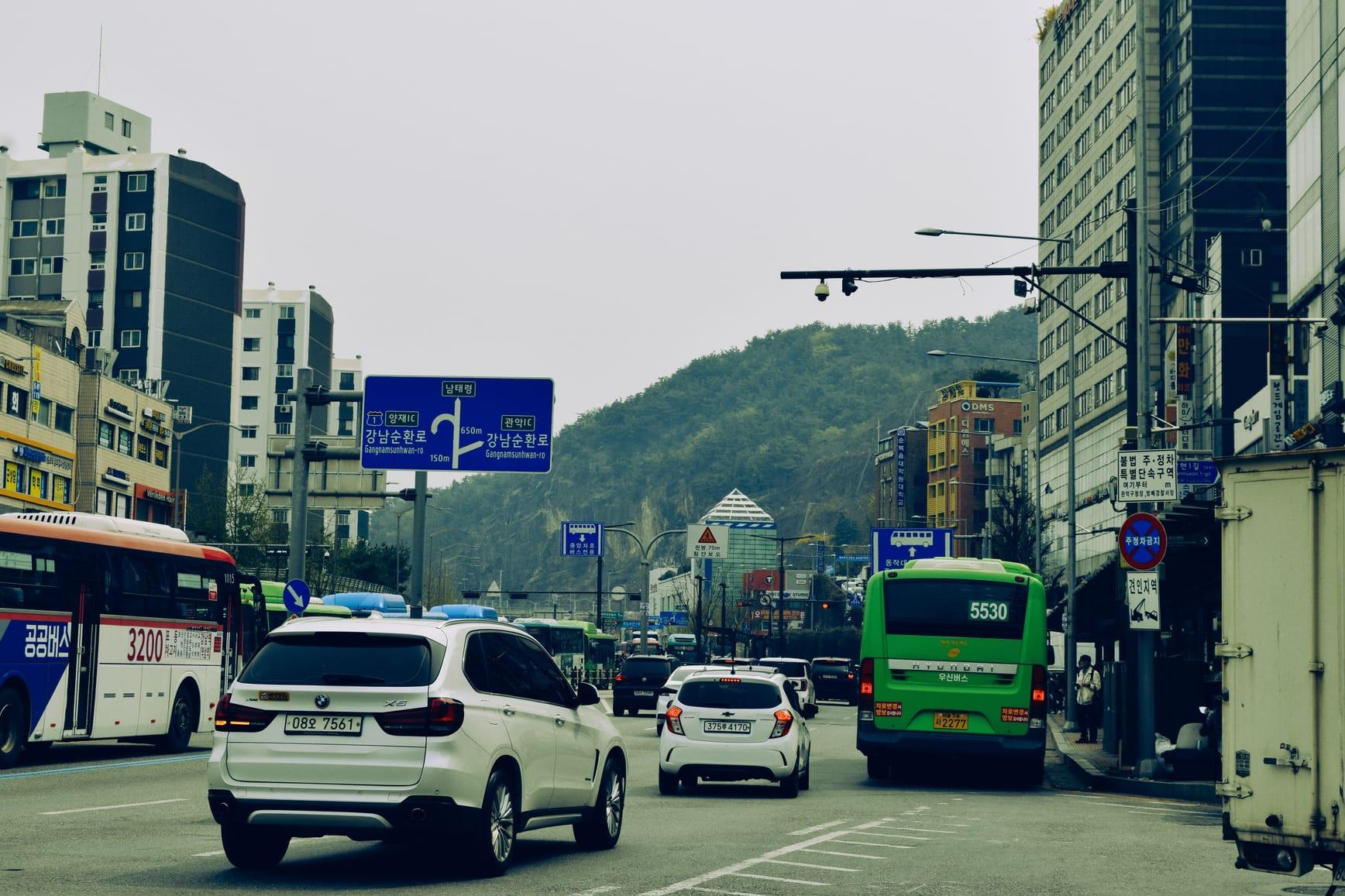 Korean roads follow international sign conventions — the text tells you the specificsPhoto: Honggrider Rock / Pexels
These are the Korean words you'll see on signs most often:
- 정지 (Jeongji) — Stop. Often on red octagonal signs, same as English STOP
- 주차 금지 (Jucha Gumji) — No Parking. You'll see this everywhere in cities
- 속도 제한 (Sokdo Jehan) — Speed Limit. Usually accompanied by the number in km/h
- 일방통행 (Ilbang Tonghaeng) — One Way. Look for the arrow direction
- 공사 중 (Gongsa Jing) — Road Work / Under Construction. Slow down
- 과속 금지 (Gwasok Gumji) — No Speeding. Common near school zones
- 진입 금지 (Jinip Gumji) — No Entry. Do not enter this road
- 유턴 금지 (Yu-teun Gumji) — No U-Turn
- 주차장 (Juchajang) — Parking Lot. Look for this when searching for parking
- 출구 (Chulgu) — Exit. Essential in underground parking garages
- 입구 (Ipgu) — Entrance
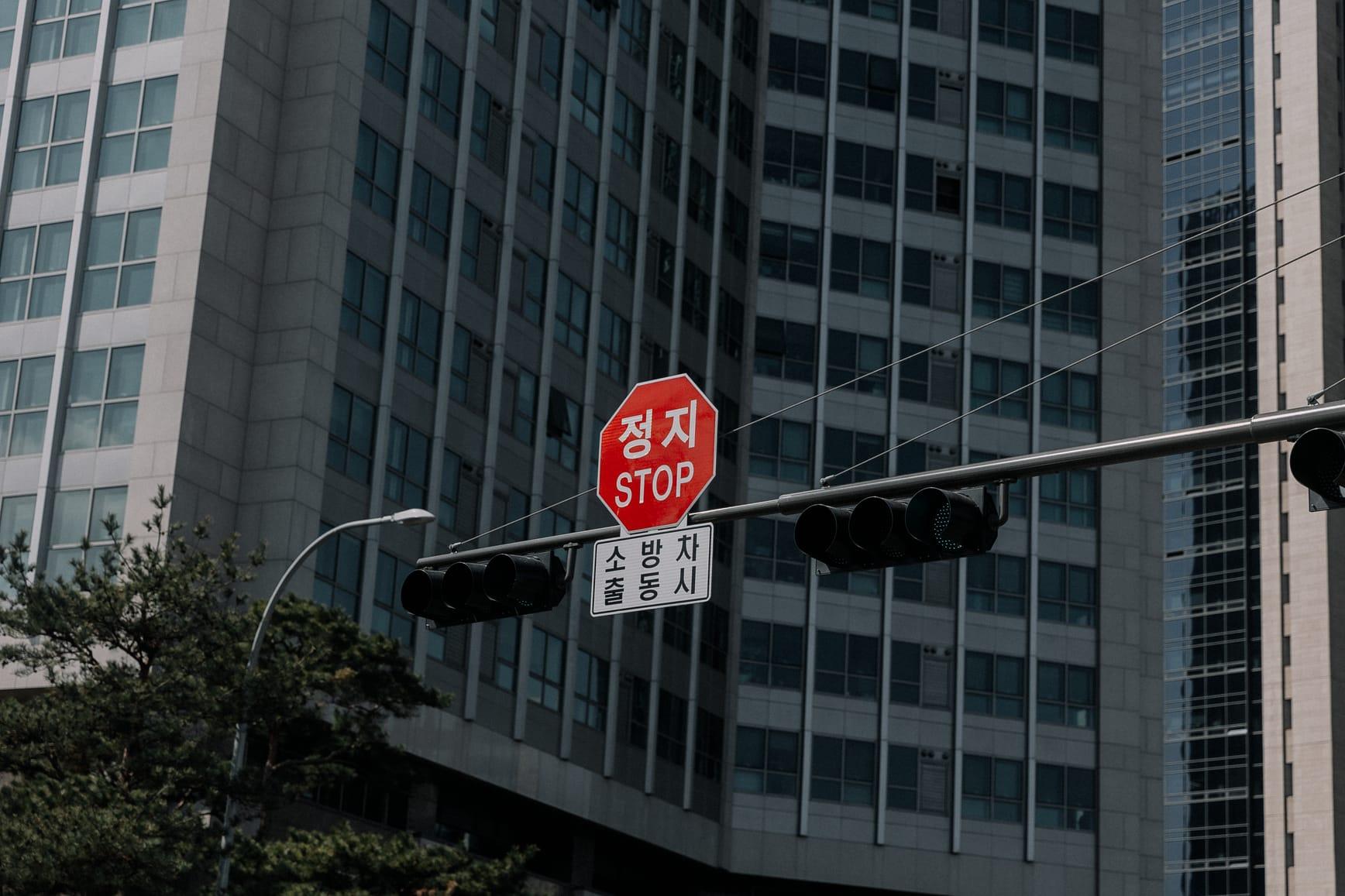 The red octagonal STOP sign also displays 정지 (jeongji) — stop — in KoreanPhoto: Elina Volkova / Pexels
Gas Station Phrases
Korean gas stations (주유소, juyuso) are widely available along all major routes. Most have self-service pumps, though attendant-service stations still exist. The hardest part for foreigners is selecting the right fuel type and understanding the payment terminal.
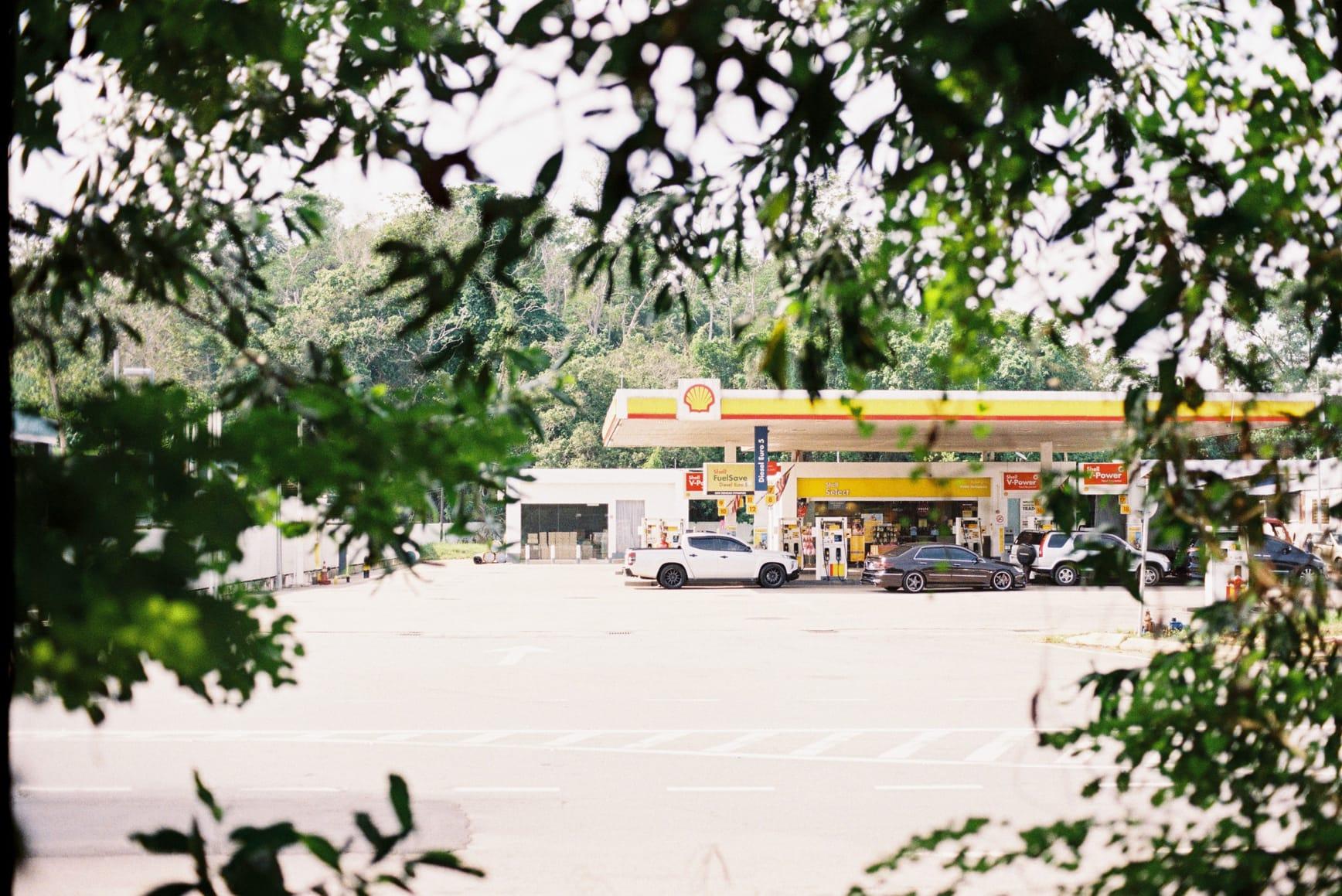 Most Korean gas stations offer self-service pumps — knowing the key terms makes it easyPhoto: Din Aziz / Pexels
At the pump, you'll see these fuel type buttons:
- 휘발유 (Hwibalyu) — Gasoline / Petrol. Most rental cars use this
- 경유 (Gyeongyu) — Diesel. SUVs and trucks often use diesel — check your rental agreement
- LPG — Liquid Petroleum Gas. Taxis often use this; rental cars rarely do
- 고급 휘발유 (Gog-geup Hwibalyu) — Premium Gasoline
At a self-service pump, insert your card, select your fuel type, then fill up. After pumping, the receipt (영수증, yeongsujeung) prints automatically. If you're confused, staff at GS칼텍스, SK에너지, S-Oil, and 현대오일뱅크 stations are used to helping tourists — just point to your rental car's fuel cap.
- 주유 (Juyu) — To fill with fuel / refueling
- 만원어치 (Manwon-eochi) — Worth 10,000 KRW (say this to an attendant to get a specific amount)
- 가득 (Gadeuk) — Full (as in 'fill it up')
- 영수증 (Yeongsujeung) — Receipt
- 화장실 (Hwajangsil) — Restroom / Toilet
- 편의점 (Pyeonuijeom) — Convenience store (often inside the gas station)
Parking Signs & Notices
Urban parking in Korea can be confusing even for locals. Paid lots (유료 주차장), free lots (무료 주차장), and restricted zones are all common. The key is being able to read the posted notices before leaving your car.
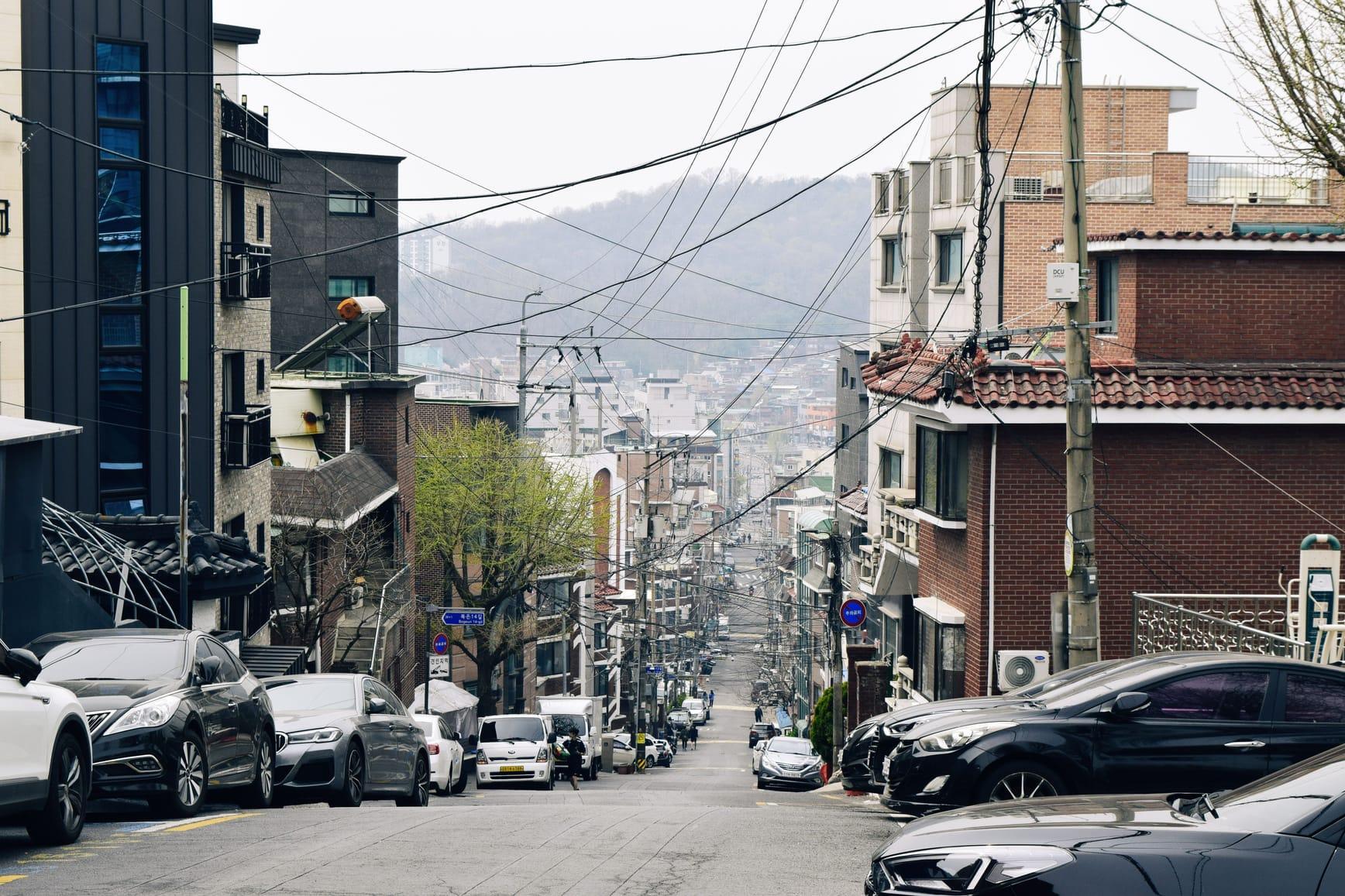 Street parking in Seoul is heavily regulated — learn the key terms before you parkPhoto: Honggrider Rock / Pexels
- 주차 가능 (Jucha Ganeung) — Parking allowed
- 주차 금지 (Jucha Gumji) — No parking
- 견인 지역 (Gyeonin Jiyeok) — Tow-away zone. If you see this, do not park here
- 유료 주차장 (Yuryo Juchajang) — Paid parking lot
- 무료 주차장 (Muryo Juchajang) — Free parking lot
- 주차 요금 (Jucha Yogeum) — Parking fee
- 정기권 전용 (Jeonggigwon Jeonyong) — Monthly pass holders only
- 장애인 전용 (Jangaein Jeonyong) — Disabled parking only
- 출차 시 요금 정산 (Chulcha si Yogeum Jeongsan) — Pay at exit
Underground parking lots in Korea use automated number plate recognition. When you enter, a camera reads your plate. When you exit, you pay at a kiosk (정산기, jeongsangi) before returning to your car. Credit cards are universally accepted.
Navigation & Toll Terms
Most foreign drivers use Naver Maps or Kakao Maps with the display language set to English. However, GPS voice prompts and on-screen labels may default to Korean. Here are the key navigation terms you'll encounter:
- 우회전 (Uhoejeon) — Turn right
- 좌회전 (Jwaoejeon) — Turn left
- 직진 (Jikjin) — Go straight
- 유턴 (Yu-teun) — U-turn
- 고속도로 (Gosokdoro) — Expressway / Highway
- 국도 (Gukdo) — National road (slower, no tolls)
- 톨게이트 (Tolgeito) — Toll gate
- 하이패스 (Hi-Pass) — Korea's electronic toll payment system
- 나들목 (Nadeulmok) — Expressway interchange / on-ramp
- 졸음 쉼터 (Joreum Swimteo) — Rest area for drowsy drivers (free, no services)
- 휴게소 (Hyugeso) — Service area (restaurants, fuel, toilets)
- 목적지 (Mokjeokji) — Destination
- 경로 재탐색 (Gyeongno Jaetamsaek) — Route recalculation (you'll hear this when you miss a turn)
Emergency Phrases for Drivers
In an emergency, Korean authorities are responsive and efficient. You don't need fluent Korean — calling the right number and saying a few key words is enough to get help.
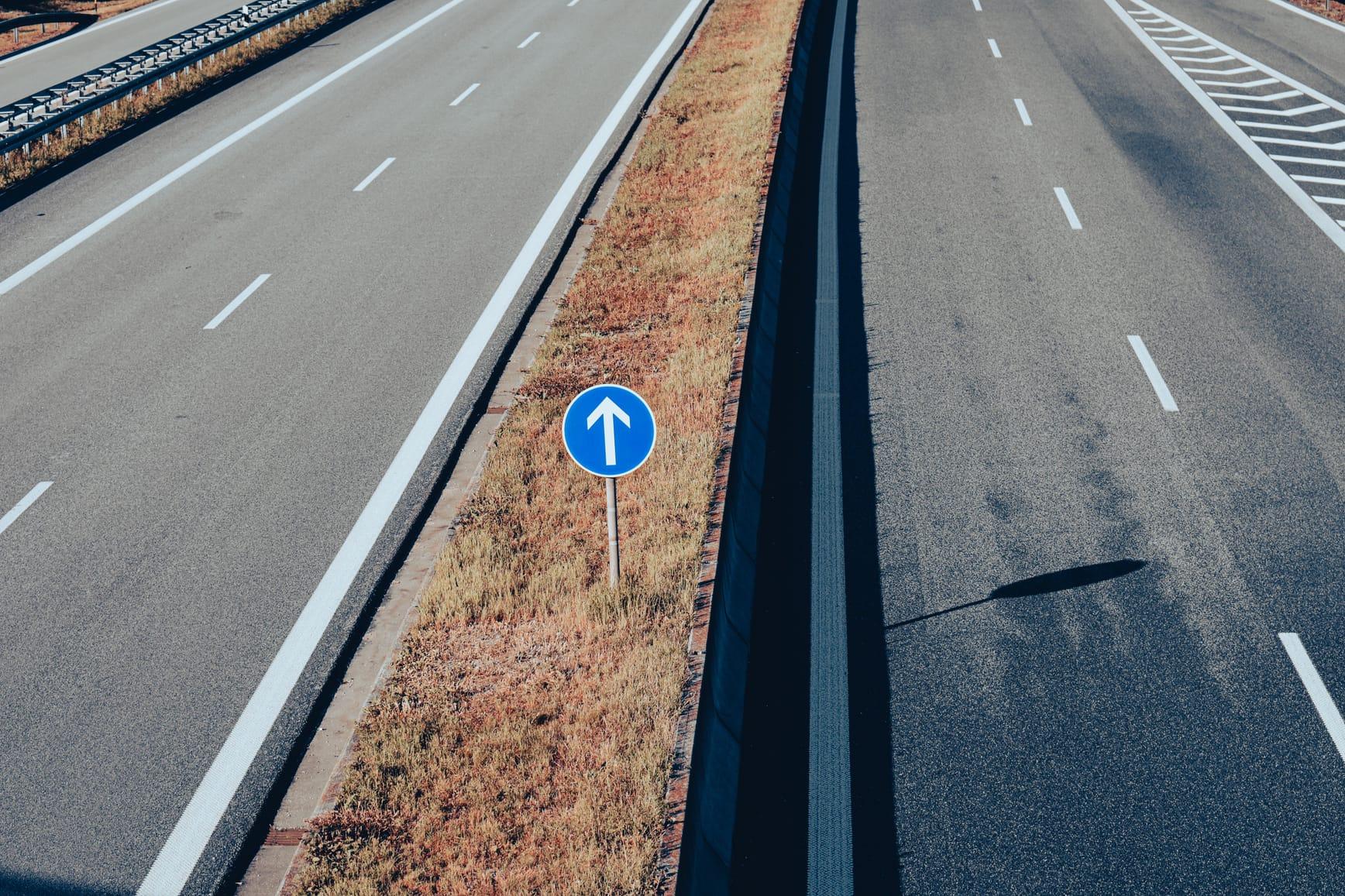 On Korean expressways, emergency call boxes appear every 1 km and connect directly to the highway authorityPhoto: Alexas Fotos / Pexels
- 112 — Police emergency (accidents, traffic incidents)
- 119 — Fire and ambulance (medical emergencies)
- 1588-2504 — Korea Expressway Corporation (breakdowns on highways)
- 1330 — Korea Tourism Helpline (English, Chinese, Japanese, available 24/7)
When calling 112 or 119, say: '사고났어요' (sagyo nasseoyo) — 'There's been an accident.' Then state your location. Your GPS or the nearest kilometer marker post (km 표지판) gives your exact position on the highway. On city roads, name the nearest intersection or landmark.
- 사고 (Sago) — Accident
- 고장 (Gojang) — Breakdown
- 구급차 (Gugeucha) — Ambulance
- 견인차 (Gyeonincha) — Tow truck
- 여기 (Yeogi) — Here / This location
- 도와주세요 (Dowajuseyo) — Please help me
- 외국인 (Oegungin) — Foreigner (useful to say so they know to send an English speaker)
Quick Reference Cheat Sheet
Screenshot this list and keep it accessible in your car:
- 휘발유 = Gasoline | 경유 = Diesel — Always double-check before pumping
- 주차 금지 = No Parking | 견인 지역 = Tow-away zone — Non-negotiable
- 고속도로 = Expressway | 휴게소 = Service Area — Plan your rest stops here
- 112 = Police | 119 = Ambulance | 1330 = English Tourism Helpline
- 도와주세요 = Please help me — The most important phrase if things go wrong
FAQ
A few dozen words and phrases are all it takes to navigate Korean roads with confidence. Bookmark this guide, screenshot the cheat sheet, and you'll handle gas stations, parking, and emergencies without breaking a sweat. Enjoy the drive.


You Might Also Like
First-Time Driving in Korea: Everything You Need
A complete beginner's guide to renting a car and navigating Korean roads with confidence.
Korea Emergency Guide for Drivers: Accidents, Breakdowns & Medical Help
What to do when things go wrong on Korean roads — from fender benders to engine failures. Emergency numbers, step-by-step accident procedures, and how to get help as a foreign driver.
Hi-Pass Guide: Korea Expressway Tolls Explained
Skip the toll-booth queue with Hi-Pass. Here's how Korea's electronic toll system works, what foreigners pay, and how to set it up with a rental car.
Korean Parking Guide for Foreigners: Everything You Need to Know
Navigate Korea's unique parking systems, avoid getting trapped in garages, understand road markings, and learn the local parking culture that surprises most visitors.