
Speed Cameras in Korea: The Complete Foreigner's Guide to Not Getting Fined
Korea has three types of speed cameras that catch tourists off guard. Here's exactly how they work, the fines you'll face, and the navigation tricks locals use.
Korean speed cameras operate differently than most countries. There are three types you need to know about, fines that double in school zones, and a 10 km/h buffer that isn't always reliable. Most importantly, your rental company will charge your credit card for any violations weeks after you've left Korea. Here's everything you need to avoid those surprise charges.
The Three Types of Speed Cameras
1. Fixed Cameras (고정식 카메라)
These are the yellow boxes mounted on poles that you'll see on highways and major roads. They capture your speed at a single point. Simple enough. Korean navigation apps like Naver Map and Kakao Map alert you 300-500 meters before each one with audio warnings.
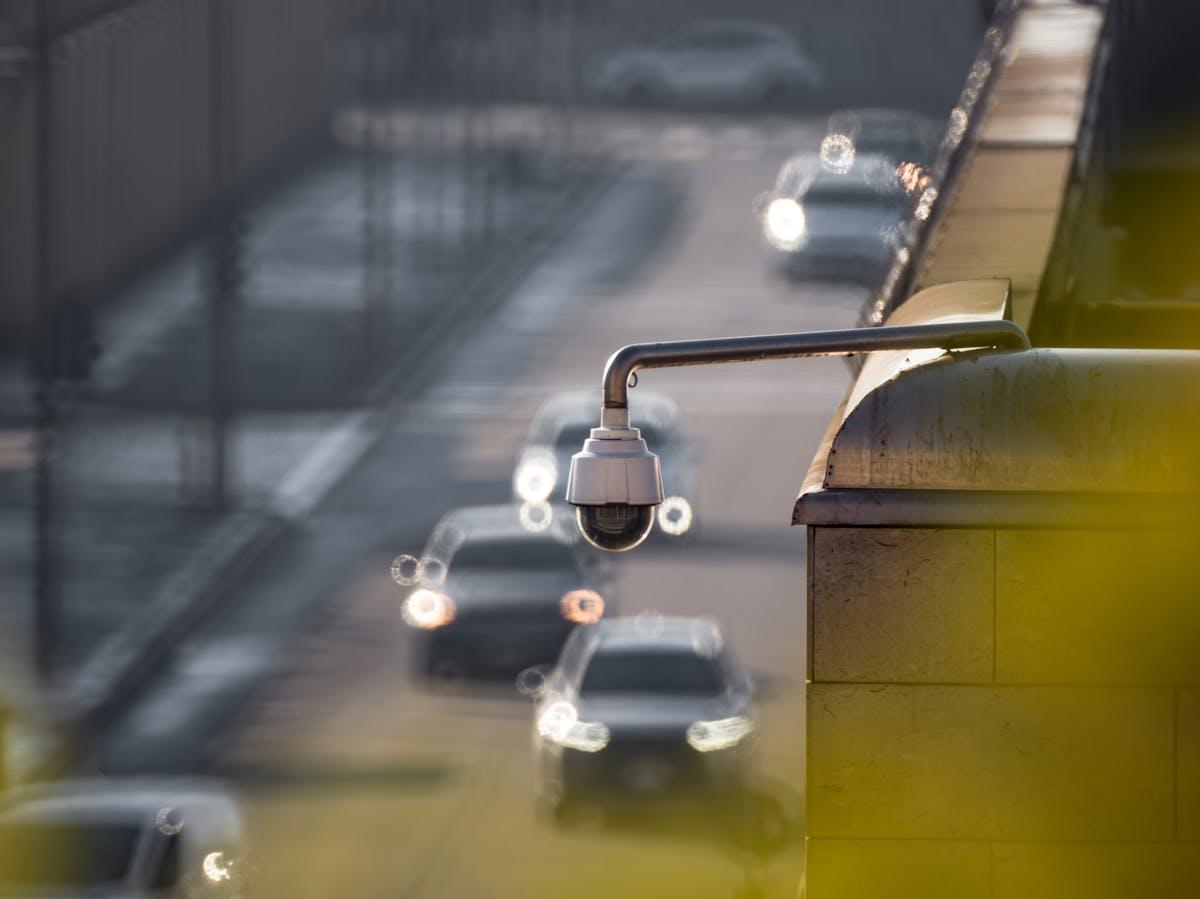 Fixed speed cameras are positioned throughout Korean highways and urban roadsPhoto: tommy picone / Pexels
2. Section/Average Speed Cameras (구간단속)
This is where foreigners get caught. Section enforcement (구간단속) calculates your average speed over a distance, typically 1-10 km. Cameras photograph your license plate at the entry and exit points, then calculate how long it took you to travel between them. If your average speed exceeds the limit, you're caught.
Section cameras also measure your instantaneous speed at both the entry and exit points. So you're actually being checked three ways: entry speed, exit speed, and average speed. Whichever violation is highest determines your fine.
3. Mobile Cameras (이동식 카메라)
Police set up temporary speed traps using portable cameras, usually in accident-prone areas or during holiday traffic enforcement periods. These don't appear in navigation apps in real-time, though popular locations eventually get added. They're less common but can catch you off guard.
Speed Limits You Need to Know
Korean speed limits vary significantly by road type. Here's the breakdown:
Expressways (고속도로): 100-110 km/h, some sections 80 km/h. National highways: 60-80 km/h. Urban roads: 50-60 km/h. Residential areas: 30-50 km/h. School zones (어린이 보호구역): 30 km/h maximum.
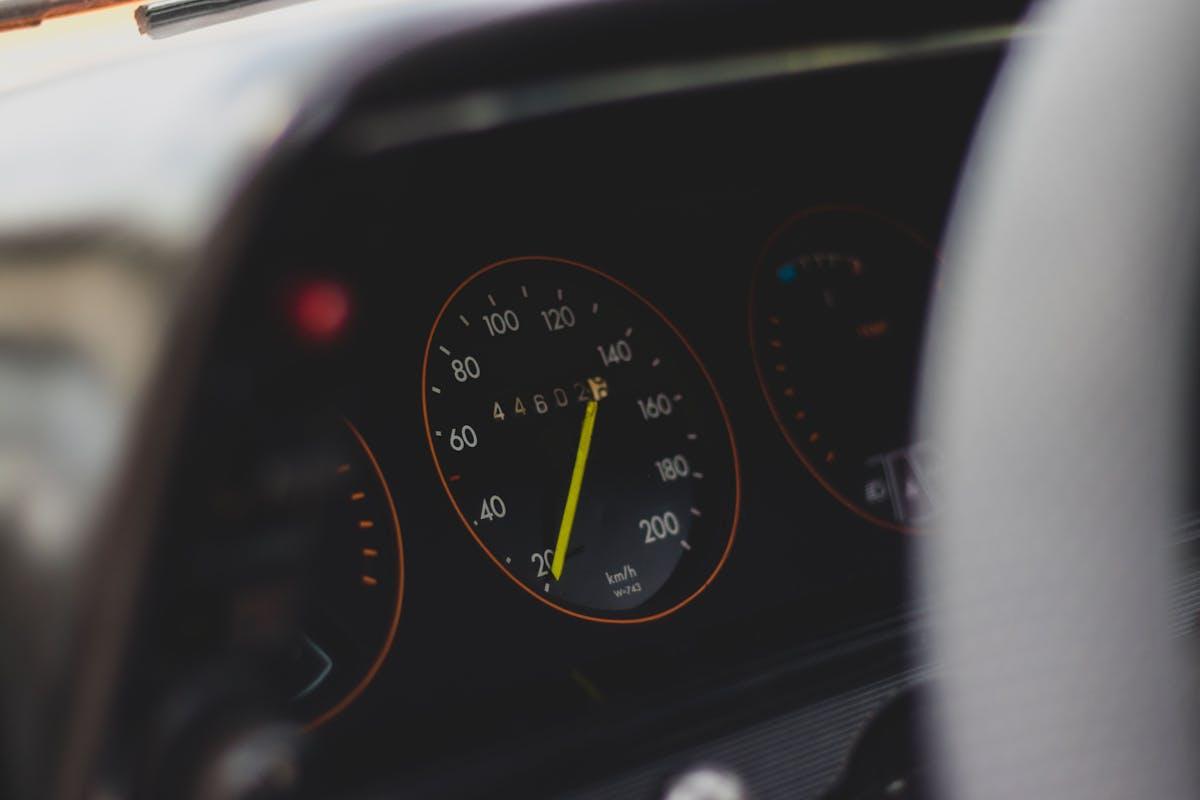 Keep your speedometer in check, especially in variable speed limit zonesPhoto: Luca Istrate / Pexels
The 10 km/h Buffer: What's Actually True
Korean police officially account for equipment error margins. In practice, this means you typically won't be fined unless you exceed the limit by more than 10 km/h. On a 100 km/h highway, cameras usually trigger at 111 km/h or above.
School Zones: Where Fines Double
School zones (어린이 보호구역) are marked with bright yellow roads, signs, and often speed bumps. The speed limit is 30 km/h, and enforcement is strict. Fines are doubled, and the margin of error is minimal. Some drivers have reported being caught at 32-33 km/h.
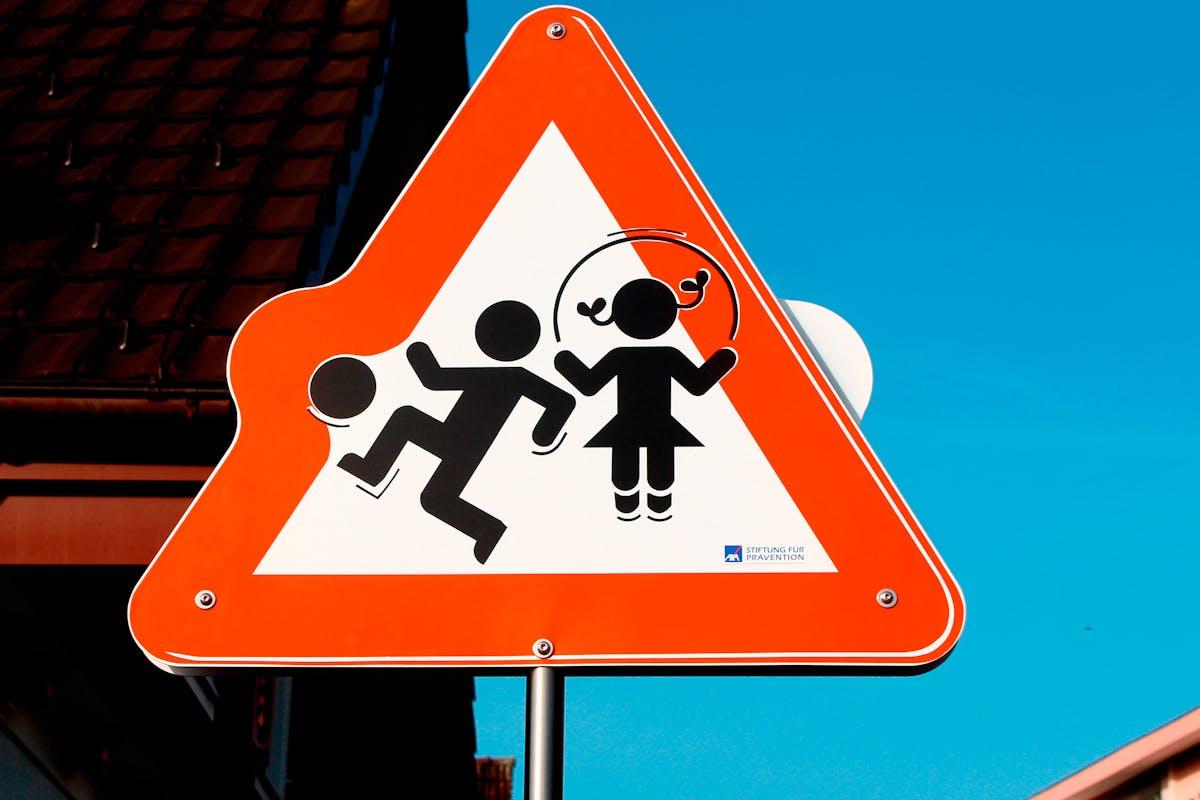 School zones in Korea have strict 30 km/h limits with doubled finesPhoto: Roly Vasquez / Pexels
School zone enforcement hours are typically 8 AM to 8 PM, but some zones operate 24/7. When in doubt, assume the 30 km/h limit applies. One foreign driver reported receiving 10 separate tickets from unknowingly commuting through a school zone daily.
Fine Structure (2025-2026)
Korean speeding fines increase with the severity of the violation. For passenger vehicles:
1-20 km/h over: ₩40,000 (about $30 USD). 20-40 km/h over: ₩70,000 (about $53 USD). 40-60 km/h over: ₩100,000 (about $75 USD). 60-80 km/h over: ₩120,000 (about $90 USD). 80+ km/h over: Criminal charges possible, ₩300,000+ fine.
How Fines Reach You as a Foreigner
When you rent a car in Korea, the violation notice goes to the rental company, not you. Here's the typical process:
1. Camera captures your violation. 2. Notice is mailed to the rental company (the registered vehicle owner). 3. Rental company pays the fine. 4. Your credit card is charged the fine amount plus an administrative fee (usually ₩10,000-30,000). 5. You receive an email or find the charge on your statement weeks later.
This process can take 2-8 weeks after your trip. The rental company has your credit card details from the reservation, so there's no escaping it. Some rental companies charge processing fees on top of the fine.
Your Secret Weapon: Korean Navigation Apps
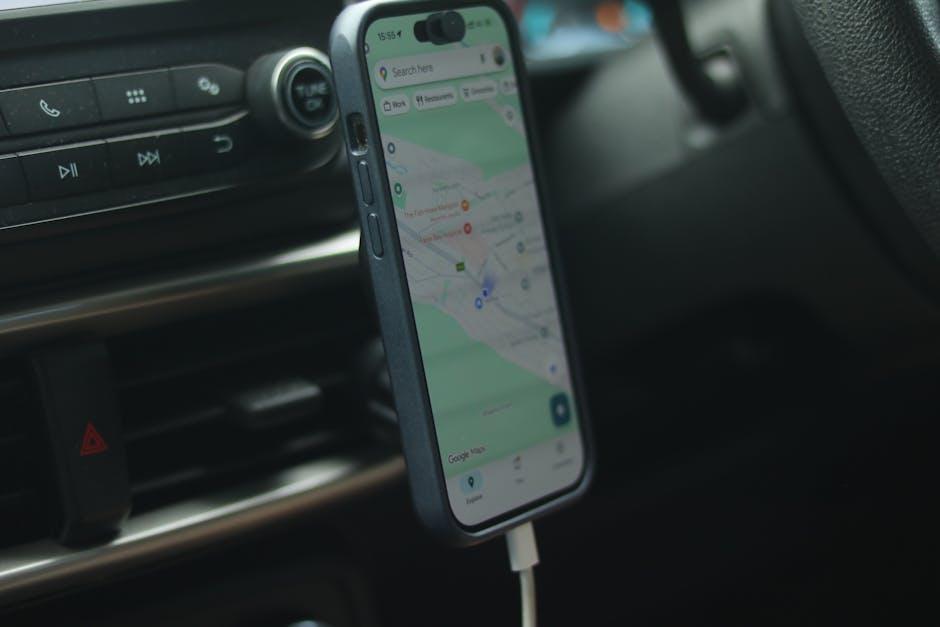
Korean navigation apps provide real-time speed camera alerts that are remarkably accurate. Both Naver Map and Kakao Map offer:
Audio warnings 300-500m before cameras. Visual speed limit display. Current speed vs. limit comparison. Section enforcement (구간단속) countdown showing your average speed and remaining distance. Alerts for school zones, accident-prone areas, and police activity.
 Korean navigation apps provide comprehensive speed camera alertsPhoto: Erik Mclean / Pexels
Practical Tips for Staying Fine-Free
1. Always use Naver Map or Kakao Map with audio on. The camera alerts alone are worth it.
2. Watch for yellow road paint and '어린이 보호구역' signs. Slow to 30 km/h immediately.
3. During section enforcement, maintain steady speed. Speeding then braking doesn't help since your average is calculated.
4. On unfamiliar roads, follow traffic flow but stay within 5 km/h of the limit. Korean drivers know where the cameras are.
5. Pay extra attention during Korean holidays (Chuseok, Seollal). Police increase enforcement and mobile cameras are more common.
Frequently Asked Questions
You Might Also Like
First-Time Driving in Korea: Everything You Need
A complete beginner's guide to renting a car and navigating Korean roads with confidence.
Naver Map vs Kakao Map: Best Navigation for Korea
Google Maps won't navigate in Korea. Here's how Naver Map and Kakao Map compare for driving, transit, and exploring as a foreigner.
EV Charging in Korea: The Foreigner's Survival Guide (2026)
Your foreign credit card won't work at 99% of Korean EV chargers. Here's exactly how to charge your rental EV without getting stranded.