
Damyang Bamboo Forest Drive: Juknokwon by Car (2026 Guide)
Damyang is the bamboo capital of Korea — a quiet county in Jeollanam-do where an entire small town built itself around a 310,000-square-meter bamboo grove called Juknokwon (죽녹원). The forest is most foreign tourists' first reason to come, but the real surprise is what surrounds it: a 2.4 km tunnel of metasequoia trees planted along an old highway, a UNESCO-listed Joseon scholar's garden, and noodle alleys serving daetongbap — rice steamed inside a sealed bamboo tube.
Driving makes this trip work. Damyang sits 270 km south of Seoul and the bamboo sights are spread across a 15 km radius — impossible to do on public transport in a single day. With a rental car you can hit Juknokwon at sunrise, drive the metasequoia avenue at midday, and be eating bamboo-tube rice by 14:00. The greenery peaks between May and July, when the new bamboo shoots are at their most vivid.
Getting to Damyang: The Drive from Seoul or Gwangju
Damyang isn't a hub. The closest major city is Gwangju — just 25 minutes (22 km) away on the Honam Expressway — which is how most road trips work in practice. From Seoul, you have two options: drive the full 270 km straight, or take KTX to Gwangju Songjeong Station (1h 40m) and rent a car there. Both work; the second saves wear on a long highway day.
From Seoul by car, count on 3 hours 15 minutes via the Honam Expressway (E25) in light traffic. Tolls run about 18,500 KRW one-way with Hi-Pass. The route passes through Cheonan, Nonsan, and Iksan before reaching Gwangju — flat farmland for most of the drive, with one decent rest area at Iksan-Pohang Junction for lunch.
- Seoul → Damyang: ~270 km, 3h15m, tolls ~18,500 KRW (Honam Expressway)
- Gwangju Songjeong KTX → Damyang: ~25 km, 30 min via Route 13
- Incheon Airport (ICN) → Damyang: ~310 km, ~3h45m via Seohaean Expressway
- Best drive day: Tuesday-Thursday; weekends are crowded with Gwangju locals
- Rental pickup: Most foreign travelers rent at Gwangju Songjeong KTX Station for the day trip
Juknokwon Bamboo Garden: The Main Event
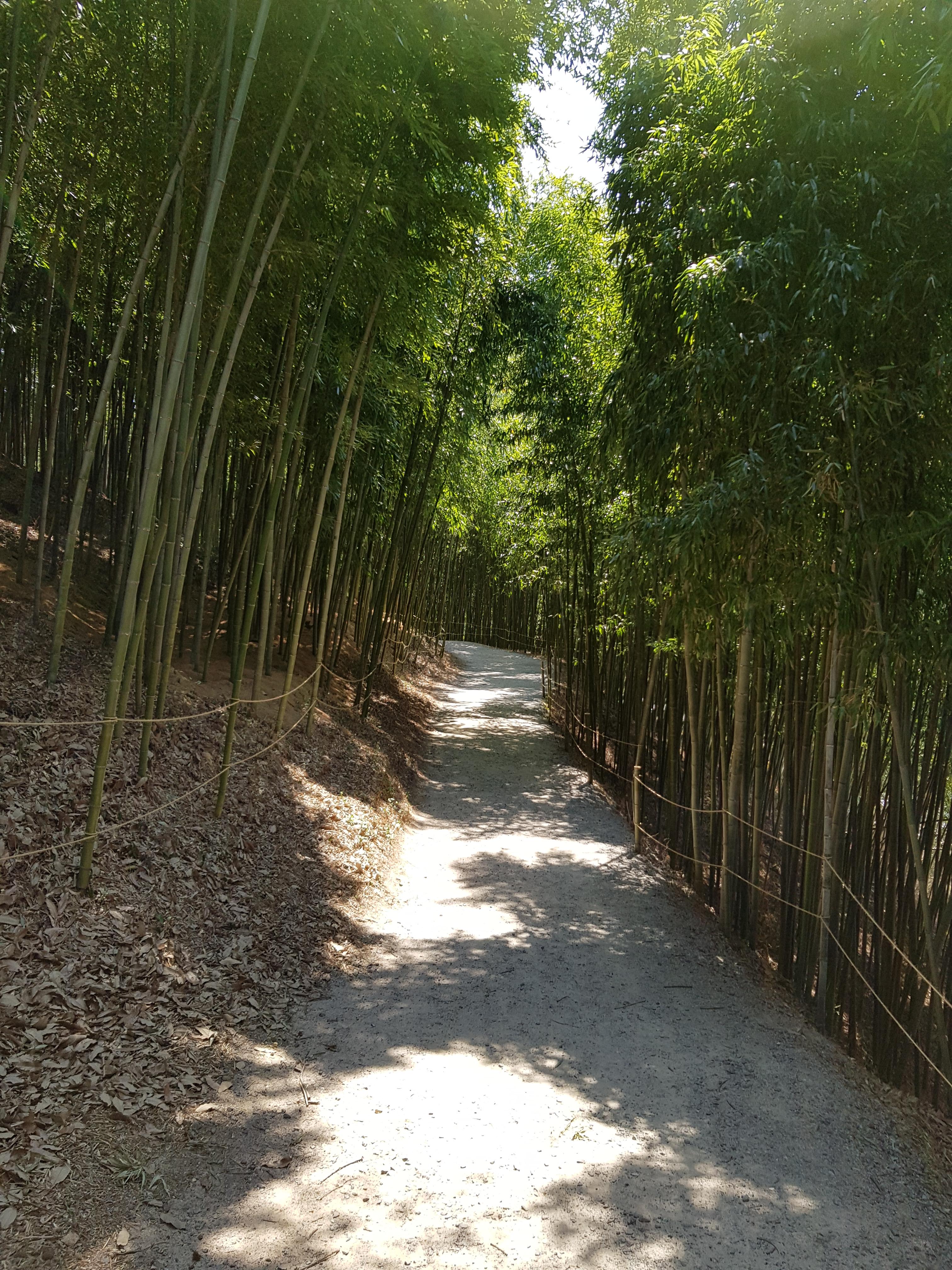
Juknokwon (죽녹원) is what people drive here for. The garden spreads over 310,000 square meters of cultivated bamboo, threaded with eight named walking paths that loop through the grove. The longest, the Path of Meditation, runs about 2.2 km — a slow 40-minute walk where the canopy filters daylight into a pale green glow and the only sound is bamboo creaking against itself in the wind.
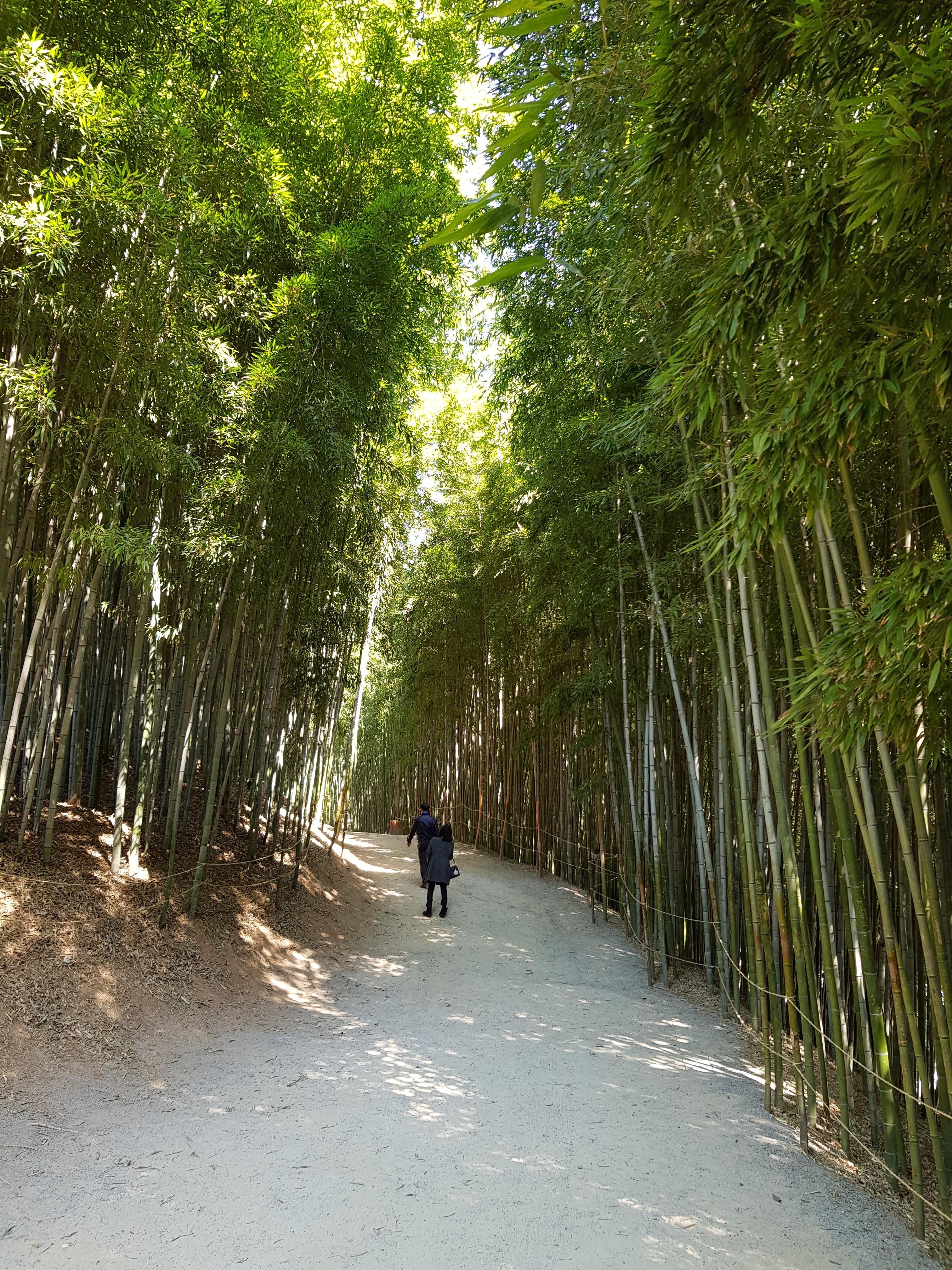
Park at the main lot beside the entrance — paved, large, 2,000 KRW for the day. The ticket office is 30 meters from the lot. Buy your ticket in cash or with a Korean card; foreign cards work at the staffed window but not the self-service machine. Inside, the paths are well-signed in Korean, English, Chinese, and Japanese.
- Hours: 09:00–18:00 (last entry 17:00); 09:00–19:00 in summer
- Entry: 3,000 KRW adults / 1,500 KRW children
- Parking: 2,000 KRW (day rate)
- Best time: 09:00 weekdays — the grove is empty for the first hour
- Plan: 1.5–2 hours to walk the main loops without rushing
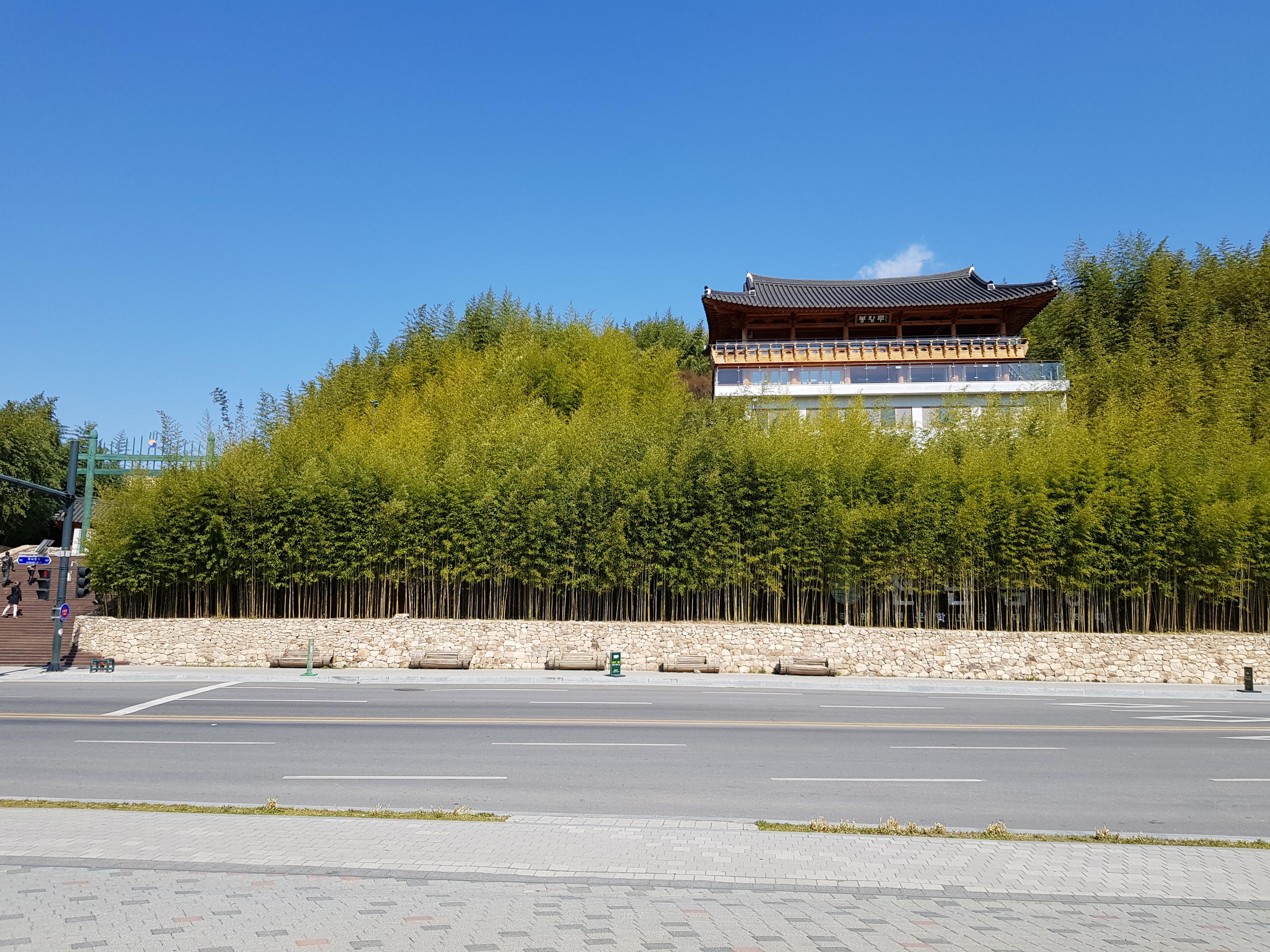
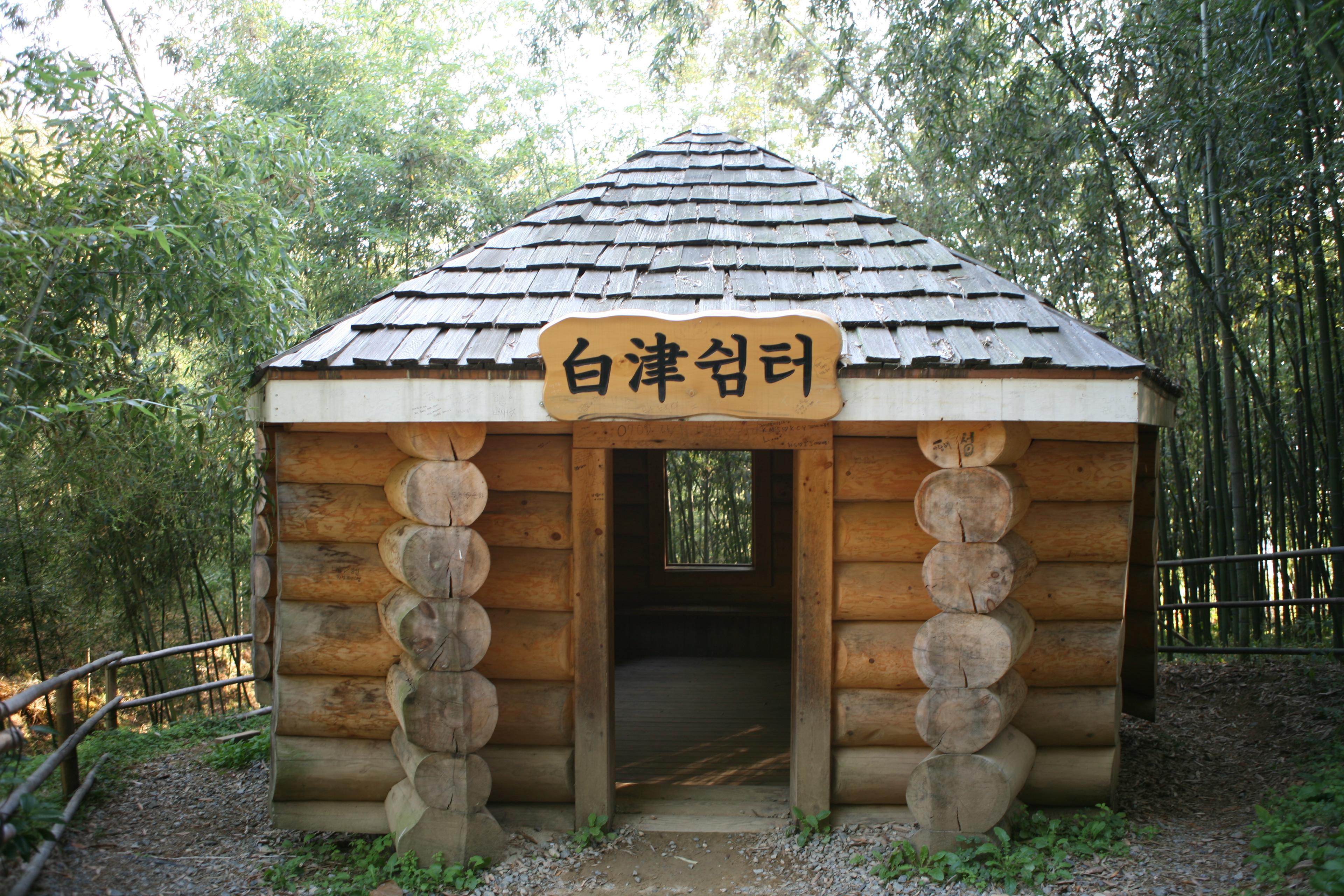
The forest's namesake Panokru Pavilion sits on a rise near the center, with a view back across the Yeongsangang River to Damyang town. There's a small traditional Korean tea house beside it serving bamboo leaf tea (대잎차) for 5,000 KRW — a strong, earthy brew that locals swear by for digestion. Bring a refillable bottle; there are free water stations along the longer paths.
Metasequoia Road: Korea's Most Famous Tree Tunnel
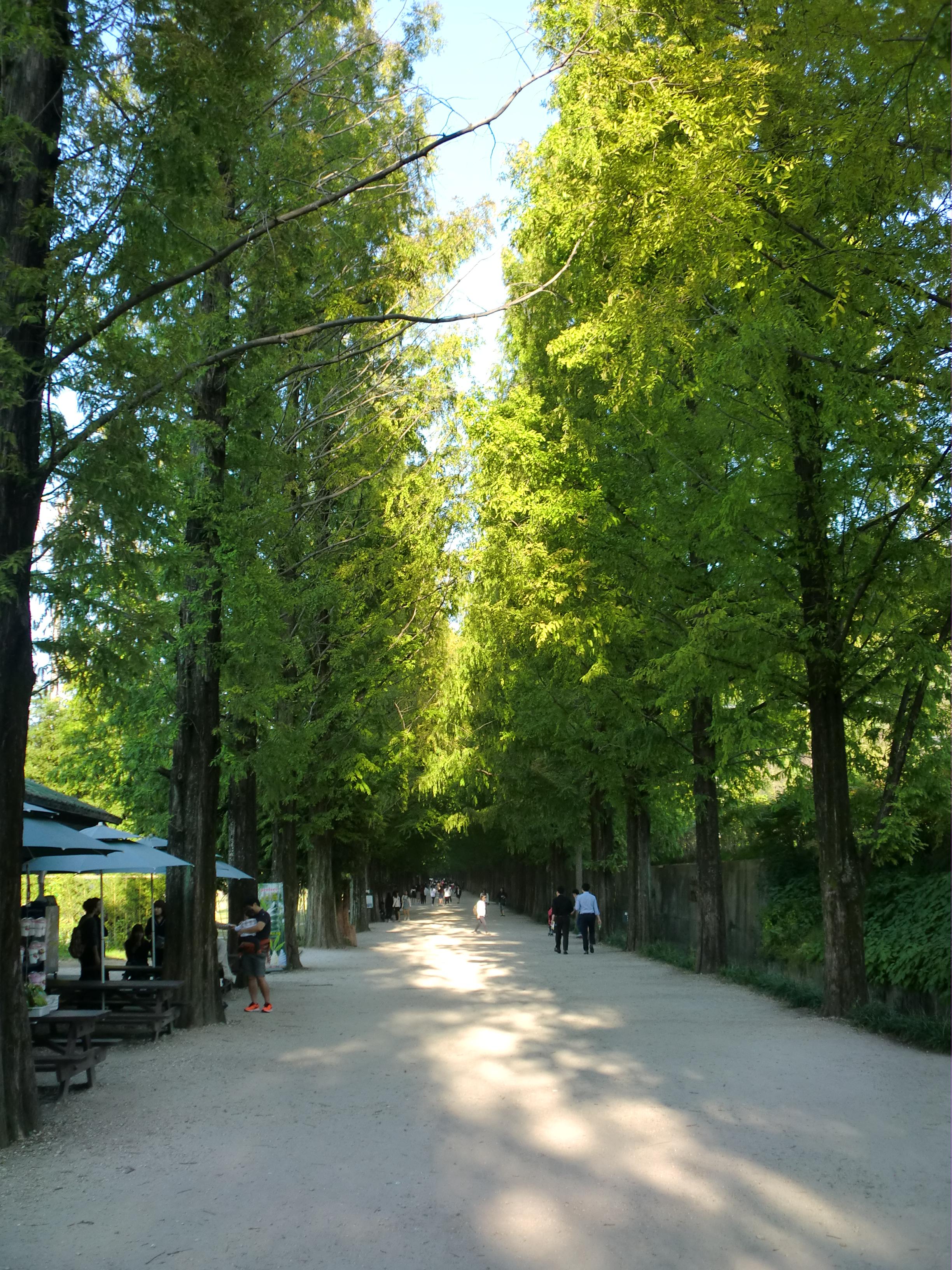
Eight kilometers north of Juknokwon, an old stretch of National Route 24 was bypassed in the 2000s — and the closed two-lane road became something better. Lined with 2,000 metasequoia trees planted in 1972, the Damyang Metasequoia-gil (담양 메타세쿼이아길) is a 2.4 km corridor of impossibly straight, towering conifers. It's been ranked among Korea's most beautiful roads for two decades.
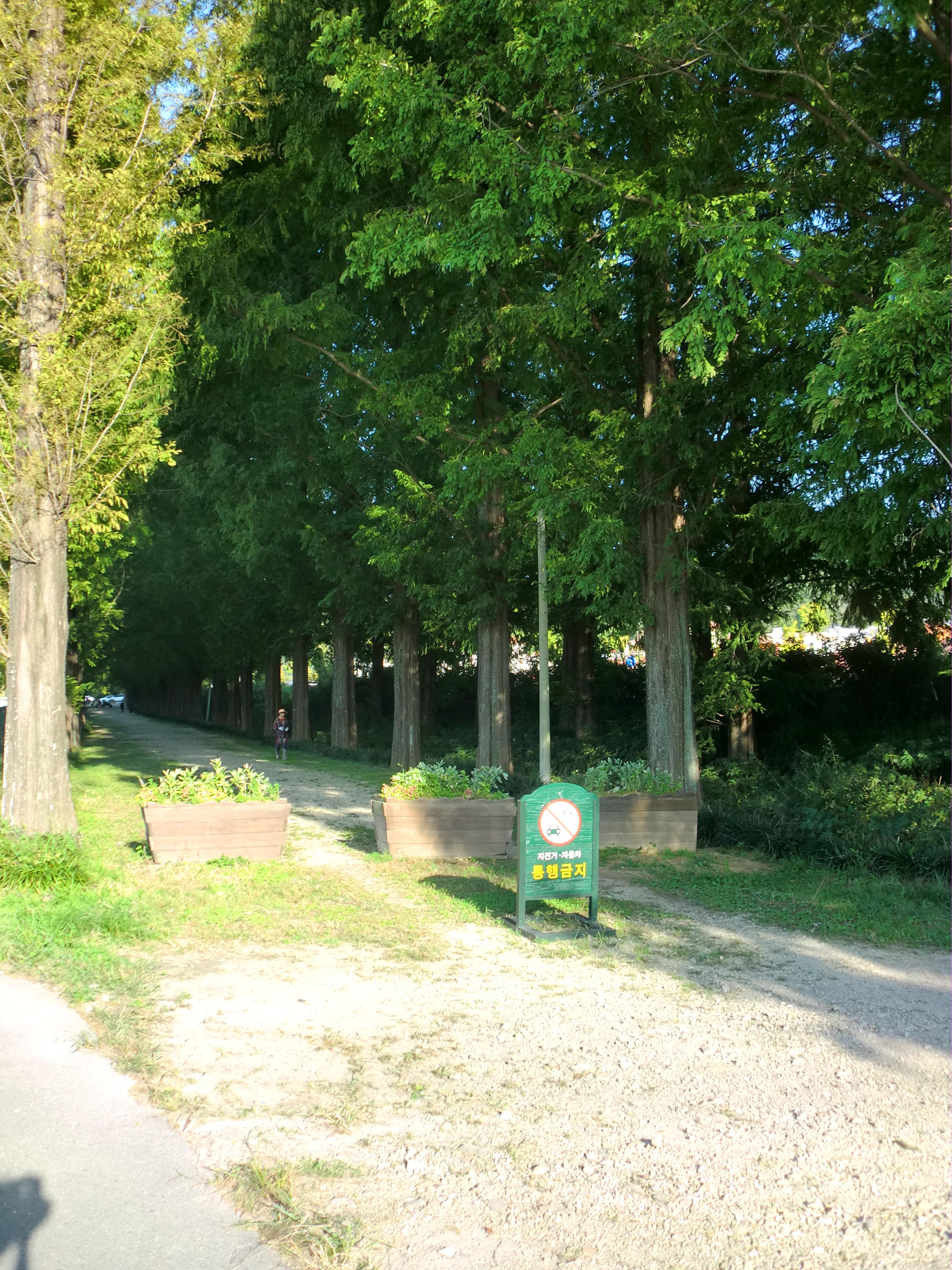
Here's the trick most foreign visitors miss: you can't drive through it anymore. The road was converted into a pedestrian park with a small admission fee. Park at the dedicated lot at the southern entrance (off Route 887) — 2,000 KRW for parking, 2,000 KRW entry per adult. Then walk the 2.4 km straight through, or rent a bike at the gate for 5,000 KRW per hour.
The trees turn deep green in summer and burnt orange in late October. Autumn weekends are mobbed — go on a weekday morning if you can. The whole walk takes about an hour round-trip if you're stopping for photos. There's a small cafe at the northern end selling coffee and ice cream.
Soswaewon: The 500-Year-Old Garden
If Juknokwon is the showcase, Soswaewon (소쇄원) is the soul of Damyang. Built in 1530 by the scholar Yang San-bo, who retreated here after his teacher was executed in a political purge, it's one of the finest surviving examples of a Joseon-era literati garden. The whole site is intentionally small — about 1,400 square meters — designed to fit within a natural stream and bamboo grove rather than dominate them.
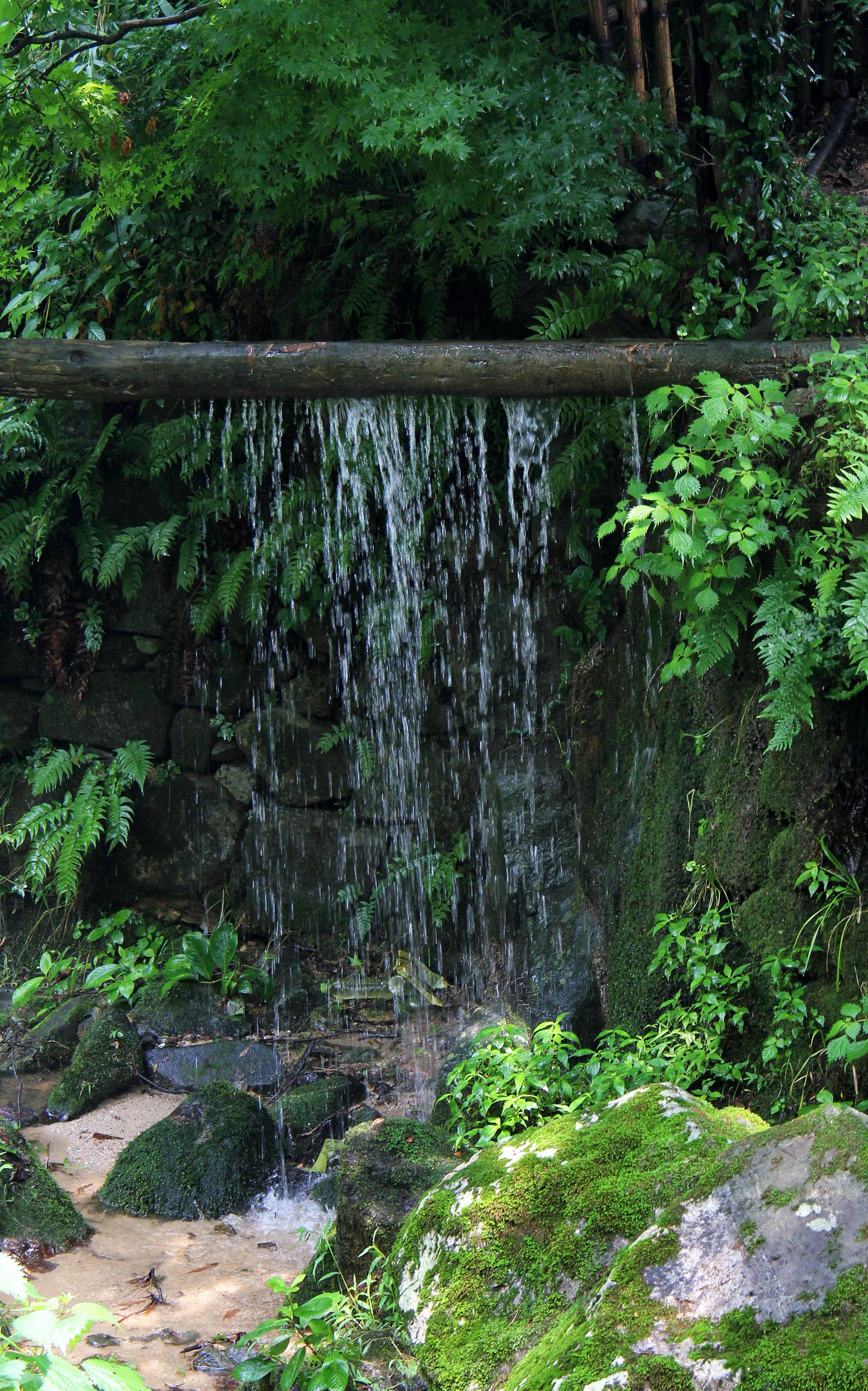
Soswaewon is 12 km southeast of Juknokwon — about 20 minutes by car on Route 887. Park at the small visitor lot just outside the entrance (free, but fills by 11:00 on weekends). Entry is 2,000 KRW. The garden is a single, gentle loop; you'll spend 30–45 minutes here at a slow pace, longer if you sit at one of the wooden jeongja (pavilions) to read for a while like Yang San-bo intended.
- Hours: 09:00–18:00 daily (09:00–17:00 winter)
- Entry: 2,000 KRW adults / 1,000 KRW children
- Parking: Free (small lot, ~30 spots)
- Best time: Late afternoon — softer light, fewer crowds
- Combined ticket: Some hotels in Damyang sell a 3-site pass (Juknokwon + Metasequoia + Soswaewon) for 6,000 KRW
Daetongbap & Damyang's Bamboo Food Culture
Damyang has built an entire cuisine around its main crop. The signature dish is daetongbap (대통밥) — rice cooked inside a sealed bamboo tube with chestnuts, ginkgo nuts, jujubes, and black beans. The bamboo is split open at your table, releasing a faint sweet steam, and the rice underneath has absorbed the green flavor of the wood. A standard set with side dishes runs 15,000–20,000 KRW per person.
The most famous daetongbap street is Damyang Tteokgalbi-gil (담양 떡갈비길), lined with restaurants serving the dish alongside tteokgalbi (떡갈비) — Damyang's other signature, a grilled minced-rib patty seasoned with soy and pear juice. Try Bakmulgwan Apjip (박물관앞집) or Sinsik Dwaeji Galbi for a classic spread. Most places open 10:30 for lunch and close around 21:00.
Looking for something lighter? Guksu Geori (국수거리, Noodle Alley) runs along the Gwanbangjerim Forest path on the riverbank. About 15 small shops serve janchi guksu (잔치국수) — warm wheat noodles in anchovy broth — for 5,000 KRW a bowl. Eat outdoors on plastic stools beside the stream, surrounded by 400-year-old zelkova trees.
Practical Tips for Driving in Damyang
Damyang is easy driving. Roads are wide, traffic is light outside of weekends, and parking exists at every major attraction. Set your navigation to Naver Map or Kakao Map — Google Maps still struggles with rural Korean road numbers and will sometimes send you onto farm tracks. Both Korean apps work fine in English once you set the language in settings.
- Speed limits: 80 km/h on the Honam Expressway, 60 km/h on Route 13, 50 km/h in Damyang town
- Fuel: Fill up in Gwangju before driving in — Damyang has fewer 24-hour stations
- Cash: Bring 30,000 KRW in small bills for parking and entry fees
- Toilets: Clean public facilities at all three main attractions and the Iksan rest stop
- EV charging: Two fast-charging stations in central Damyang (search '담양 전기차 충전소' on Naver Map)
A One-Day Damyang Itinerary
If you're coming from Gwangju for a day trip, this is the order that works best — minimizing backtracking and timing your meals around the crowds.
- 108:30 — Leave Gwangju, drive 30 min to Juknokwon
- 209:00–11:00 — Walk Juknokwon's main loops before tour buses arrive
- 311:15–12:30 — Drive to Damyang Tteokgalbi-gil for an early daetongbap lunch
- 413:00–14:30 — Metasequoia Road walk (parking on Route 887)
- 515:00–16:30 — Soswaewon garden (12 km southeast on Route 887)
- 617:00 — Quick stop at Gwanbangjerim Forest for noodles by the river
- 718:30 — Back in Gwangju before dark
FAQ
Frequently Asked Questions
Pick up your rental in Gwangju, set the navigation to Juknokwon (죽녹원), and drive into Korea's greenest county. The bamboo is worth the highway.
Share this article
You Might Also Like


Get Travel Inspiration
Subscribe for new stories, route guides, and driving tips delivered to your inbox.