
Destinations
Garden of Morning Calm: Korea's Four-Season Flower Garden Road Trip
The Garden of Morning Calm in Gapyeong shifts from tulips to maple leaves to a full winter light festival across the year — here's how to drive there, what's blooming when, and how to fold it into a day trip with Nami Island.
Most first-time visitors to the Garden of Morning Calm (아침고요수목원) expect a quiet stroll through flower beds. What they find is 23 themed garden sections spread across a hillside in Gapyeong, each redesigned for the season — spring bulbs, summer greenery, autumn maples, and a winter light festival that draws crowds after dark.
This guide covers what makes the garden worth the drive, how to get there from Seoul, which season to time your visit around, and the nearby stops — Nami Island and Petite France — that turn it into a full Gapyeong day trip.
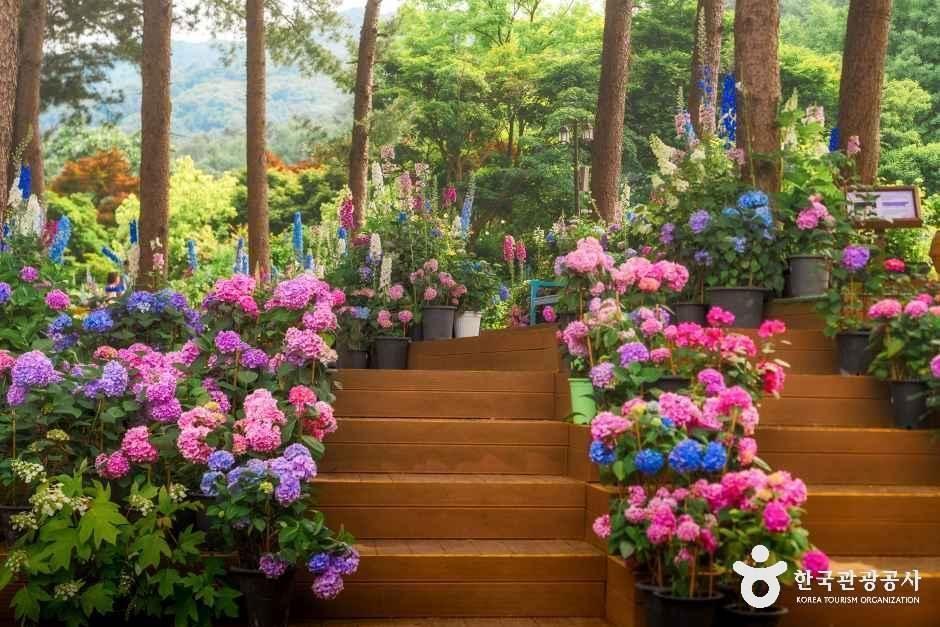 One of the Garden of Morning Calm's 23 themed sections in Sang-myeon, Gapyeong-gun.한국관광공사 · 공공누리 제1유형
What Is the Garden of Morning Calm?
Horticulture professor Han Sang-kyung opened the garden in 1996 on a hillside near Cheongpyeong Lake, planting it with the idea that a Korean garden could hold both formal Western design and native plantings side by side. Today it covers roughly 30,000 pyeong (about 100,000 square meters) and holds thousands of plant species across sections like the Korean Traditional Garden, Bonsai Garden, and Herb Garden.
The name comes from an old description of Korea as the "Land of Morning Calm" — and the garden earns it early, before tour buses arrive and while the paths are still quiet.
- Location: 432 Sumogwon-ro, Sang-myeon, Gapyeong-gun, Gyeonggi-do
- Opened: 1996
- Size: 23 themed garden sections across roughly 100,000 square meters
- Nearby: Nami Island and Petite France, both within a 20-minute drive
Driving There from Seoul
The garden sits about 65 km northeast of Seoul, roughly 1 hour 20 minutes by car outside rush hour. Take the Seoul-Chuncheon Expressway (E60) toward Chuncheon, exit at Seorak IC, then follow local signs south through Sang-myeon for about 15 minutes.
Traffic backs up badly on weekends during the spring flower and winter light festival, so an early morning or weekday visit saves real time. There's a large paid parking lot at the garden entrance — expect it to fill fast on Saturday afternoons in peak season.
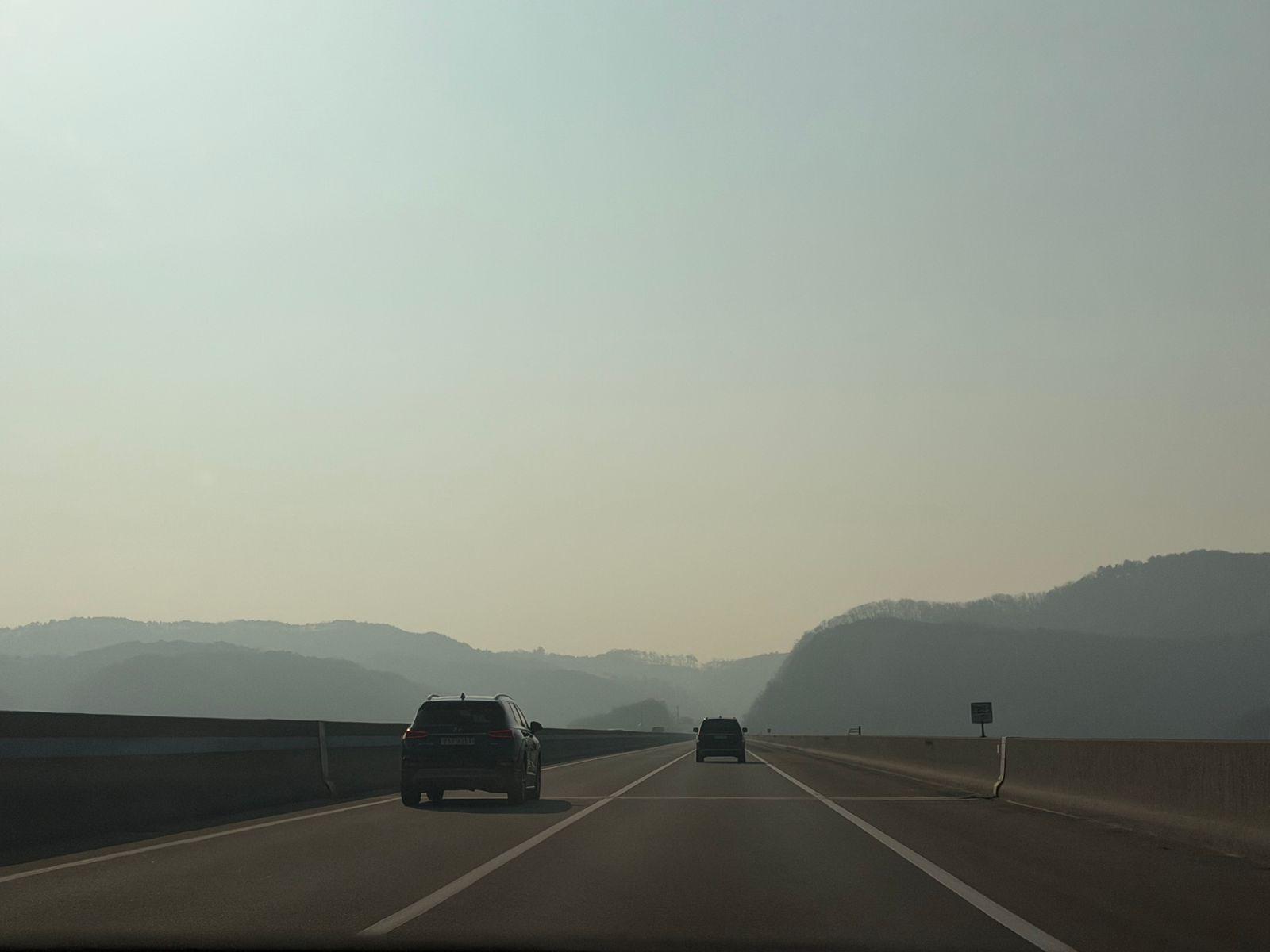 The Seoul-Chuncheon Expressway cuts through Gyeonggi-do's mountains on the way to Gapyeong.Photo: Sherine / Pexels
- Seoul → Garden of Morning Calm: ~65 km, about 1h20m via Seoul-Chuncheon Expressway
- Exit: Seorak IC, then follow signs through Sang-myeon
- Parking: paid lot at the entrance, fills fast on festival weekends
Seasonal Highlights Worth Timing Your Trip Around
Spring brings the garden's biggest bloom — tulips, daffodils, and flowering bulbs planted in sweeping color blocks through April and May. This is the busiest season, and also the most photographed, so arrive at opening if you want empty paths in the shots.
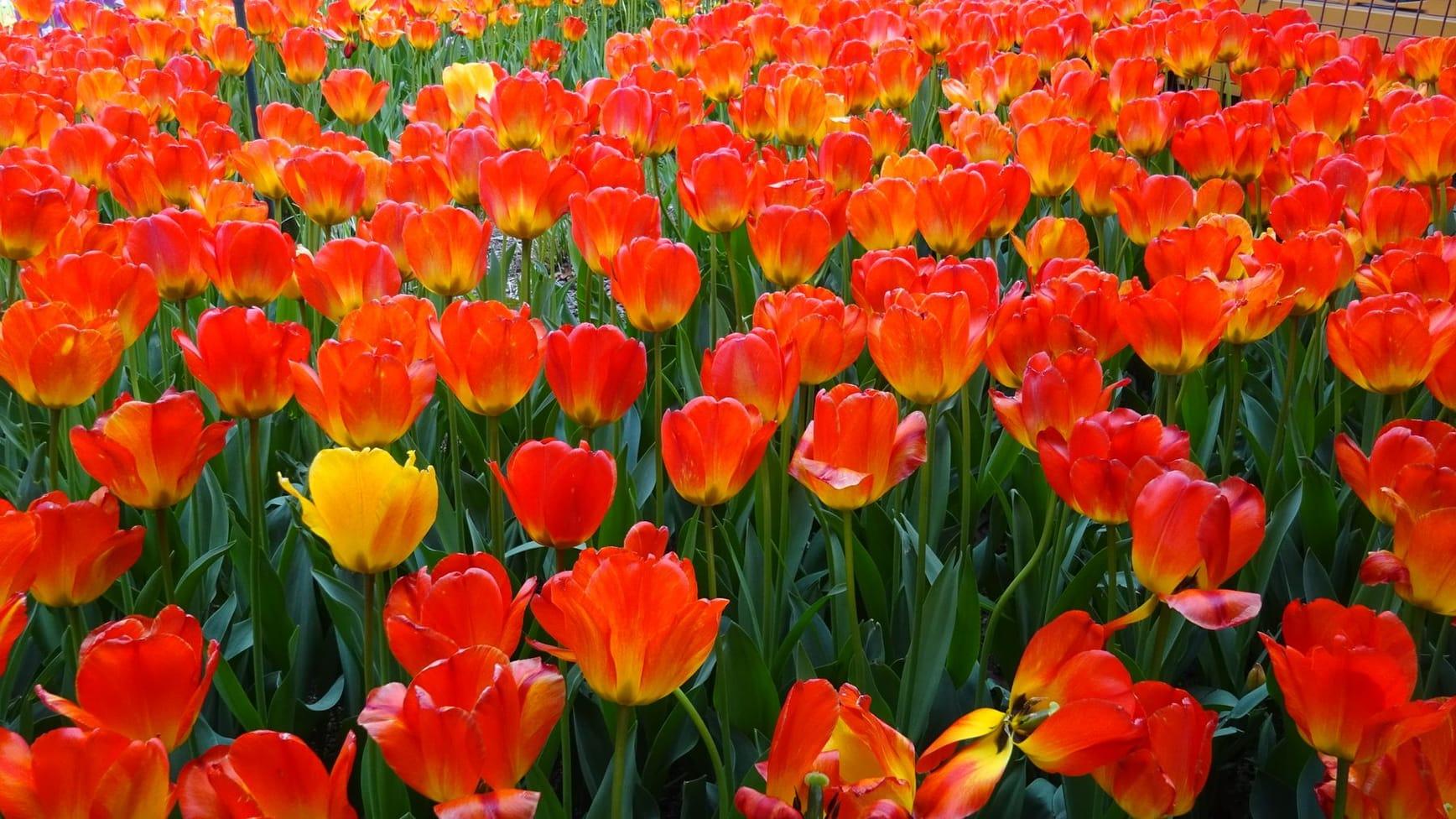 Spring bulb displays fill the garden's color-block beds through April and May.Photo: Kidin Sam / Pexels
Autumn (October-November) swaps the bulbs for maple and chrysanthemum displays, with the Korean Traditional Garden's stonework standing out against red and gold foliage. Then, from roughly early December through March, the garden transforms after dark for the Five-Colored Starlight Garden (오색별빛정원전) — one of Korea's best-known winter light festivals, with the same paths lit end to end.
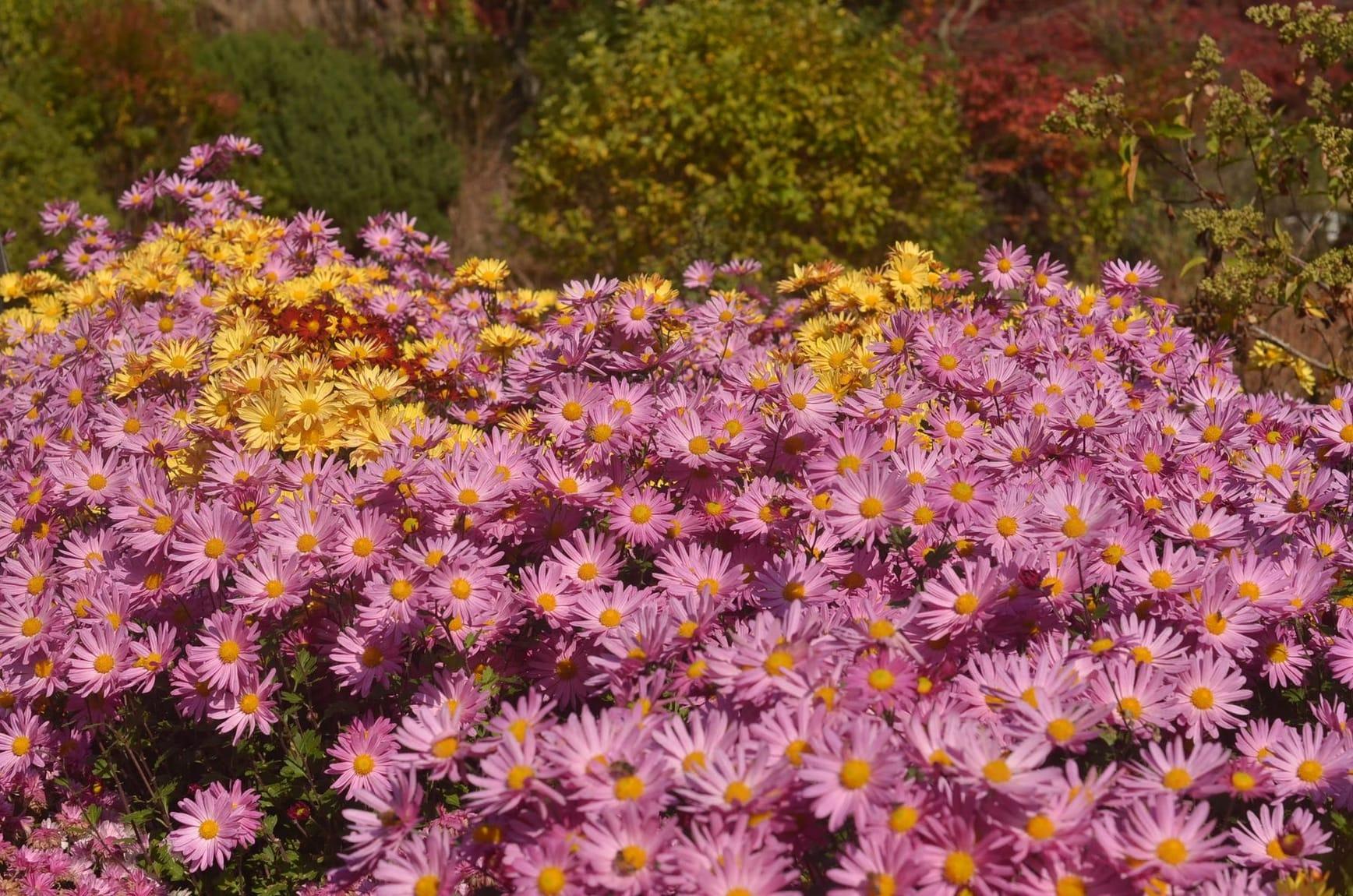 Chrysanthemums replace the spring bulbs once autumn sets in.Photo: Jon Discipulo / Pexels
Tickets, Hours & Practical Tips
Regular admission runs roughly 11,000-13,000 KRW for adults, with the higher end typically applying on weekends and during the winter light festival. Hours are generally 9:00-18:00, extended to around 21:00 during the Five-Colored Starlight Garden season — check the last-admission cutoff before you drive out, since it's usually an hour before closing.
- Hours: 9:00-18:00 most of the year, extended to ~21:00 during the winter light festival
- Admission: roughly 11,000-13,000 KRW for adults, varies by season and day
- Combo tickets: bundled tickets with Nami Island are sold near the entrance and can save on a two-stop day
- What to bring: comfortable shoes — the garden is hillside terrain, not flat paths
Nearby Stops to Round Out the Day
The garden sits in the same corner of Gapyeong as two of Korea's most-visited day trips. Nami Island, the tree-lined riverside island made famous by K-dramas, is about a 20-minute drive away and reachable by a short ferry crossing. Petite France, the small French-themed village, sits along the same route toward Cheongpyeong Lake.
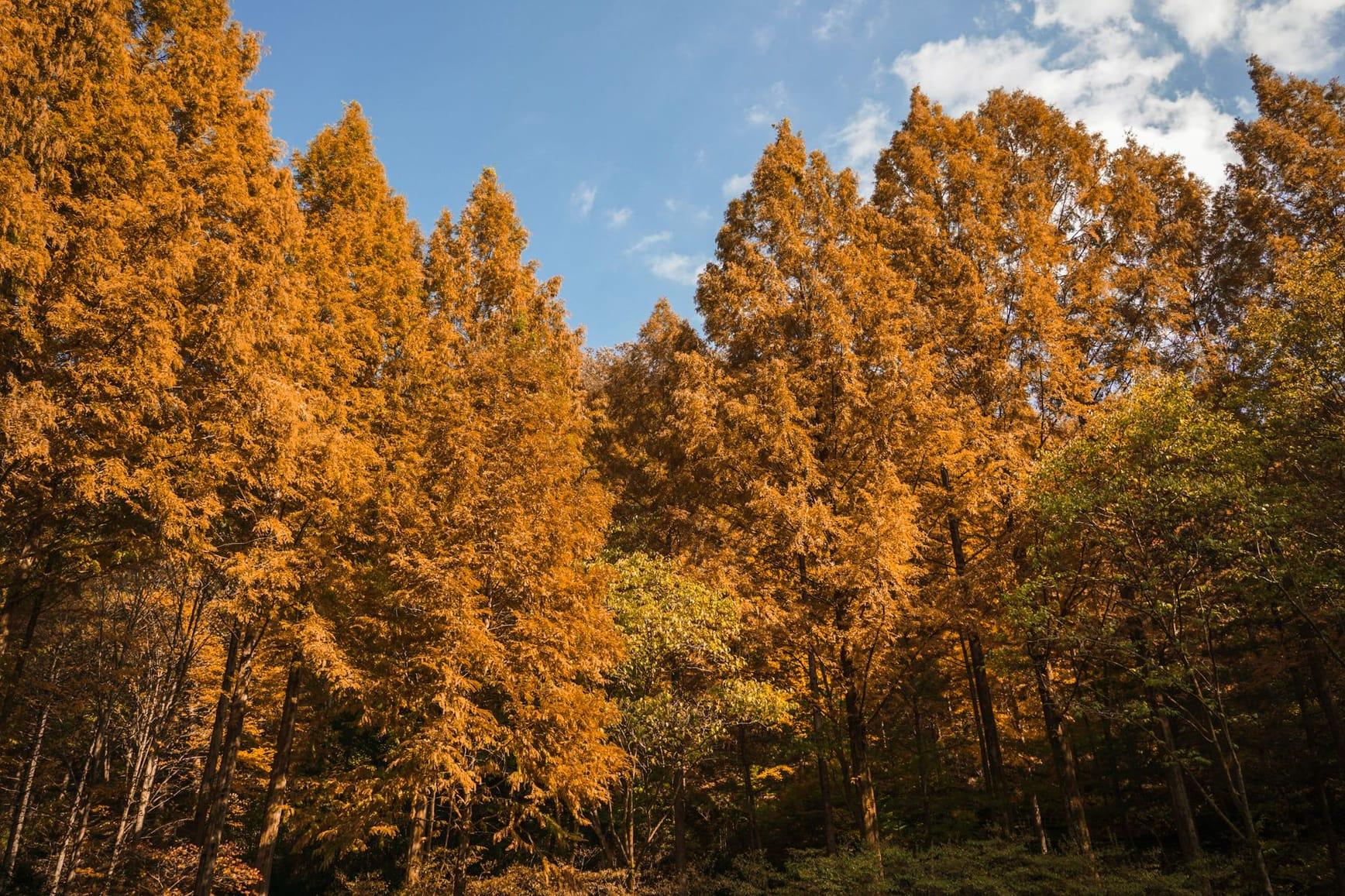 Gapyeong's countryside stays scenic well beyond the garden gates.Photo: Naufal Shidqi / Pexels
- Nami Island: ~20 minutes by car, plus a short ferry crossing
- Petite France: ~15 minutes by car, along the road to Cheongpyeong Lake
- Suggested order: garden in the morning before crowds build, Petite France or Nami Island in the afternoon
Quick Tips
- Book winter light festival tickets online in advance — walk-up lines can run long after sunset.
- Wear layers in winter; large sections of the light festival route are outdoors and exposed.
- Arrive at opening on spring weekends if you want tulip photos without other visitors in frame.
- Pair the garden with Petite France for an easy half-day loop that doesn't require backtracking.
FAQ
Time your visit to the season, drive out early on weekends, and the Garden of Morning Calm earns its name before the crowds arrive.


You Might Also Like
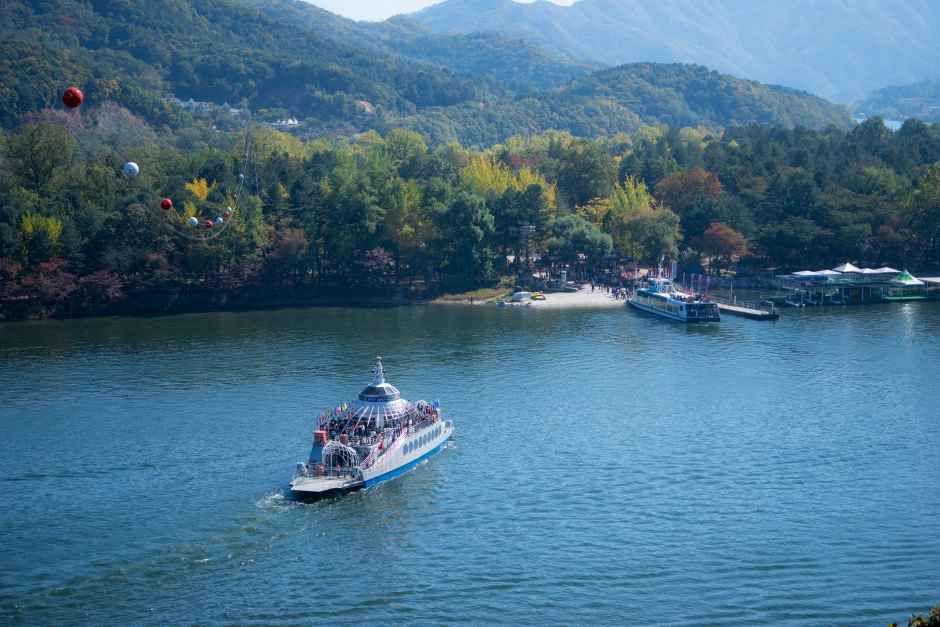 Routes
Nami Island Day Trip from Seoul: Driving Guide & Itinerary (2026)
Driving to Nami Island from Seoul? Here's a foreigner-friendly guide — parking at Gapyeong Wharf, the 5-minute ferry, the tree-lined paths, plus how to combine Petite France and Garden of Morning Calm in one day.
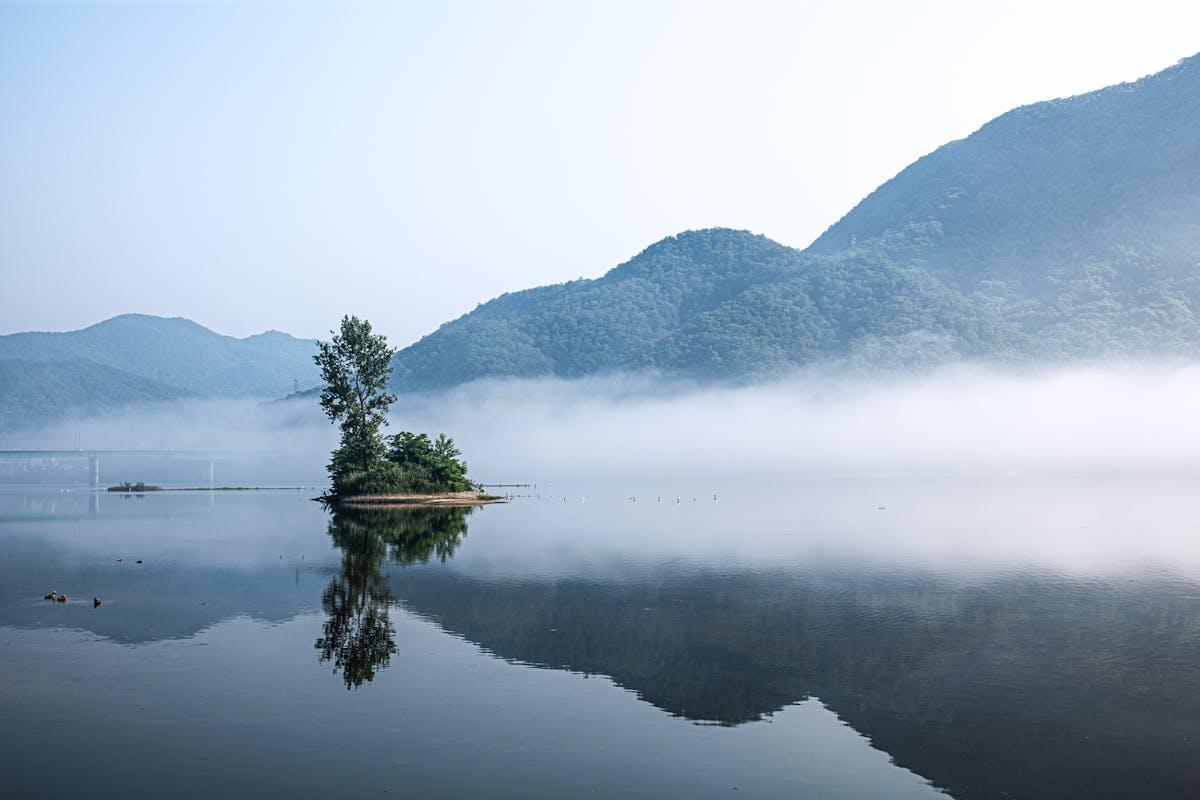 Routes
Gapyeong Day Trip from Seoul: Petite France, Garden of Morning Calm & The Edge (2026)
Three of Korea's most-Googled day-trip attractions sit within 15 minutes of each other in Gapyeong — here's how to drive from Seoul, skip the tour buses, and cover all three in one full day.
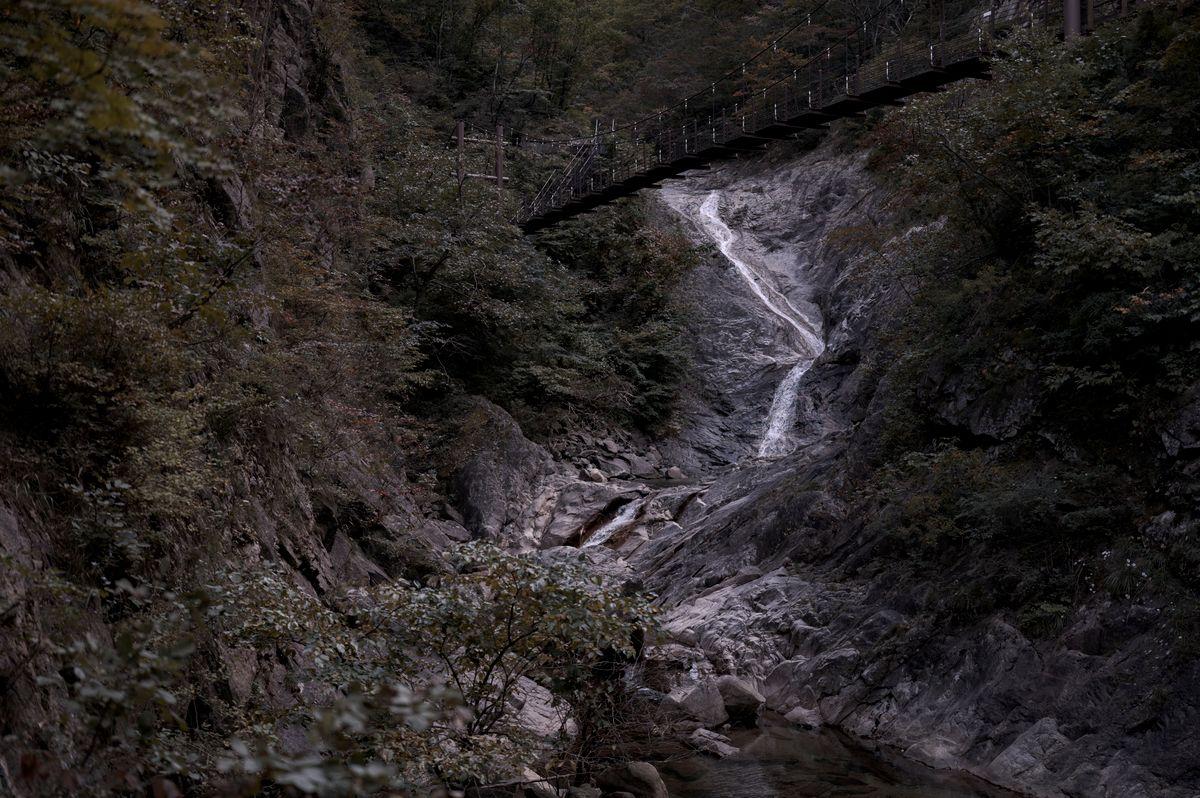 Routes
Korea Summer Valley Drives: 5 Best Gyegok Spots to Cool Off by Rental Car
When Korean summers turn brutal, locals head to the mountains and wade into icy mountain streams called gyegok. Here's how to drive to five of the best — from a quick day trip near Seoul to deep valley escapes in Gangwon and South Gyeongnam.
 Destinations
Best Instagram-Worthy Cafes & Photo Spots in Korea (2026 Guide)
Discover Korea's most photogenic cafes, aesthetic spots, and hidden gems perfect for your Instagram feed. From Seoul's trendy Seongsu-dong to Busan's colorful Gamcheon Village.
 Garden of Morning Calm