Goseong Unification Observatory Drive: How to Reach Korea's Northernmost East Coast Point
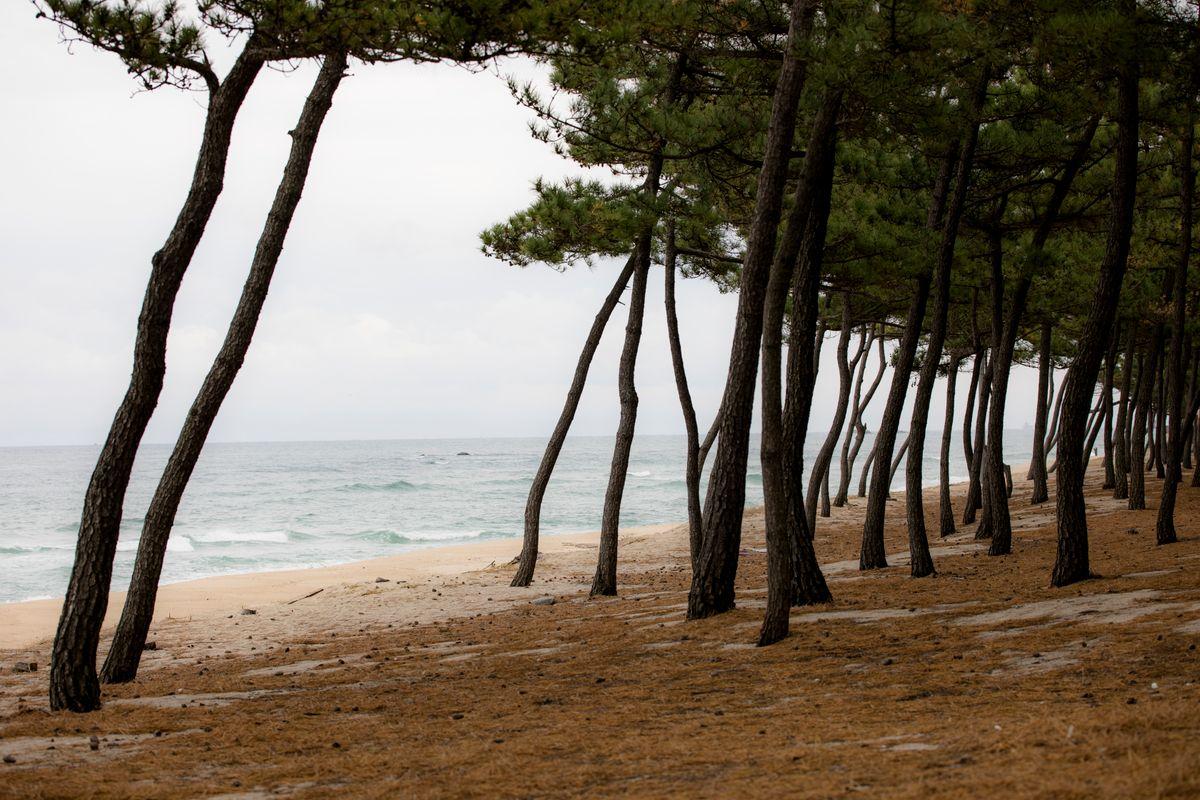
Most visitors doing Korea's DMZ head to Panmunjom or the Imjingak Peace Park near Seoul. That route is fine, but there's a better one: drive the east coast all the way to Goseong, where the mountains meet the sea and the North Korean border is just a glance away. The Goseong Unification Observatory is Korea's northernmost point accessible to civilians — and the drive to get there, through Hwajinpo Lake and the Gangwon coast, is one of the most underrated road trips in the country.
Getting to Goseong from Seoul
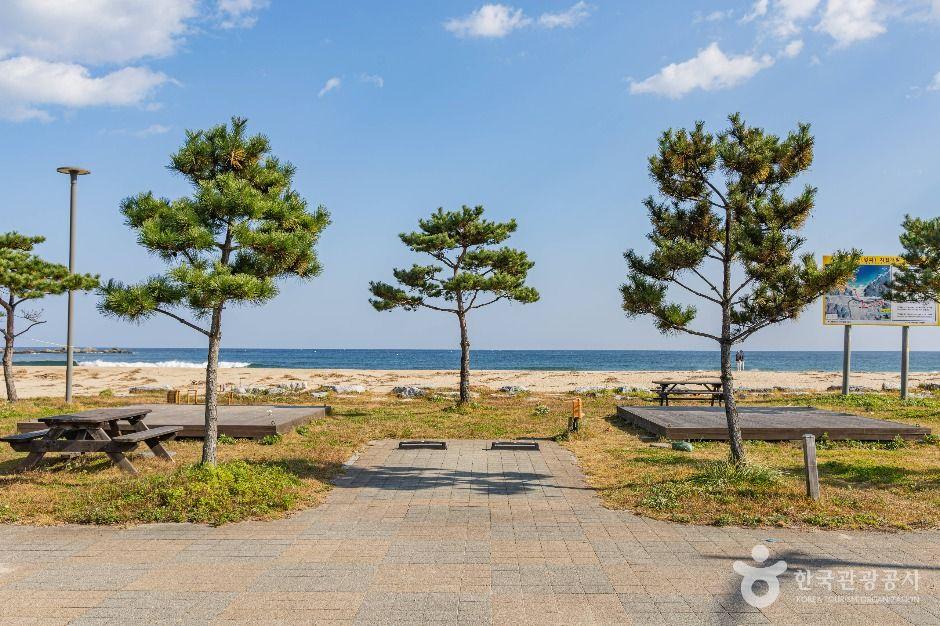
From Seoul, take the Gyeongchun Expressway (경춘고속도로) east toward Chuncheon, then connect to the Donghae Expressway (동해고속도로) heading north through Sokcho. Continue past Sokcho to the Goseong IC. Total distance from central Seoul is roughly 230 km. In normal traffic it takes 3.5–4 hours. Toll fees are approximately 9,000–11,000 KRW each way.
Naver Map and Kakao Map handle this route well — both will route you correctly to Hwajinpo and the observatory. Set your destination as 통일전망대 (Unification Observatory) and the app will guide you to the mandatory registration stop 7 km south of the observatory.
- Drive time: 3.5–4 hours from Seoul
- Distance: ~230 km
- Toll: ~10,000 KRW each way (Hi-Pass or cash)
- Best start time: Leave Seoul by 7 am to reach Hwajinpo by 10:30 am
- Return: Via Sokcho for a loop, or same highway back
Hwajinpo Lake: Where Korean History Vacationed
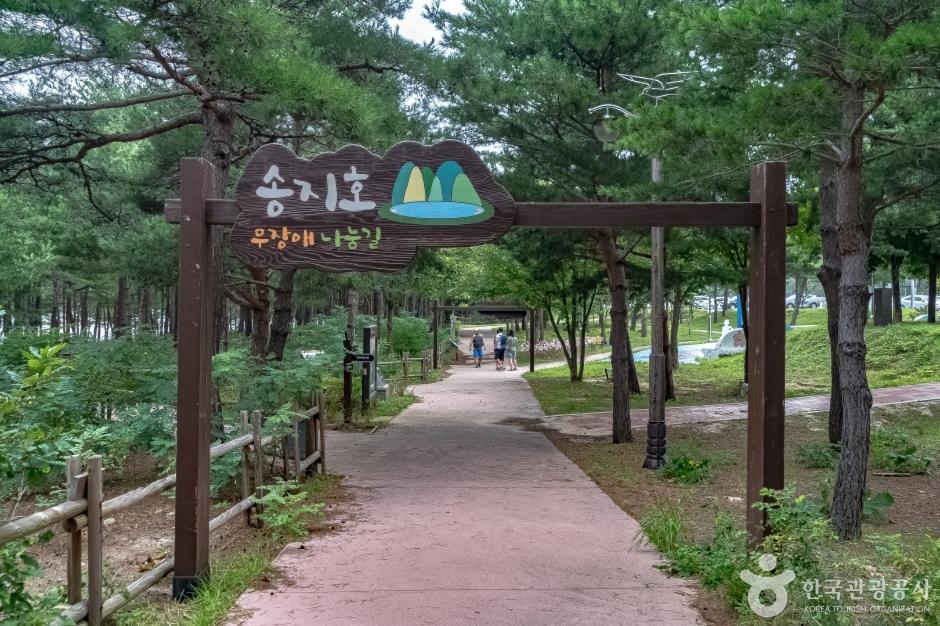
Hwajinpo (화진포) is a coastal lagoon 15 km south of the observatory — separated from the East Sea by a slender strip of white sand and pine trees. The water is calm and turquoise, the beach is uncrowded, and the pine forest that lines the lagoon makes it one of Korea's most beautiful natural spots. In summer (July–August), the beach opens for swimming and the lakeside cafes fill up.
The reason Hwajinpo is historically notable: during the late 1940s, when this stretch of coast briefly fell under North Korean control before the Korean War, Kim Il-sung used Hwajinpo as a summer retreat. His former cottage — a two-story stone building — now operates as the Hwajinpo History Museum (화진포역사안보전시관). Entry is 3,000 KRW and includes access to three historic villas: Kim Il-sung's cottage, President Syngman Rhee's villa (이승만 별장), and Vice President Lee Gi-poong's villa (이기붕 별장). Walking between them takes about 45 minutes.
There's a surreal quality to standing in a former North Korean leader's summer cottage while looking out at a lagoon that's now South Korean territory. For foreign visitors, this is the kind of Cold War history lesson that no textbook fully conveys.
- Hwajinpo History Museum entry: 3,000 KRW adults
- Hours: 9:00–17:00 (last entry 16:30); closed Mondays
- Parking: Free lakeside lot near the museum
- Beach: Open for swimming July–August
The Unification Observatory: Registering and What You'll See
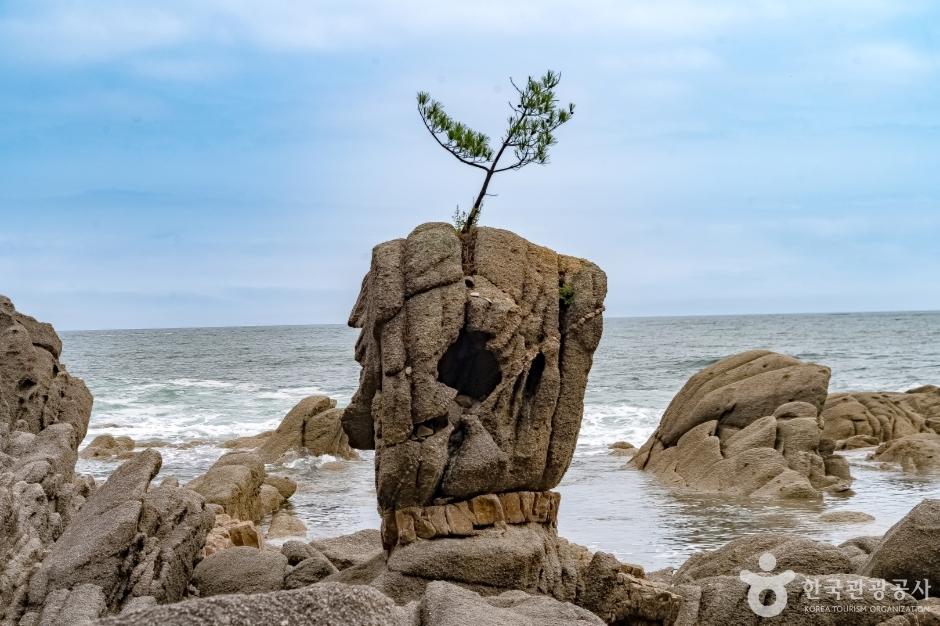
Civilians can't drive directly to the observatory — you must first stop at the Unification Security Park (통일안보공원), located about 7 km south. Here you register, fill out a brief entry form, and receive a pass for your vehicle. The registration office is open 9:00–15:00 (the observatory itself closes at 17:00). The entry fee is 3,000 KRW per person. The whole registration process takes around 10–15 minutes.
At the observatory itself, the main viewing platform is the Haejo Pavilion (해조루). On clear days — especially in autumn and winter, when the air is cleanest — you can see the ridgeline of Mt. Geumgang (금강산) across the border in North Korea. In summer, haze sometimes obscures the view, but you're still looking directly at North Korean coastline and military installations.
One practical note: access to the observatory can be restricted without warning due to military exercises or security situations. It's worth calling ahead (033-681-0088) on the day of your visit, or checking the Goseong County tourism website before you drive. If the observatory is closed, Hwajinpo alone is worth the trip.
- Registration: Required at Unification Security Park (7 km south)
- Registration hours: 9:00–15:00 (don't arrive after 14:30)
- Entry fee: 3,000 KRW adults, 1,500 KRW children
- Observatory hours: 9:00–17:00
- Best visibility: Autumn and winter mornings
- Confirm open: Call 033-681-0088 before your visit
Daejin Port: Lunch at Korea's Northernmost Seafood Market
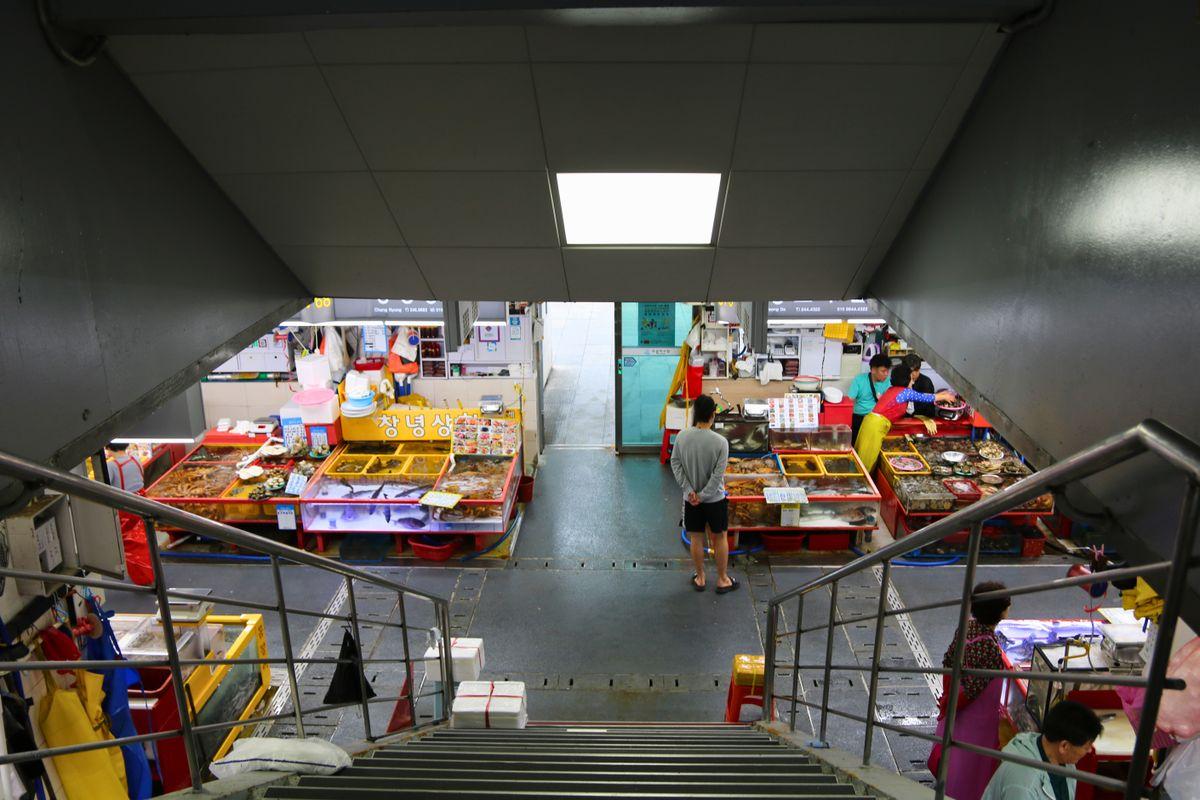
Daejin Port (대진항) is 4 km north of Hwajinpo and the northernmost civilian fishing port on Korea's east coast. The market here specializes in o징어 (squid), 가자미 (flounder), and seasonal catch. For a quick seafood lunch, look for raw fish restaurants (횟집) along the port road — a plate of sliced flounder sashimi (가자미 회) typically runs 15,000–25,000 KRW and comes with the usual banchan spread.
Note: this area is primarily a domestic Korean fishing village, so menus are in Korean only. Point-and-order works fine. The atmosphere is authentic and prices are significantly lower than seafood restaurants in Sokcho.
Making It a Full Trip: Combining with Sokcho
Sokcho is just 30 minutes south of Goseong and provides the full menu of accommodation, restaurants, and activities if you want to extend the trip overnight. The Sokcho Fish Market (속초어시장) is one of Korea's best, and Seoraksan National Park entrance is another 20 minutes inland. Combining Goseong and Sokcho into a two-day road trip from Seoul is one of the most satisfying itineraries in Gangwon Province.
If you're doing this as a day trip from Seoul, leave early, spend the morning at Hwajinpo, visit the observatory after lunch, then drive to Sokcho for dinner and the return highway back to Seoul. You'll be home by 10 pm.
Quick Tips
- 1Register early: The registration office closes at 15:00. Plan to arrive at the Security Park no later than 14:30 if you want observatory access.
- 2Check access: Military situations can close the observatory without notice. Always confirm the day before or morning of.
- 3Avoid weekends in July–August: Hwajinpo Beach gets crowded. Weekday visits are far more relaxed.
- 4Dress for the wind: The coast and observatory are exposed. Even in summer, carry a light layer for the viewing platform.
- 5Combine smarter: Hwajinpo lake + observatory + Daejin seafood lunch can all be done in one direction on the same road — plan north to south or south to north without backtracking.
FAQ
Frequently Asked Questions
The Goseong Unification Observatory drive rewards those willing to go a little further than the typical Seoul day-trip radius. The combination of history, natural beauty, and the strange experience of looking across at North Korea makes this one of Korea's most thought-provoking road trips — and one that most foreign visitors never discover. Rent a car, drive north, and see where Korea ends.
Share this article
You Might Also Like


Get Travel Inspiration
Subscribe for new stories, route guides, and driving tips delivered to your inbox.