
Driving in Korea's Rainy Season: A Foreigner's Safety Guide (2026)
From late June through July, Korea's jangma (장마) monsoon arrives and dumps roughly half the country's annual rainfall in about six weeks. If you're renting a car between June and August, you'll almost certainly drive through at least one heavy downpour — and probably a flash flood warning on your phone.
The good news: Korean expressways are well-drained, rest stops stay open, and you get an official 'wet road' speed limit reduction that locals actually follow. The bad news: visibility drops fast in mountains, urban underpasses flood within an hour, and water deer still wander onto rural roads. This guide covers what to do — and what to skip — when the rain starts.
At a Glance
Jangma Season
Late June – late July
Wet Speed Limit
−20% (rain) / −50% (heavy rain)
Flood Warning Alert
Auto SMS in Korean + English
Emergency
112 (police) / 119 (rescue)
Roadside Help
1588-2504 (Korea Expressway Corp)
Tourist Hotline (EN)
1330 (24/7)
When Does Korea's Rainy Season Actually Hit?
Korea's monsoon front typically arrives on Jeju Island in mid-to-late June, reaches the mainland a few days later, and lingers through late July. The Korea Meteorological Administration (기상청) publishes the official start each year, and locals plan road trips around it. After jangma ends, August brings typhoon (태풍) season — short, violent storms with high winds rather than days of steady rain.
Daily totals during jangma can hit 100-200 mm in a single afternoon, which is heavy enough to overwhelm city drainage and shut down sections of expressway. The good news is the rain is rarely continuous — you'll often get clear windows of two or three hours in the middle of a 'rainy' day.
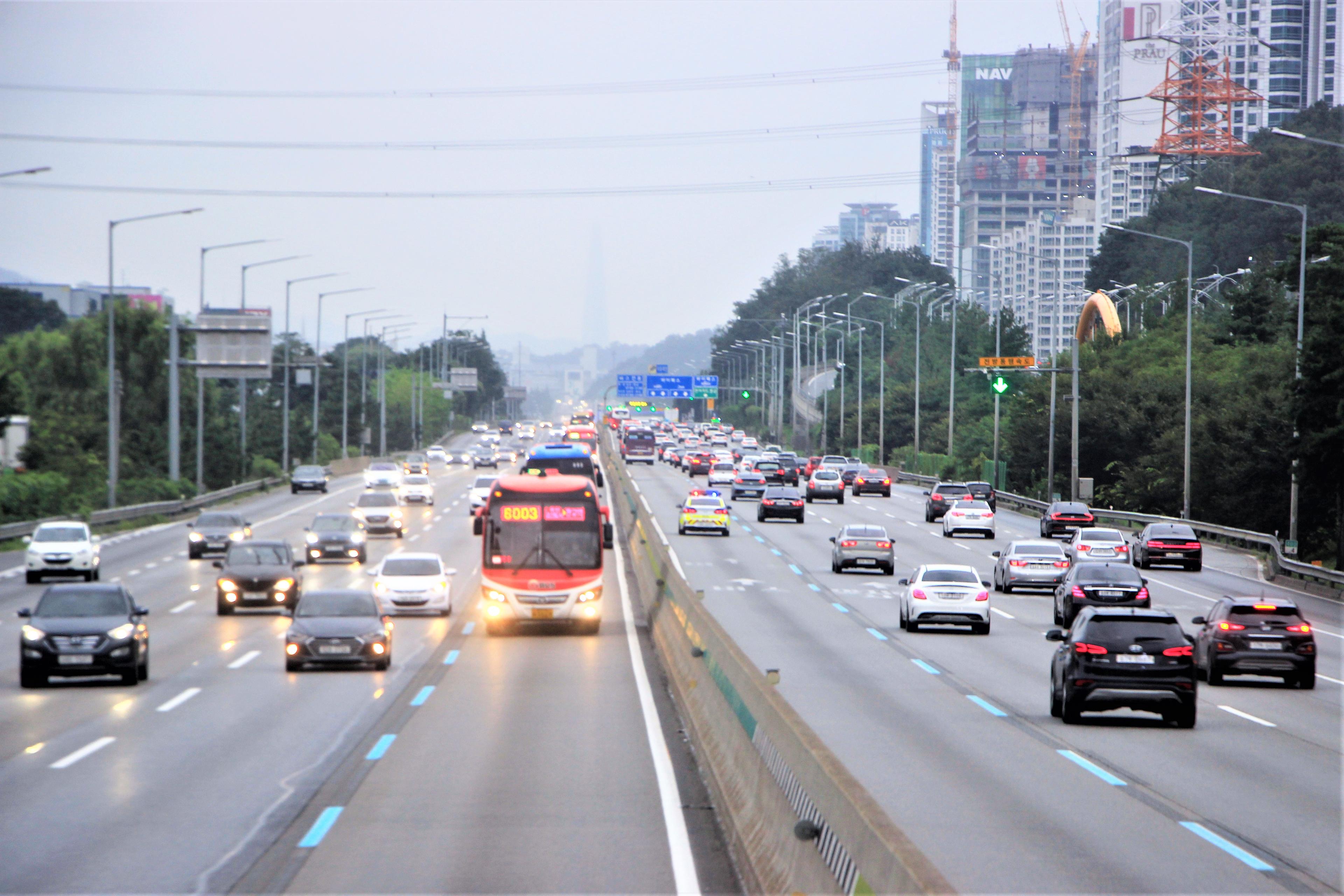
- Mid-late June: Jangma front arrives in Jeju, then mainland
- Early-late July: Peak rainfall window across Korea
- Late July: Front usually exits north into China
- August: Typhoon season — different hazard, similar precautions
- Check daily: KMA app or weather.naver.com — both have English
The 20% Rule: Korea's Wet-Road Speed Limit
This is the rule foreigners miss most often. Under Korea's Road Traffic Act (도로교통법), posted speed limits automatically reduce by 20% in rain and by 50% in heavy rain, fog, or snow with visibility under 100 m. The signs don't change — you're expected to know the rule and slow down on your own.
So on an expressway posted 110 km/h, the legal limit drops to 88 km/h in normal rain and 55 km/h if visibility is severely reduced. Speed cameras don't auto-adjust, but police mobile enforcement does ramp up during heavy rain, and your insurance excess can climb if you're judged to have driven too fast for conditions during a wet-road accident.
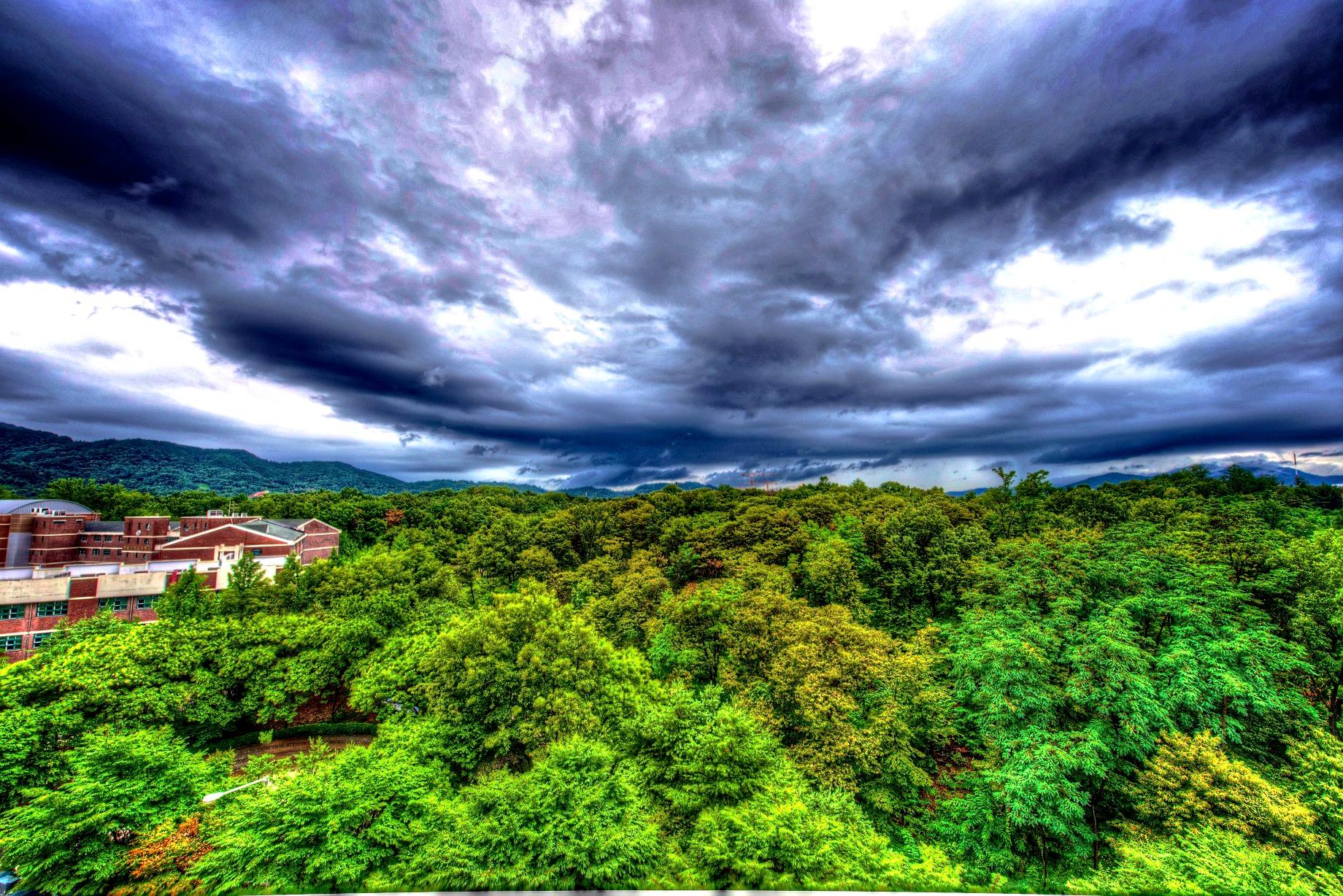
- Light/normal rain: −20% off posted limit (110 → 88 km/h)
- Heavy rain or fog under 100 m: −50% off posted limit (110 → 55 km/h)
- Snow or ice on road: −50% off, plus winter tires required Dec-Mar
- Tailgating fine: about 40,000 KRW — but spacing should double in rain
Visibility, Wipers, and Lane Spray
The biggest danger in Korean rain isn't water on the road — it's the spray from buses and trucks. Express buses and 25-ton freight trucks throw up a wall of mist that can blank your windshield for two or three seconds. Stay out of the right lane on expressways during heavy rain unless you're exiting.
Korean law requires headlights on whenever wipers are on, day or night. The fine for driving without lights in rain is 20,000 KRW. Most rental cars default to automatic headlights — confirm it's set to 'AUTO' before you leave the pickup lot. Also test the wipers and rear defogger before driving away; renters rarely check them and a sticky wiper blade is miserable at 88 km/h.
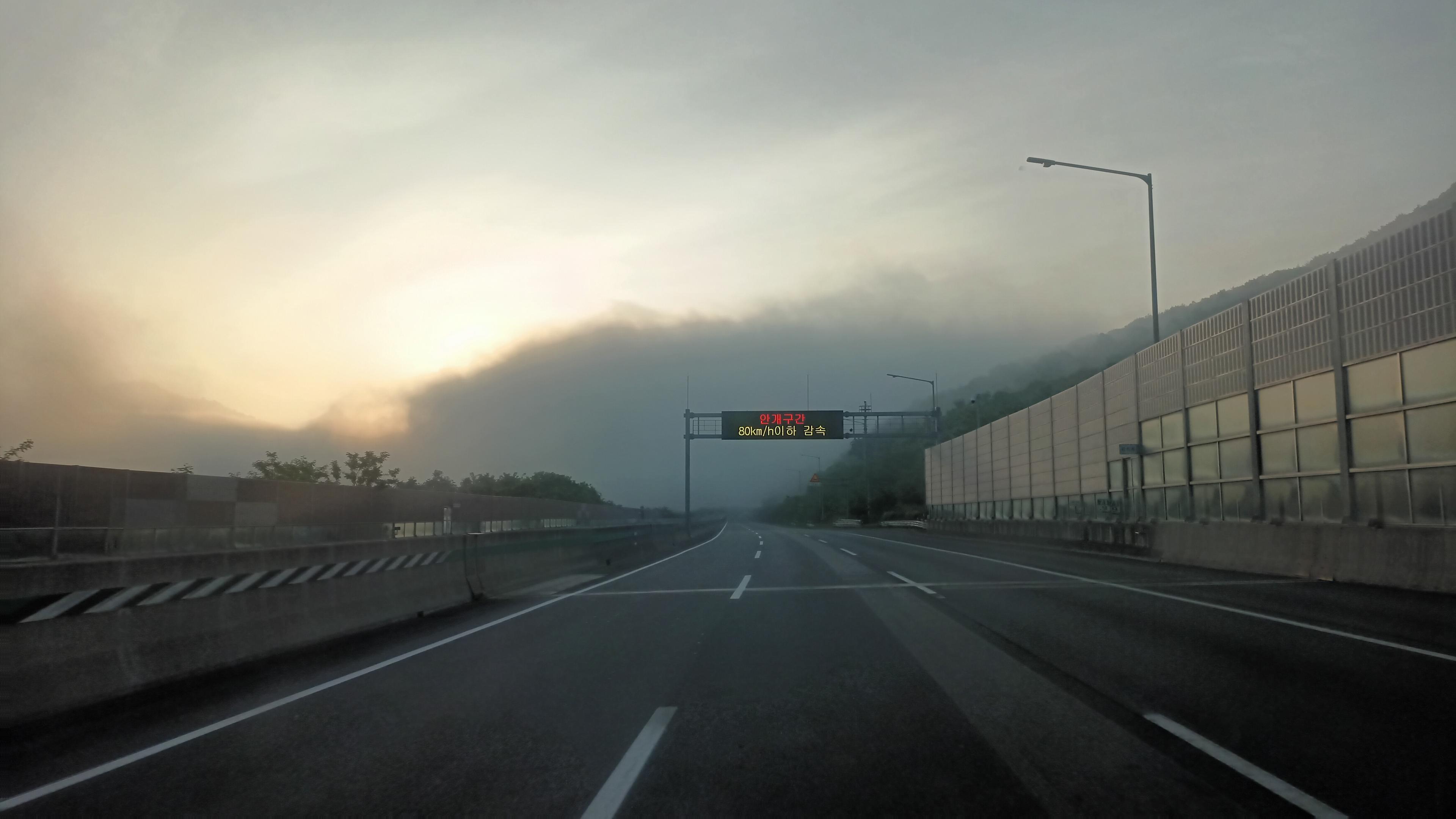
Fog is the secondary problem. After a hot day plus heavy rain, valleys in Gangwon-do, North Gyeongsang, and the Honam region fill with thick fog within an hour. Use low-beam headlights and rear fog lights — never high beams, which reflect off the mist and blind you. Most Korean rentals have a rear fog-light switch on the headlight stalk; look for the symbol with three slanted lines.
Aquaplaning and the 'Puddle Lane'
Korean expressways have a problem the locals call the 'puddle lane' (웅덩이 차선) — the rightmost lane, where wheel ruts hold standing water after a downpour. Hit it at 100 km/h and you'll aquaplane for a moment. The fix is simple: stay in lane 1 or 2 during heavy rain, and ease off the gas — never brake hard — if you feel the steering go light.
Rental tires are usually adequate but not new. Before you leave the lot, check tread depth with a 100 KRW coin: insert it with King Sejong's face up — if you can see his hairline, the tread is borderline and you should ask for a different car. Korean law requires 1.6 mm minimum tread, but in heavy rain you really want 3 mm or more.
Tunnels, Bridges, and the Wind Problem
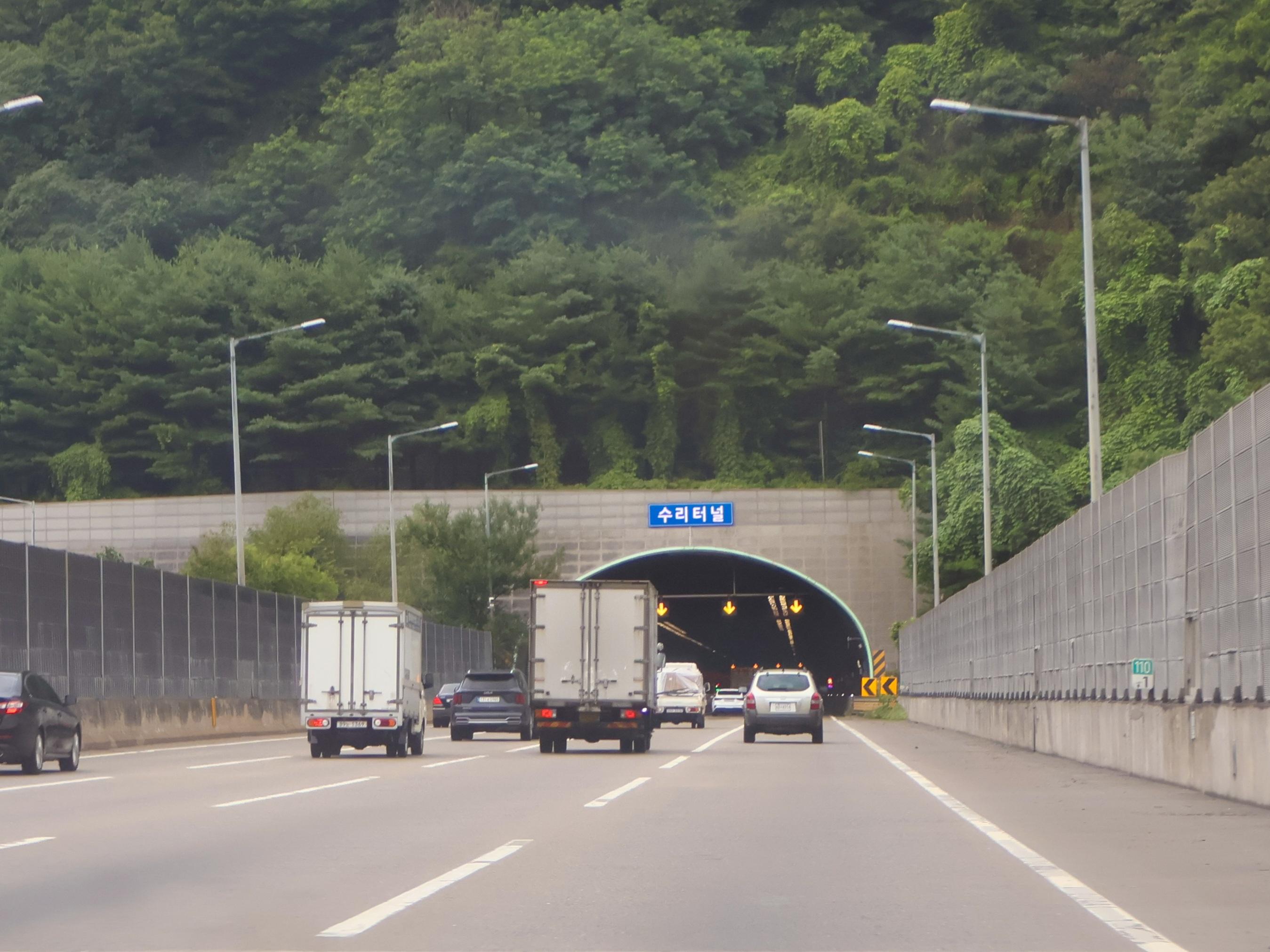
Tunnel entrances are the trickiest moment in rain. You go from heavy rain and active wipers to dry pavement in half a second, and your wipers smear the windshield until you switch them off. Drop your speed about 200 m before any tunnel, and reach for the wiper stalk so you can flick to intermittent the moment you enter.
Long bridges over rivers and the sea — Gwangan Bridge in Busan, the Yeongjong Bridge to Incheon Airport, anything on the West Sea coast — get hit by serious crosswinds during typhoon-season storms. If the wind warning (강풍 주의보) is active, expect to feel the car drift toward the leeward lane. Both hands on the wheel, drop another 10 km/h.
Flooded Roads: When to Turn Around
If water is across the road and you can't see the painted lines, do not drive through it. 15 cm (about 6 inches) is enough to stall a small rental, and 30 cm will float a sedan. Korea's underpasses (지하차도) are the most common flood-fatality spots — water collects there fastest and rescue takes longer than you think.
If the emergency alert (긴급재난문자) on your phone says '호우 경보' (heavy rain warning) or '침수' (flooding), assume the closest underpass is impassable. Use Naver Map or KakaoMap to reroute — both flag closed road segments in real time during disasters. Google Maps usually doesn't.
- Don't drive through standing water if you can't see the road surface
- Underpasses (지하차도) flood first — take the surface street instead
- Riverside roads like Olympic-daero close fast when the Han rises
- Mountain passes get landslide warnings — check before climbing
- If stalled: leave the car immediately and climb to higher ground
Rest Stops, Wipers, and What to Pack
Korean expressway rest stops (휴게소) are open 24 hours during jangma and become unofficial shelters when rain gets dangerous. You can park, eat, and wait out a downpour without anyone hassling you to move on. The big ones — Anseong, Deokpyeong, Cheonan-Samgeori, Geumgang, Pyeongtaek — have indoor seating, hot food, and clean restrooms through the worst weather.
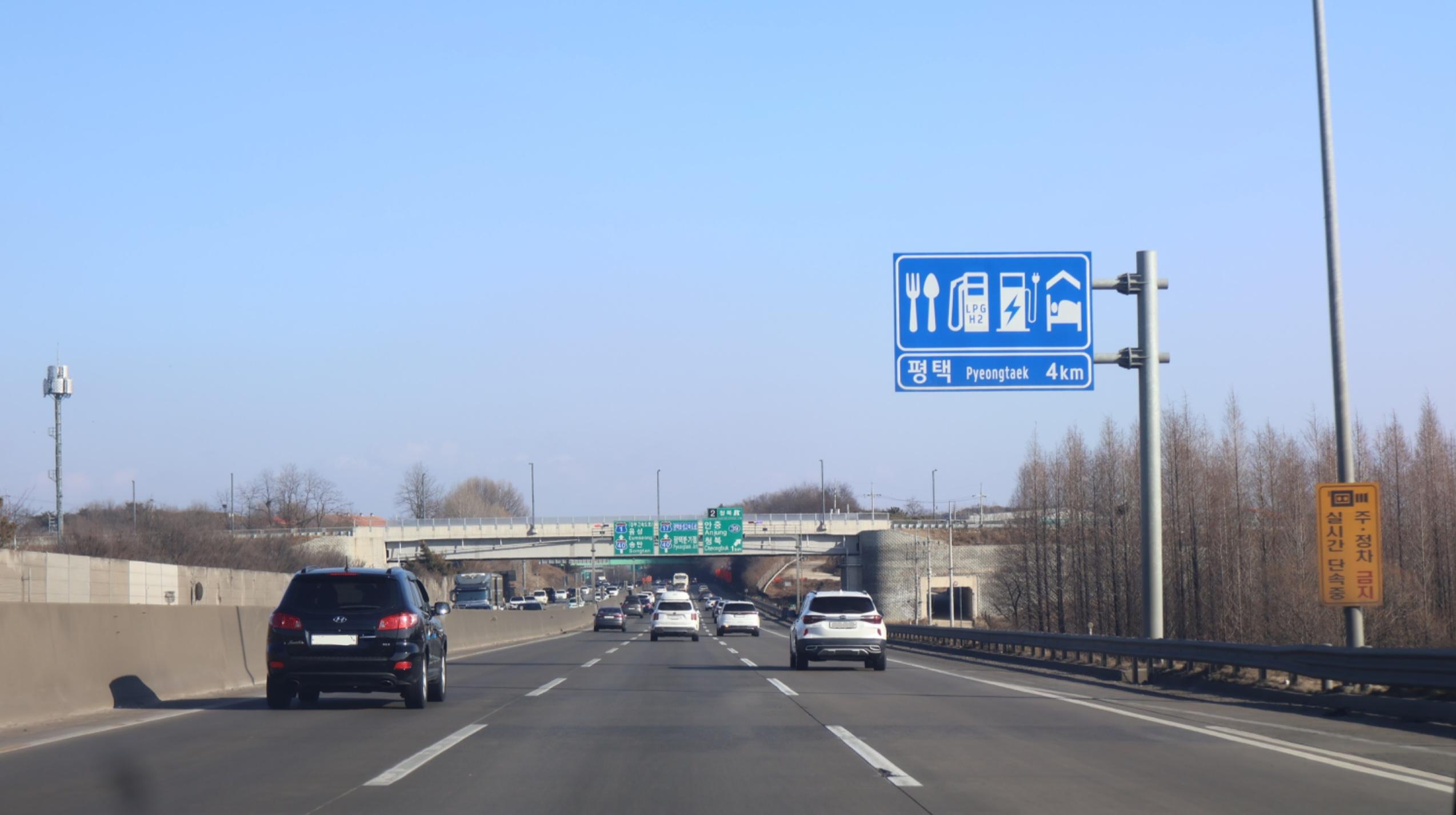
Pack a small kit before the rental pickup: a microfibre cloth for the inside of the windshield (humidity fogs it instantly), a phone car mount so you can keep your hands on the wheel, and a cheap emergency poncho (우비) from Daiso for 2,000 KRW in case you need to swap a tire in the rain. The rental's safety triangle (안전 삼각대) lives in the trunk — confirm it's there before you leave the lot.
Quick Tips From Korean Drivers
- 1Switch wipers to intermittent before entering a tunnel, not after
- 2Stay out of lane 1 (rightmost) in heavy rain to avoid bus spray and puddles
- 3If you see an emergency alert (긴급재난문자) mentioning '호우' or '침수', pull into the next rest stop and check Naver Map
- 4Test wipers, headlights, and rear defogger at the rental lot — not at 100 km/h on the Gyeongbu
- 5After heavy rain, give a sweep across mountain passes — landslide debris can sit on the curve for hours
- 6Keep tank above half full during jangma — gas stations close earlier in flooded areas
FAQ
Frequently Asked Questions
Jangma is intense but predictable, and Korea's road system is built for it. Slow to 80% of the posted limit, keep your wipers and lights on together, skip flooded underpasses, and use rest stops as shelters when it gets serious. With those four habits, the rainy season is just one more part of a Korean summer road trip — and you'll get the moody coastal photos no one shoots in August.
Share this article
You Might Also Like


Get Travel Inspiration
Subscribe for new stories, route guides, and driving tips delivered to your inbox.