
Driving in Korea at Night: What You Need to Know (2026)
Korea is one of the easier countries to drive at night. Expressways stay open and well-marked, rest stops (휴게소) run 24 hours, and 24-hour gas stations sit next to most interchanges. But it's not Tokyo or California, either — once you leave the major highways, lighting drops off fast, water deer (고라니) wander onto rural roads, and drunk-driver enforcement is heavier than in most countries.
This guide covers what foreign drivers actually need to know: when headlights are legally required, what speed limits apply after dark, which roads to avoid late at night, and how to find food, fuel, and help between sunset and sunrise.
At a Glance
Headlights On
Sunset to sunrise
Highway Speed
Same as daytime (100-110 km/h)
DUI Limit
0.03% BAC (license suspension)
Rest Stops
Open 24 hours
Emergency
112 (police) / 119 (ambulance)
Tourist Help (EN)
1330 (24/7)
Is It Safe to Drive in Korea at Night?
Yes — for most routes. Korea's expressway network is fully paved, mostly four to six lanes, and traffic stays steady on the main corridors well past midnight. The Gyeongbu Expressway between Seoul and Busan, the Yeongdong Expressway out to Gangneung, and Seoul's ring roads are all comfortable to drive after dark.
Where it gets harder is the moment you exit onto a regional highway or a mountain road. Gangwon-do in particular has long stretches of two-lane road with no streetlights, sharp curves, and water deer crossings. You'll also notice that truck traffic dominates the right lane on expressways between roughly 10 p.m. and 4 a.m. — keep left and don't tailgate.
One thing that surprises foreigners: speed enforcement does not pause at night. Korea's speed cameras (과속 단속 카메라) are fixed, automated, and run 24 hours. Same fines, same flashes, no warnings.
When You Must Turn On Your Headlights
Under Korea's Road Traffic Act (도로교통법), headlights are mandatory from sunset to sunrise, in tunnels, and any time visibility drops in rain, snow, or fog. The fine for driving without lights is 20,000 KRW for passenger cars and adds points to a Korean license. Rental cars usually default to automatic headlights, but it's worth checking on day one.
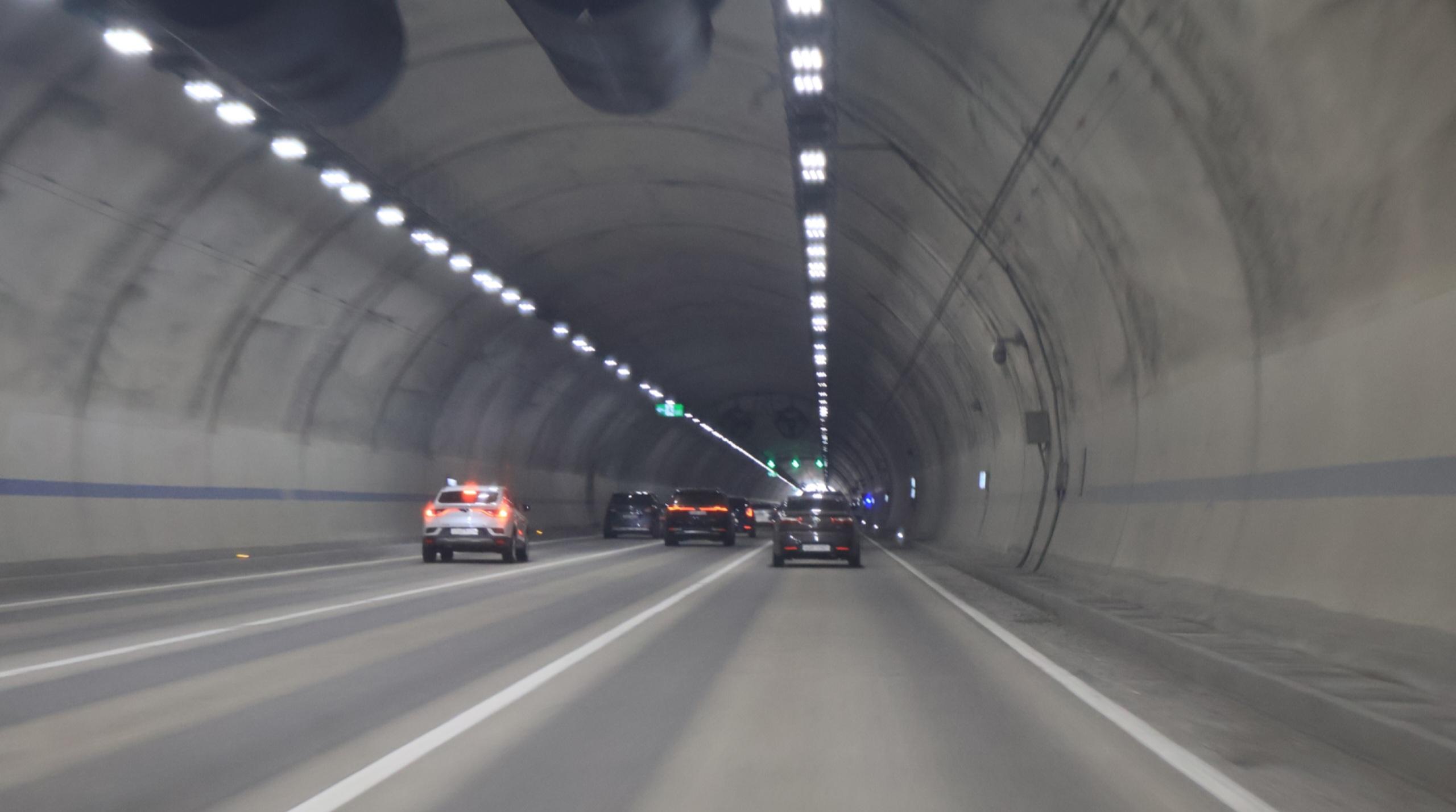
High beams are legal on unlit rural roads but must be dipped when there's oncoming traffic, when you're behind another car, and inside urban areas. Korean drivers flash their high beams briefly as a warning — often it means a speed trap is ahead, not road rage.
- Headlights: required sunset to sunrise, in tunnels, and during low visibility
- Daytime running lights: legal but don't replace full headlights at night
- Hazard lights: use briefly to thank a driver who lets you in
- High beams: fine if you forget to dip them — about 30,000 KRW
Watch Out For: Korea's Real Night Driving Hazards
The biggest danger isn't speed — it's the other vehicles and animals on the road. Here's what local drivers actually look out for after dark.
Drunk drivers (음주운전)
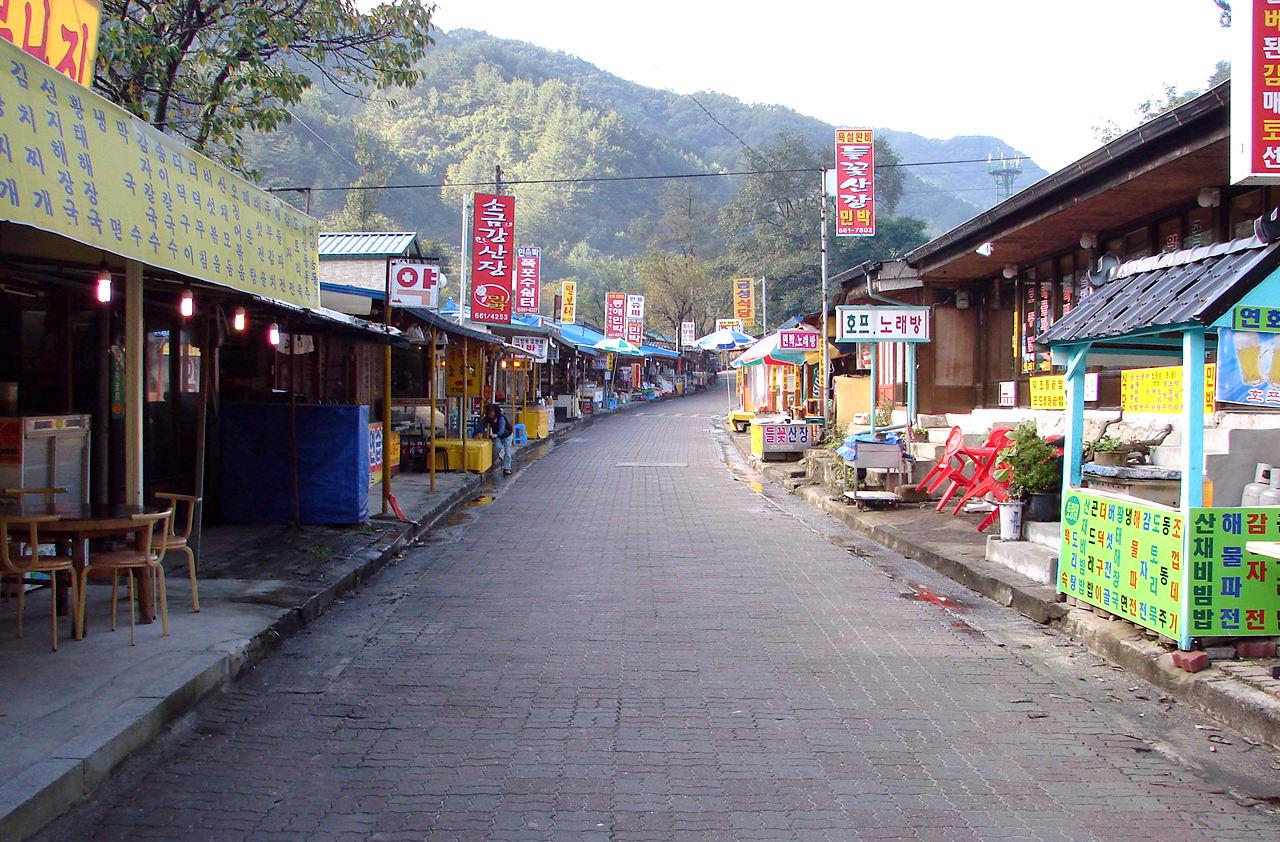
Korea cracked down hard after the 2019 Yoon Chang-ho Law (윤창호법). The legal limit dropped to 0.03% BAC — license suspension — and 0.08% means revocation plus possible jail time. Police set up checkpoints late on weekends, especially near Hongdae, Gangnam, and Itaewon. If you've had even one drink, take a taxi or use Kakao T Daeri (대리운전), a designated-driver service that drives your rental home for about 15,000-25,000 KRW within Seoul.
Water deer (고라니) and wildlife
Water deer are everywhere outside the cities and are the cause of thousands of car-versus-animal incidents each year. They freeze in headlights and bolt without warning. The danger zones are Gangwon-do, the Chungcheong provinces, and any expressway that cuts through forested mountains. Slow down on rural curves and scan the shoulders, not just the lane.
Delivery scooters (배달 오토바이)
In cities, Baemin and Coupang Eats riders work hardest from 8 p.m. to midnight. They split lanes, run red lights, and often ride without rear reflectors. Check your right blind spot every time you turn, especially in Hongdae, Itaewon, and Jongno.
Trucks and construction
Heavy trucks dominate Korean expressways at night and tend to run close to or slightly over the speed limit. Highway construction is mostly done overnight — expect lane closures and reduced-speed zones (보통 80 km/h down from 110) marked by orange flashing lights.
24-Hour Rest Stops, Gas, and Convenience
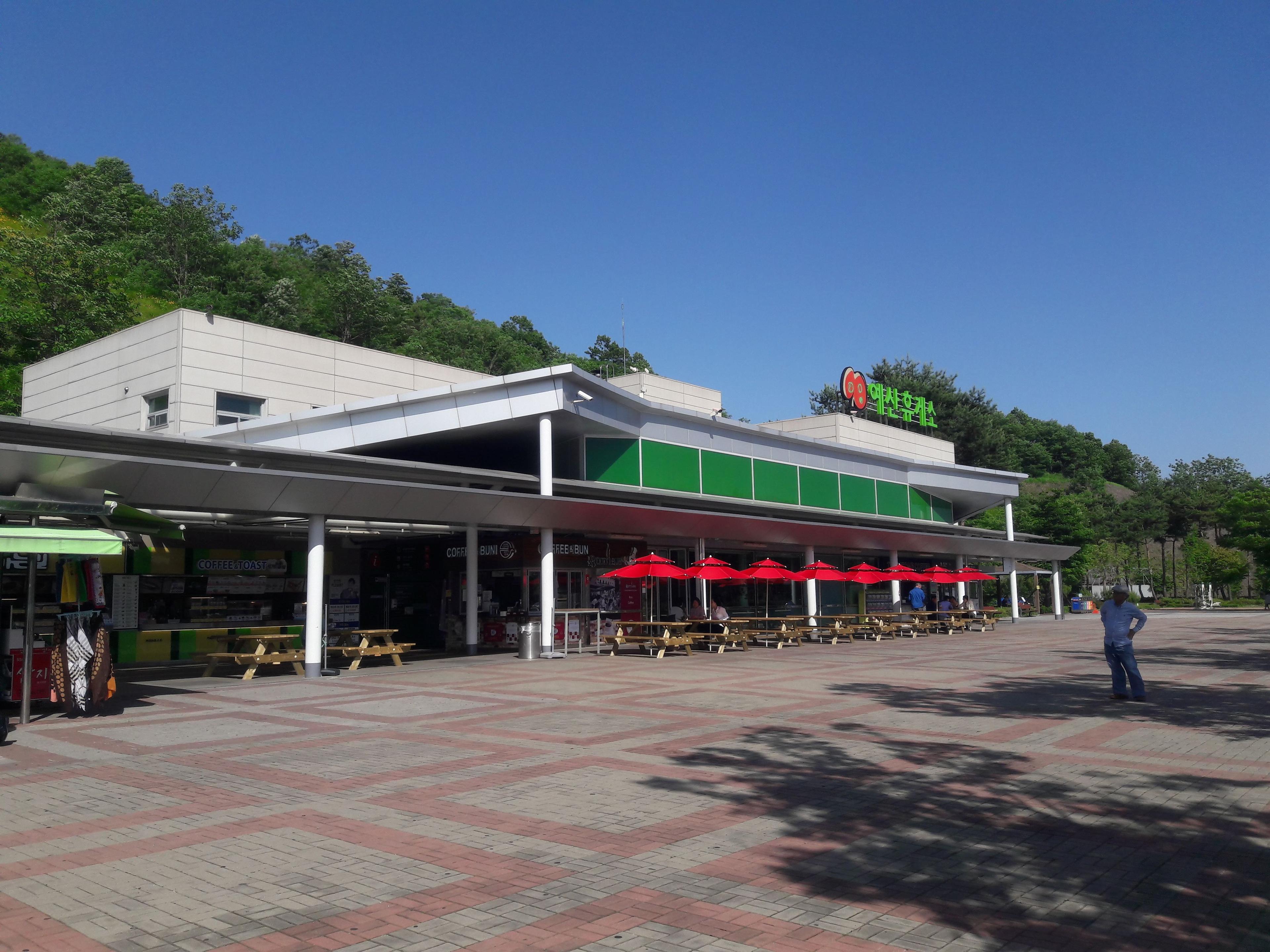
This is where Korea shines. Almost every expressway rest stop (휴게소) is open 24 hours — bathrooms, parking, and at least one food counter. Most have a GS25, CU, or 7-Eleven convenience store and a 24-hour fuel station. The big ones — Anseong, Deokpyeong, Cheonan-Samgeori, Geumgang — keep multiple restaurants open through the night.
For fuel, look for SK Energy, GS Caltex, S-Oil, or Hyundai Oilbank logos. Most expressway-adjacent stations run 24 hours; in smaller towns, expect a 10 p.m. to 6 a.m. closure window. Diesel and gasoline are typically 1,600-1,800 KRW per liter at night. Self-service ('셀프') stations are cheaper but the pump UI is in Korean — bring a translation app.
- Coffee at 2 a.m.: every major rest stop has a vending bar or a 24-hour Mega Coffee
- Nap rooms (수면실): a few large rest stops offer paid 1-hour nap rooms for 5,000-10,000 KRW
- EV charging: most expressway rest stops have Tesla and CCS Combo chargers, working overnight
- Toilet stops: free, clean, and well-lit at every rest stop — no purchase needed
Best Night Drives in Korea
Some routes are genuinely better at night — less traffic, dramatic city lights, or scenery that looks completely different after sunset.
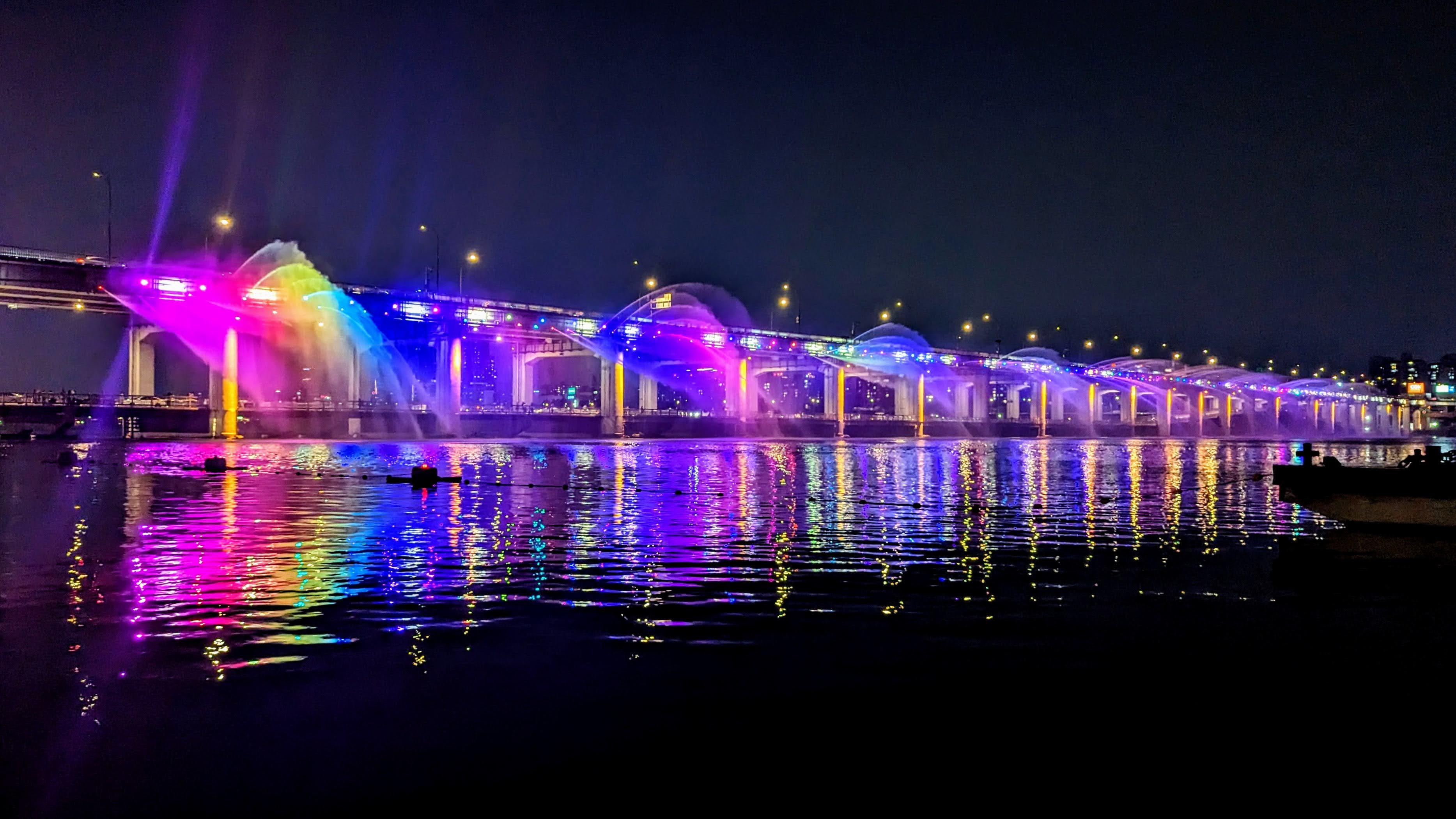
- Han River bridges (Seoul): cross Banpo Bridge between 8-10 p.m. April-October to catch the rainbow fountain show
- Namsan Tunnel No. 3 → N Seoul Tower: short loop with city-light views from the lookout points
- Gwangan Bridge (Busan): the Diamond Bridge lights up nightly — drive it both directions for the photo
- Yeongdong Expressway eastbound: leave Seoul at 11 p.m., arrive in Gangneung for sunrise on the East Sea
- Jeju coastal road (1132): lap the island after dark in summer — almost empty and lit by moonlight
What to Do If You Need Help
Korea's emergency response is fast and well-organized, and English-speaking help exists even at 3 a.m. Save these numbers before you start driving.
- 112 — police (English available, automated language menu)
- 119 — fire and ambulance (covers traffic accidents too)
- 1588-2504 — Korea Expressway Corp roadside assistance (free towing to the nearest rest stop)
- 1330 — 24-hour multilingual tourist hotline (English, Chinese, Japanese)
- Your rental company's 24-hour line — listed on the windshield sticker and contract
If you break down on the expressway, pull as far onto the shoulder as you can, turn on hazard lights, and place the reflective triangle (안전 삼각대) from your trunk 100 meters behind the car (200 meters at night). Then walk to the guardrail and call 1588-2504. The state-funded tow to the next rest stop is free; from there you can call your rental company.
Quick Tips From Local Drivers
- 1Fill up before entering mountain expressways — rural pumps close earlier than expressway ones
- 2Use Naver Map or KakaoMap for live traffic. Google Maps doesn't show Korean speed cameras or rest-stop facilities
- 3Sunday night is the worst window heading into Seoul — leave by 4 p.m. or after 11 p.m. to skip the wall
- 4Never park on the right lane shoulder to sleep. Use a rest stop. Police regularly remove cars from highway shoulders
- 5If a driver flashes high beams at you, slow down — there's a camera or police ahead
FAQ
Frequently Asked Questions
Night driving in Korea is genuinely pleasant once you know the rules. Watch your headlights, watch for deer outside the cities, do not drink even one beer, and you'll find empty highways, open rest stops, and some of the best city-light views in Asia. Pack snacks, top up the tank, and go.
Share this article
You Might Also Like


Get Travel Inspiration
Subscribe for new stories, route guides, and driving tips delivered to your inbox.