
Korea Summer Festivals 2026: Drive-In Guide for Foreigners
Korea packs more festivals into June, July, and August than any other season — mud wars on the West Sea, rock crowds in Incheon, EDM weekends in Seoul, fried chicken in Daegu, and beach parties in Busan. This guide lists the 6 summer festivals worth driving to in 2026, with dates, routes, parking tips, and what foreigners actually need to know on the ground. Last updated: May 2026
1. Boryeong Mud Festival (Mid-July, Daecheon Beach)
Boryeong Mud Festival (보령머드축제) at Daecheon Beach in Chungnam is the single biggest international event in the Korean festival calendar. Around 50,000 people per day show up to wrestle in mineral mud, slide down inflatables, and dance at evening foam parties. Roughly half of those people are foreign tourists — staff speak English, signage is bilingual, and the whole festival was built with international visitors in mind.
- 2026 dates: mid-July to early August (confirm exact dates on boryeongmudfestival.com — usually announced March-April)
- Drive from Seoul: ~200 km, 2.5 hours via the West Coast Expressway (서해안고속도로), ~15,000 KRW toll
- Parking: 10,000-20,000 KRW/day at beach lots during the festival
- Cost: most events free, Mud Experience Zone pass ~10,000-13,000 KRW
Festival weekend traffic is brutal. Saturday morning on the West Coast Expressway can stretch to 4-5 hours from Seoul. Leave before 7am or stay overnight. Boryeong hotels triple in price during the festival, so book 3-6 months ahead if you want to walk to the beach. Full survival guide here: [Boryeong Mud Festival 2026](/journal/boryeong-mud-festival-2026).
2. Busan Sea Festival (Early August, Haeundae)
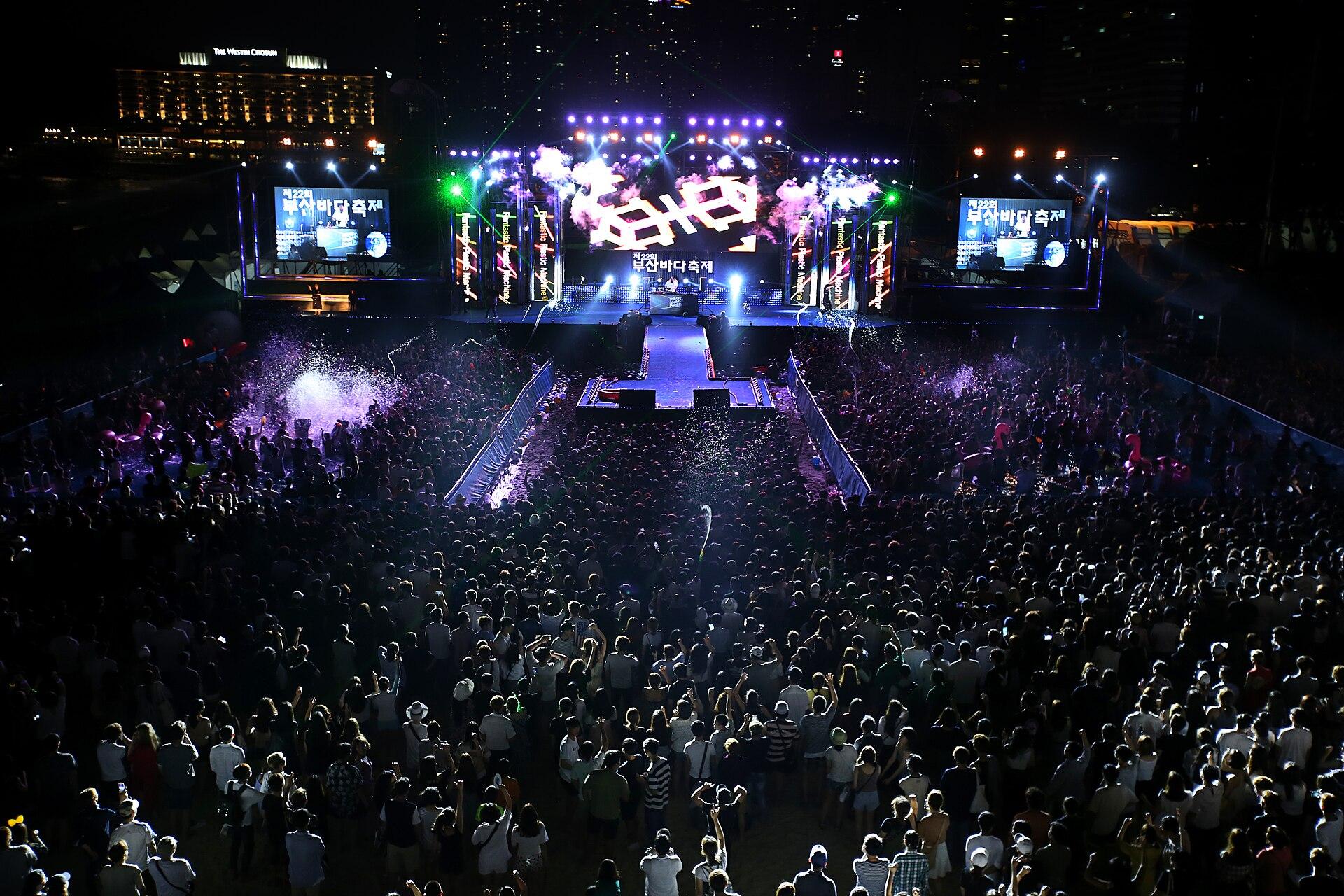
Busan Sea Festival (부산바다축제) is Korea's biggest summer beach festival, running on five beaches — Haeundae, Gwangalli, Songdo, Songjeong, and Dadaepo — for about a week in early August. Each beach hosts different programming: Haeundae has the main stage and K-pop concerts, Gwangalli does the drone show and bridge-lit night events, Songdo runs water sports demos, and Dadaepo is the family beach with the sunset fountain.
- 2026 dates: roughly August 1-7 (check visitbusan.net closer to date)
- Drive from Seoul: ~400 km, 4-4.5 hours via Gyeongbu Expressway, ~25,000 KRW toll
- Drive from Daegu: ~95 km, ~1.5 hours
- Parking: avoid driving to Haeundae itself — use park-and-ride at Centum City (5,000 KRW/day) and ride Metro Line 2
- Cost: all main events free
Busan in August is hot, humid, and crowded — pace yourself, hydrate constantly, and plan beach time around morning or evening. The Gwangalli drone show is the single most photographed event of the festival; show up by 8pm for a spot on the sand. If you're combining this with a road trip, our full [Busan road trip guide](/journal/busan-road-trip) covers the rest of the city.
3. Incheon Pentaport Rock Festival (Early August)
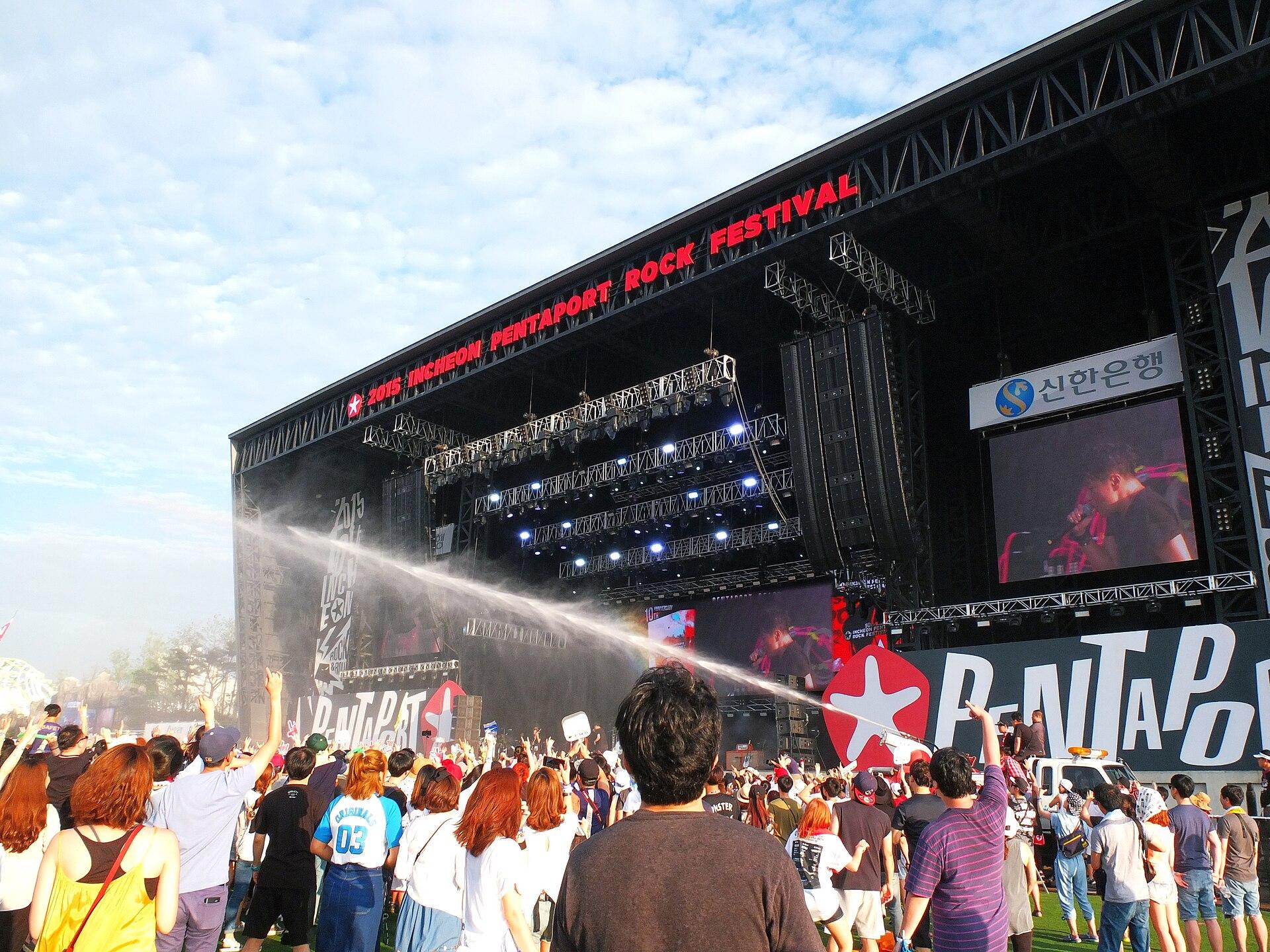
Incheon Pentaport Rock Festival (인천 펜타포트 락 페스티벌) is Korea's longest-running and most respected rock festival, started in 2006 and held at Songdo Moonlight Festival Park. The lineup mixes major international rock and indie acts with Korean bands — past headliners include Weezer, Bastille, The Vaccines, and most of Korea's top indie scene.
- 2026 dates: usually first weekend of August, 3 days
- Drive from Seoul: ~50 km, ~1 hour via Incheon Bridge / Gyeongin Expressway
- Parking: limited on-site, expect 10,000-15,000 KRW/day; use Incheon Subway Line 1 to Central Park Station as backup
- 3-day pass: roughly 220,000-260,000 KRW (2025 pricing — 2026 likely similar)
- Single day: ~140,000 KRW
Songdo is built on reclaimed land and gets brutally hot in August with no natural shade. Bring a hat, refill bottle, and battery pack — phone reception drops in the crowd, and you'll need a meeting point. The festival shuttle from Central Park Station is the most reliable option if you don't want to drive home tired at 1am.
4. Ultra Korea (Early June, Seoul)
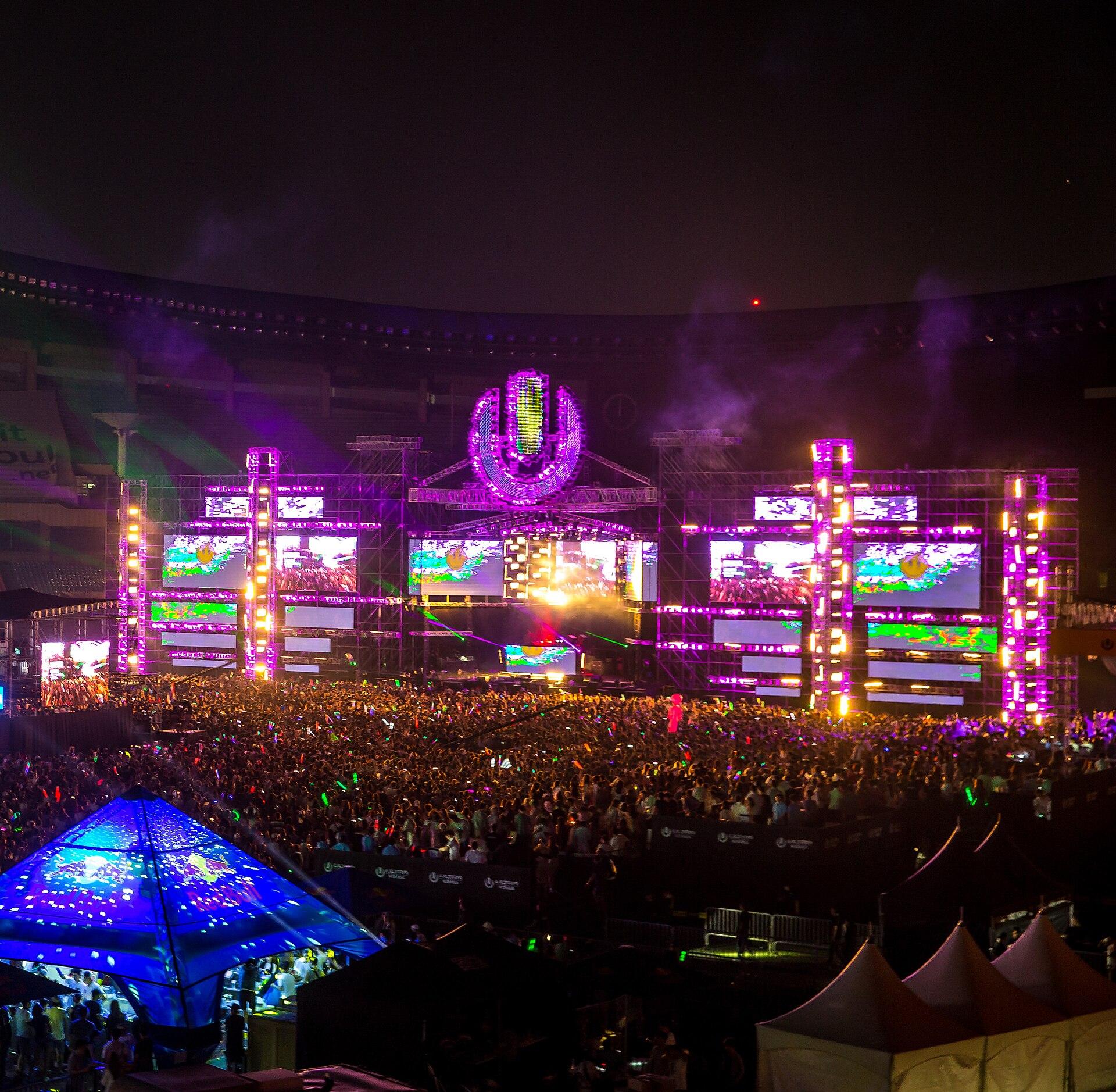
Ultra Korea (울트라 코리아) is the Asian leg of the global Ultra Music Festival franchise and the country's marquee EDM event. Held at Jamsil Olympic Stadium in southeast Seoul, it draws crowds from across Asia for two days of headliners — past lineups have included Martin Garrix, David Guetta, Skrillex, and Zedd.
- 2026 dates: usually first or second weekend of June (check umfkorea.com)
- Location: Jamsil Sports Complex, Seoul
- Driving: don't. Subway to Sports Complex Station (Line 2/9) is faster
- If you must drive: paid lots near COEX and Jamsil mall — expect 20,000+ KRW for the night
- 2-day pass: roughly 350,000-450,000 KRW
Seoul subways stop around midnight, but Ultra runs until 11pm to give the crowd time to get home. If you're staying out, plan for a Kakao T taxi (expect surge pricing on festival nights) or pre-book a hotel walking distance from Jamsil. Don't drink and drive in Korea — the legal limit is 0.03% BAC, well below most countries, and police set up post-festival checkpoints.
5. Daegu Chimac Festival (Mid-July)
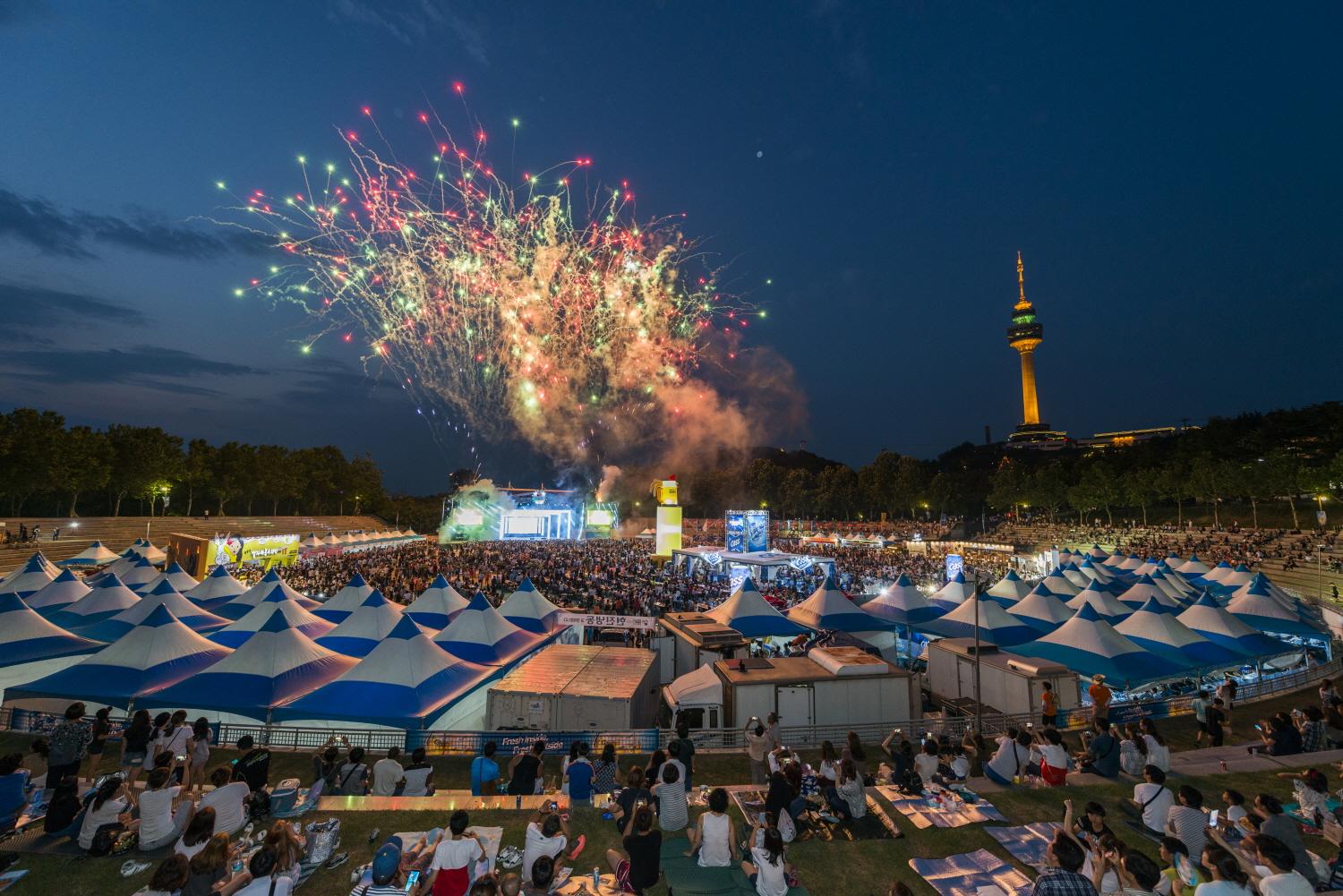
Daegu Chimac Festival (대구 치맥페스티벌) is the country's most delicious festival — five days of chimaek (치맥), the Korean ritual of fried chicken with cold draft beer. Held at Duryu Park (두류공원) in Daegu, the festival features over 100 chicken brands, dozens of local craft brewers, K-pop concerts, and a giant outdoor beer hall that seats thousands.
- 2026 dates: mid-July, 5 days (usually Wed-Sun, dates announced around April-May)
- Drive from Seoul: ~300 km, ~3.5 hours via Gyeongbu Expressway
- Drive from Busan: ~90 km, ~1.5 hours
- Parking: Duryu Park has 1,500+ spots but fills by 5pm — overflow at nearby E-World
- Entry: free, you pay per chicken + beer (~25,000-35,000 KRW per person)
Daegu summers are famously hot — locally nicknamed "daefrica" (대프리카) for hitting 38-40°C in late July. The festival timing is intentional: cold beer at sunset feels much better when the day was 38°C. Try Kkanpunggi (깐풍기) spicy soy-garlic chicken and honey butter chicken — both are Daegu specialties. More on the chicken-and-beer ritual in our [Korean BBQ guide](/journal/korean-bbq-guide) and [Korean restaurant etiquette guide](/journal/korean-restaurant-etiquette).
6. Ansan Street Arts Festival (Early May–June)
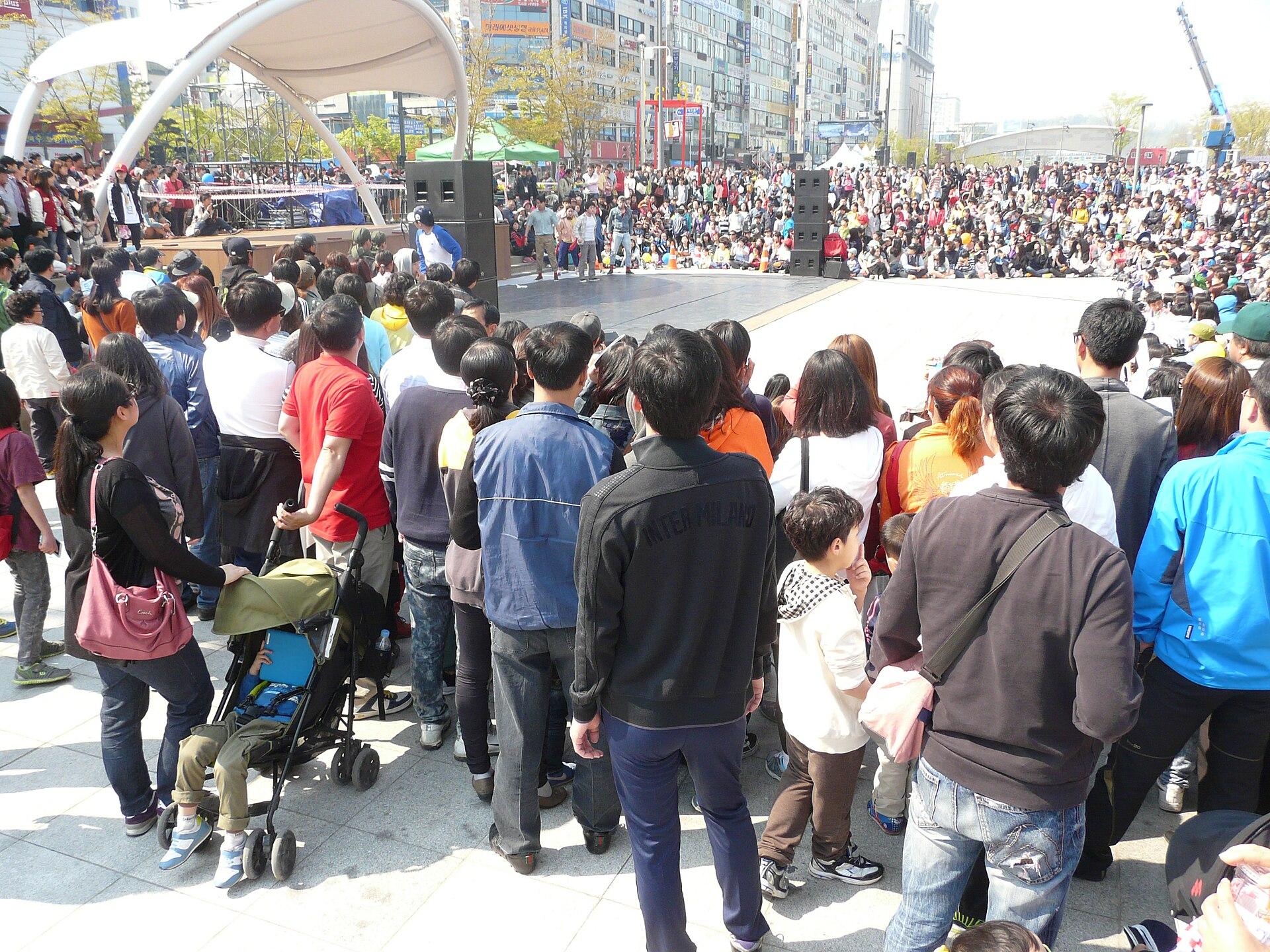
Ansan Street Arts Festival (안산국제거리극축제) is the quietest pick on this list and arguably the best value — it's completely free, runs across the streets of Ansan, and brings international street performance companies, parades, and outdoor theater. It opens summer festival season in early May and is a perfect day trip from Seoul.
- 2026 dates: typically early May, 4 days (check ansanfest.com)
- Drive from Seoul: ~40 km, 45 min-1 hr via Seohaean Expressway
- Parking: free park-and-ride at multiple shuttle hubs — don't try to park near the venues
- Entry: free
- Vibe: family-friendly, kid-friendly, no drinking culture
If you have kids or want something culturally rich without the festival-grade chaos of Boryeong or Ultra, Ansan is the answer. It also doubles as a soft intro to Korean festival logistics before you commit to a sweatier event.
Festival Driving — What Foreigners Should Know
A few practical notes specific to festival driving in Korea. Most of them only become obvious after you've made the mistake once.
- Hi-Pass: rental cars usually have it pre-installed — confirm at pickup. Saves 10-20 minutes at toll plazas on busy festival weekends. See our [Hi-Pass toll guide](/journal/korea-hipass-toll-guide).
- Drink limit: 0.03% BAC — one beer can put you over. Korea has the world's lowest tolerance. Don't drive after even one drink.
- Rest stops: highways have excellent rest stops every 30-50 km with fresh food and clean bathrooms. Plan one stop each direction. See [Korean rest stop food](/journal/korean-rest-stop-food).
- Navigation: Google Maps doesn't have driving directions in Korea. Use Naver Map or Kakao Map — both have English now. See [Naver vs Kakao Map](/journal/naver-map-vs-kakao-map).
- Night driving: festivals end late, highway lighting is good but watch for deer in Gangwon and rural Chungnam. See [night driving in Korea](/journal/night-driving-korea).
- Rainy season (장마): late June through mid-July overlaps with several festivals. Have wipers and a backup transit plan. See [rainy season driving](/journal/korea-rainy-season-driving).
Quick Tips
- 1Book accommodation early — Boryeong, Busan, and Daegu festival hotels triple in price and sell out 3-6 months ahead
- 2Pick midweek dates when possible — Tuesday-Thursday is dramatically cheaper and less crowded than the weekend
- 3Buy festival passes at the official site or on-site booth, never from third-party resellers
- 4Pack a dry bag — even non-mud festivals get rained on during 장마 season
- 5Cash is still useful — many beach and festival vendors don't take foreign cards reliably
- 6Leave festival venues after midnight, not at 11pm with the entire crowd — traffic clears fast once the rush ends
- 7Don't drive after drinking, full stop — Korea's BAC limit is 0.03% and enforcement is strict
FAQ
Frequently Asked Questions
Korea's summer festival season is the best 90 days of the year to be in the country if you're up for crowds, heat, and the occasional all-night drive home. Pick one big event (Boryeong or Pentaport), one chill one (Ansan or Busan Sea Festival), book hotels now, and rent a car — the festivals worth driving to are also the ones where transit alone will exhaust you. Coming during 장마? Read our [rainy season driving guide](/journal/korea-rainy-season-driving) before you go.
Share this article
You Might Also Like


Get Travel Inspiration
Subscribe for new stories, route guides, and driving tips delivered to your inbox.