
Summer Beach Drives in Korea: 7 Coastal Routes (2026 Guide)
Korea has 2,413 km of coastline and almost every meter of it is reachable by car. The East Sea has the clearest water and the steepest drops; the West Sea has the biggest tides and the softest sand; the South Sea has islands stitched together by bridges; and Jeju is its own road-trip universe 90 km offshore. With a rental, you can string the highlights together in two or three days each — and skip the bottlenecks that wreck the train-and-bus crowd.
Below are seven coastal drives I'd actually do on a hot weekend. Each one tells you the parking situation, the food worth stopping for, and the timing that keeps you off the worst of the July–August crush. Pair this with a Hi-Pass-equipped rental and you're set.
1. Haeundae & Gwangalli: Busan's Neon Coast
Start with the obvious one. Haeundae Beach is Korea's most famous urban beach — 1.5 km of sand framed by a wall of high-rise hotels and the Marine City skyline. The summer crowds are brutal (think 600,000 visitors on a peak August Saturday), but go midweek or early morning and you'll have it close to yourself.
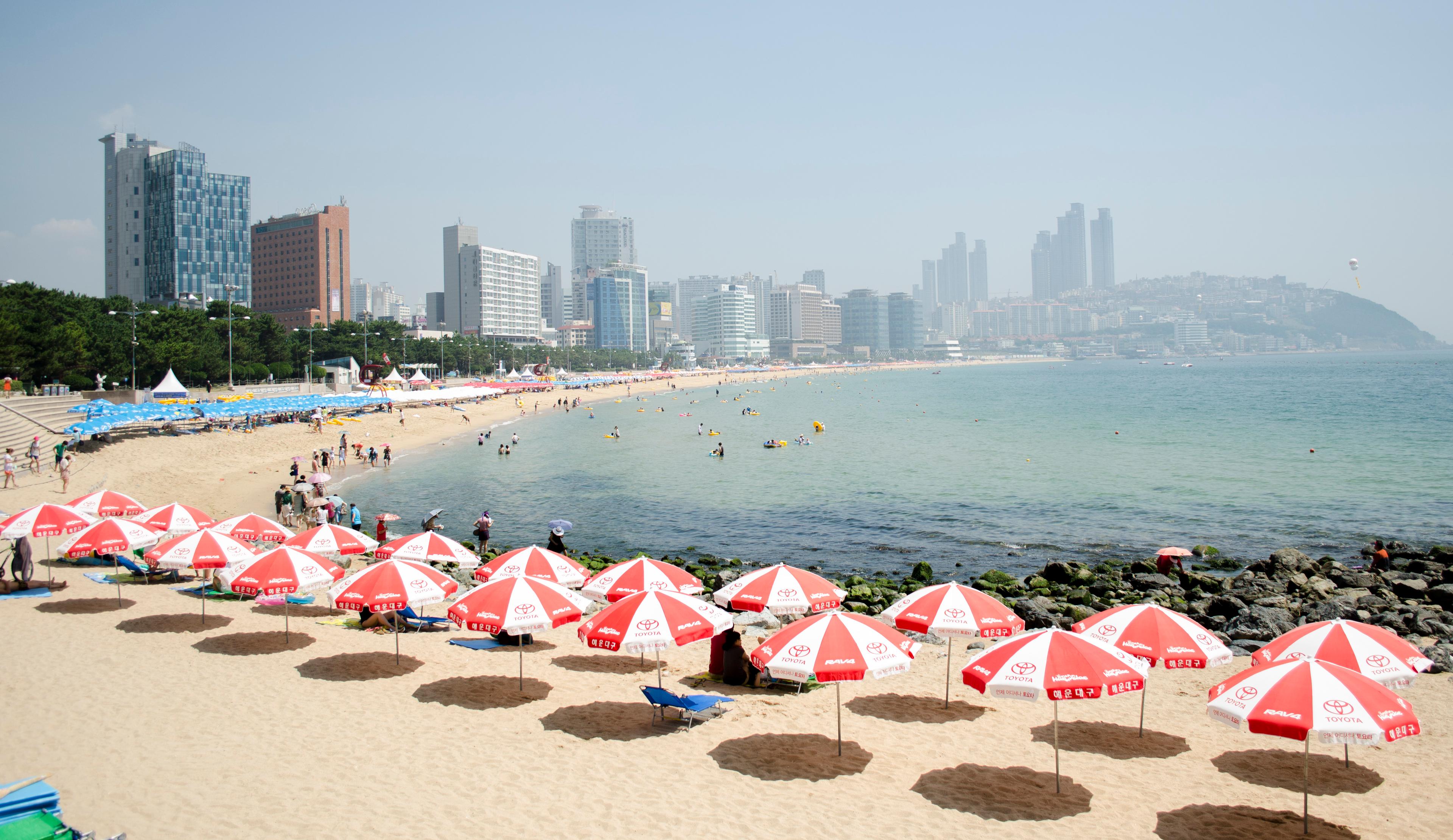
The real drive is the 5 km loop from Haeundae west to Gwangalli Beach, crossing the Gwangan Bridge at night when the LED panels light the span pink and blue. Park at Centum City (around 2,400 KRW for the first hour, capped at 20,000 KRW a day) and walk down to Gwangalli's boardwalk for raw fish, beer, and the bridge view.
- Distance: ~5 km Haeundae ↔ Gwangalli, plus the coast road east to Songjeong
- Parking: Beachfront lots fill by 09:00 in summer — use Centum City or Marine City paid lots
- Eat: Milmyeon (cold buckwheat noodles) at Choryang Milmyeon, ~9,000 KRW
- Best time: Friday night for the bridge lights and drone shows (held about twice a month in summer)
2. Songjeong → Gijang: East Busan's Quiet Side
Twenty minutes east of Haeundae is where Busan starts to feel like a coastline instead of a city. Songjeong Beach is the surf capital of Korea — gentler waves, fewer hotels, and a row of board-rental shacks along the back road. A two-hour lesson runs around 70,000 KRW including board and wetsuit.
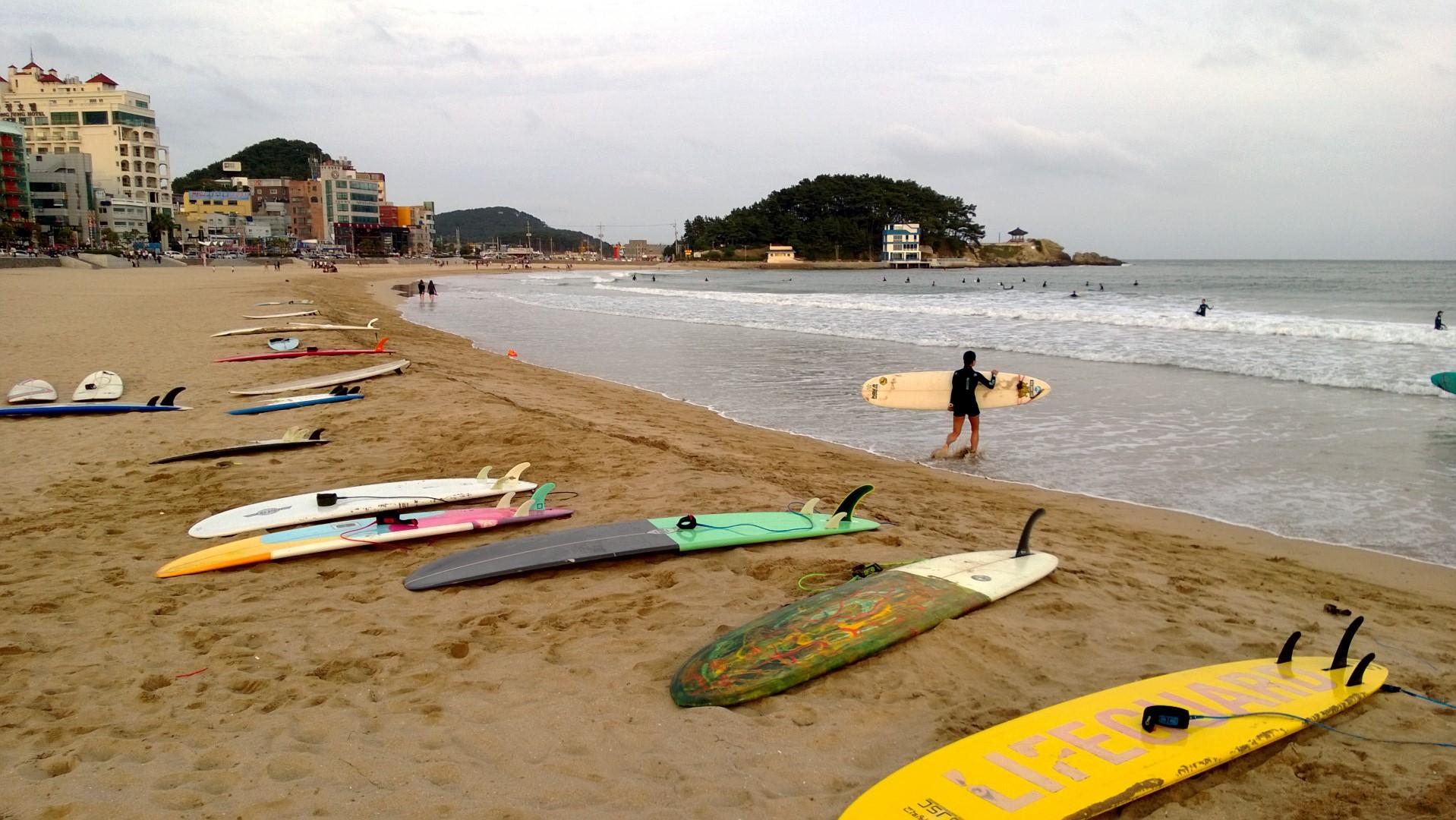
Keep driving north on Route 31 and you'll hit two stunners in 15 minutes: the Cheongsapo Daritdol Skywalk (a glass-floored viewpoint cantilevered over the rocks — free, but expect a 10-minute queue) and Haedong Yonggungsa, a Buddhist temple built directly on the cliffs. The temple parking lot is 4,000 KRW; arrive before 09:00 to avoid the tour bus wave.
- Distance: ~20 km Haeundae → Gijang
- Surf: Songjeong rentals 30,000–50,000 KRW/day, lessons ~70,000 KRW
- Skywalk: Free, closed in high winds
- Eat: Gijang anchovy-and-seaweed set meals at the Gijang Market stalls, ~15,000 KRW
3. Gyeongpo Beach & Anmok Coffee Street (Gangneung)
Up on the East Coast, Gangneung is the summer-weekend pick for half of Seoul. Gyeongpo Beach is the headline — a 1.8 km arc of fine white sand backed by pine forest and the freshwater Gyeongpo Lake. The lake circuit is a flat 4.3 km loop, perfect for a sunset bike ride; rentals run about 5,000 KRW an hour at the lot.
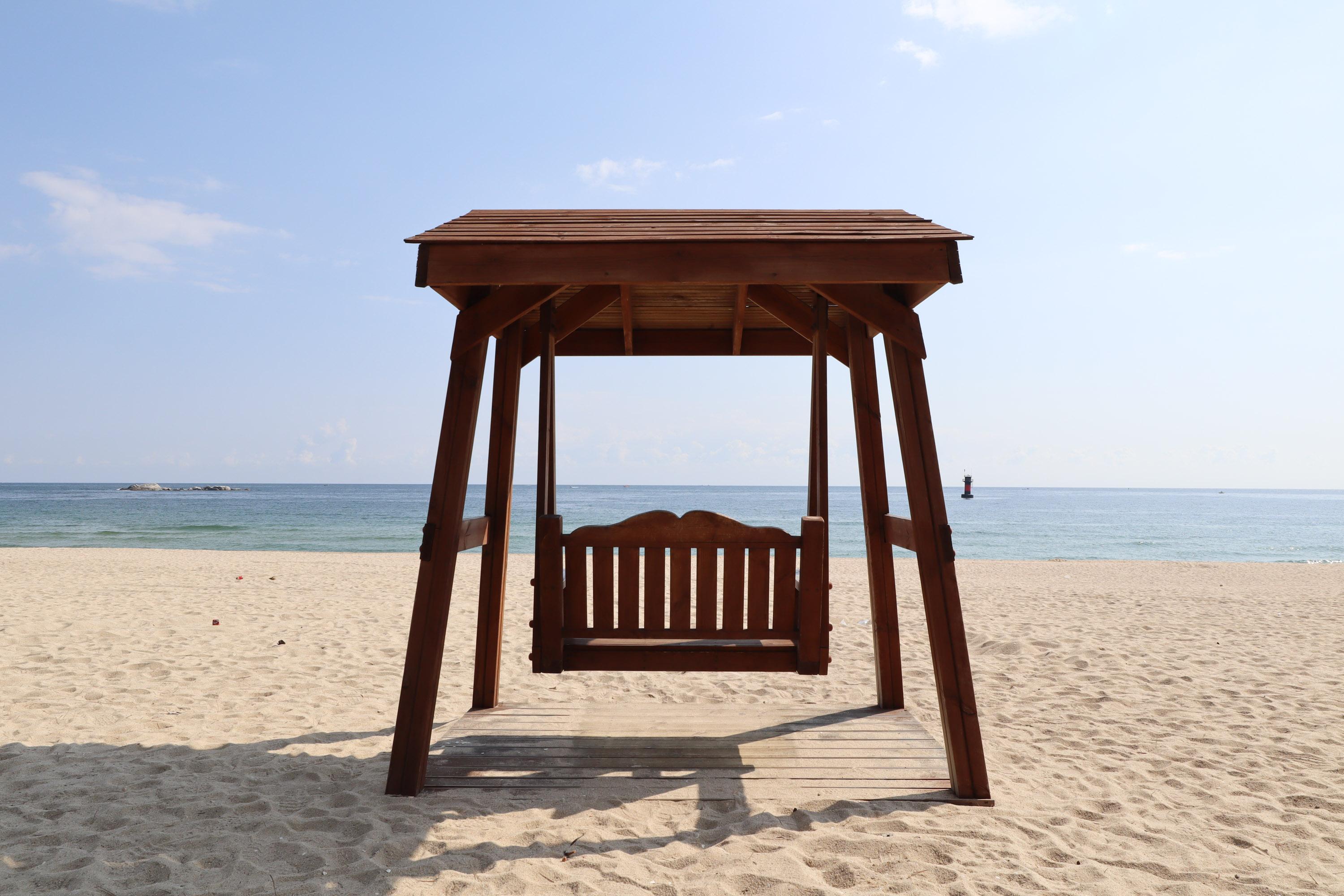
Drive 15 minutes south along the coast and you reach Anmok Beach, the most caffeinated stretch of shoreline in Korea. The waterfront is lined with 20+ specialty coffee roasters, most opened by serious baristas in the early 2000s. Order a pour-over with an ocean view for 6,000–9,000 KRW; Bohemian Coffee and Coffee Cupper are the originals.
- From Seoul: 215 km, ~2h30m via the Yeongdong Expressway
- Parking (Gyeongpo): Free in winter, 2,000 KRW in summer
- Eat: Chodang sundubu (silken tofu) at Chodang Village — go to a place with a tank of fresh seawater out front
- Best beach hour: 06:00–08:00 for sunrise over the sea
4. Naksan & Jukdo Beach (Yangyang)
Yangyang, between Sokcho and Gangneung, has quietly become Korea's beach-bum capital. Jukdo Beach in particular is the surf scene — a curve of pine-backed sand with surf cafes, hostels, and bonfire spots that fill with twenty-somethings on every July weekend. The water is cooler than Busan's but consistently clean.
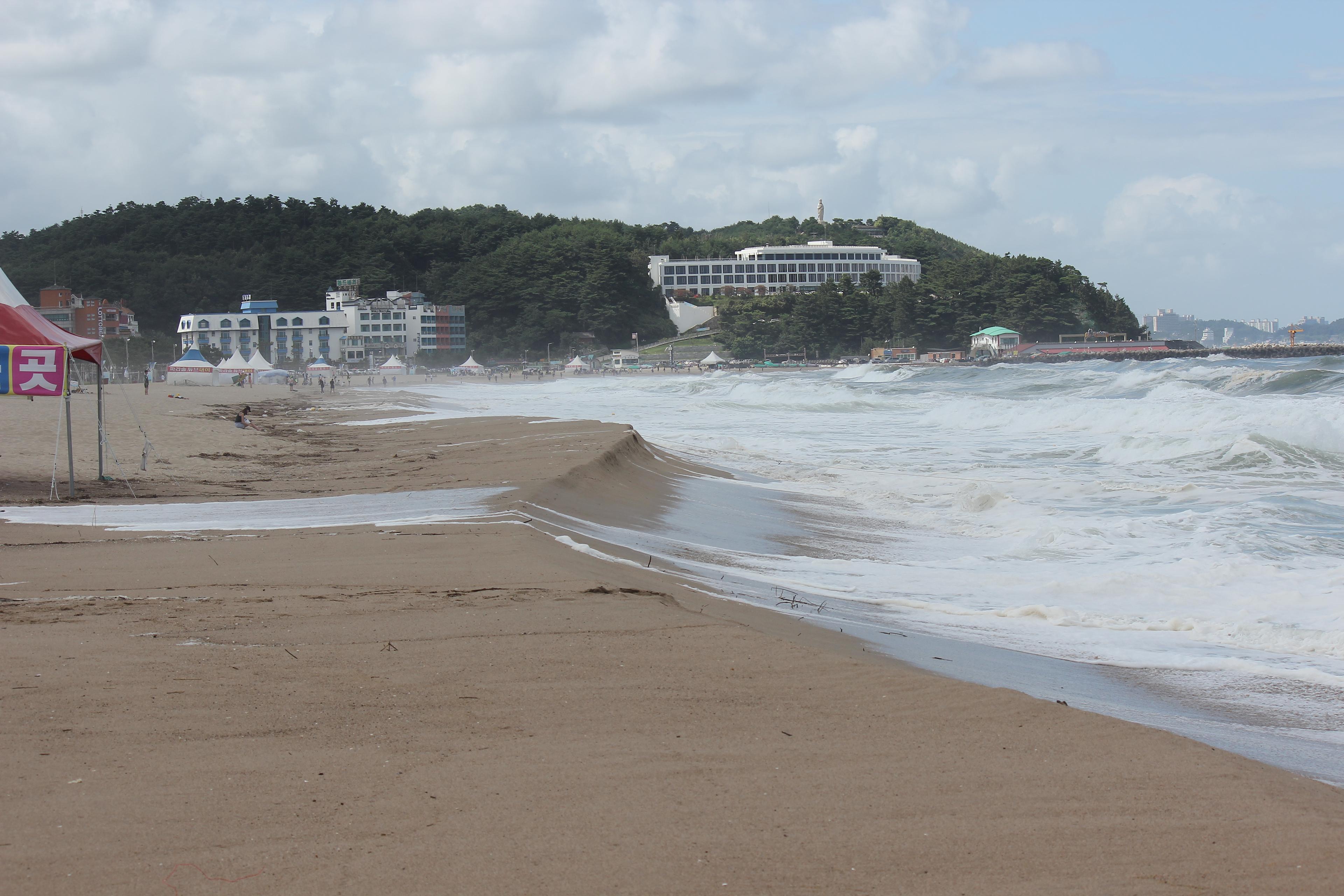
Naksan Beach is the more family-friendly choice 3 km north — calmer, wider, and anchored by the cliff-top Naksansa Temple at the south end. The drive between them runs Route 7 (free, no tolls) and takes about 10 minutes. Park at the public lot behind Jukdo Beach (around 4,000 KRW for half a day) and walk over the dune.
- From Seoul: ~190 km, 2h via the Seoul-Yangyang Expressway
- Surf board rental: 20,000–30,000 KRW/day at Jukdo
- Eat: Sokcho dakgangjeong (sweet-spicy fried chicken), about 20,000 KRW for a family bucket
- Park nearby: Naksansa Temple — entry 4,000 KRW, opens 04:00 in summer for sunrise
5. Daecheon Beach, Boryeong (West Coast)
Switch coasts. Daecheon Beach in Boryeong is the West Coast's flagship — a 3.5 km stretch of dark, mineral-rich sand that's the home of the Boryeong Mud Festival every July. The tides here are massive (a 6-meter swing is normal), so the visible beach doubles in width at low tide.
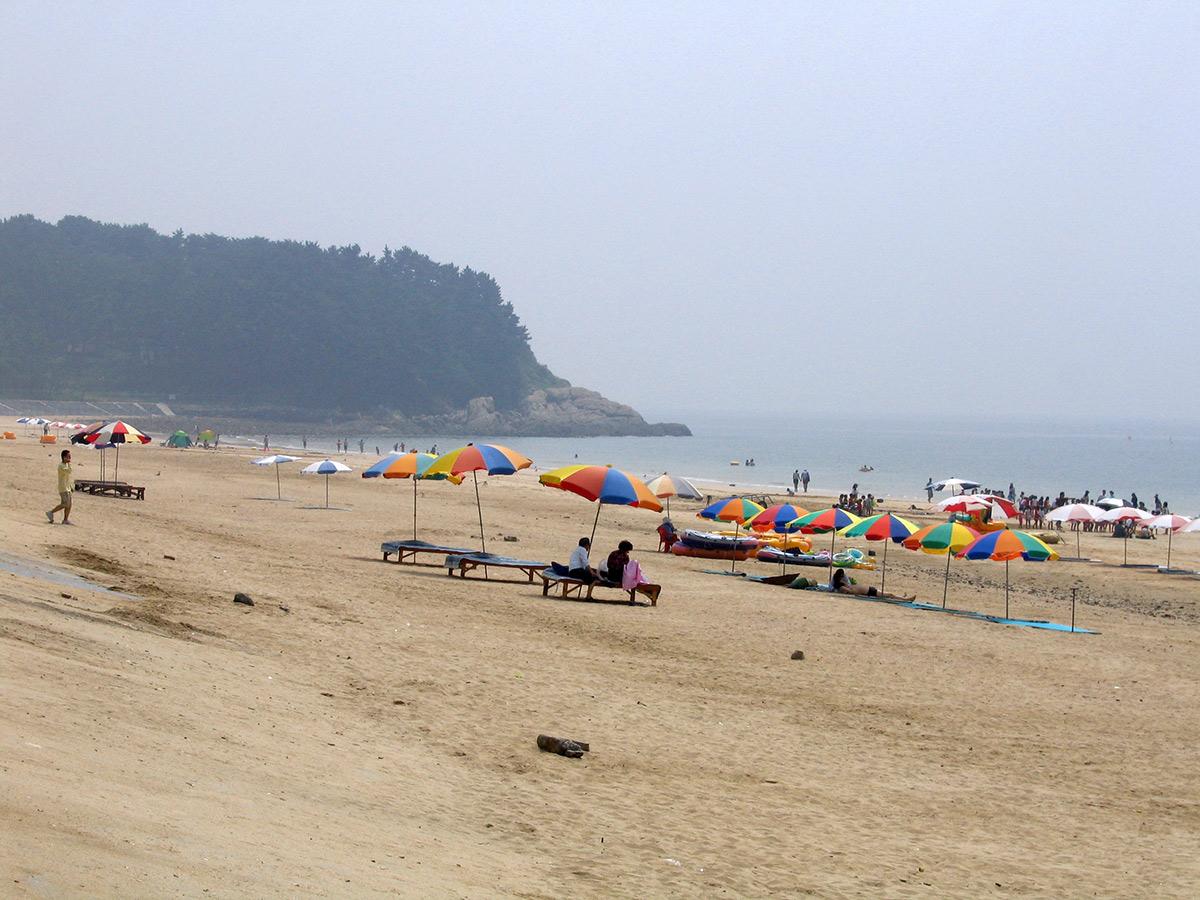
The drive from Seoul is 190 km via the Seohaean (West Coast) Expressway, 2 hours 30 minutes with no traffic. Tolls run about 11,000 KRW with Hi-Pass. Avoid Friday evenings in mud-festival week (mid-July); the expressway exits gridlock for hours. Mid-August onward is much quieter.
- Tide check: Bad-mul info at most beachfront stands — swimming hours change daily
- Parking: Multiple lots along the boardwalk, 5,000–10,000 KRW/day
- Eat: Kkotge-tang (blue-crab stew) at any restaurant on the back road, around 25,000 KRW per person
- Day trip: Ferry to Wonsando island, 50 minutes from Daecheon Port
6. Eurwangni Beach (Yongyu Island, Near Incheon Airport)
Most travelers fly into Incheon Airport and drive straight out. Few realize there's a real beach 15 minutes from the terminal: Eurwangni Beach, on Yongyu Island. The sand is shallow and warm — the water doesn't reach knee-deep until you're 50 meters out — which makes it Korea's best family beach.
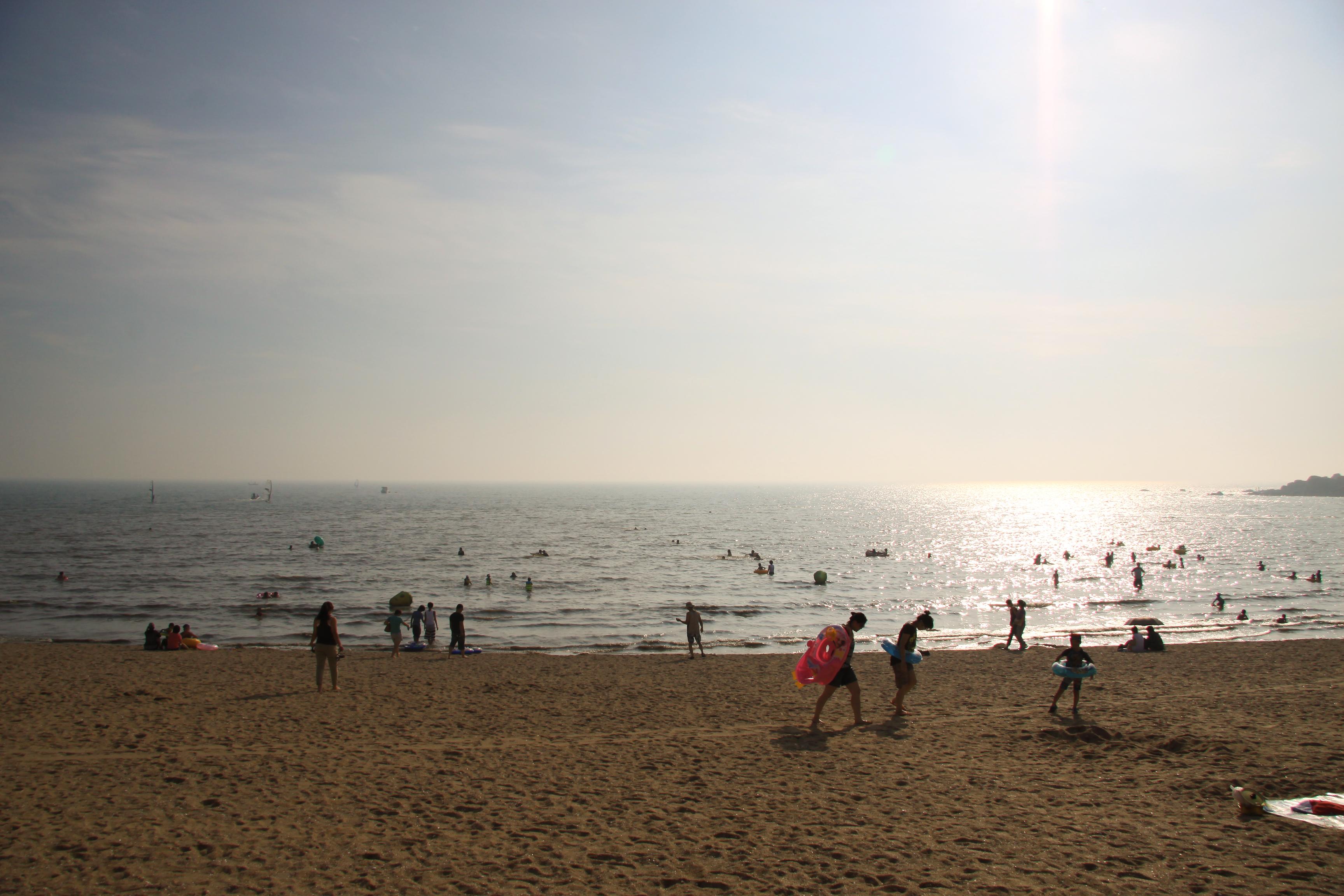
Eurwangni faces directly west, which makes it one of Korea's best sunset spots. Drive across the Yongyu bridge from the airport, park at the public lot (free, but full by 17:00 in summer), and grab a clam-knife-and-bucket set from any seafood shack for around 15,000 KRW to dig your own dinner from the tidal flats.
- From ICN Airport: 15 km, ~20 minutes
- From Seoul: 65 km, ~1h via the Yeongjong Bridge (8,000 KRW toll one-way)
- Eat: Grilled clams (jogae-gui), 30,000–40,000 KRW per kg, cooked at your table
- Pair with: Wangsan Beach next door — same drive, smaller crowd
7. Hyeopjae & Geumneung Beach (Jeju West Coast)
Jeju delivers the closest thing Korea has to tropical water. The west coast — specifically Hyeopjae Beach and the smaller Geumneung Beach next door — has shallow turquoise shallows over white coral-and-shell sand, with the dramatic silhouette of Biyangdo Island floating just offshore.
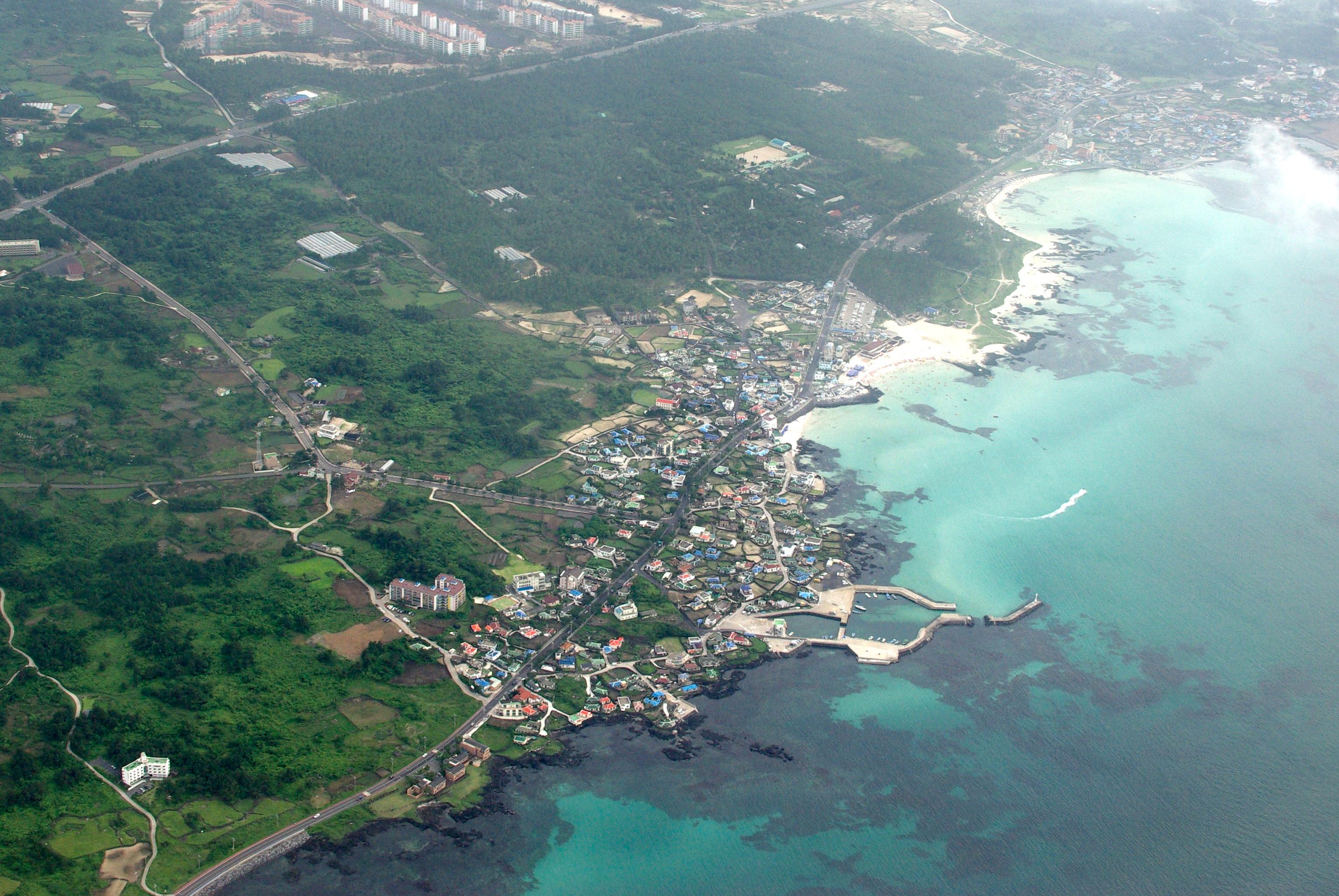
From Jeju International Airport it's a 50-minute drive west on Route 1132. Park at the Hallim Park lot next to the beach (parking included with a 13,000 KRW park entry) or at the public Hyeopjae lot (free, but tight in summer). Combine the beach with the lava-tube caves inside Hallim Park for a half-day plan.
- From Jeju Airport: 35 km, ~50 minutes via Route 1132
- Water depth: Walk-out shallow for 80–100 meters at low tide
- Eat: Fresh abalone porridge (jeonbok-juk), about 18,000 KRW
- Nearby: Hyeopjae Beach Sunset Café Row — turquoise water and espresso
Summer Driving Tips for Korea's Coast
Korean summer driving has its own quirks. Jangma (the monsoon rainy season) usually runs late June to mid-July, with sudden downpours that drop visibility to nothing. Pack rain-X for your windshield, and check Naver Map for real-time road-closure alerts before any coastal drive.
- 1Book early: Rentals at Incheon, Jeju, and Busan airports run out by mid-July — reserve 4+ weeks ahead.
- 2Use Hi-Pass: Most coastal trips include at least one tolled expressway. Cash-lane queues add 20+ minutes on summer weekends.
- 3Beach parking fills by 09:00: Either arrive at sunrise or after 17:00 when the day-trip crowd leaves.
- 4Sand and saltwater: Rinse your tires and floor mats — rental companies fine for excessive sand (typically 30,000–50,000 KRW).
- 5Don't drive drunk: Korea's limit is 0.03% BAC — about one beer. Police checkpoints are common near beach exits at night.
FAQ
Frequently Asked Questions
Pick one coast, book the car, and you'll spend less time in transit and more time in the water. Drive safe, and enjoy the summer.
Share this article
You Might Also Like


Get Travel Inspiration
Subscribe for new stories, route guides, and driving tips delivered to your inbox.