Korea Scenic Tunnel Drives: Mountain Passes and Underground Highways
Korea's geography is relentless. Around 70% of the country is mountainous, and getting anywhere meaningful often means crossing a ridge. For decades, that meant slow, winding passes that closed in winter. Today it means extraordinary tunnels — some nearly 11 km long — cut straight through the rock. But the old passes didn't disappear. They're still there, scenic and mostly empty, and driving them is one of the more underrated road experiences in the country.
This guide covers the key tunnel and mountain pass routes in Gangwon Province, where the terrain is most dramatic. Whether you take the fast underground route or the winding ridgeline alternative — or both — here's what to expect.
The Inje Tunnel: Korea's Underground Expressway
The Inje Tunnel (인제터널) on the Seoul-Yangyang Expressway (서울양양고속도로, Route 60) is approximately 10.97 km long — one of the longest expressway tunnels in Korea. It opened in June 2017 and immediately cut the Seoul-to-Sokcho drive from over 3 hours to under 2.5 hours. If you're heading to the Sokcho, Seoraksan, or east coast area, you'll drive through it.
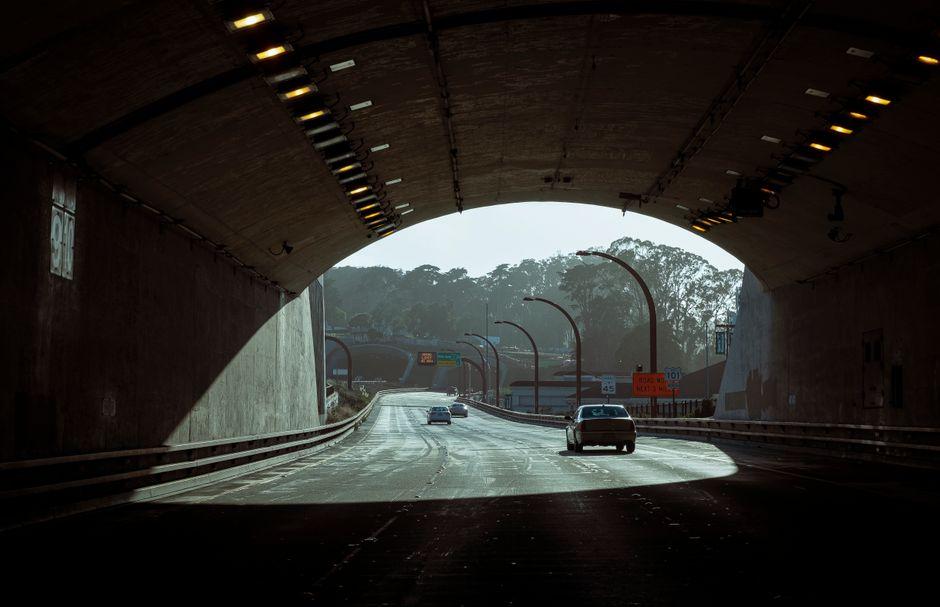
Inside the tunnel, the speed limit is 100 km/h (same as the open expressway). The drive takes around 6–7 minutes at normal speed. The tunnel is well-lit with overhead sodium lights, emergency telephones roughly every 200 m, and emergency bays with fire extinguishers. It's a smooth, modern piece of infrastructure — but the darkness and length can be disorienting the first time. Keep a steady speed and stay in your lane.
- Length: 10.97 km (approx 11 km)
- Speed limit: 100 km/h
- Toll: Included in Seoul-Yangyang Expressway toll (approx 12,900–17,800 KRW Seoul to Sokcho depending on entry/exit)
- Headlights: Required by law — turn on before entering
- No stopping: Prohibited except in emergency bays
Hangyeryeong Pass: The Scenic Alternative
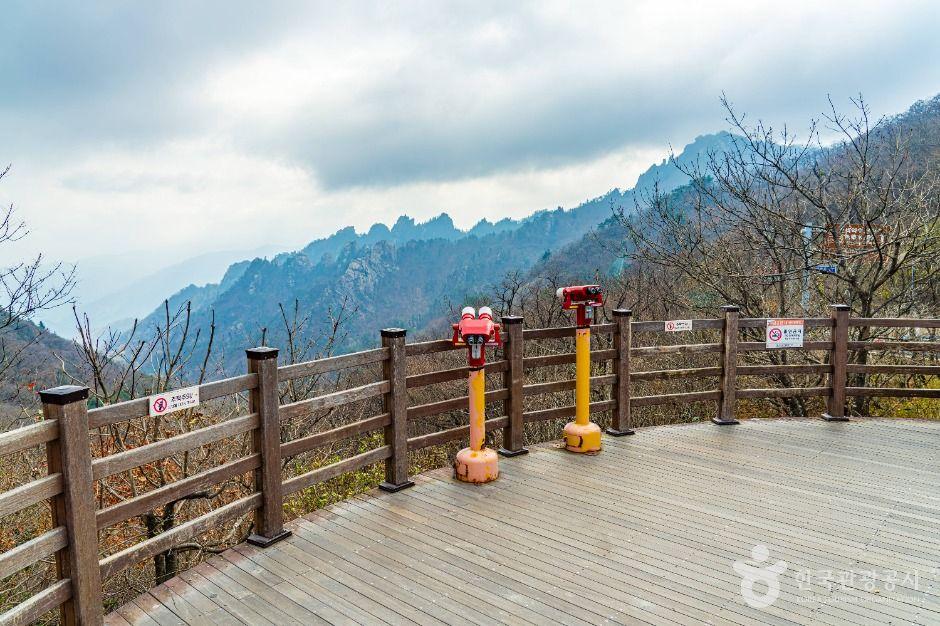
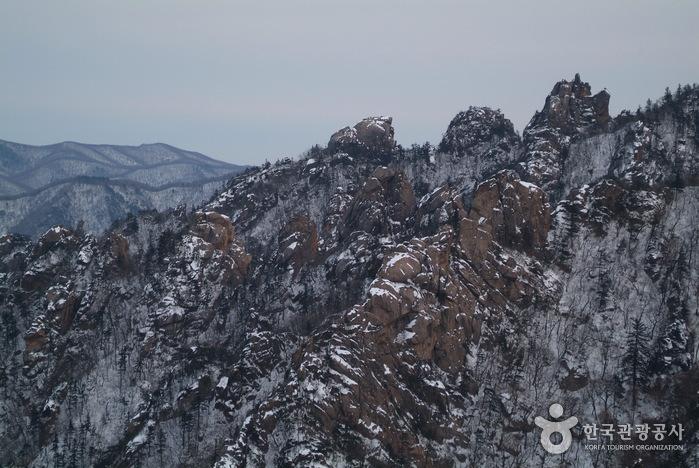
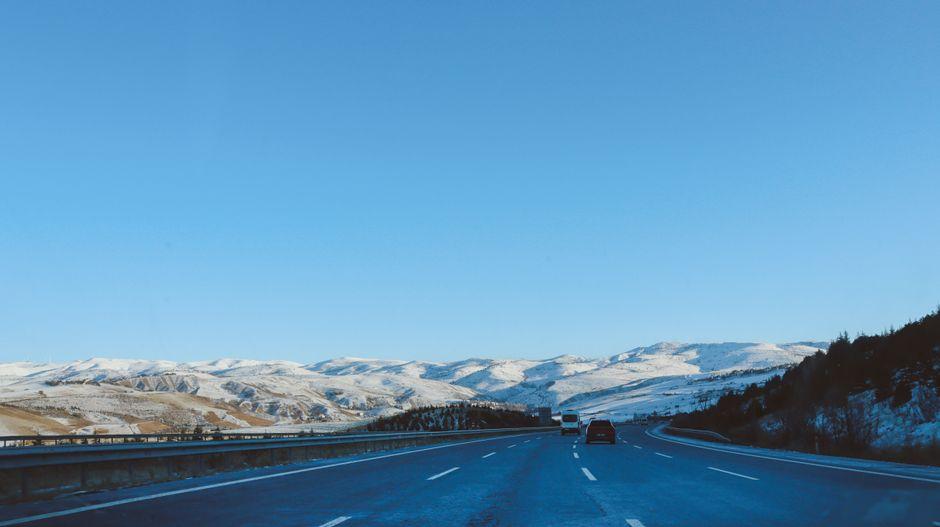
Before the Inje Tunnel existed, everyone crossed Hangyeryeong Pass (한계령) on National Route 44. The pass crests at 1,004 metres between Inje County and Yangyang, and the drive over it is one of the most spectacular mountain roads in Korea. Most tourists now go straight through the tunnel — which means the pass is wonderfully quiet.
From Inje, take Route 44 east. The valley floor section is easy; the climb starts about 15 km in and involves a series of switchbacks through pine and oak forest. At the top, the Hangyeryeong Rest Area (한계령 휴게소) has a small snack kiosk, bathrooms, and a viewpoint looking northwest over the Inje valley — ridge after ridge of forested mountains with no urban development in sight. The descent to Yangyang and the coast is fast.
- Pass elevation: 1,004 m
- Road: National Route 44 — paved, no toll, two lanes
- Speed limit: 50–60 km/h on mountain sections
- Best in: Autumn (October foliage) and summer (clear views)
- Winter warning: Road may close or require chains November–March
Miseryeong Pass: Two Routes, One Mountain
Miseryeong (미시령) near Sokcho presents the same choice in miniature. The Miseryeong Tunnel (미시령터널), a 3.7 km toll tunnel on Route 56, punches straight through the ridge between Inje and Sokcho in about 3 minutes. Just above it runs the old Miseryeong Pass road, which climbs to 826 metres with hairpin bends and an exposed ridgeline with views straight down to Sokcho's harbor and the East Sea on clear days.
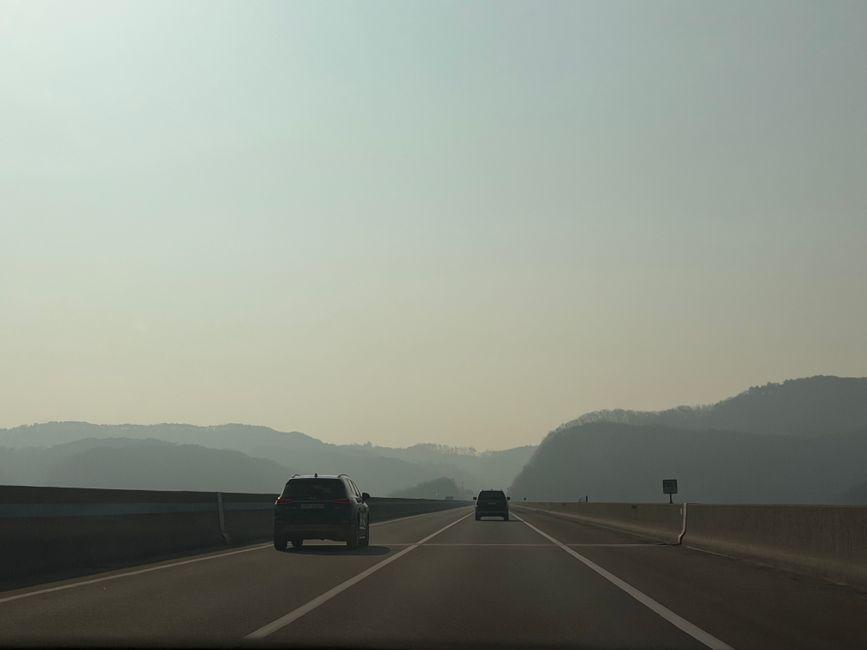
The old pass road is narrow in places and gets less maintenance than the tunnel approach, but it's driveable in a standard rental car in good conditions. The tunnel toll is around 3,200–4,400 KRW for a standard vehicle — reasonable if you're in a hurry. Take the pass if you're heading to Seoraksan Outer Section and want views before parking.
Daegwallyeong: The Famous Pass Above Gangneung
Daegwallyeong (대관령) is the most culturally famous mountain pass in Korea — the name appears in traditional poetry, drama filming, and folk song. The old Route 6 pass road climbs to around 832 metres and winds past the wind turbine farm that now occupies the plateau. The Yeongdong Expressway (50호선) long since cut tunnels through the range, so the pass road is almost exclusively tourist and local traffic.
The plateau at the top is worth a stop: the Daegwallyeong Sky Ranch (대관령 양떼목장) and Samsong Ranch (삼양목장) are popular day-trip destinations from Gangneung. On a clear day you can see both the East Sea to the east and the inner mountains to the west. The descent toward Gangneung drops sharply — take it easy on the brakes.
Tunnel Etiquette: Rules Foreign Drivers Miss
Korean traffic law has specific tunnel rules that differ from many Western countries — and getting them wrong can earn you a fine or create dangerous situations. Here are the ones that catch foreign drivers out:
- 1Headlights on: Korean Road Traffic Act (도로교통법) requires headlights to be on inside all road tunnels. This isn't optional — police do fine for it, and your rental company's dashcam footage will show it. Turn them on before the entrance.
- 2No stopping: Stopping in a tunnel is prohibited except at designated emergency bays (marked with yellow/red signage). If you have a mechanical problem, coast to an emergency bay and use the orange emergency phone.
- 3Speed limit compliance: Tunnels typically post their own speed limit at the entrance — on expressways this is usually 100 km/h, on national routes 50–80 km/h. Fixed speed cameras (구간단속) are common on long expressway tunnels including the Inje Tunnel.
- 4No overtaking in short tunnels: In tunnels under approximately 300 m on two-lane roads, overtaking is prohibited. On expressways, normal lane change rules apply.
- 5Lane discipline: Stay in your lane. The yellow centre line is a no-cross line in most tunnel configurations.
Quick Tips for Tunnel Driving in Korea
- 1Check NAVER Map before leaving: Tunnels aren't always on Google Maps Korea's best routing. NAVER Map shows tunnel names, lengths, and toll costs in advance.
- 2Set ventilation to recirculate before long tunnels: Diesel exhaust builds up in long tunnels — switching to internal air recirculation before entering keeps the cabin air fresher.
- 3Fuel before mountain passes: There are no petrol stations on pass roads. Fuel in the nearest town.
- 4Autumn is the best season: October brings fall foliage to all of these passes — Hangyeryeong and Miseryeong are particularly vivid. Expect company on weekends.
- 5Don't be surprised by the length: The Inje Tunnel takes 6–7 minutes at 100 km/h. Some drivers get anxious. If it happens, set cruise control at 100 km/h and follow the taillights ahead.
FAQ
Frequently Asked Questions
Driving through Korea's tunnels and passes gives you the full picture of what the country's engineers have achieved — and what its original terrain actually looks like. Take the tunnel on the way out, take the pass on the way back. You won't regret the extra forty minutes.
Share this article
You Might Also Like


Get Travel Inspiration
Subscribe for new stories, route guides, and driving tips delivered to your inbox.