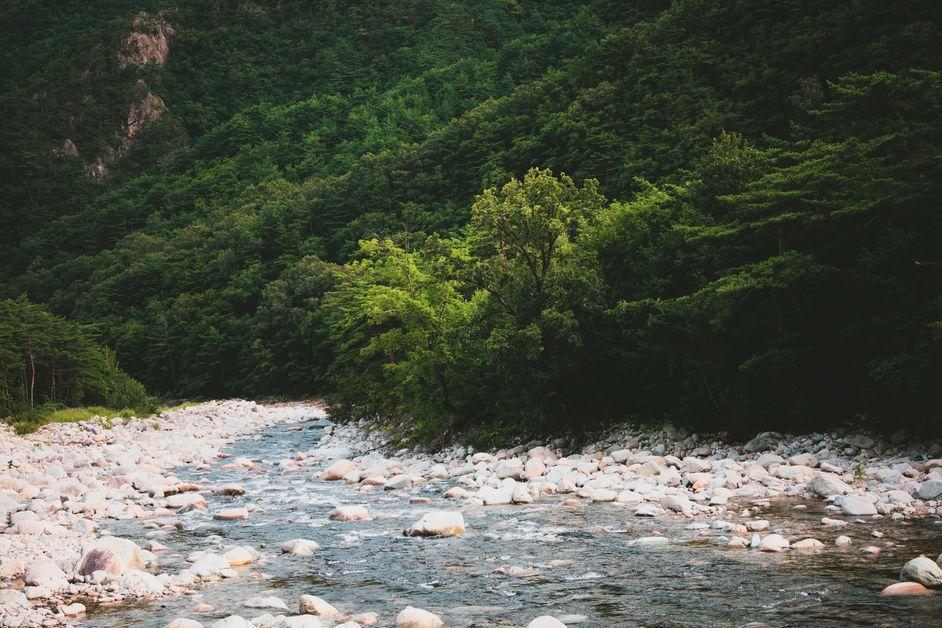
Korea Valley Swimming Guide: Best 계곡 Spots to Visit in Summer 2026
When summer hits Korea and temperatures climb above 35°C, Koreans don't just head to the beach — they head to the 계곡 (gyegok), mountain valleys where ice-cold streams rush through shaded pine forests. It's one of the country's best-kept seasonal secrets, and with a rental car, you can reach spots that tour buses never go. Here's everything you need to know.
What Is a Gyegok? (Korea's Valley Culture)
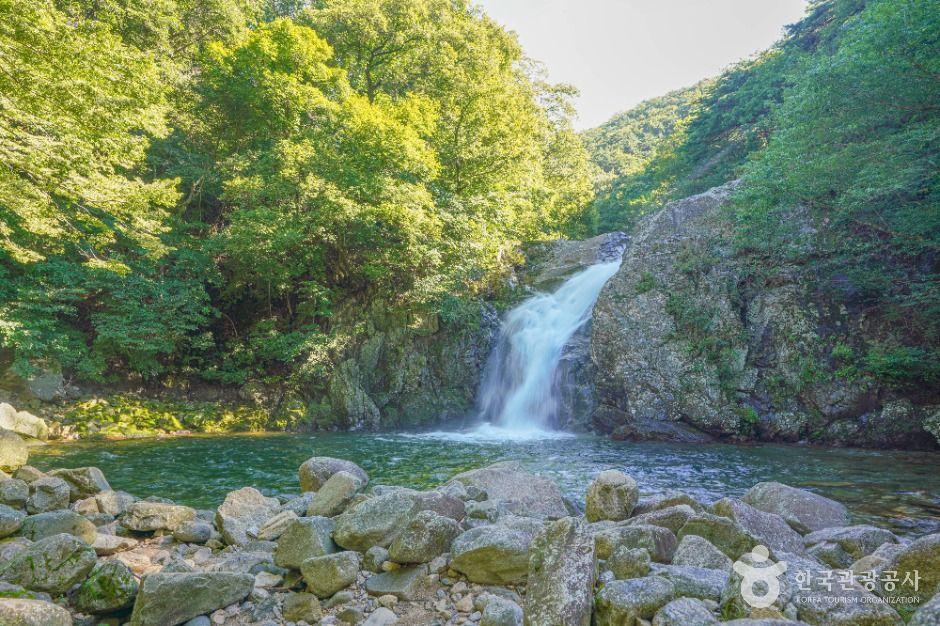
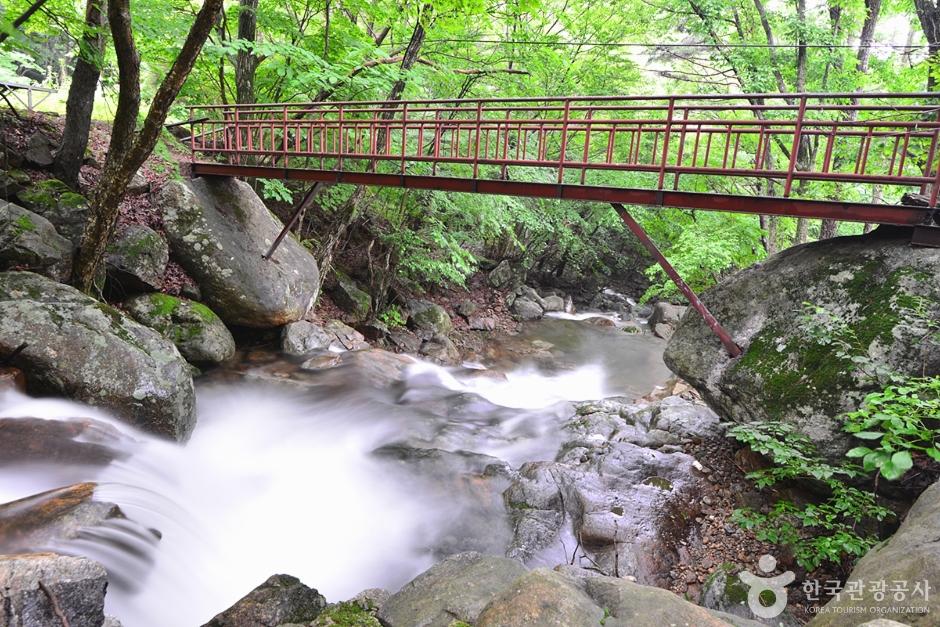
A gyegok is a mountain valley carved by a fast-moving stream — usually fed by snowmelt and spring water, keeping temperatures around 15–18°C even in August. Unlike a beach, a gyegok feels tucked away and intimate: rocky banks lined with families unpacking coolers, tents pitched between pine trees, children splashing in shallow pools between boulders. Vendors sell corn on the cob and iced shaved ice (bingsu) from small stalls at the entrance.
Most valleys open informally between May and September. Many charge a small parking or entry fee of 1,000–5,000 KRW per person. Weekends in July and August get crowded early — arriving before 10am is the move if you want a good rock to sit on.
Best Valleys Near Seoul: Pocheon and Gapyeong
Baegyun Valley (백운계곡) in Pocheon is one of the most popular day trips from Seoul — and for good reason. It sits inside the Hantan River UNESCO Global Geopark, meaning the basalt rock formations around the stream are genuinely stunning. The water stays clean and cold all summer, and the valley is long enough that you can always find a quieter section upstream. From central Seoul, it takes about 1.5 hours by car via Route 87.
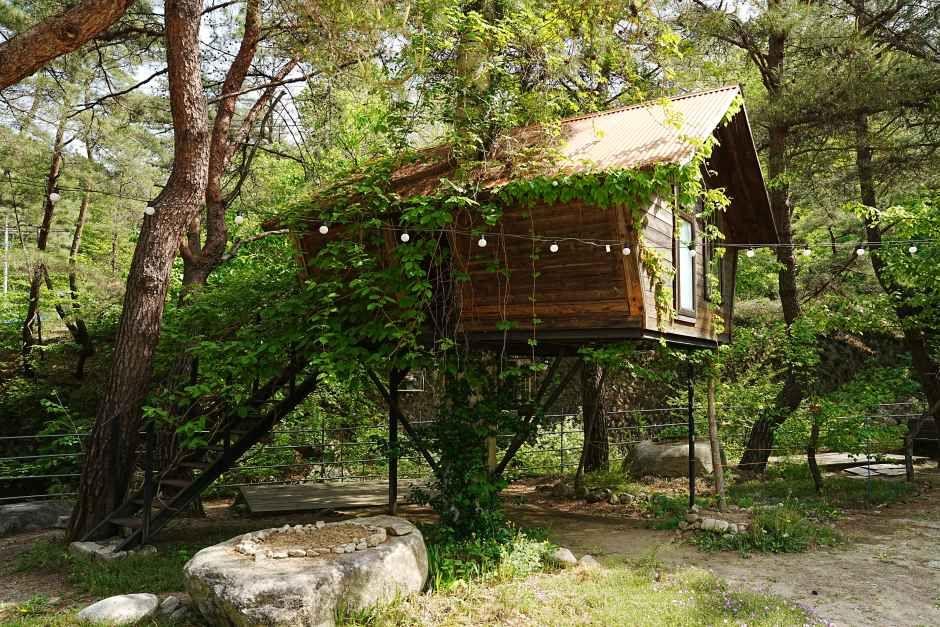
Gapyeong is the other classic Seoul-area valley destination. The town itself sits along the Bukhangang River, but surrounding valleys like Yongchu Valley offer calmer, rockier swimming spots away from the river beach crowds. Gapyeong is also easy to combine with a visit to Nami Island or Petite France, making it a full day out.
- Baegyun Valley, Pocheon — 1.5h from Seoul; UNESCO geopark; basalt formations
- Yongchu Valley, Gapyeong — 1h from Seoul; waterfalls + swimming pools
- Sungnisan Valley, Gyeonggi — quieter crowds, forested banks
- Best time: Weekday mornings in July-August for smaller crowds
- Entry fee: Usually 2,000–5,000 KRW per vehicle or per person
Gangwon Province: Korea's Valley Capital
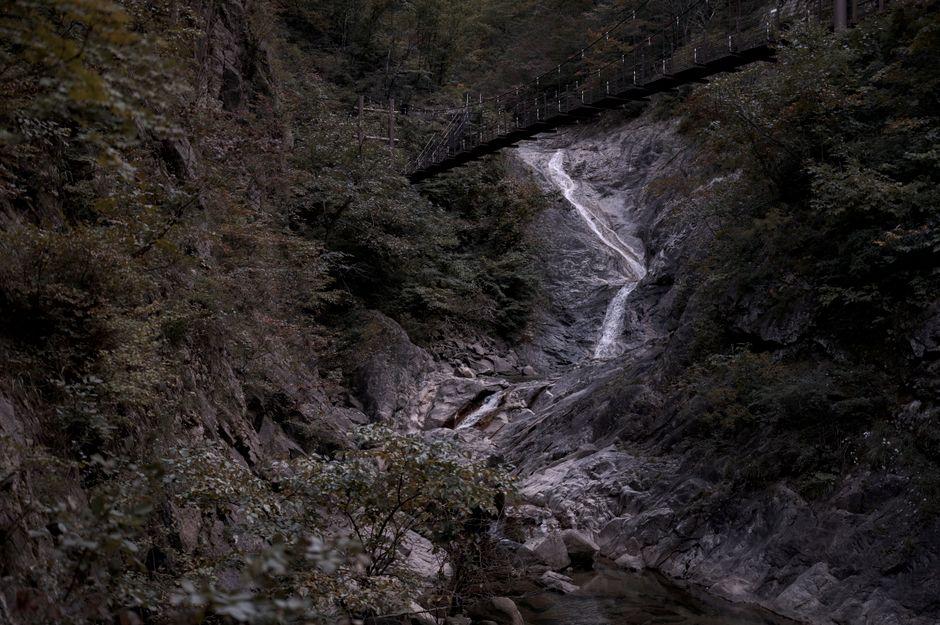
If you're willing to drive 2–3 hours, Gangwon Province has the most dramatic valley scenery in the country. Inje County (인제군) alone has several world-class spots: the Naerincheon River runs through the Naerin Valley, offering kilometers of swimming access and dedicated camping grounds alongside the water. The Seoraksan foothills contain several cold, fast-moving streams that stay refreshing even on the hottest days.
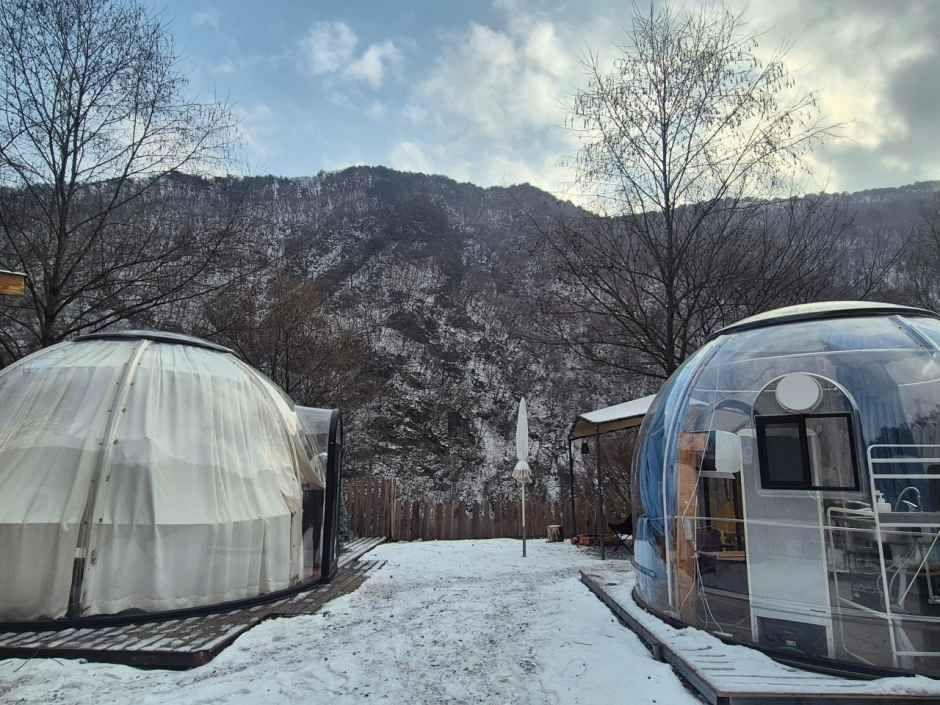
Hongcheon is another strong Gangwon option, especially if you're combining valley swimming with camping. The Hongcheon River has designated camping sites right on the bank, and some glamping facilities (글램핑) have direct stream access — you step out of your tent and straight into the water. Driving time from Seoul: about 2 hours via the Jungang Expressway.
South Korea's Hidden Valley Gems
For those exploring the south of the country, Gurye in South Jeolla Province has the Munsu Valley (문수계곡) tucked into the foothills of Jirisan National Park. The water here is exceptionally clear — fed by the mountain — and the surrounding beech forest provides deep shade. Hamyang (함양) in South Gyeongsang Province is home to Yongchu Valley and Waterfall (기백산 용추계곡·용추폭포), where a 20m cascade pours into a natural swimming pool at the base. Both are roughly 4–5 hours from Seoul but closer to Busan (2–2.5h) or Jeonju (1.5h).
What to Bring and Valley Etiquette
Korean gyegok culture has a few unwritten rules worth knowing before you go. Many families bring full picnic setups — folding tables, coolers, watermelon, instant noodles to cook on a portable burner. You're welcome to do the same. What you shouldn't do is use disposable barbecue grills near the water, as this damages the ecology and is increasingly prohibited at popular spots.
- Water shoes — rocks are slippery; sandals won't cut it
- Inflatable ring or mat — sold at most valley entrances (3,000–8,000 KRW)
- Picnic food — most spots don't have restaurants beyond snack stalls
- Sunscreen — despite the shade, UV exposure on water is intense
- Cash — many smaller valleys only accept cash for entry and parking
- Trash bags — always carry out what you bring in
- Life jacket — for children; stream currents can surprise you
Quick Tips
- 1Go on a weekday — Korean valleys on weekend afternoons in August resemble rush-hour subway cars. Leave Seoul by 7am on a Saturday if you must go on weekends.
- 2Check Naver Maps for the actual valley entrance — GPS often points to the trailhead, not the swimming area. Search '백운계곡 입구' (valley name + 입구 = entrance).
- 3Water shoes are non-negotiable — the rocks are slimy below the surface; flip-flops will send you straight down.
- 4Bring your own food — valley vendors overprice dramatically in summer; a cooler from a convenience store en route saves you money.
- 5Check water levels before going — heavy rainfall can make streams dangerous. Local Naver Café groups post daily updates for popular valleys.
FAQ
Frequently Asked Questions
Korean valleys are one of the country's most beloved summer traditions — and one of the least-documented for foreign visitors. Rent a car, pack a cooler, and find your spot between the boulders. The water is always colder than you expect.
Share this article
You Might Also Like


Get Travel Inspiration
Subscribe for new stories, route guides, and driving tips delivered to your inbox.