Seochon Village Seoul: The Hidden Artist Quarter Next to Gyeongbokgung
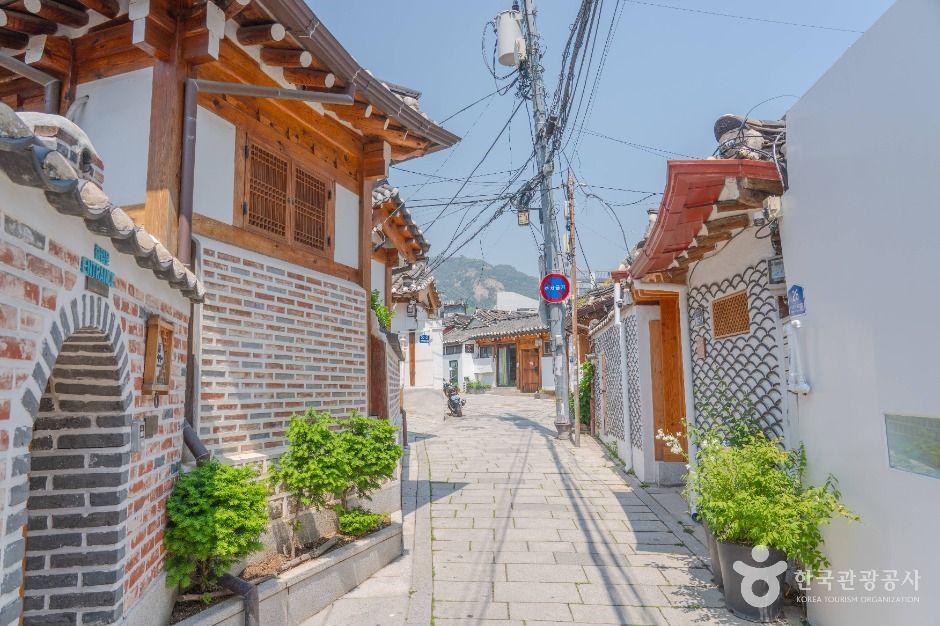
While Bukchon Hanok Village draws the crowds, the real Seoul lives just across the hill. Seochon — literally 'West Village' — sits immediately west of Gyeongbokgung Palace, a quieter neighborhood of narrow alleys, traditional hanok houses, and independent shops that most visitors never find. Poets, painters, and writers lived here for centuries. Today it's home to some of Seoul's best indie cafes and the city's most charming traditional market.
Getting to Seochon
Seochon doesn't have its own subway stop, but it's easy to reach. Gyeongbokgung Station (Line 3, Exit 2) puts you at the palace's front gate — from there, walk northwest around the palace wall for about 10 minutes until you hit the alleys of Piru-gil (필운대로). If you're coming from Gwanghwamun, Gwanghwamun Station (Line 5, Exit 2) is a 15-minute walk through the tree-lined boulevard. By car, the Gyeongbokgung underground parking lot (경복궁 지하주차장) charges around 2,000–2,500 KRW per 30 minutes and sits a 3-minute walk from Seochon.
- Subway: Gyeongbokgung Station (Line 3, Exit 2), 10 min walk northwest
- By car: Gyeongbokgung underground parking, ~2,000–2,500 KRW/30 min
- Entry: Free — it's a living residential neighborhood
- Best time: Weekday mornings (10am–1pm) for quiet alleys and a lively market
Tongin Market & the Yeopjeon Dosirak
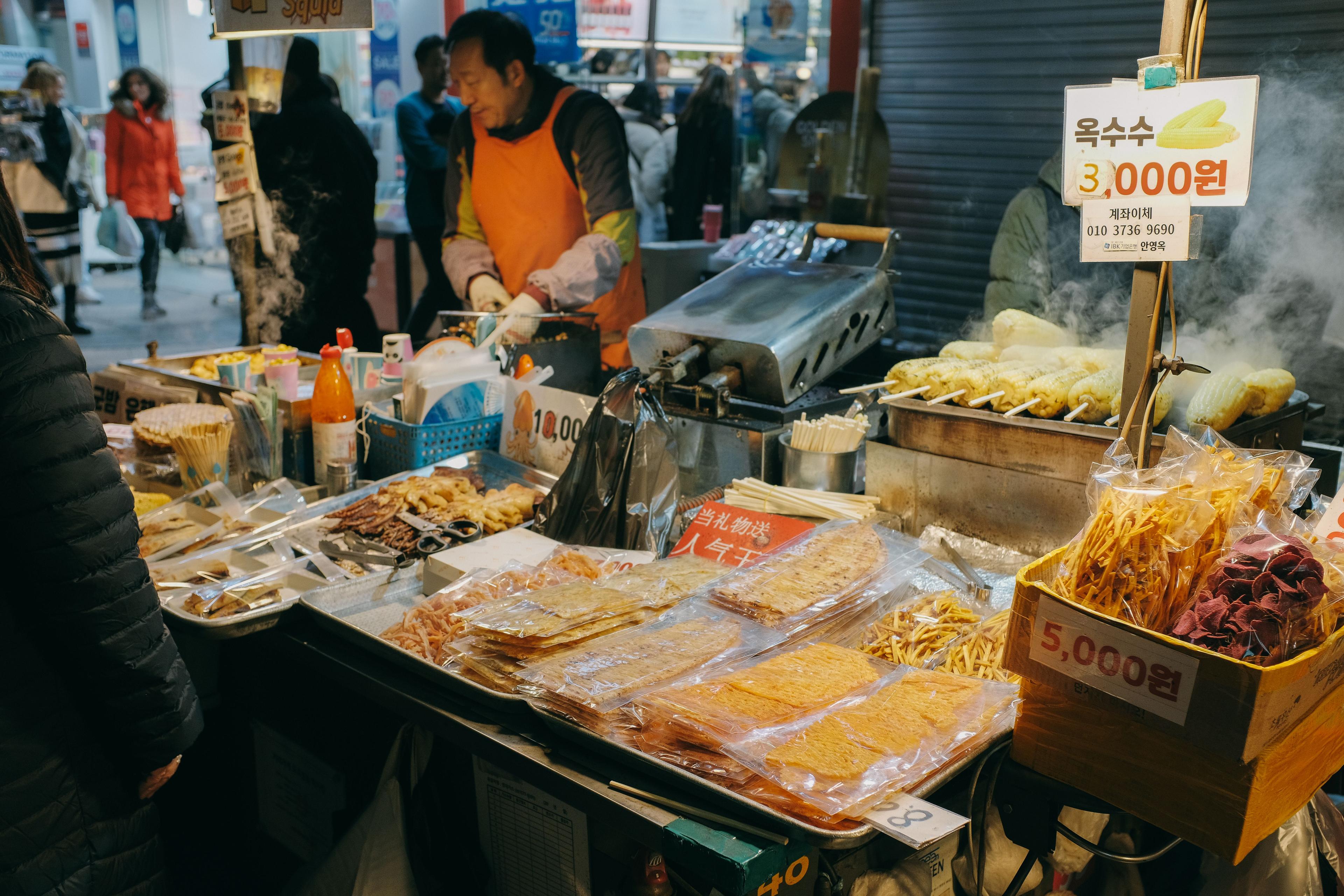
Tongin Market (통인시장) is Seochon's most famous attraction — and one of Seoul's most delightful food experiences. The market runs on its own currency: at the market office near the entrance, exchange Korean won for yeopjeon (엽전) — traditional bronze coins. Most visitors buy 5–10 coins for around 2,000 KRW each. Armed with your coins, wander the stalls and point at whatever looks good — vendors accept 1–2 coins per dish. Popular options include pajeon (savory pancakes), japchae (glass noodles), and tteokbokki (spicy rice cakes). You collect dishes on a small tray, then sit at communal tables to eat your custom-built lunch box. It's inexpensive, interactive, and completely unique to this market.
- Hours: Tongin Market open Tue–Sun, roughly 9am–7pm (stall hours vary)
- Yeopjeon exchange: At the main market office near the entrance
- Budget: 5,000–10,000 KRW covers a satisfying lunch
- Tip: Arrive before 11:30am — the best stalls sell out by noon on weekdays
Seochon's Alleys, Art & Hidden Spots
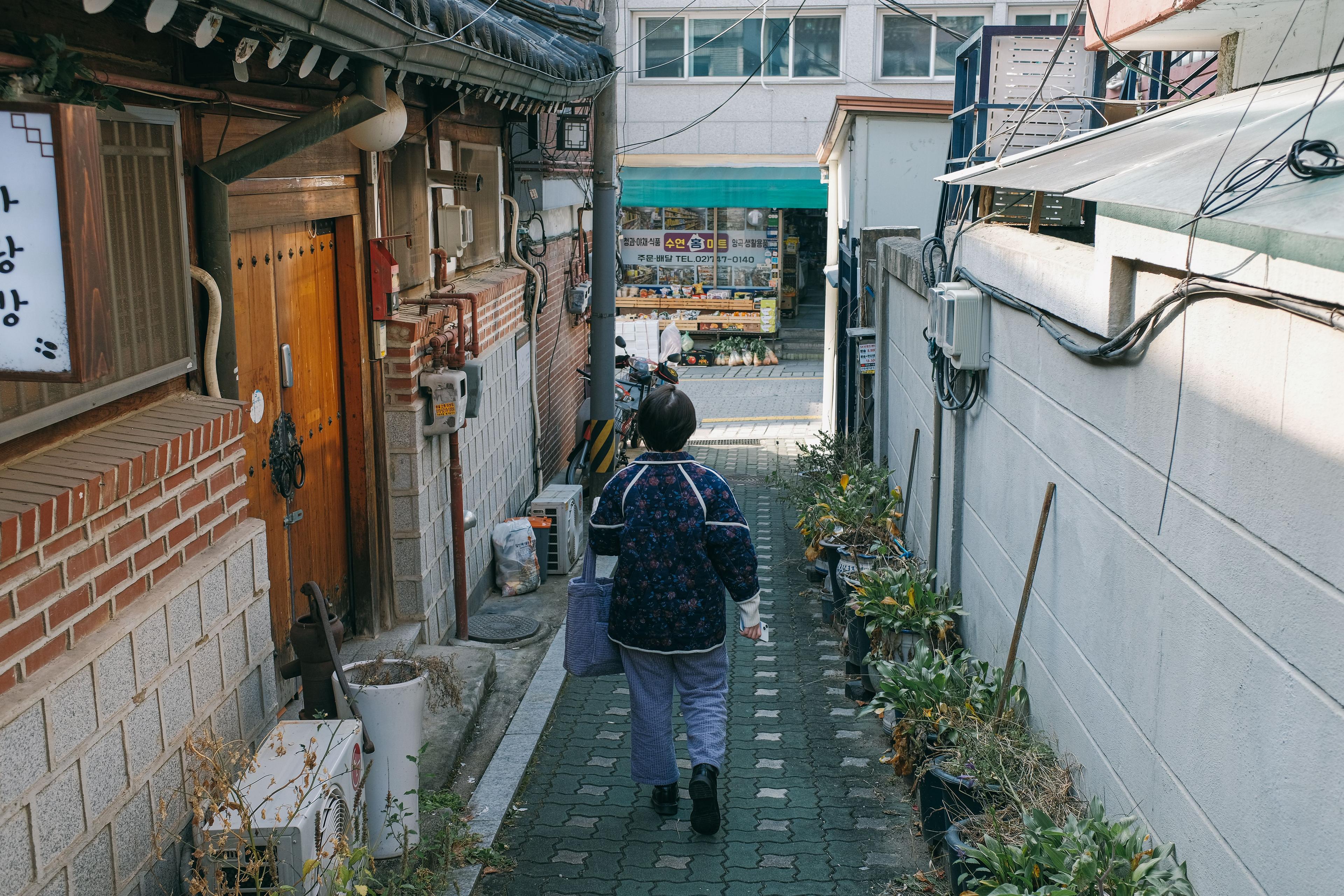
The real magic of Seochon is wandering. Start at Piru-gil (필운대로), the main artery through the neighborhood, lined with indie cafes, small galleries, and antique shops in converted hanok buildings. Look for bronze plaques on historic buildings — Seochon was home to famous Korean artists and poets in the early 20th century. One highlight is Yi Sang's House (이상의 집), a small museum-cafe dedicated to Yi Sang, one of Korea's most celebrated modernist writers. He lived here in the 1930s and the atmospheric little space rarely gets crowded.
Further up the hill, Suseongdong Valley (수성동 계곡) is a surprisingly wild stream hidden inside the neighborhood. A wooden bridge crosses rushing water surrounded by pine trees — just minutes from the palace walls. It's the kind of place you'd never expect to find in the middle of Seoul. At the neighborhood's western edge, Gyeonghuigung Palace (경희궁) is a free, rarely-visited secondary Joseon-era palace. On a weekday morning, you might have the courtyard almost entirely to yourself.
The Blue House (Cheong Wa Dae)
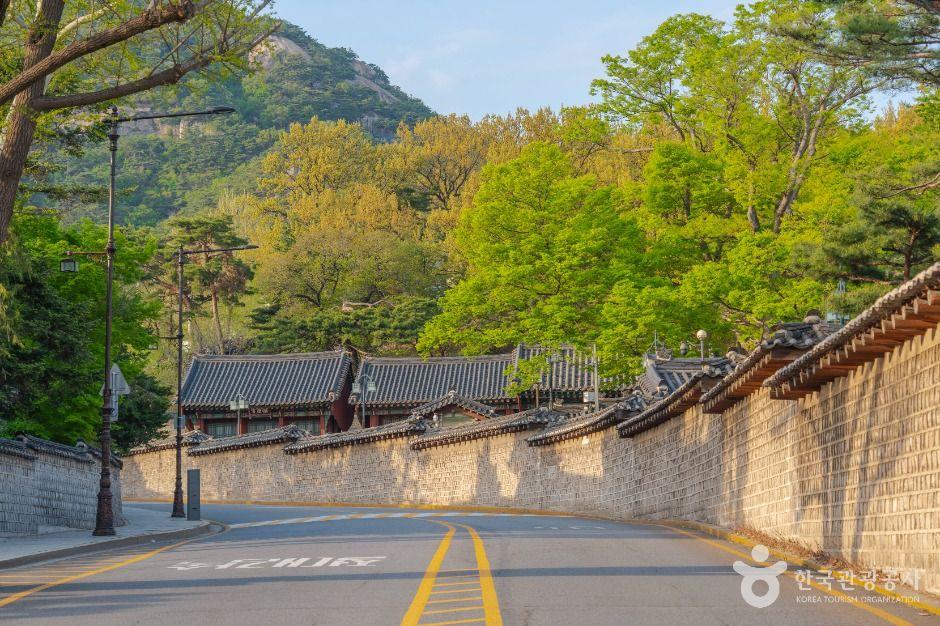
A short walk north from Seochon brings you to Cheong Wa Dae (청와대), the former presidential residence that was closed to the public for 74 years before opening in May 2022. The name means 'Blue House' — a reference to the distinctive blue roof tiles. Entry is free, but reservations are required in advance through the official website. Inside the grounds you can walk through official reception rooms, traditional gardens, and the main presidential office building. The backdrop of Bugaksan mountain behind the blue-tiled pavilions makes for some of the most dramatic architecture photos in Seoul.
- Reservations: Required — book at cheongwadae.kr
- Hours: 9am–6pm, closed Mondays
- Cost: Free
- Distance from Seochon: 10-min walk north toward Bugaksan
- Time needed: 1.5–2 hours to explore the full grounds
Cafes & Where to Eat
Seochon has some of Seoul's best indie cafes, concentrated on Piru-gil and the narrow connecting lanes. Unlike the Instagram-famous cafes of Seongsu-dong or Hongdae, places here tend to be smaller, quieter, and often housed in original hanok buildings with inner courtyards. Look for handwritten menus and single-origin pour-overs. For lunch beyond the market, juk (죽, Korean congee) restaurants are a Seochon specialty — warming, light, and perfect if you've been walking all morning. The neighborhood also has a handful of traditional Korean teahouses serving yuzu tea, jujube tea, and sikhye (sweet rice punch).
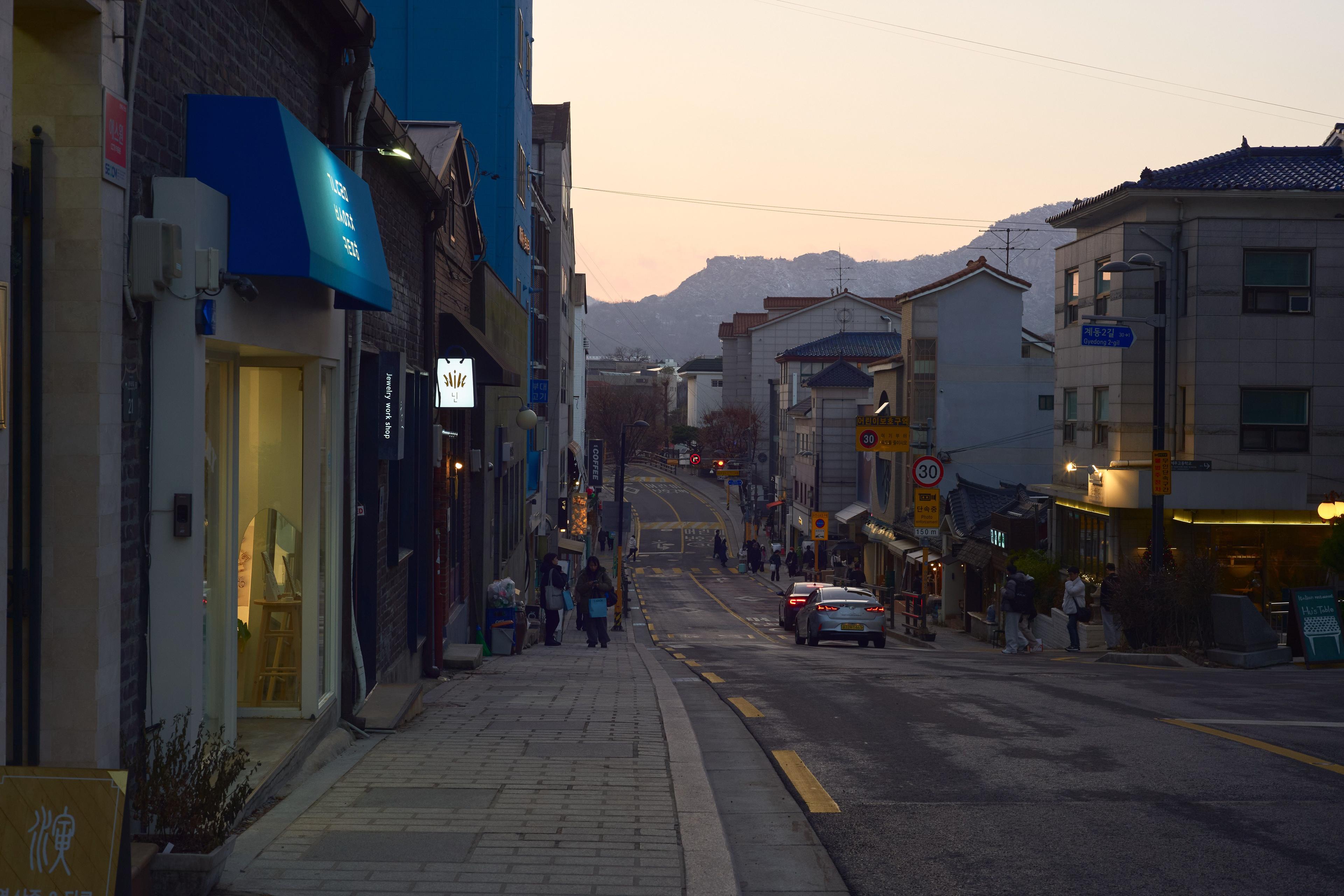
- Best coffee: Look for small espresso bars on side lanes off Piru-gil
- For lunch: Tongin Market yeopjeon dosirak (budget ~5,000–10,000 KRW)
- Alternative lunch: Korean juk (congee) restaurants around Piru-gil
- Tea: Traditional teahouses serving sikhye and yuzu tea
- Dinner: Head to nearby Gwanghwamun or Insadong for more dinner options
Quick Tips
- 1Visit on a weekday — weekends can get busy near the palace-wall alleys
- 2Bring small bills for the Tongin Market yeopjeon system (exchange at the market office)
- 3Wear comfortable shoes — some alley paths are steep and cobblestoned
- 4Combine with Gyeongbokgung Palace (10-min walk) for a full cultural day
- 5Book the Blue House reservation before your trip if you plan to visit
FAQ
Frequently Asked Questions
Seochon is the Seoul that locals are quietly proud of — a neighborhood where the 21st century and the Joseon era exist side by side without either one winning. Start at Tongin Market with a stack of yeopjeon coins, wander the historic alleys at your own pace, and end the morning with an iced americano at one of the hanok cafes. It's the kind of place that makes you want to stay another week.
Share this article
You Might Also Like


Get Travel Inspiration
Subscribe for new stories, route guides, and driving tips delivered to your inbox.