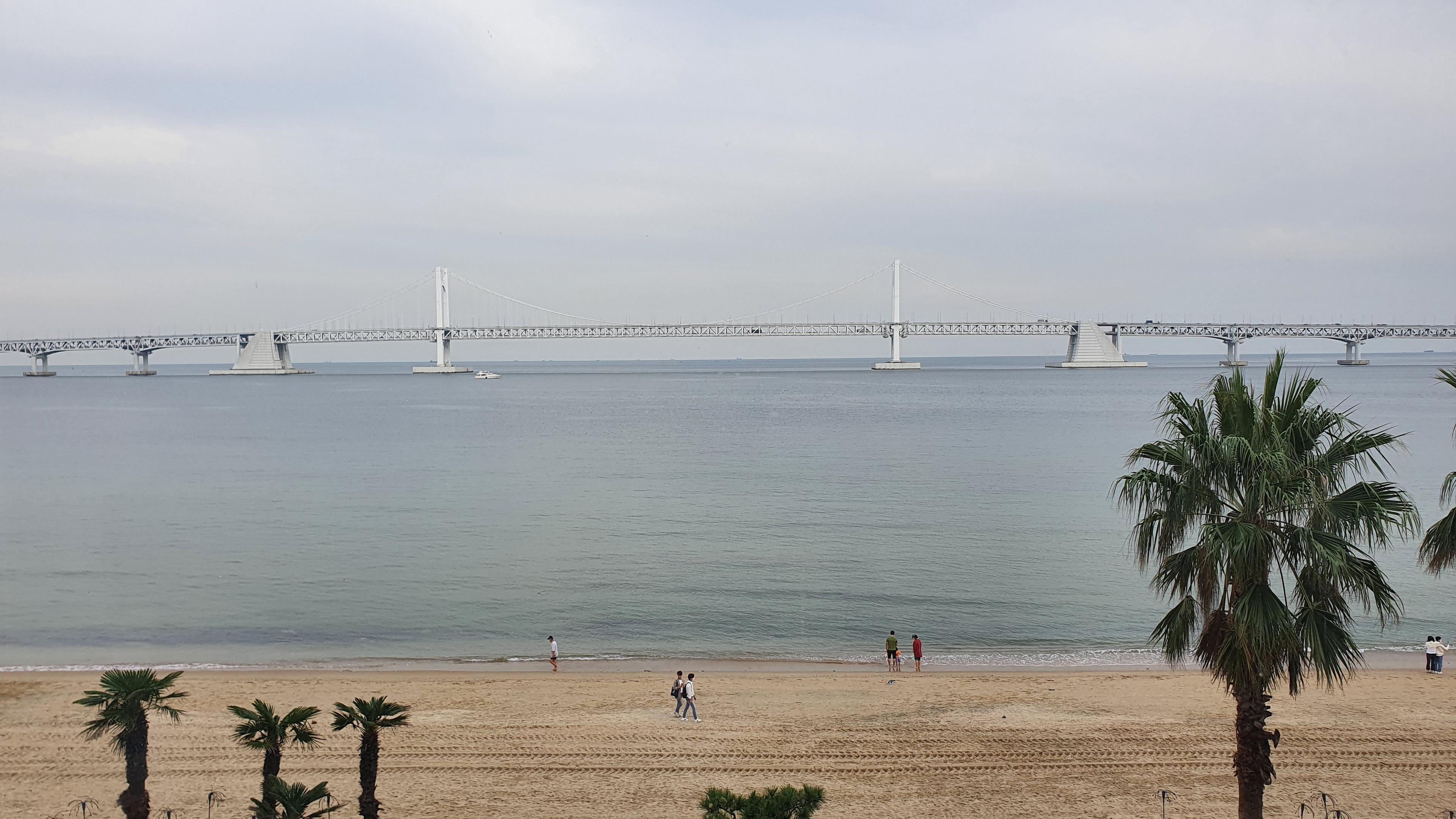
Gwangalli Beach Busan: Complete Guide to Korea's Most Scenic Waterfront
If you've seen those stunning photos of a glowing suspension bridge reflecting off the sea at night — that's Gwangalli Beach (광안리해수욕장). It sits in Suyeong-gu, Busan, just west of Haeundae, and it has a completely different energy: more local, more social, and arguably better for food and nightlife. The 1.4 km stretch of sand is backed by a boulevard packed with seafood restaurants, craft beer bars, and cool cafes — all with the Gwangan Grand Bridge (광안대교) glowing in the background.
Getting to Gwangalli Beach
By subway, take Busan Metro Line 2 to Gwangalli Station (Exit 3) and walk about 5 minutes to the beach. From Seomyeon, it's 4 stops and around 10 minutes. Coming from Haeundae, you're just 3 stops away — a perfect pairing for a day of beach hopping in Busan.
Driving from Seoul takes roughly 4 to 4.5 hours via the Gyeongbu Expressway (1) to the Namhae Expressway toward Busan. From central Busan, follow signs to 수영구 and look for the coastal road that runs along the beachfront. Gwangalli Beach has a dedicated public parking lot behind the beach, though it fills quickly on summer weekends. Arrive before 09:00 on weekends or budget for a side-street lot (around 1,000 KRW per 10 minutes).
- Subway: Line 2 → Gwangalli Station, Exit 3 (5-min walk to beach)
- From Haeundae: 3 stops on Line 2 — easy day combination
- By car from Seoul: ~4.5 hrs via Gyeongbu → Namhae Expressway
- Parking: Gwangalli Beach Public Lot; busy weekends → arrive early or use side streets
The Diamond Bridge Night View
The Gwangan Grand Bridge — locally nicknamed the Diamond Bridge (다이아몬드 브릿지) — is 7.4 km long and one of the most photographed structures in Korea. After dark, it lights up in a full LED display that shifts colors and patterns. The view from the beach itself is breathtaking, but the best angles are from the rooftop bars and cafes that line the beachfront boulevard. Show up around sunset (around 19:30–20:00 in summer) to catch the sky turning pink behind the bridge before the LED show kicks in.
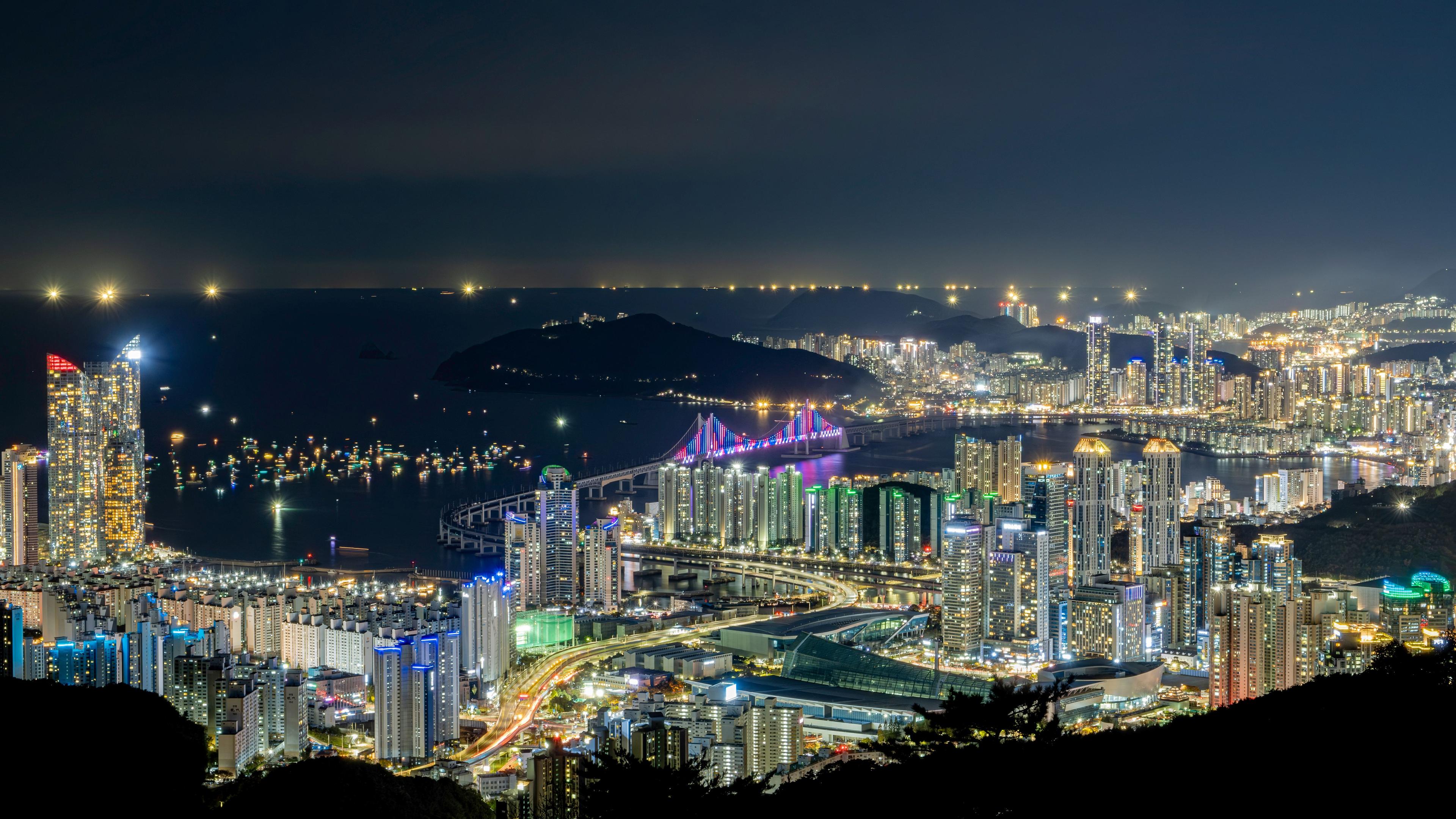
In October, the beach hosts the Busan Fireworks Festival — one of the largest pyrotechnic shows in Asia, drawing over a million visitors. If you're in Korea in late October, this is worth planning your trip around. The fireworks are launched from barges directly in front of the bridge, and the whole display is choreographed to music.
Food and Drinks at Gwangalli
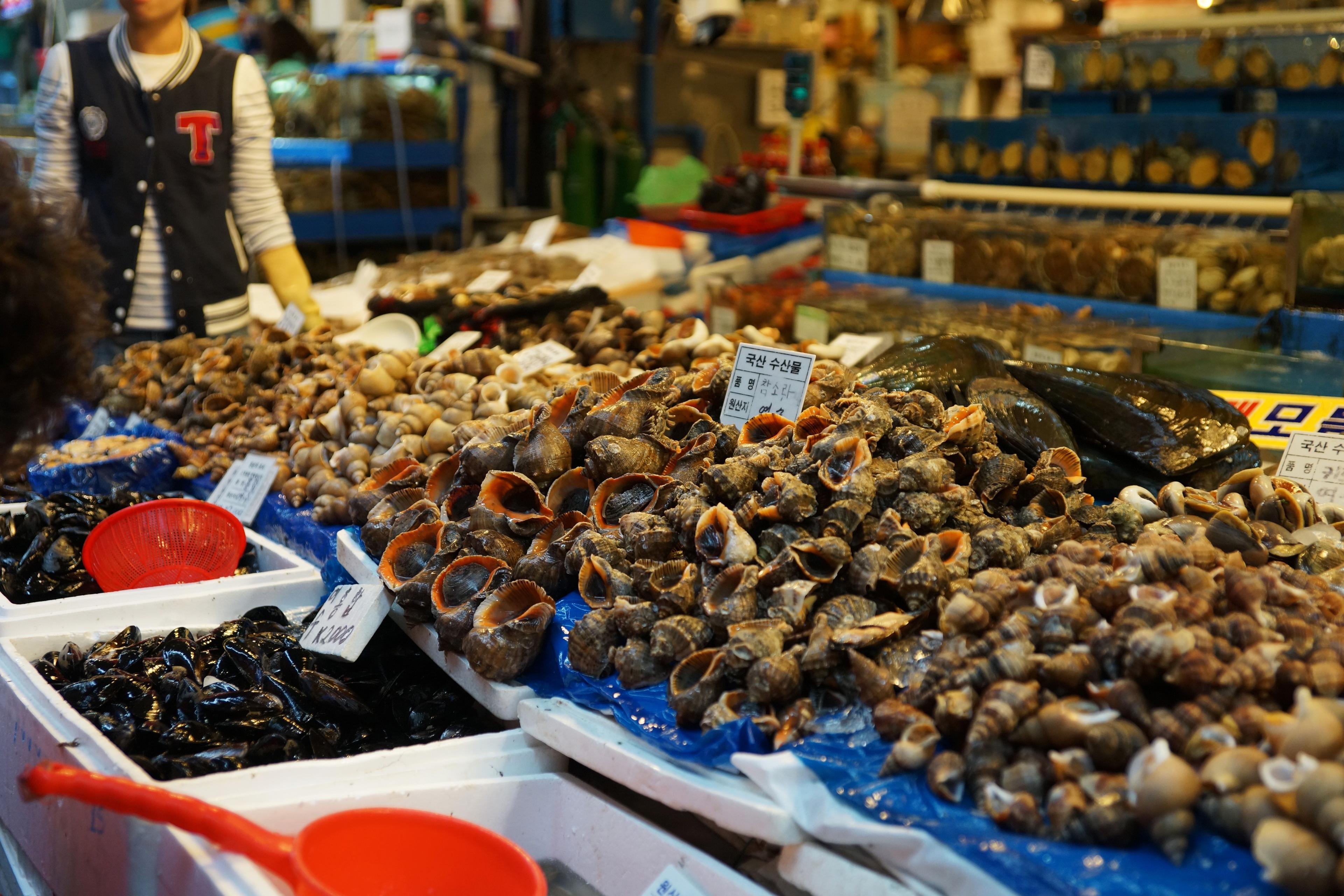
The strip behind the beach is one of Busan's best eating streets. Hoe (회, raw fish) restaurants dominate the stretch near the water — expect to pay 30,000–50,000 KRW per person for a full raw fish spread with side dishes and soup. The seafood here is fresher than you'd find in Seoul, and the atmosphere is casual and unpretentious.
For drinks, the beachfront is lined with craft beer bars and cocktail lounges that stay open late into the night. Many have open-air terraces facing the bridge. On warm evenings, people bring chimaek (치맥, fried chicken and beer) to the beach from nearby delivery shops and eat right on the sand — this is very much encouraged and part of the culture. Most delivery apps work here, and you can have food brought directly to your beach spot.
- Hoe (raw fish): ~30,000–50,000 KRW per person at beachside restaurants
- Chimaek (chicken + beer): order via Baemin/Coupang Eats, delivered to the beach
- Craft beer bars: several along the beachfront boulevard, open until 02:00+
- Cafes: rooftop cafes offer the best bridge views — arrive before sunset for a seat
Swimming and Beach Activities
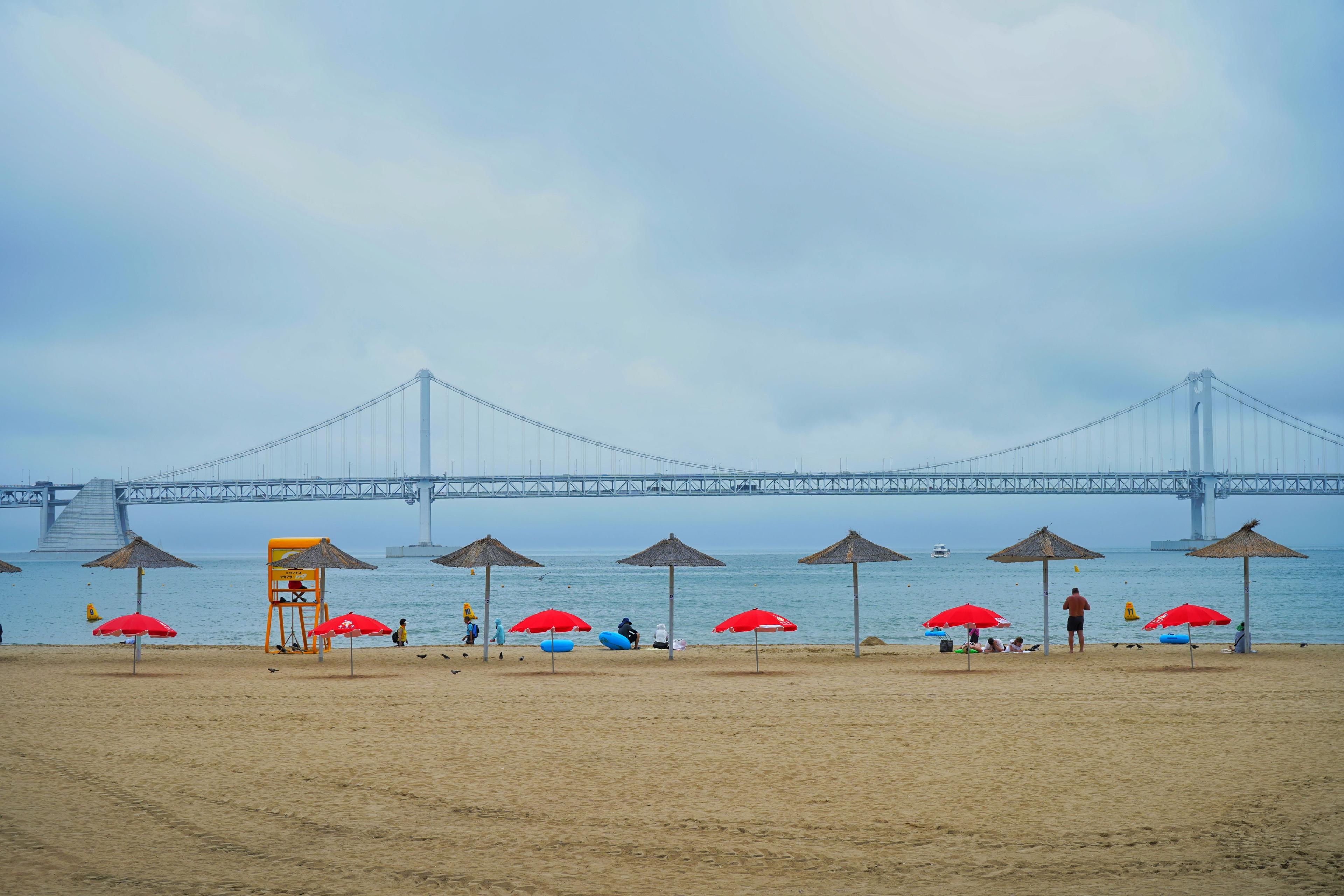
Gwangalli's official swimming season runs from late June through late August, with lifeguards on duty and safety buoys marking the swimming zones. The water is calm and relatively clean; the beach is less crowded than Haeundae on summer weekdays, making it an easier choice for families or anyone who doesn't want to fight for space. Sand quality is similar — fine-grained and soft.
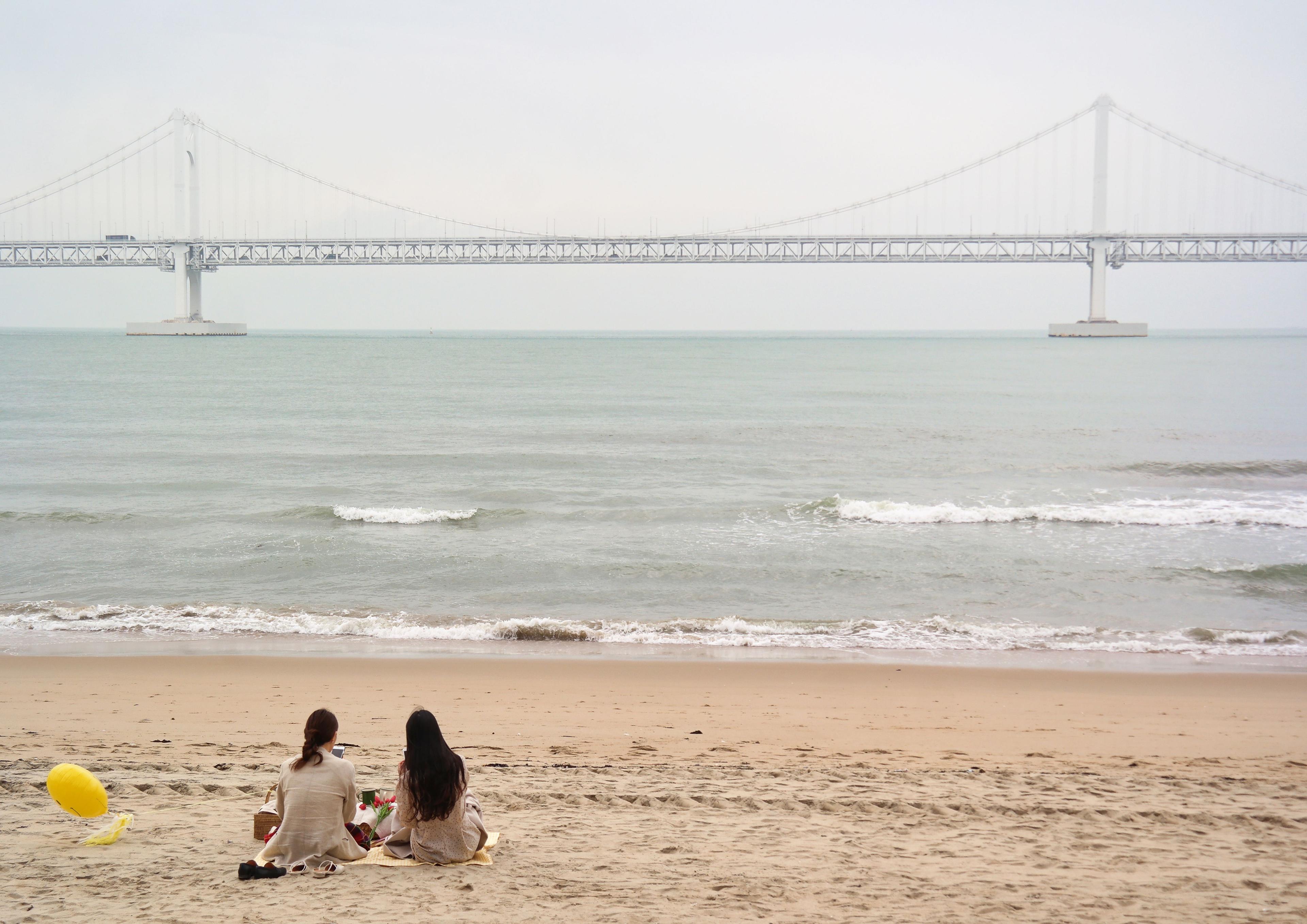
Outside swimming season, the beach is still a great destination for evening walks, photography, and the restaurant and bar scene. Winter evenings at Gwangalli are surprisingly atmospheric — the bridge lights up just as beautifully in December, and the seafood restaurants feel especially cozy with the sea breeze outside.
- Swimming season: late June – late August (lifeguards on duty)
- Beach umbrella rental: ~10,000 KRW/day
- Sunbed + umbrella set: ~20,000–25,000 KRW in peak season
- Best non-swimming season: October (fireworks festival) and December–January (quiet, scenic)
Gwangalli vs. Haeundae: Which Beach to Choose?
The most common question visitors ask. Haeundae is longer, more famous, and packed with luxury hotels — it's the full resort experience. Gwangalli is shorter, more local, and skews younger. The food and bar scene here beats Haeundae by most accounts. If you're staying in Busan for more than one night, go to both: Haeundae by day for the beach, then Gwangalli at night for the view and food.
- Choose Haeundae if: you want the widest sand, most facilities, or are staying at a beachside hotel
- Choose Gwangalli if: you want the night view, better food, craft beer, and a less-tourist feel
- Choose both: they're 3 subway stops apart — no reason to pick just one
Quick Tips
- 1Show up at sunset (around 19:30 in summer) to catch the sky turning pink before the bridge lights come on — rooftop cafe seats fill up fast
- 2On weekends, parking is nearly impossible — take the subway or taxi from central Busan instead
- 3Order chimaek via a delivery app and eat on the beach — this is how locals do summer evenings
- 4The area around Geumnyeonsan Station (one stop from Gwangalli) has cheaper accommodation options with easy access to the beach
- 5If visiting in October, book accommodation months in advance — Busan Fireworks Festival fills the city completely
FAQ
Frequently Asked Questions
Gwangalli is the kind of beach that gets better the longer you stay. Arrive in the late afternoon, grab a beachfront cafe seat for sunset, watch the bridge light up at dusk, then settle in for dinner at one of the hoe restaurants along the strip. That's a Busan evening done right.
Share this article
You Might Also Like


Get Travel Inspiration
Subscribe for new stories, route guides, and driving tips delivered to your inbox.