Jinju Day Trip Drive: Korea's Most Historic River City by Rental Car
Planning a day trip and want something beyond the usual tourist trail? Jinju is one of South Korea's most historically significant cities — a riverside fortress, legendary battle history, and some of Korea's best bibimbap. It's about 3.5 hours from Seoul or 1.5 hours from Busan, making it perfect for a long day drive.
How to Drive to Jinju
Jinju sits in Gyeongsangnam-do (South Gyeongsang Province), about 280km south of Seoul. From Seoul, take the Gyeongbu Expressway (경부고속도로) south toward Busan, then exit onto the Namhae Expressway (남해고속도로) toward Jinju. The drive takes about 3.5 hours and tolls run approximately 18,000–20,000 KRW.
From Busan it's much shorter — about 90km via the Namhae Expressway, roughly 1.5 hours. Many travelers combine Jinju with a Busan trip for a two-city road trip through the south.
- From Seoul: ~3.5 hours, ~280km, ~18,000–20,000 KRW tolls
- From Busan: ~1.5 hours, ~90km, ~3,000–4,000 KRW tolls
- From Daegu: ~1 hour, ~80km
- Parking: Free or low-fee lot directly beside Jinjuseong fortress entrance
Jinjuseong Fortress — History on the Nam River
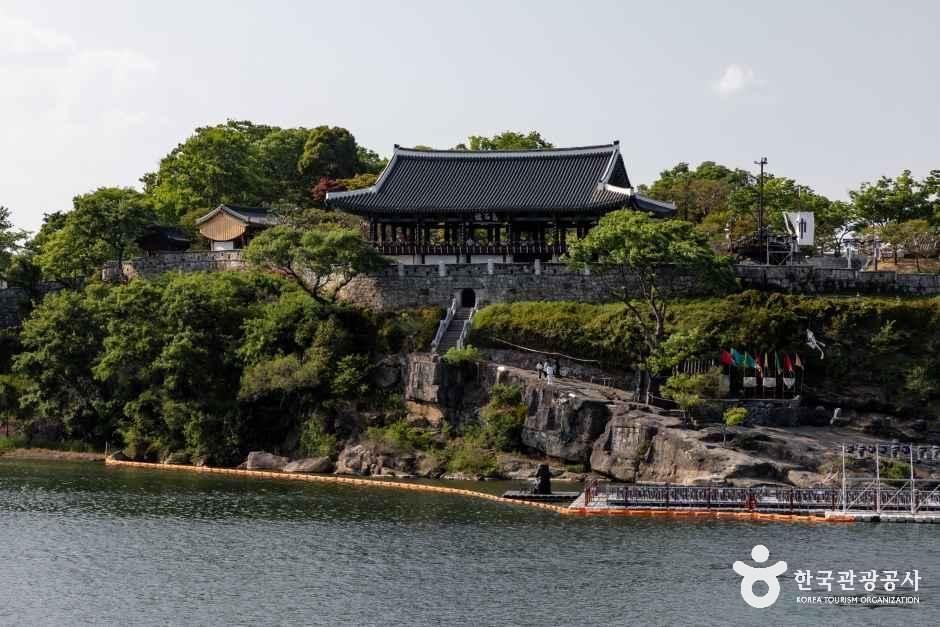
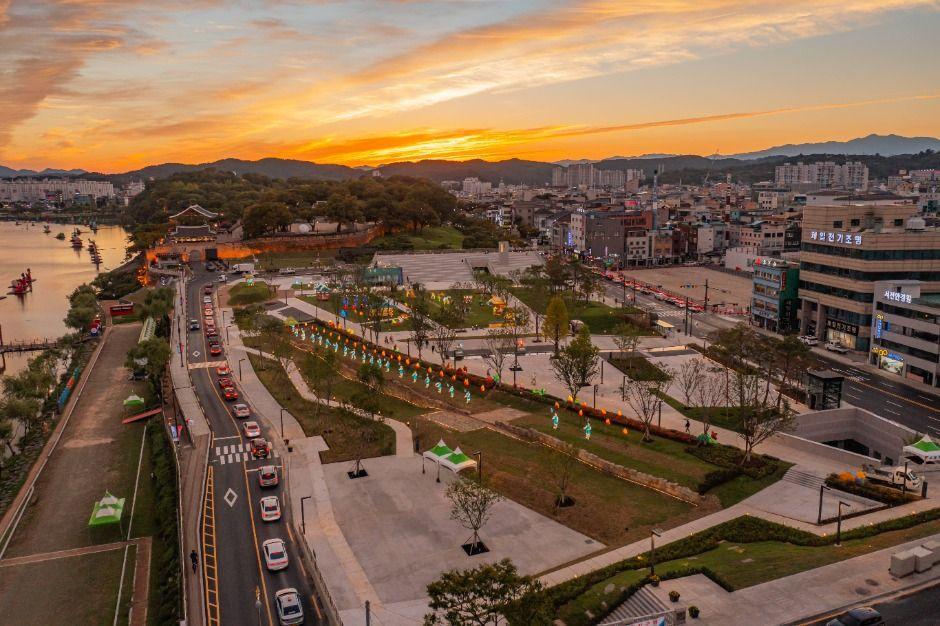
Jinjuseong (진주성) is the reason most people make this drive. The fortress sits directly on the Nam River, with stone walls stretching along the riverbank and a commanding view of the water. It was the site of the Battle of Jinju in 1592, one of the most decisive battles of the Imjin War against Japan.
Inside the walls, Chokseongnu Pavilion (촉석루) — one of Korea's three famous pavilions — perches on the cliff edge above the river. The legend of Nongae, a gisaeng who pulled a Japanese general off this cliff to their deaths, is tied to this exact spot. The National Jinju Museum inside the fortress covers the Imjin War in excellent detail with English signage.
- Hours: 9:00–18:00 (last entry 17:30)
- Entry: 2,000 KRW adults, free under age 7
- Parking: Public lot just outside the main fortress gate
- Time needed: 1.5–2 hours for walls, pavilion, and museum
Jinju Bibimbap — What to Eat and Where
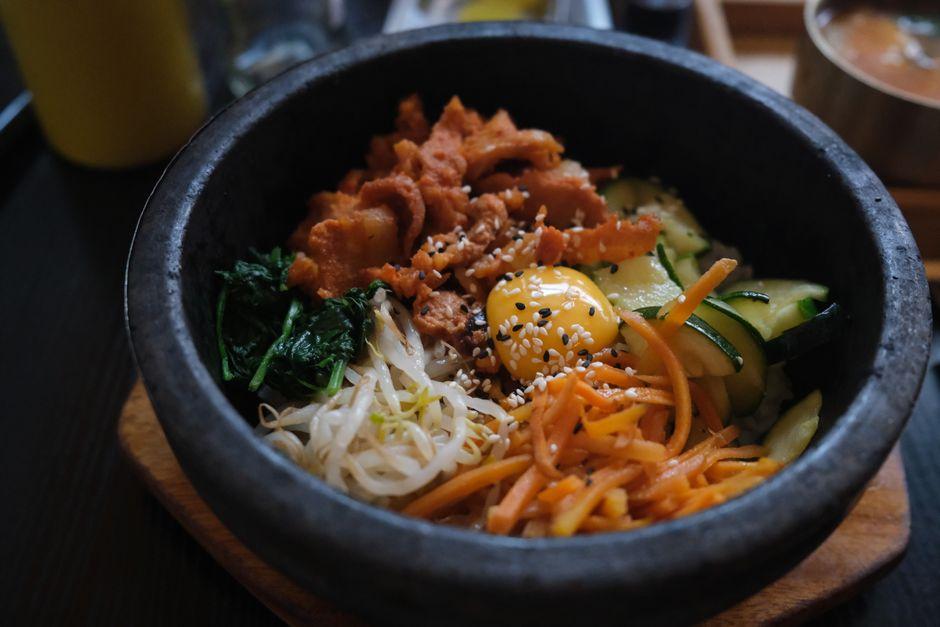
Jinju has two dishes you shouldn't skip: Jinju bibimbap (진주비빔밥) and yukhoe bibimbap (육회비빔밥) with raw beef. Jinju-style bibimbap comes in a lacquered wooden bowl with colorful seasonal vegetables and either cooked or raw beef on top. It dates back to the Joseon Dynasty, when it was prepared for soldiers and government officials — considered the most formal, elaborate version of bibimbap in Korea.
Restaurants are clustered around the Jinjuseong fortress entrance area. Expect to pay 10,000–15,000 KRW per bowl. If you prefer no raw meat, most places will swap to cooked beef upon request — just say "육회 빼주세요" (no yukhoe, please). Also try Jinju naengmyeon (진주냉면), a cold noodle variation served with raw beef on top, found only in this city.
- Best area: Streets near the Jinjuseong fortress entrance
- Price: 10,000–15,000 KRW per bowl
- Also try: Jinju naengmyeon (cold noodles, Jinju-style)
- Market: Jungang Market (중앙시장) for street food and local produce
2026 World Garden Expo Jinju
If you're visiting in 2026, the 2026 World Garden Expo Jinju (세계정원박람회) is running at the Wolasan Forest area south of the city. This major international garden exhibition features pavilions and landscaped gardens from multiple countries. It's a surprising counterpoint to the ancient fortress atmosphere downtown — Jinju manages both history and contemporary events beautifully.

- Location: Wolasan Forest, south of Jinju city center (~20 min by car)
- Best combo: Jinjuseong in the morning, Garden Expo in the afternoon
Jinju Silk Museum and the Local Culture
Jinju has been Korea's center of silk production since the Joseon period. The Jinju Silk Museum (진주실크박물관) tells the full story with hands-on exhibits and displays of traditional weaving — a 45-minute stop that surprises most visitors. The city's Ssambap Street (쌈밥거리) near the central market is the local lunch spot: a spread of side dishes with rice wrapped in fresh greens, very different from what you'd find in Seoul.
Quick Tips for Your Jinju Drive
- 1Leave Seoul by 7:00 AM to arrive by 10:30 AM — you'll have a full day before the evening drive back.
- 2The Gyeongbu Expressway gets congested near Daejeon on weekends. Use Kakao Maps for real-time routing.
- 3Park at the lot beside Jinjuseong, walk the fortress first before the bibimbap restaurants fill up at noon.
- 4Combine with Tongyeong (40 minutes south) for an overnight trip, then take the scenic coastal road back to Busan.
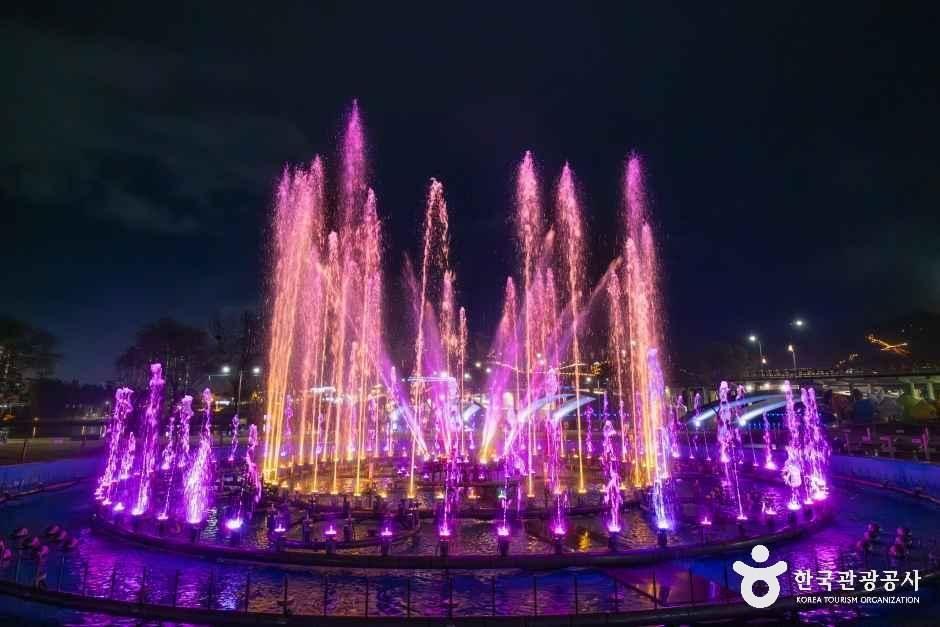
- 5October is the Jinju Namgang Lantern Festival — the most beautiful time to visit, but hotels book out months in advance.
FAQ
Frequently Asked Questions
Jinju rarely makes it onto the standard Korea itinerary — which is exactly what makes it special. Drive down on a summer morning, walk the riverside fortress walls, order the best bibimbap in Korea, and discover a city that's been hiding in plain sight all along. Book your rental car and make the drive south.
Share this article
You Might Also Like



Get Travel Inspiration
Subscribe for new stories, route guides, and driving tips delivered to your inbox.