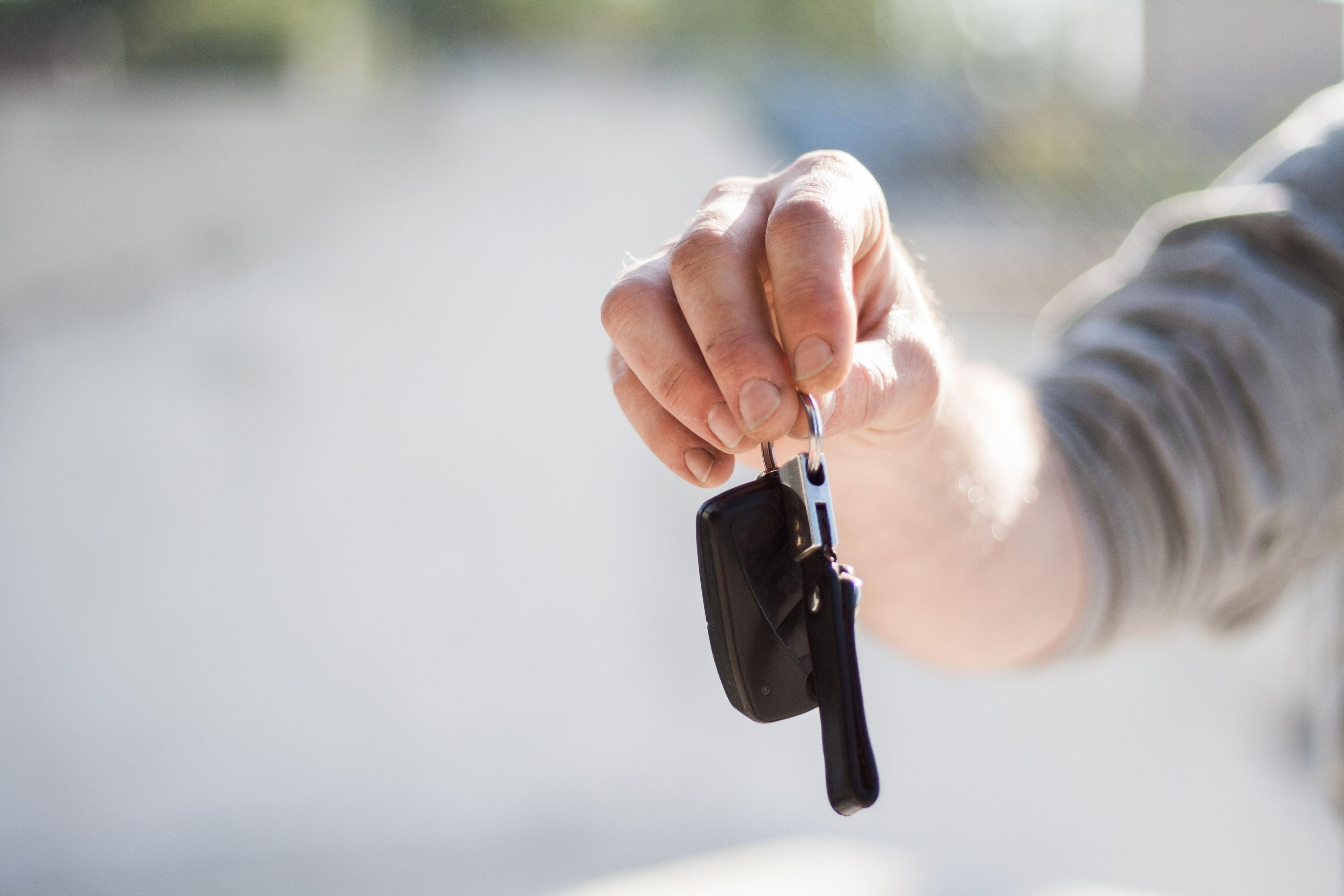
Korea Rental Car Deposit & Damage Guide: What Foreigners Need to Know
You handed over your credit card, signed a form you didn't fully read, and now there's a mysterious hold on your account. Here's exactly how rental car deposits work in Korea, what counts as "damage," and how to make sure you get every won back.
How the Deposit Hold Actually Works
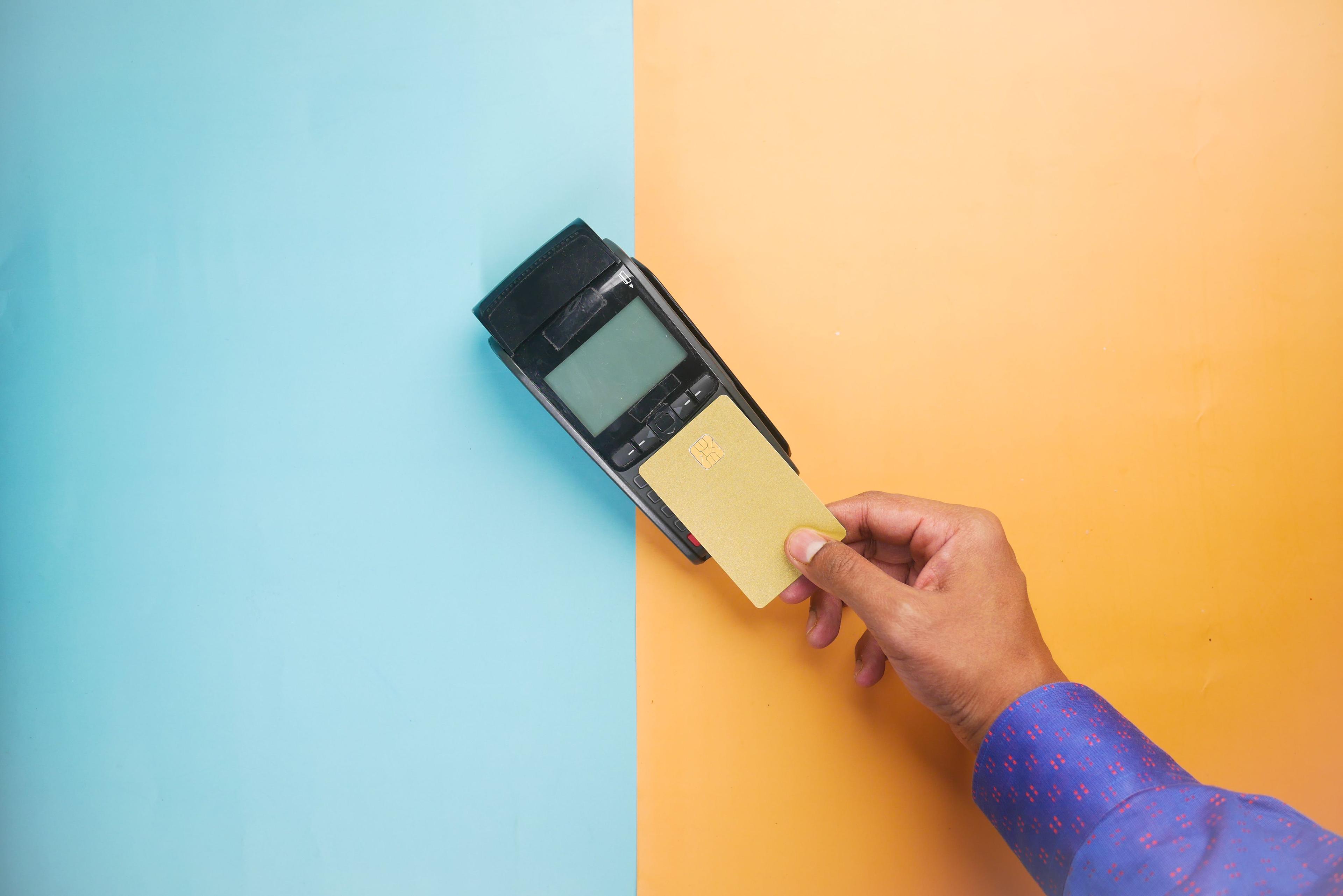
Almost every Korean rental company places a temporary authorization hold on your credit card at pickup — not an actual charge. This is separate from your rental fee and insurance, and it exists purely to cover potential damage, unpaid tolls, or traffic fines discovered after you've returned the car.
The hold amount depends on the car class and whether you bought Super CDW (zero-deductible insurance). Expect 200,000–300,000 KRW for economy and compact cars, 300,000–400,000 KRW for mid-size sedans, and 400,000–600,000 KRW for SUVs, vans, or imported vehicles. With Super CDW, some companies reduce or waive the hold entirely.
- Economy/compact: 200,000–300,000 KRW hold
- Mid-size sedan: 300,000–400,000 KRW hold
- SUV/van/imported car: 400,000–600,000 KRW hold
- Debit cards are usually rejected — bring an actual credit card in the driver's name
The Pre-Rental Inspection: Document Everything
Before you drive off, a staff member walks around the car with you and marks existing scratches, dents, or wheel scuffs on a printed diagram or tablet app. This inspection report is the baseline every return-day damage claim gets compared against — so don't rush it.

Take your own timestamped photos and a slow 360° video of the exterior, wheels, roof, and interior on your phone before leaving the lot. If the staff's diagram misses a scratch you notice, point it out immediately and ask them to add it — verbally flagging it later won't help you.
When You Return the Car: How Damage Charges Get Assessed
At return, staff repeat the walk-around and compare it against the pickup diagram. Anything new — a scratch, a curbed wheel, a chipped windshield, cigarette odor, or a fuel level below what you received — can trigger a charge deducted from your deposit hold.
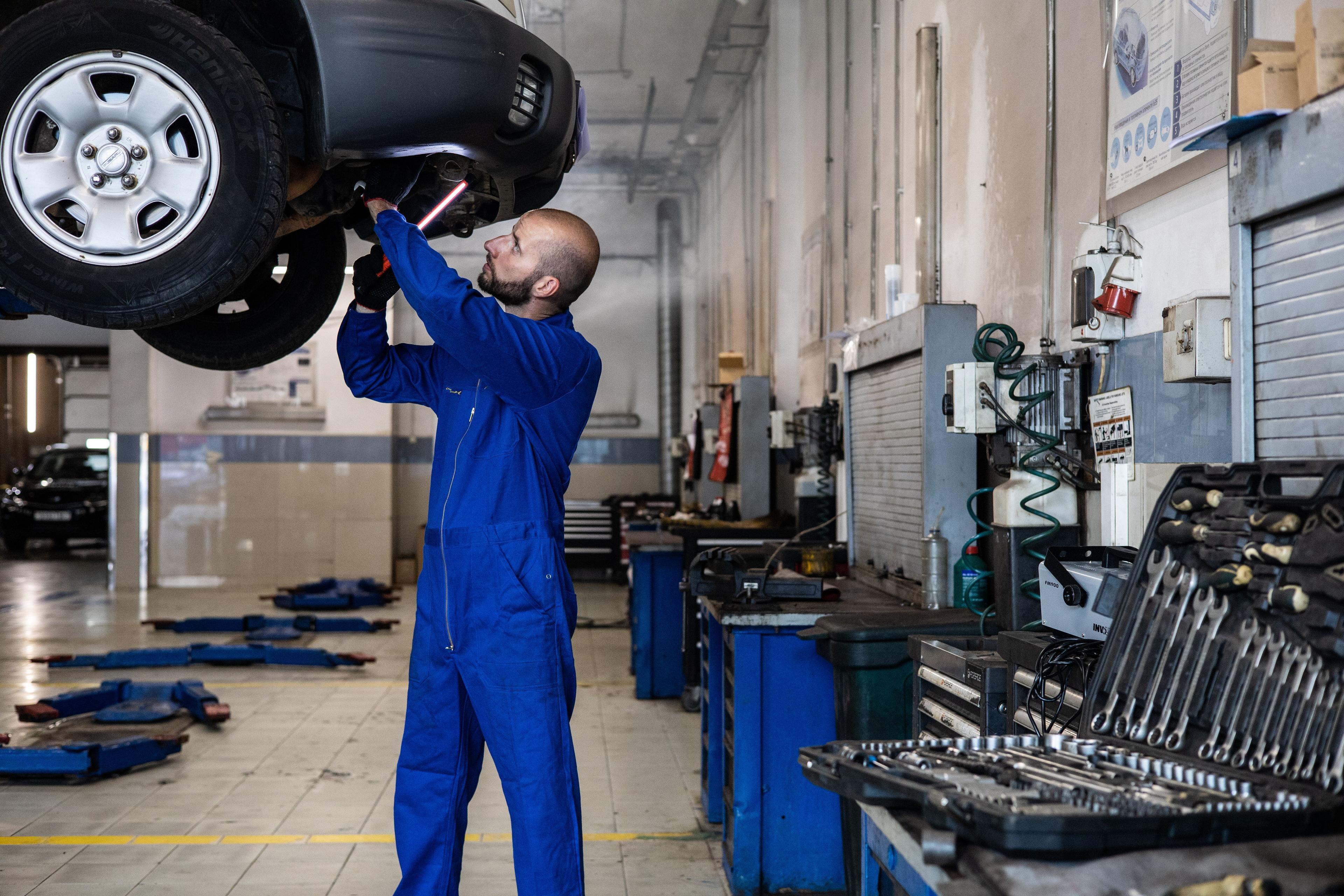
If you have CDW or Super CDW, most cosmetic and collision damage is capped at your deductible instead of full repair cost. If staff quote a charge you don't recognize from your own return-day video, ask for an itemized repair estimate before agreeing — you can request this in writing, and larger branches usually have an English-speaking manager available.
- Return the fuel tank at the same level you received it, or pay a refueling fee plus markup
- Photograph the odometer and fuel gauge at both pickup and return
- Ask for a printed or emailed return receipt showing the final settlement, not just a verbal "you're all set"
- If you dispute a charge, request the inspection photos the company used — most keep digital records
How Long Until Your Deposit Is Released
If there's no damage or extra charge, the authorization hold simply expires and disappears from your statement — the company doesn't need to do anything further. This typically takes 3–10 business days for most Korean and international credit cards, though some banks take up to 30 days to fully clear a hold.
If a charge was applied (damage, tolls, or a Non-Operation Charge / NOC for down-time while the car is repaired), that shows up as an actual transaction rather than a released hold — check your statement, not just your available credit, since a released hold and a real charge can look similar at a glance.
Quick Tips
- 1Bring a credit card with at least 600,000 KRW of available limit so the hold doesn't block other purchases during your trip
- 2Buy Super CDW if you're at all nervous about parking in tight Korean garages — it often reduces the deposit hold too
- 3Video the full car (exterior, wheels, interior, fuel gauge, odometer) at both pickup and return before staff finish their inspection
- 4Return the car during business hours whenever possible — after-hours drop boxes mean no one confirms the condition with you in person
- 5Keep the rental agreement and inspection sheet until the hold clears from your statement
FAQ
Frequently Asked Questions
Document the car before you drive off, document it again before you hand back the keys, and the deposit process becomes a formality instead of a gamble. Book your rental with confidence and enjoy the drive.
Share this article
You Might Also Like



Get Travel Inspiration
Subscribe for new stories, route guides, and driving tips delivered to your inbox.