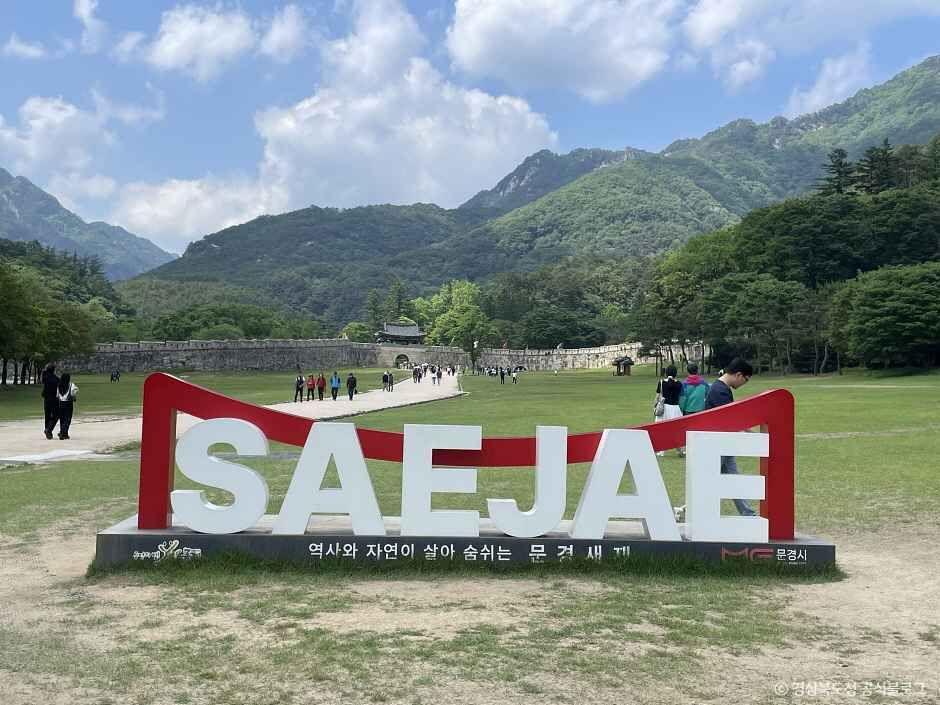
Mungyeong Saejae Pass Drive: Korea's Most Historic Mountain Road
For five centuries, the Mungyeong Saejae pass was one of the most important roads in Korea. Scholars heading to Seoul for the royal civil service exams walked this mountain trail. Merchants hauled goods over it. Armies marched through it. Today the route is a 6.3 km forest trail flanked by three stone fortress gates, and it's one of the most atmospheric drives and walks in the country.
Mungyeong Saejae (문경새재) sits in the Sobaek Mountains on the border of North Gyeongsang and North Chungcheong provinces, about 190 km south of Seoul. The drive takes roughly 2 hours, and the site itself can be done in half a day — making it an easy day trip or a natural addition to a longer road trip through central Korea.
The Three Fortress Gates
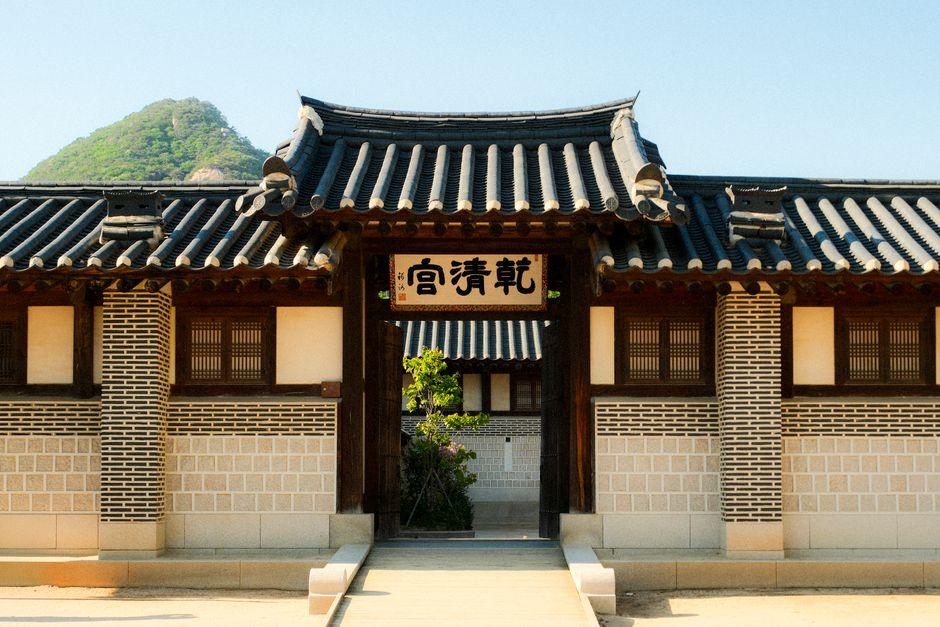
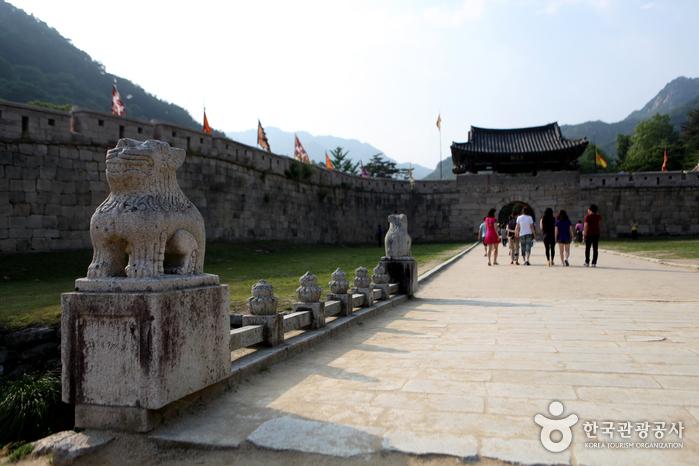
The three gwanmun (관문, fortress gates) are what set Mungyeong Saejae apart from other Korean mountain parks. Each gate is a substantial stone-and-timber structure built to control the narrow pass — the Joseon government's way of monitoring who crossed the mountains.
- 1st Gate — Juheulgwan (주흘관): 600 m from the parking area. The most photogenic of the three, with a clear mountain stream alongside. This is where you pay park admission.
- 2nd Gate — Jogokkwan (조곡관): 3.1 km from the entrance. Set in dense forest near a waterfall. A natural rest point with shade and a cool breeze even on hot summer days.
- 3rd Gate — Joryeonggwan (조령관): At the top of the pass on the Gyeongsang–Chungcheong provincial border. The views down into both provinces are the reward for the full walk.
Admission is 2,000 KRW per adult (children under 7 free). Budget 2–3 hours for a full round trip to Gate 3, or 1.5 hours if you turn back at Gate 2.
Walking the Saejae Trail
The trail between the gates is unpaved dirt and gravel, following a forest stream most of the way. The canopy is dense enough that even mid-July visits stay comfortable. There's no vehicle access beyond the parking lot — you walk (or rent a bicycle at the entrance for 3,000 KRW/hour).
The path to Gate 2 is easy and suitable for all fitness levels. Beyond Gate 2 the trail gets steeper and the footing rougher — hiking boots are recommended. Sandals will work to Gate 2 but get uncomfortable on the rocky sections near Gate 3.
On summer weekends the trail can get busy between 10am and 2pm. Starting before 9am or arriving after 3pm gives you a noticeably quieter experience.
The Mungyeong Drama Film Set
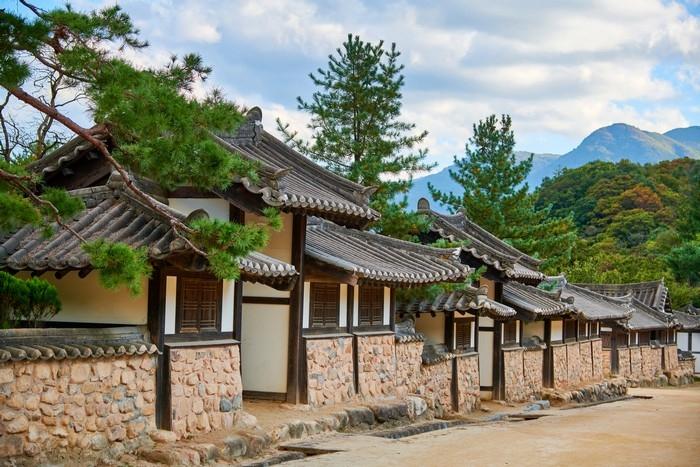
Right at the park entrance sits the Mungyeong Saejae Open Film Set (문경새재 오픈세트장) — a sprawling recreation of a Joseon-era government town that has been used to film dozens of major Korean historical dramas: Jumong, Yi San, The Great Queen Seondeok, Tree with Deep Roots, and many others.
You can walk through the full set village, peek inside the buildings, and rent hanbok costumes for photos (available at the entrance stalls). Even if you're not a K-drama fan, the scale and detail of the set is genuinely impressive — it feels like walking into another era.
Allow 30–45 minutes for the film set. It's usually included in the park admission, or costs a small separate fee of around 2,000 KRW.
Mungyeong's Local Food and Drinks
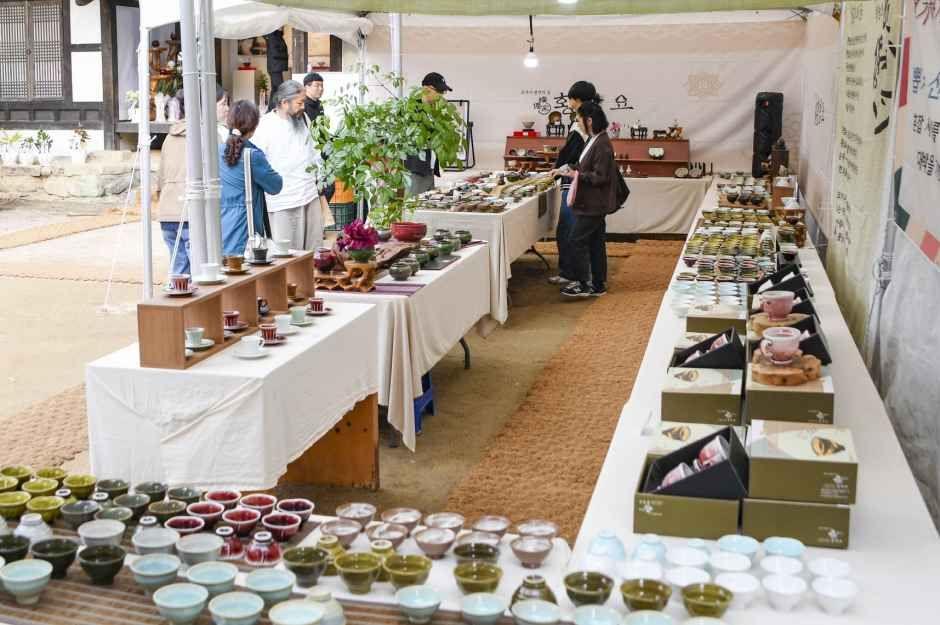
Mungyeong is famous for omija (오미자, five-flavor berry) — a small red fruit whose name comes from the five distinct tastes it carries simultaneously: sweet, sour, salty, bitter, and pungent. The restaurants and stalls near the park entrance serve omija tea, omija makgeolli (rice wine), and omija bibimbap. Try it in at least one form — it's not something you'll easily find outside this region.
Mungyeong is also the apple soju capital of Korea. The local Mungyeong apple soju has a mellow, fruity flavor compared to standard soju — look for it at the convenience stores or restaurant menus near the park. Don't drink and drive; save it for the evening.
- Omija tea: 3,000–5,000 KRW at trail-entrance stalls
- Omija makgeolli: ~5,000 KRW per bowl at local restaurants
- Mungyeong apple soju: ~5,000–7,000 KRW a bottle at convenience stores
- 산채비빔밥 (mountain herb bibimbap): 10,000–13,000 KRW — the best thing to eat for lunch after the hike
Getting There from Seoul by Car
Mungyeong Saejae is not reachable by public transport — a rental car is the only practical option. From Seoul, take the Gyeongbu Expressway (Route 1) south to the Yeongdong Expressway (Route 50) junction, then continue south on the Jungbu Naeryuk Expressway (Route 45) and exit at Mungyeong IC (문경IC). Follow signs for 문경새재도립공원.
- Distance from Seoul: ~190 km
- Drive time: 2–2.5 hours in normal traffic
- Toll (one way, Seoul → Mungyeong): approximately 10,000–12,000 KRW
- Parking: Free large lot at the park entrance
- Naver Map navigation: Search '문경새재도립공원' (Mungyeong Saejae Provincial Park)
- Nearest city for fuel/food: Mungyeong city center, 8 km from the park
If you want to extend your trip, Danyang (covered in our Danyang Day Trip guide) is about 60 km northwest — a natural pairing for a two-day central Korea road trip. Gyeongju is about 130 km southeast for a full historic Korea itinerary.
Quick Tips
- 1Arrive before 9am on summer weekends to park near the entrance and beat the crowds.
- 2Bring cash — some trail stalls and smaller restaurants don't accept cards.
- 3The trail up to Gate 2 is fine in athletic shoes. For Gate 3, wear hiking boots.
- 4Sunscreen and a water bottle are essential in summer — sun exposure increases above Gate 2.
- 5Combine with Danyang (1 hour northwest) or Gyeongju (1.5 hours southeast) for a multi-day road trip.
FAQ
Frequently Asked Questions
Mungyeong Saejae is one of those Korean destinations that rewards drivers specifically — you can't get here without a car, and the drive through the Sobaek mountain valleys is part of what makes the trip feel like a proper journey. Add it to your central Korea road trip and you won't regret it.
Share this article
You Might Also Like


Get Travel Inspiration
Subscribe for new stories, route guides, and driving tips delivered to your inbox.