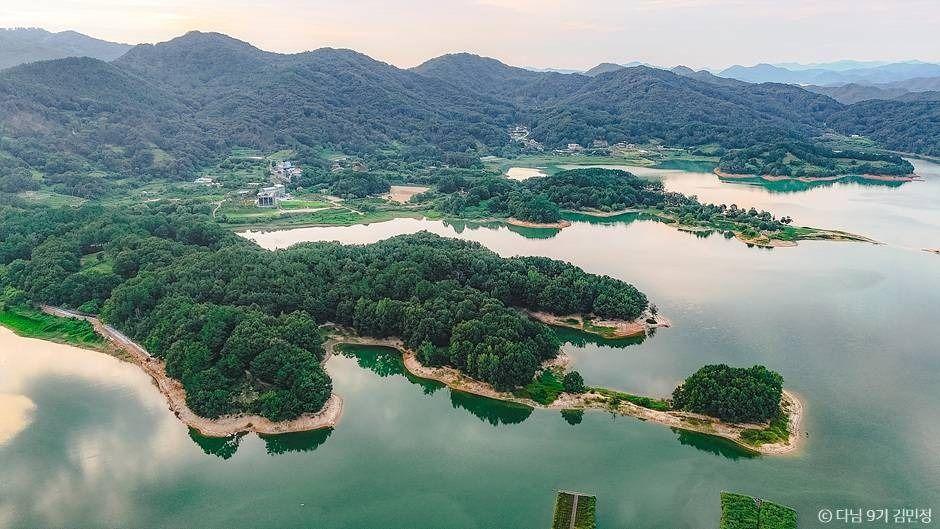
Daecheong Lake Drive: Korea's Best Lakeside Road Near Daejeon
Ask most foreign visitors about Korean road trips and they'll mention Jeju, the East Coast, or Gyeongju. Few have heard of Daecheong Lake (대청호) — yet this vast reservoir tucked between Daejeon and North Chungcheong Province is one of Korea's largest lakes and the setting for a genuinely spectacular lakeside drive. The road winds along forested shorelines, crosses narrow peninsulas, and rewards you with sweeping blue-water views that look like they belong in Switzerland, not 150 km south of Seoul.
The lake was born in 1981 when the Daecheong Dam was completed on the Geum River (금강), flooding the valley and creating a 72 km² inland sea. Before the waters rose, engineers moved dozens of historic buildings to higher ground — creating the Munui Cultural Village (문의문화재단지), a quiet open-air heritage park that rivals far more famous sites. Today the dam, the lakeside road, and the village form a half-day loop perfect for anyone with a rental car and a free morning.
Getting to Daecheong Lake from Seoul
From Seoul, take the Gyeongbu Expressway (Route 1) south toward Daejeon, then exit at Daejeon-dong IC and follow local roads northeast toward the Daecheong Dam. The drive is roughly 150 km and 1 hour 30 minutes in light traffic — doable as an early-morning departure to avoid Seoul gridlock. Tolls run approximately 10,000–12,000 KRW one-way. There's essentially no public transport reaching the lakeside road, making a rental car the only real option.
- From Seoul: ~150 km, 1 hr 30 min via Gyeongbu Expressway → Daejeon-dong IC
- Tolls (one-way): ~10,000–12,000 KRW
- Best departure: Before 7:30 to clear Seoul's southern corridor
- Fuel tip: Fill up before leaving the expressway — stations around the lake are sparse
- From Daejeon city center: Only 25 minutes to the dam by car
Daecheong Dam: The Best First Stop
Start at the Daecheong Dam (대청댐) itself, where a free public viewing area gives you the full scale of the engineering project — a 495 m long concrete gravity dam holding back 1.5 billion tons of water. In summer the dam gates occasionally open for controlled releases, sending white-water columns thundering into the river gorge below. The overlook platform has parking (free), clean restrooms, and the first great photo spot of the day.
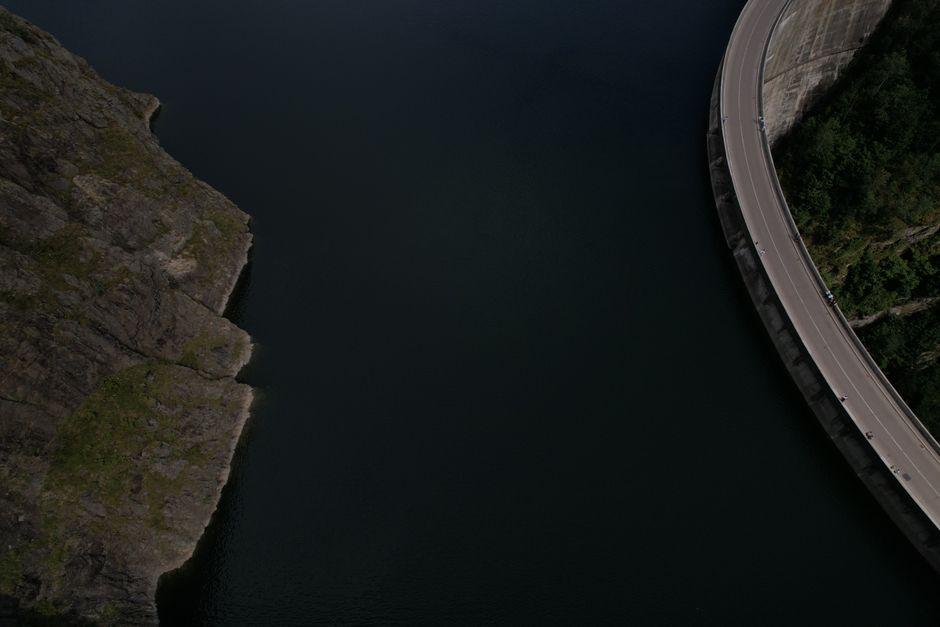
From the dam, the 대청호반도로 (Daecheong Lake Road) branches northeast along the reservoir's eastern shore. This is where the drive really starts. The two-lane road hugs the water, dipping into shaded forest tunnels and emerging onto open bluffs with unobstructed lake views. Summer mornings are especially beautiful — still water, mist rising from the coves, and very few other cars until after 10:00.
Munui Cultural Village: Korea's Flooded Heritage Rescue
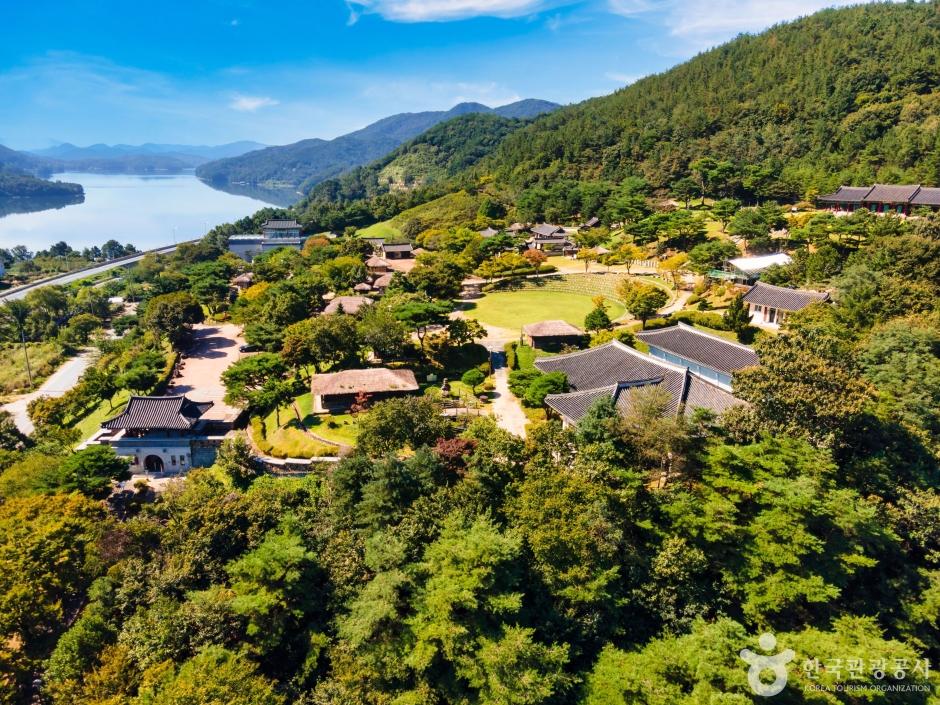
About 15 km northeast of the dam sits Munui Cultural Village (문의문화재단지), one of Korea's most interesting and overlooked cultural sites. When the valley flooded in 1981, engineers relocated 30 historic structures — Joseon-era government buildings, traditional homes, a stone pagoda — to this hillside site above the waterline. The result is a peaceful open-air museum set against the backdrop of the lake, completely free to enter.
- Entry: Free
- Hours: 09:00–18:00 (closed Mondays)
- Highlights: Joseon magistrate's office, traditional farmhouses, three-story stone pagoda
- Time needed: 45 minutes to 1 hour
- Parking: Free lot adjacent to the village entrance
The Lakeside Road to Okcheon
Continuing northeast, the road curves along the lake's irregular coastline toward Okcheon County (옥천군), birthplace of one of Korea's most beloved poets, Jeong Ji-yong. The drive through this stretch is the scenic highlight of the whole route — the road narrows as it crosses peninsulas where the lake reaches in on both sides, giving a momentary feeling of driving across water. Pull off at any of the small lay-bys for unobstructed views.
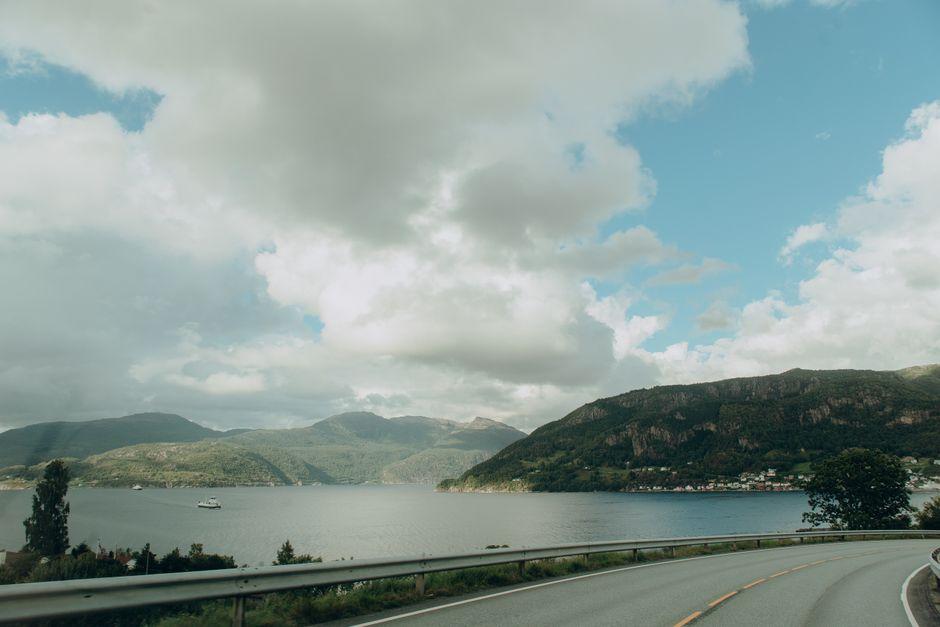
Okcheon town itself is worth a 30-minute stop. The Jeong Ji-yong Literature Museum (정지용 문학관) is small but beautifully done, and the old Okcheon train station — a preserved Japanese colonial-era building — is a photogenic detour just off the main road. From Okcheon you can loop back west toward Daejeon via Route 4, completing the circuit in about 3.5 hours total from Seoul.
Where to Eat Around Daecheong Lake
The lake area isn't a food destination, but a few reliable options make the day easy. Maeuntang (매운탕) — spicy fish soup — is the local specialty, served at small restaurants near the dam parking lot. In summer, look for outdoor vendors near Munui village selling sikhye (식혜), a sweet fermented rice drink that tastes particularly good in the heat. For a fuller lunch, Okcheon has several decent Korean restaurants near the main market street.
- Near the dam: Small restaurants serving maeuntang (spicy fish soup), ~12,000–15,000 KRW
- Munui Village area: Seasonal stalls with snacks and cold drinks
- Okcheon town: Korean restaurants near the central market, open from 11:00
- Tip: Pack water and snacks — convenience stores are scarce along the lake road itself
Best Time to Visit
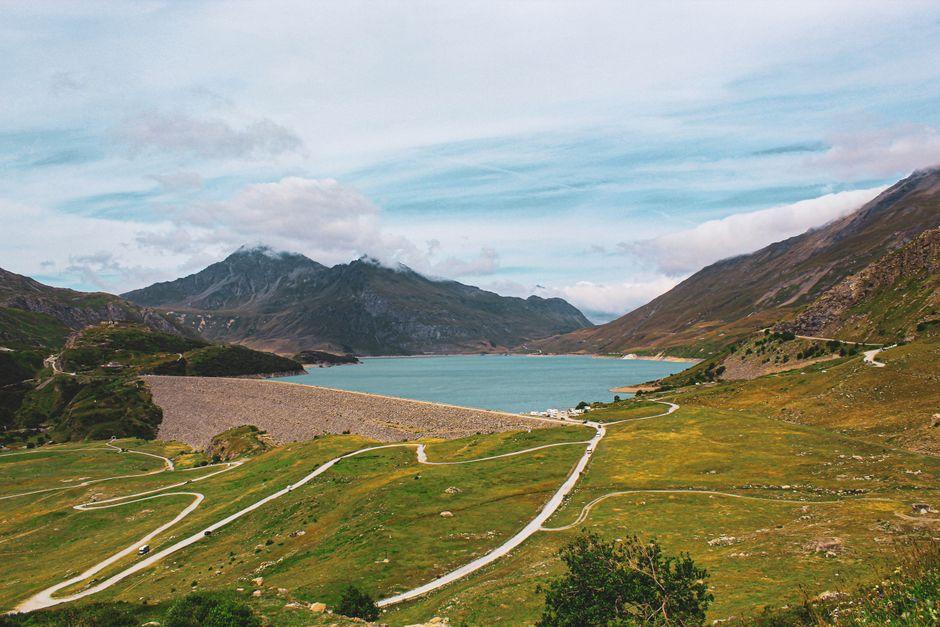
June through early July is the sweet spot: the surrounding hills are a deep green after spring rains, the water is high from snowmelt and early monsoon, and weekday crowds are minimal. Mid-July through August is hotter and busier but still manageable — Korean families arrive on weekends, but the road itself never gets congested. Avoid coming during the Chuseok or Lunar New Year holidays, when the expressway back to Seoul becomes a parking lot.
Quick Tips
- 1Start at the dam, drive northeast toward Munui, continue to Okcheon, then return via Route 4 to Daejeon — the loop is about 70 km
- 2Download Naver Maps and search '대청호반도로' for the full scenic route, not just the expressway shortcut
- 3The Munui Cultural Village has no entry fee — budget 45 minutes and you won't regret it
- 4Fuel up in Daejeon before heading to the lake; the one station near the dam closes early on weekends
- 5For the clearest photos, arrive before 10:00 — afternoon haze is common in summer
FAQ
Frequently Asked Questions
Daecheong Lake won't show up in most Korea travel guides — which is exactly why it's worth the detour. Book a rental car, leave Seoul by 7:30, and you'll be watching morning mist lift off the reservoir by 9:00. That's a good day.
Share this article
You Might Also Like


Get Travel Inspiration
Subscribe for new stories, route guides, and driving tips delivered to your inbox.