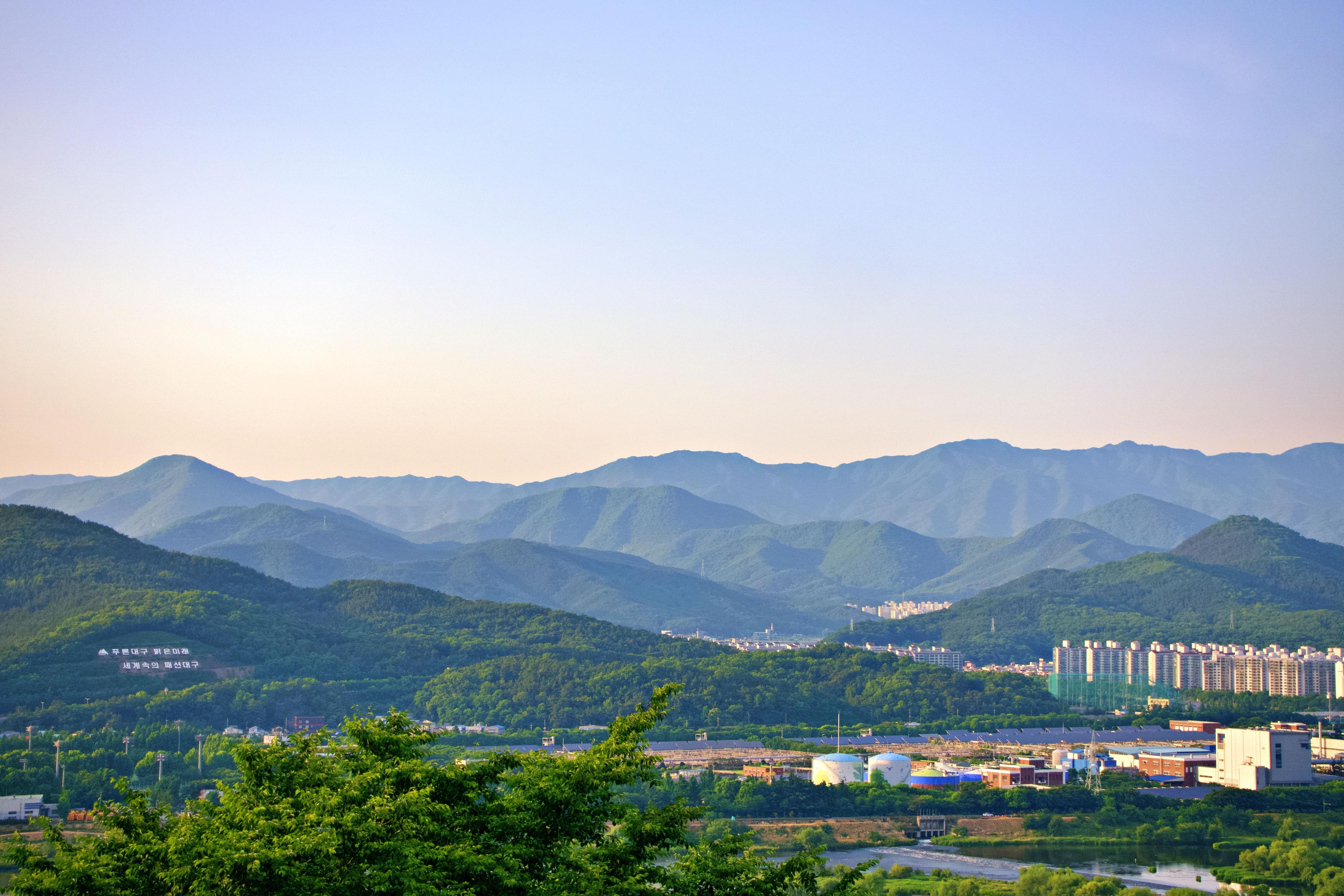
Daegu City Drive: Palgongsan, Suseong Lake & Korea's Hottest City
Daegu (대구) gets a bad reputation in summer. Locals joke that the city is hotter than Africa — they even call it 대프리카 (Dafrigue), a portmanteau of Daegu and Africa. Temperatures regularly hit 36–38°C in July and August. And yet, that reputation is part of the draw. Koreans from cooler regions come here specifically for the heat, the food, and a mountain park that stays 5–7°C cooler than the city floor.
Daegu is Korea's third-largest city with 2.4 million people, yet it barely registers on most foreign travel itineraries. That's a mistake. The city anchors the midpoint of the Seoul–Busan expressway, makes a natural overnight stop on any road trip, and offers a half-day circuit — Palgongsan National Park, Gatbawi stone Buddha, Suseong Lake, Seomun Market — that's genuinely different from anything in Seoul or Busan.
Getting to Daegu by Rental Car
From Seoul, take the Gyeongbu Expressway (경부고속도로) south. The drive is roughly 280 km and 2 hours 40 minutes under normal traffic — though add 30–40 minutes during the weekend rush. The Daegu IC (대구IC) drops you into the northeastern side of the city near Palgongsan, which works perfectly for the route described here. From Busan, the same expressway brings you north in about 1 hour and 90 km.
- From Seoul: ~2h 40min, 280 km via Gyeongbu Expressway
- From Busan: ~1h, 90 km via Gyeongbu Expressway
- Toll (Seoul → Daegu): approximately 12,800 KRW (Hi-Pass)
- Parking at Palgongsan: large free lots near the cable car base
- Gas stations: plentiful throughout the city; SK, GS Caltex, Hyundai Oilbank all present
Palgongsan Natural Park: Daegu's Sacred Mountain
Palgongsan (팔공산) rises to 1,192m northeast of the city center and is Daegu's defining natural landmark. The name means 'Eight Achievements Mountain,' and it has been a sacred site since the Silla Kingdom. Today it's dotted with Buddhist temples, hiking trails, and, crucially, a cable car that lets you skip the full 4-hour round-trip hike and go straight to the summit ridge.
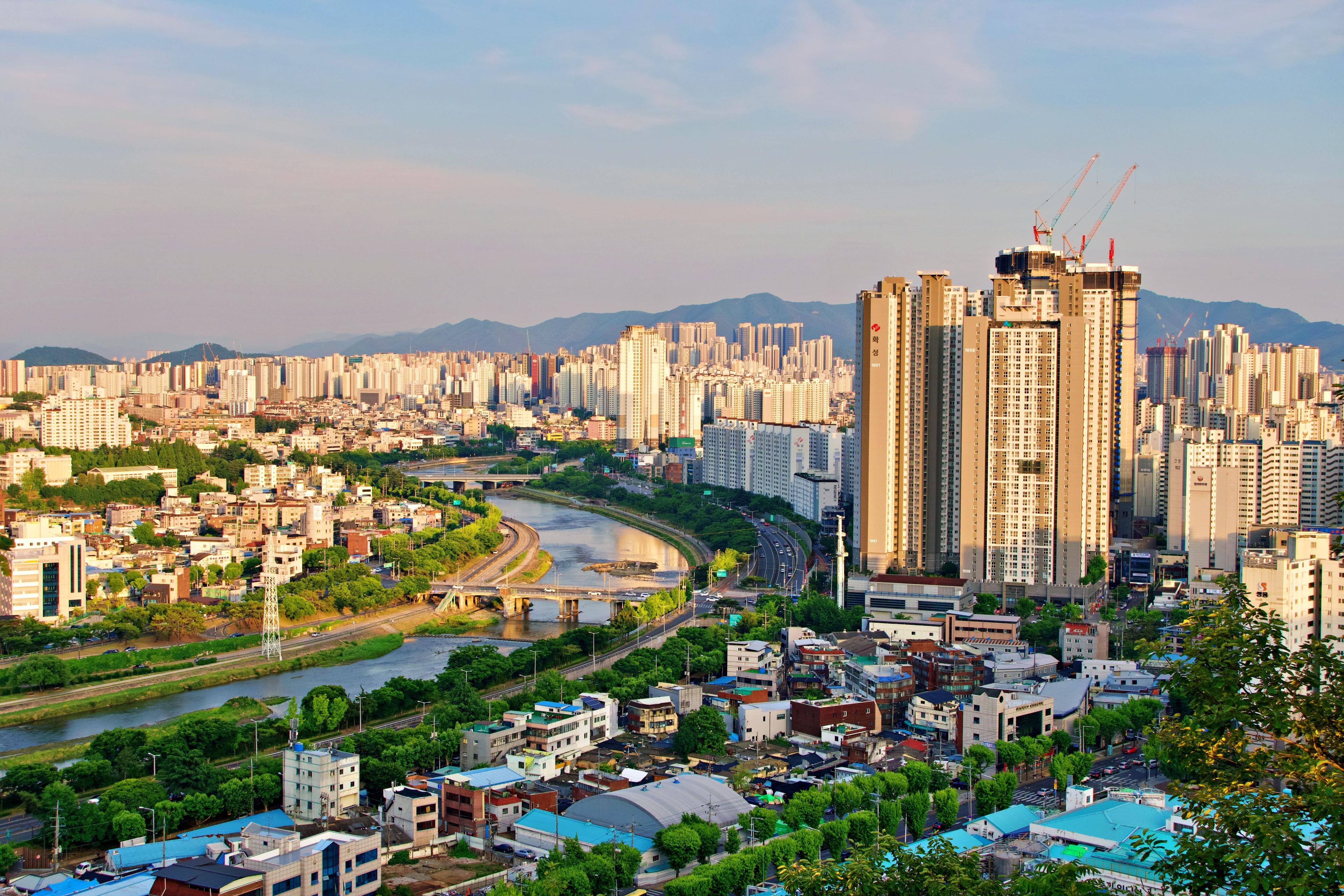
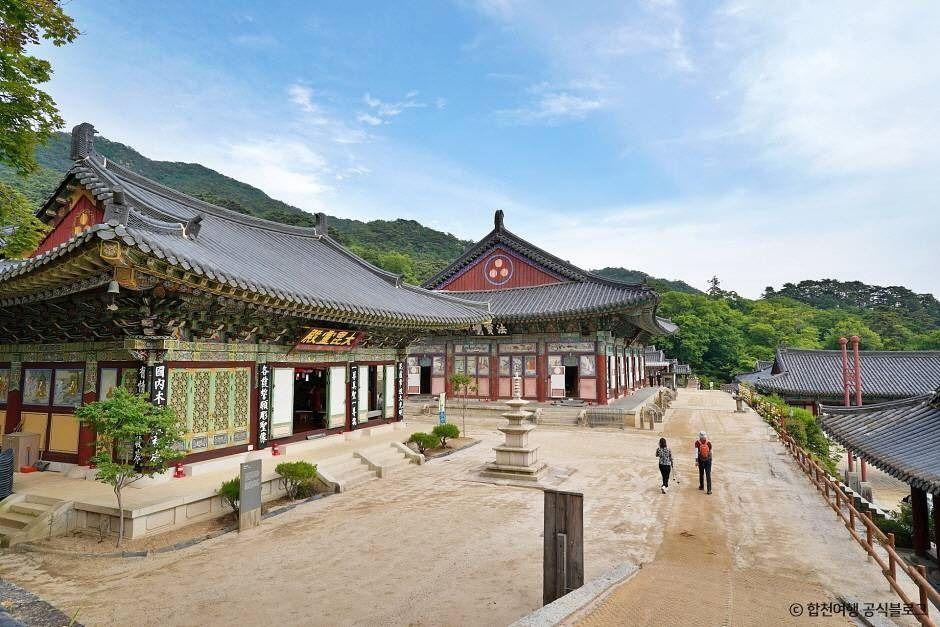
Drive northeast from central Daegu on Palgong Road (팔공로) for about 20 minutes. The road climbs steadily through forest and passes Dongwasa Temple (동화사), one of the major temples of Gyeongsang Province, founded in 493 AD. Even without hiking, a 30-minute walk around the Dongwasa complex — timber pavilions, stone pagodas, fragrant incense smoke — is worth the stop. Parking at Dongwasa costs around 2,000 KRW.
- Palgongsan Cable Car (팔공산 케이블카): runs to approximately 820m, views of Daegu basin
- Operating hours: 9:30–18:30 (seasonal variation; closed Tuesdays in winter)
- Cable car fare: 15,000 KRW round trip
- Dongwasa Temple: free entry, 20 min from Daegu city center
- Summer tip: temperatures at the summit are 5–7°C cooler than central Daegu
Gatbawi Stone Buddha: The Wish-Granting Peak
At 850m on Palgongsan's summit ridge stands Gatbawi (갓바위), a stone Buddha carved during the Unified Silla period (circa 638 AD). The figure wears a distinctive flat stone hat — hence the name, 갓 (gat) being the traditional Korean scholar's hat. Gatbawi is one of Korea's most famous pilgrimage sites, and Koreans firmly believe the Buddha grants exactly one wish per supplicant. In the weeks before university entrance exams, thousands of parents make the 2-hour hike overnight to pray for their children.
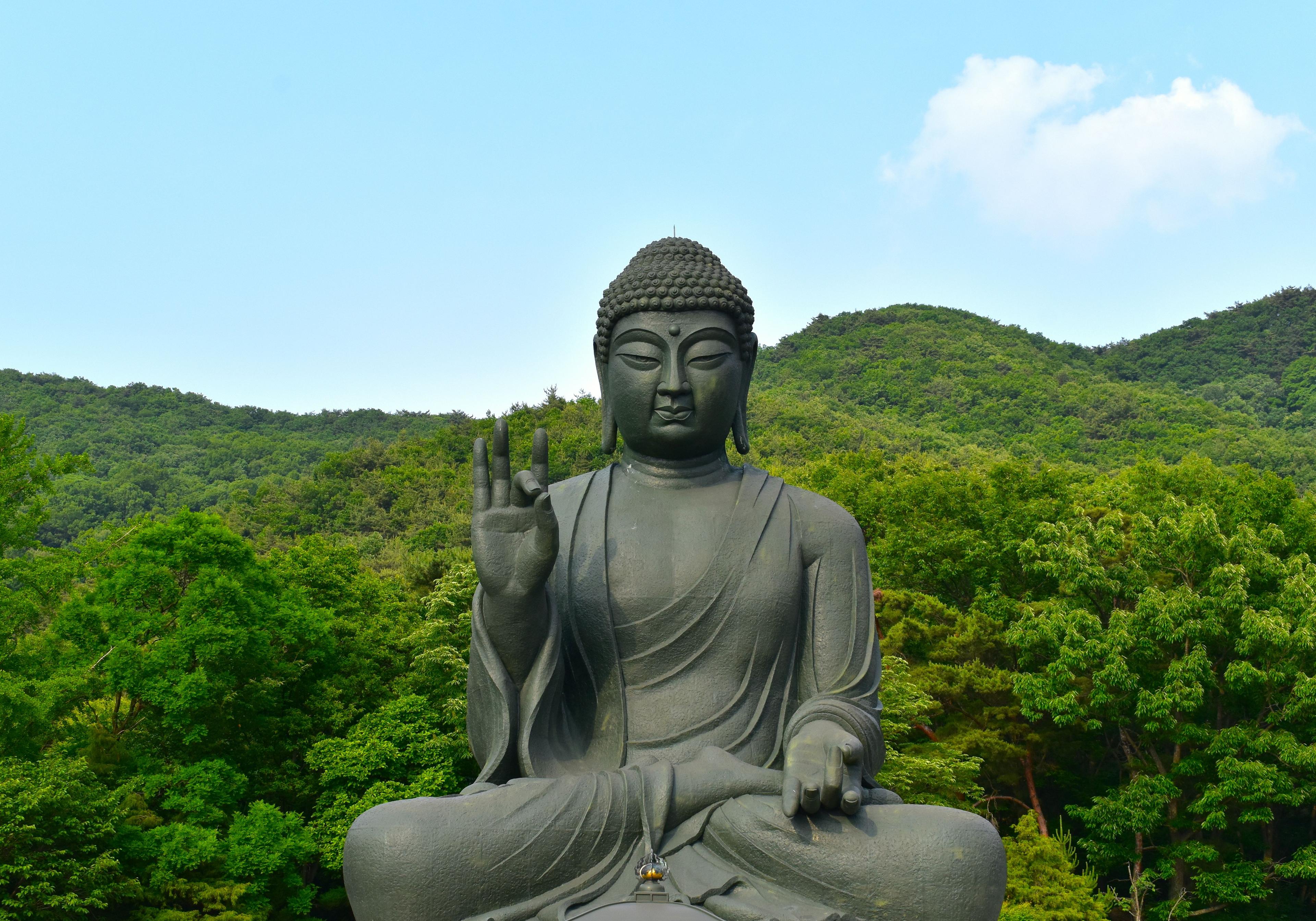
You can reach Gatbawi via the Gatbawi trailhead in Gyeongsan (경산) — a separate entry point on the eastern side of the mountain, about 30 minutes by car from the cable car base. The hike from this trailhead is roughly 1.5 hours one-way on a well-paved stone path with wooden railings. The trail gets busy on weekends; arrive before 9 AM to beat the crowds and enjoy the sunrise views over the Gyeongbuk plain.
Suseong Lake: Daegu's Evening Escape
After descending from the mountain, drive south into the Suseong-gu (수성구) district for one of Daegu's most beloved scenes: Suseong Lake (수성못). The reservoir was built in 1925 and covers roughly 0.26 km². Today it's ringed by a walking path, swan paddle boat rentals, a rotating fountain show, and a dense strip of restaurants and cafes on the south bank. On summer evenings, the whole area fills up with families, couples, and friends — it's Daegu's version of Han River picnic culture.
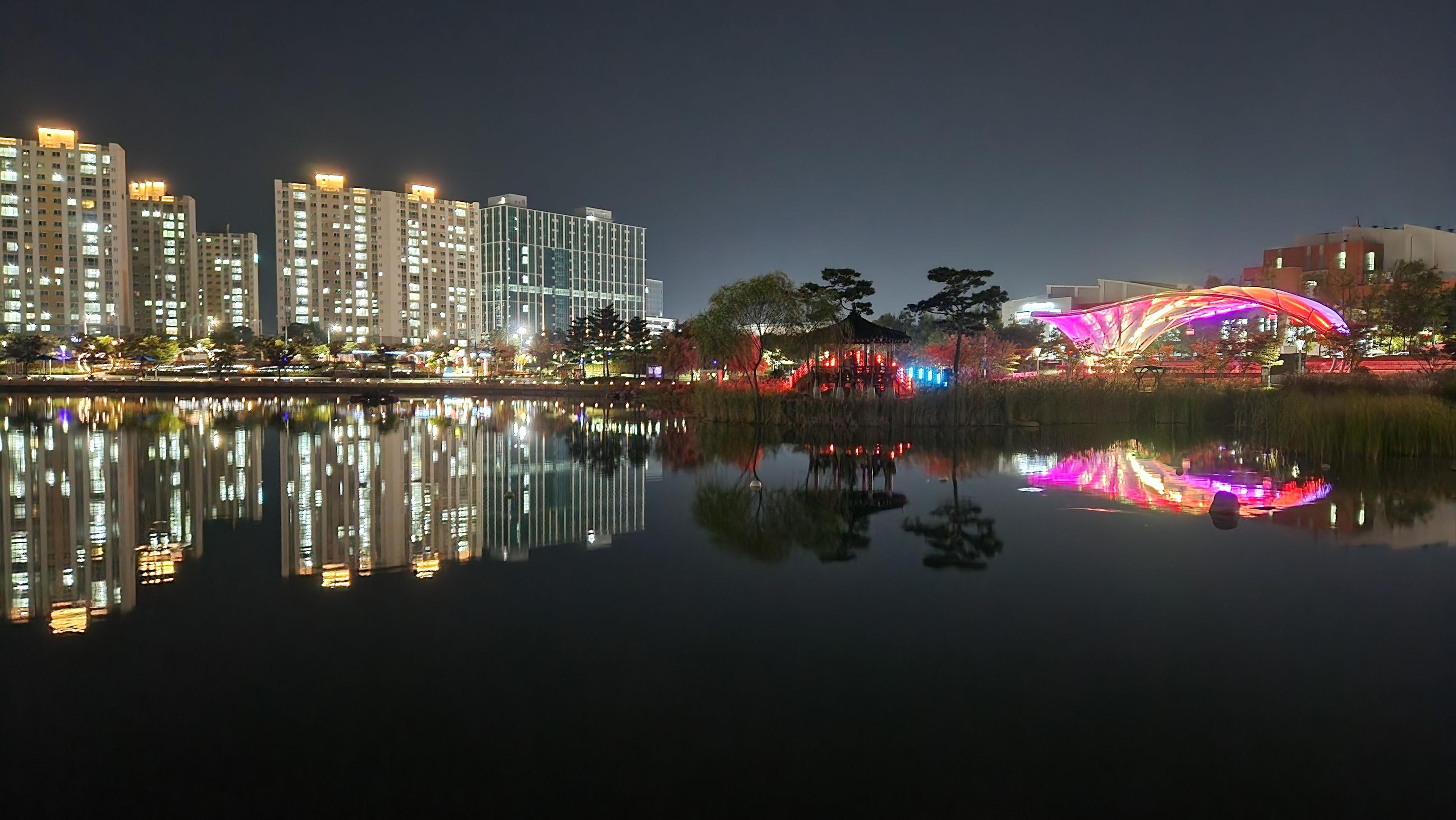
- Swan boat rental: approximately 10,000 KRW / 30 minutes
- Musical fountain show (음악분수): evenings in summer, free to watch
- Best time: 19:00–21:00 for the evening atmosphere
- Parking: underground parking near the lake entrance, ~1,500 KRW/hr
- Food: restaurants and pojangmacha (street food tents) line the south bank
Seomun Market & Dongseongno: Food and Shopping
No Daegu visit is complete without Seomun Market (서문시장), one of Korea's oldest and largest traditional markets — it traces its roots back over 400 years to the Joseon period. The market spans multiple buildings and is best known for its textiles and fabrics (Korean brides still source hanbok fabric here), but the real reason to visit in summer is the Seomun Market Night Market (서문시장 야시장), held on Friday, Saturday, and Sunday evenings. Over 80 food stalls set up along the outer street with everything from jokbal (pig's feet) to Nutella crêpes.
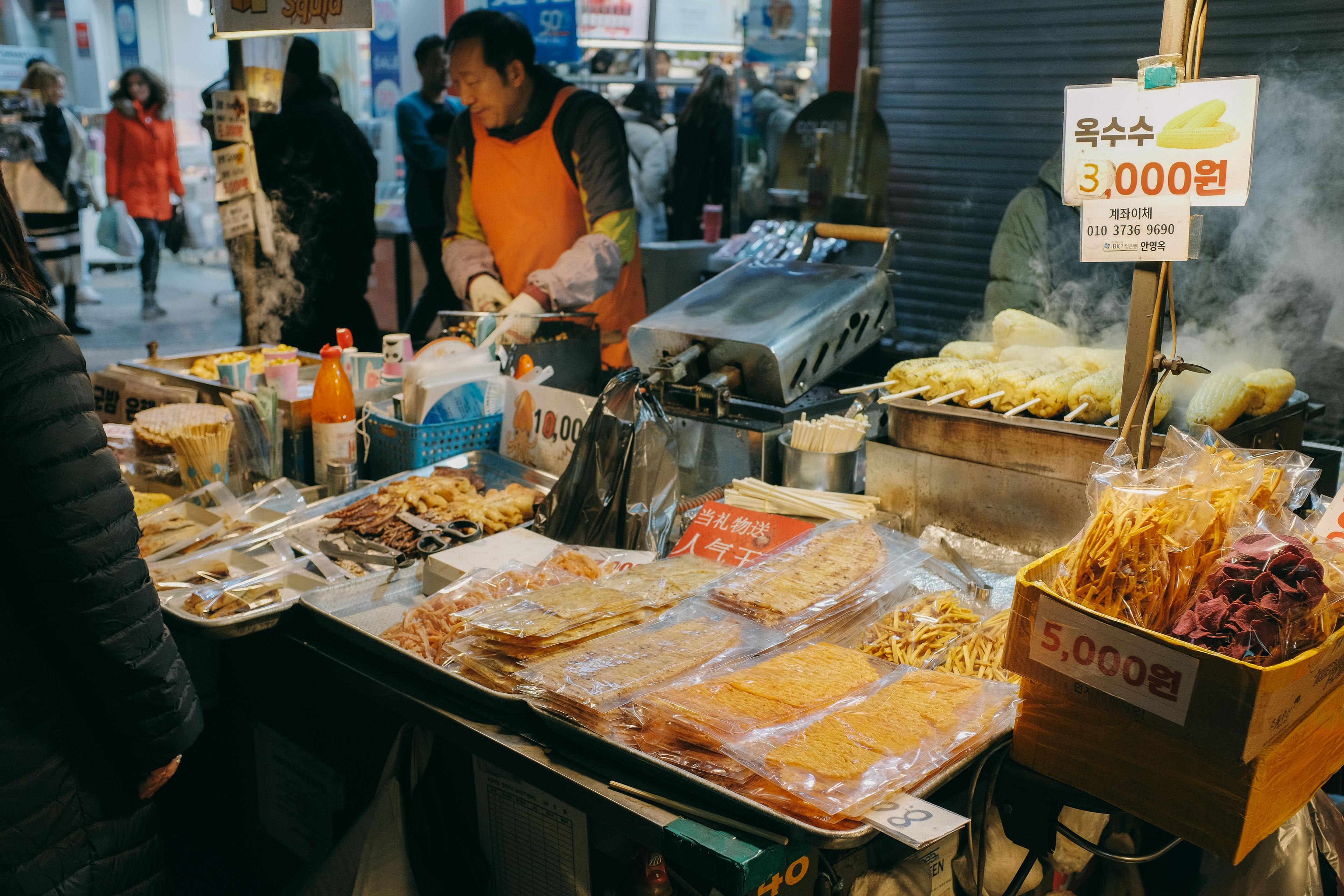
After the market, head to Dongseongno (동성로) — Daegu's main pedestrian shopping street in Jung-gu. It's Daegu's equivalent of Myeongdong: dense with clothing shops, cosmetics chains, street food vendors, and outdoor performance stages. Daegu has a reputation as a fashion city, and the boutiques along Dongseongno reflect that — smaller Korean brands, not the international chains that dominate Seoul. Budget 1–2 hours to walk, eat, and browse.
Quick Tips for Driving Daegu
- 1Beat the heat: visit Palgongsan in the morning (coolest part of the day), then Suseong Lake in the evening when temperatures drop.
- 2Naver Map (네이버 지도) handles Daegu well — enter Korean names (팔공산, 수성못, 서문시장) for best results.
- 3Avoid game days: Daegu FC (football) and Samsung Lions (baseball) draw heavy traffic when home games are scheduled. The Samsung Lions ballpark is in Suseong-gu near the lake.
- 4Night market days: Seomun Night Market runs Friday–Sunday evenings, roughly May–October. Arrive before 19:30 for parking near the market.
- 5Fuel: Daegu city fuel prices are slightly lower than Seoul — fill up before getting back on the expressway.
FAQ
Frequently Asked Questions
Daegu is the road trip city that keeps getting skipped. Do it differently: stop for the mountain, stay for the lake, and eat your way through the market before heading south. It's the best 24 hours between Seoul and Busan that most foreign drivers never take.
Share this article
You Might Also Like



Get Travel Inspiration
Subscribe for new stories, route guides, and driving tips delivered to your inbox.