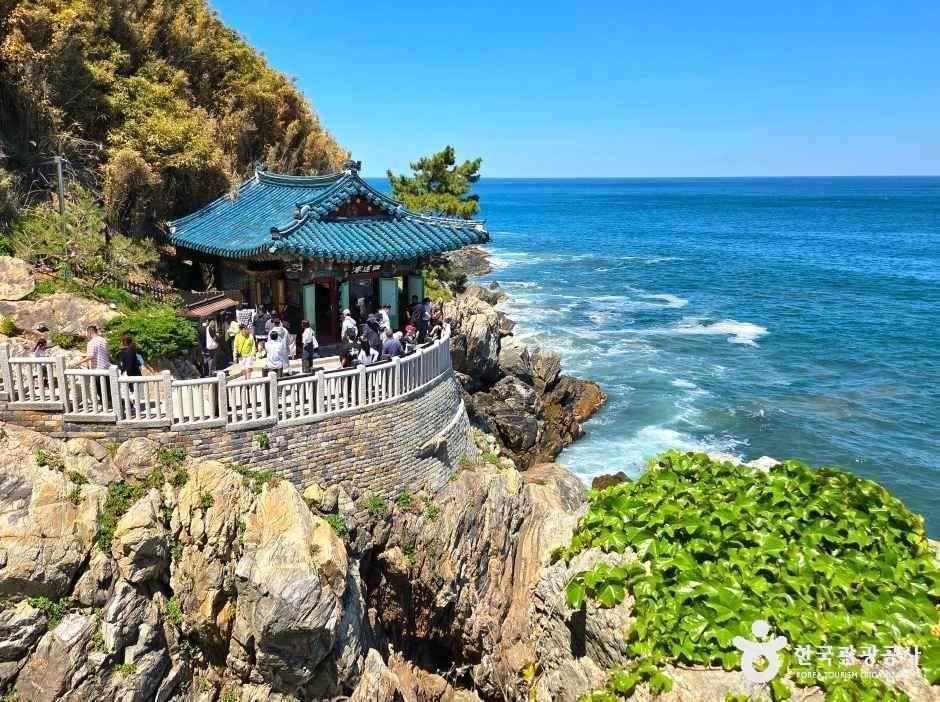
Naksan Beach & Naksansa Temple Drive: Gangwon's Most Beautiful Sunrise Spot
Most people heading to Gangwon's east coast head straight for Sokcho or Gangneung. But Naksan Beach in Yangyang, with its famous cliff-top temple and wide sweep of white sand, is worth its own dedicated trip. It's one of the few places in Korea where you can watch the sunrise from inside a Buddhist temple — and then eat raw fish for breakfast with the ocean in front of you.
Getting to Naksan Beach by Car
From Seoul, take Expressway 60 (Seoul-Yangyang Expressway) east toward Yangyang. The drive is about 2 hours 30 minutes in normal traffic — roughly 190km. Tolls run approximately 15,000 KRW each way. The expressway has a Naksan exit that drops you directly near the beach, which makes navigation simple.
Parking is available at the main Naksan Beach public parking lot — around 2,000 KRW per hour in peak season. If you're going for sunrise, arrive before 5 AM and parking is usually uncrowded. Naksansa Temple has its own small lot (free for worshippers, 2,000 KRW otherwise).
Naksansa Temple: Korea's Most Dramatic Cliff-Top Temple
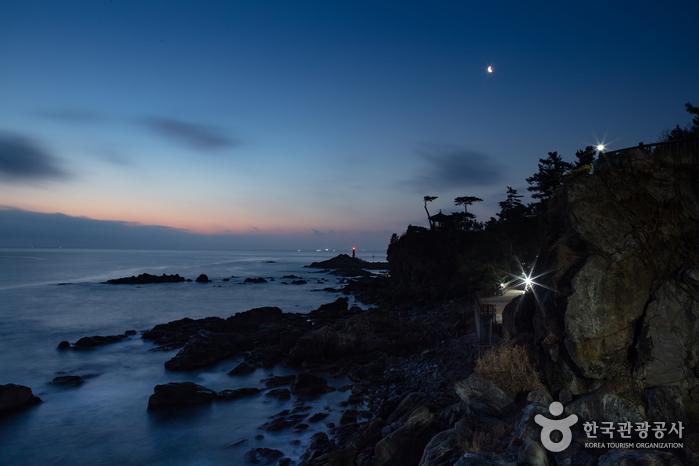
Naksansa (낙산사) was originally founded in 671 AD by the monk Uisang and is one of Korea's most significant Buddhist temples. What makes it extraordinary isn't its age — it's the location. The temple complex sits on a rocky cliff 40 meters above the East Sea, and the 16-meter Haesugwaneumsang (white granite Goddess of Mercy statue) stands at the edge overlooking the ocean.
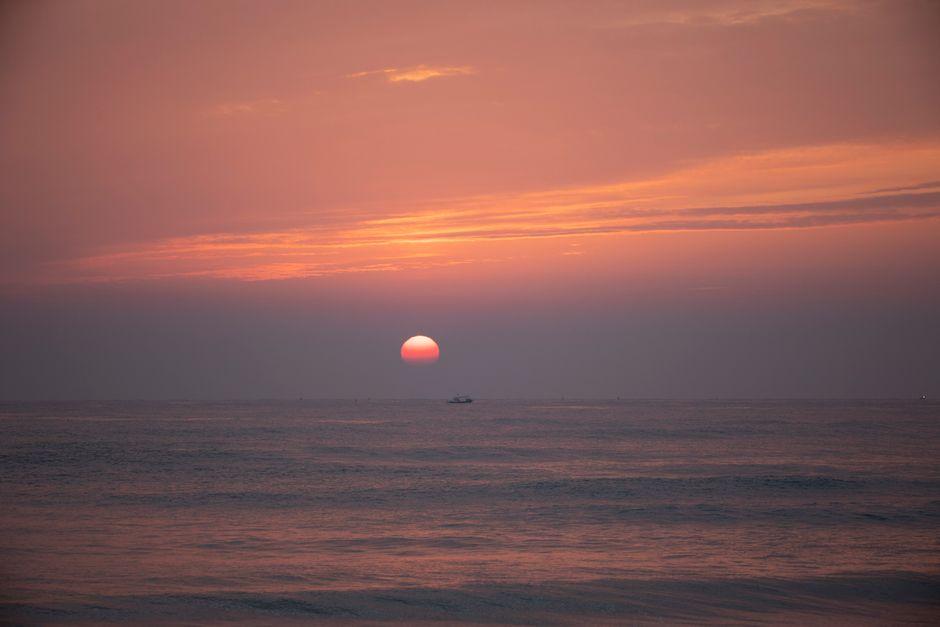
The temple was largely destroyed in the catastrophic 2005 Yangyang wildfire — a devastating moment in Korean cultural history — and has since been beautifully rebuilt. Walking through the Hongyemun Gate and up to the main hall at sunrise, with the sea glowing orange behind the statue, is one of the genuinely unforgettable things to do in Korea.
- Hours: 4:30 AM – 7:00 PM (opens early for sunrise)
- Admission: 4,000 KRW adults, 1,500 KRW children
- Best time: Sunrise (around 5:00–5:30 AM in summer)
- Parking: Small lot near the main gate, 2,000 KRW
- Dress code: Shoulders and knees covered (sashes available at entrance)
Naksan Beach: White Sand and Clear Water
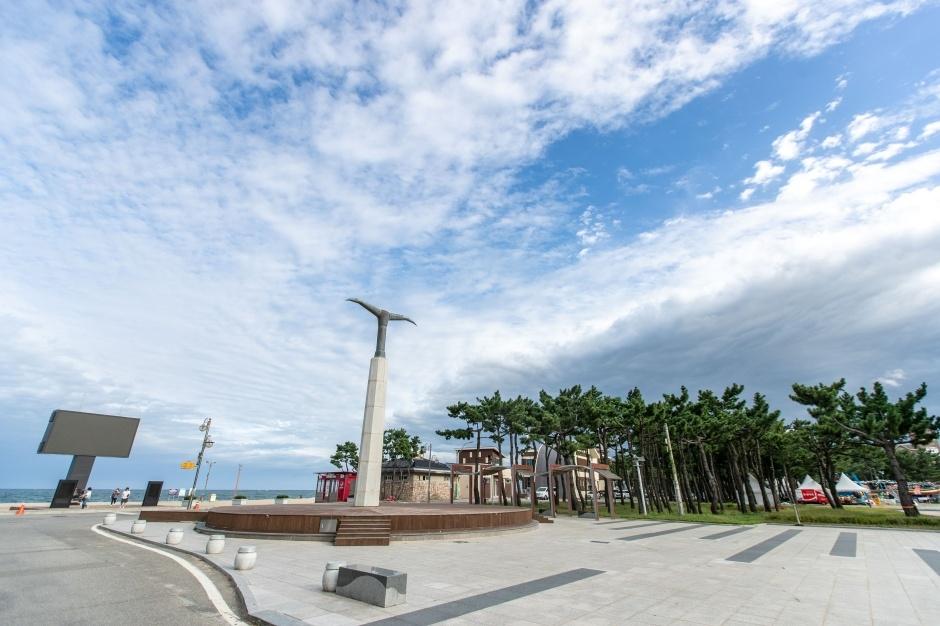
Naksan Beach (낙산해수욕장) stretches about 1.5km along a gentle bay just south of the temple. The sand is fine and white, the water is relatively clear by Korean east coast standards, and the beach is wide enough that even in peak July–August season it doesn't feel crushingly crowded.
The beach has full facilities: shower blocks (2,000 KRW), changing rooms, sun lounger rental, and a row of seafood restaurants and convenience stores along the beachfront road. Water temperature in summer hovers around 24–27°C — comfortable for swimming from late June through August.
- Beach season: Late June – late August (lifeguards on duty)
- Water temp (July–Aug): 24–27°C
- Shower facilities: Available at beach entrance, 2,000 KRW
- Sun lounger rental: ~10,000 KRW for the day
- Surfing: Mild waves — more suited to swimming than surfing (head to Jukdo Beach nearby for surfing)
Eat Raw Fish and Grilled Clams by the Sea
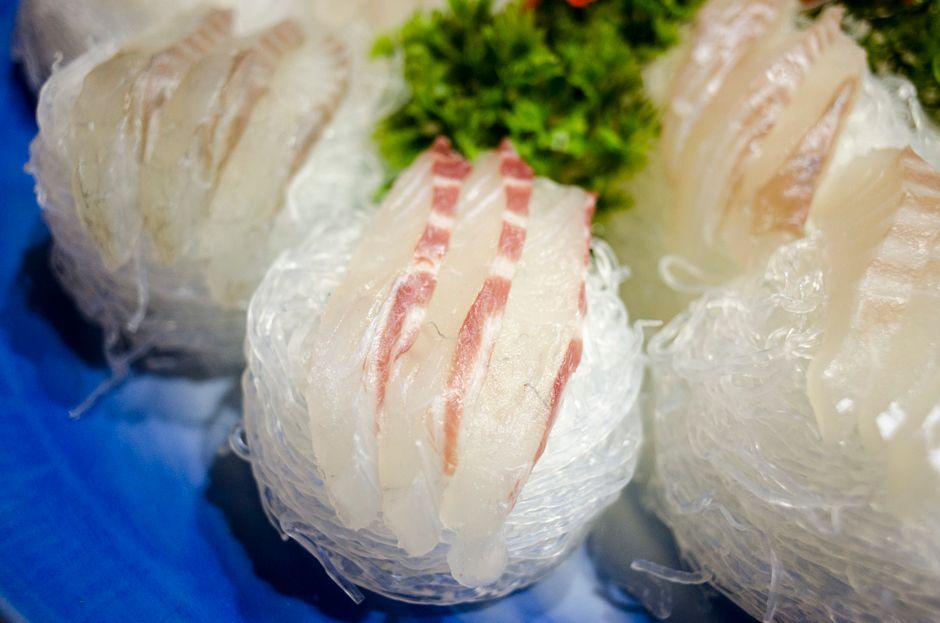
The row of seafood restaurants along Naksan Beach's coastal road is where you eat after the beach. Hoe (회), raw sliced fish served with ssamjang and perilla leaves, is the mandatory order — typically a mixed platter of whatever came in that morning. A portion for two runs 40,000–70,000 KRW depending on species.
If raw fish isn't your thing, haemul jjigae (spicy seafood stew) and grilled scallops are both excellent here. Most restaurants have direct sea views. For the freshest fish, look for restaurants with live tanks visible through the window — that's where locals go.
Day Trip Itinerary from Seoul
- 12:30–3:00 AM — Depart Seoul (early for sunrise)
- 25:00–5:30 AM — Arrive Naksansa, enter temple for sunrise
- 36:30 AM — Walk down to Naksan Beach for morning walk
- 47:30 AM — Breakfast at beachfront restaurant (haejangguk or simple meals)
- 59:00 AM–12:00 PM — Swimming, beach time
- 612:30 PM — Lunch at seafood restaurant (hoe or seafood stew)
- 72:00 PM — Optional: drive north to Sokcho (30 min) for Abai Village
- 85:00–6:00 PM — Depart for Seoul
If a 3 AM departure isn't appealing, you can arrive the evening before and stay overnight in Yangyang — a better option in summer when Naksan has a good selection of pensions and guesthouses near the beach. Prices run 60,000–120,000 KRW per night in summer.
What Else to Do Near Naksan
Jusan Jeongcha (주산정차) — the small pavilion at the northern tip of Naksan Beach — has a great view of the temple from below. It's a 10-minute walk from the main beach entrance. From there, a short coastal path leads up toward Naksansa's outer walls.
Heading north, Sokcho is just 30km away — worth adding for a bowl of Abai sundae (blood sausage stuffed rice noodle) and a walk through the fishing village. Heading south, Jukdo Beach near Yangyang is Korea's most famous surf beach and adds a different vibe to the day.
FAQ
Frequently Asked Questions
Naksan is the kind of place that rewards an early start. Drive through the night, watch the sun rise from a cliff-top temple while the ocean turns orange below — then spend the morning on the beach. It's a long day, but it's the east coast at its best.
Share this article
You Might Also Like


Get Travel Inspiration
Subscribe for new stories, route guides, and driving tips delivered to your inbox.