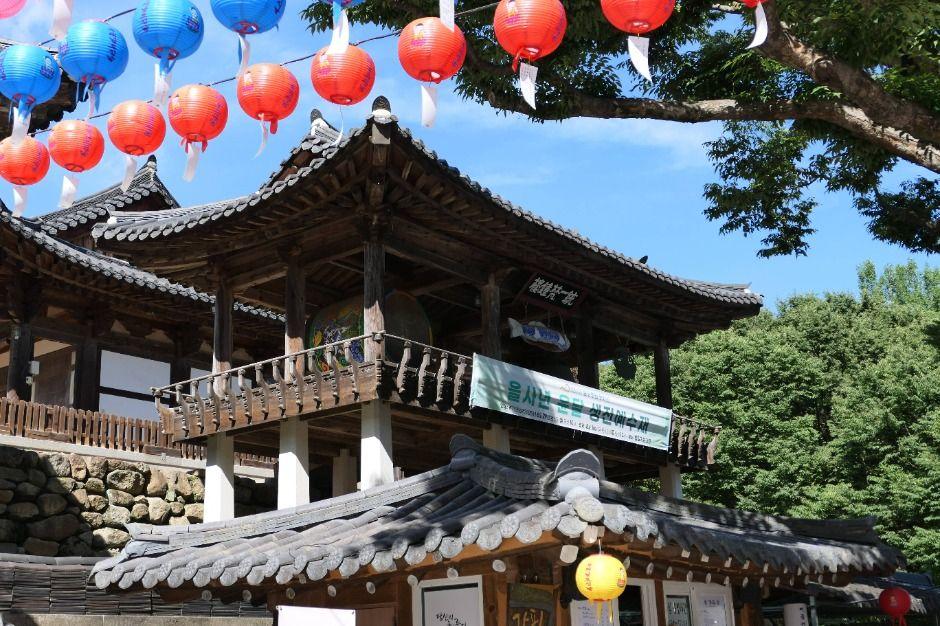
Palgong Mountain Drive from Daegu: Gatbawi, Donghwasa Temple & Cable Car Views
Most visitors to Daegu spend their time in the city center. But 20 minutes north by car, Palgong Mountain (팔공산) offers something completely different: ancient Buddhist temples, a legendary stone Buddha carved into a cliff face, and mountain ridge views that stretch to the East Sea on a clear day. It's one of Korea's best half-day mountain drives — and almost no foreign tourists make it up here.
Palgong became South Korea's 23rd National Park in December 2023, recognized for its cultural and natural value. The mountain has been a center of Korean Buddhism for over 1,300 years. You'll need a rental car or taxi to get around efficiently — the sites are spread across a wide area, and public transit connections are limited.
Getting to Palgong Mountain from Daegu
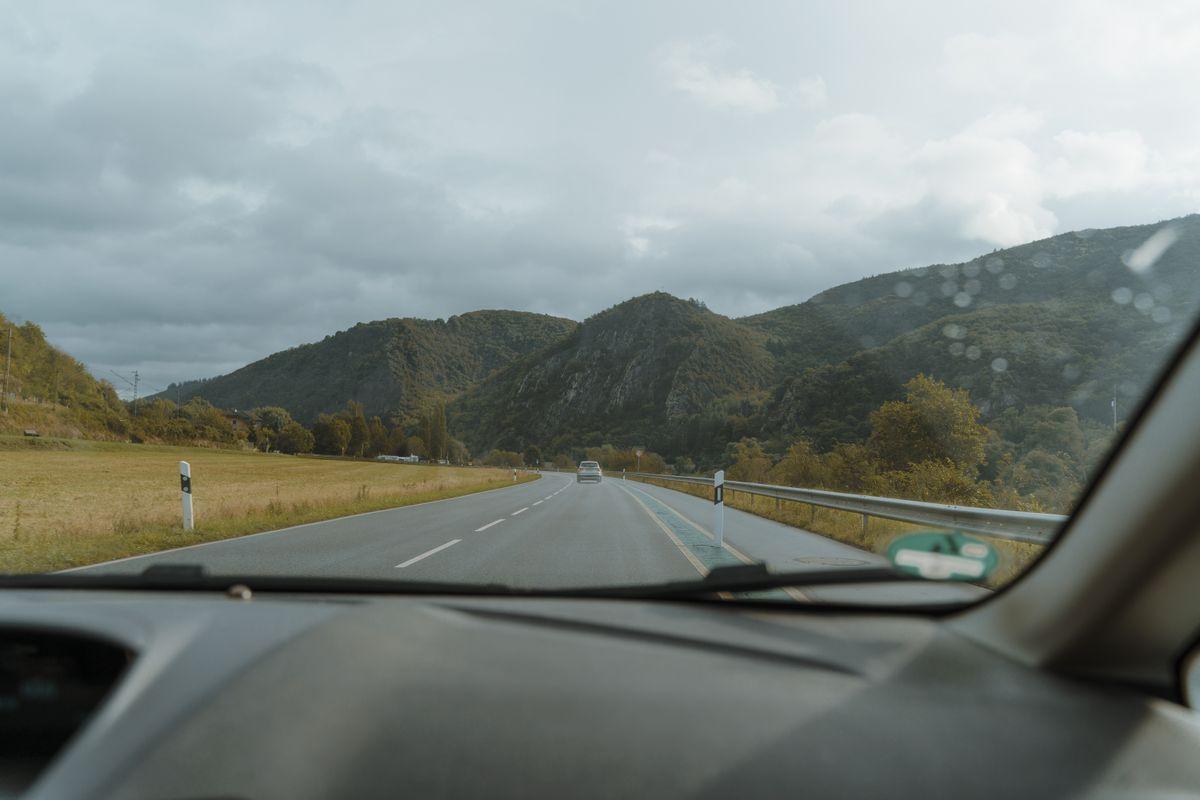
From Dongdaegu Station or central Daegu, head north on Route 4 (팔공로) toward Dong-gu. Follow signs for 팔공산 (Palgong-san). The road climbs steadily and the city drops away fast. The main visitor entry points — Donghwasa Temple, the cable car base station (Palgong Skyline Luge or Palgong Cablecar), and the trailhead for Gatbawi — are all reached from this main mountain road.
- From Dongdaegu Station: ~20–25 km, 25–35 minutes via Palgong-ro (Route 4)
- From Daegu Airport: ~18 km, 20–25 minutes heading northeast
- Tolls: No tolls on the mountain approach roads
- Parking: Large free lots at Donghwasa and cable car station; paid parking near Gatbawi trailhead (~2,000 KRW/hour)
- Navigation: Set Naver Map to '동화사' (Donghwasa) or '갓바위' (Gatbawi) — both are well-signed
- Best departure from Daegu: By 8:00 to beat weekend temple crowds
Donghwasa Temple — Korea's Largest Stone Buddha
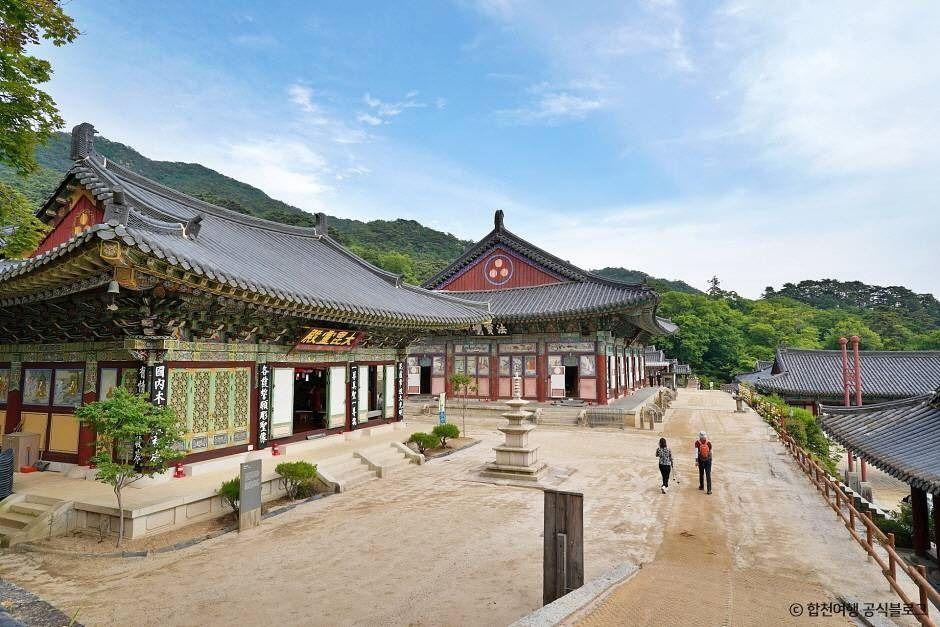
Donghwasa (동화사) is Palgong's main temple — and it's enormous. Founded in 493 CE, it has been rebuilt and expanded over 15 centuries. The most dramatic feature is the Tongil Daebul (통일대불), a 33-meter seated stone Buddha completed in 1992 as a prayer for Korean reunification. It's one of the largest stone Buddhas in the country, and the mountain forest behind it makes for a striking backdrop.
Allow 1 to 1.5 hours to walk the full complex. The main hall, Daeungjeon, dates from 1727. Multiple smaller shrines and pagodas are scattered through the wooded grounds. In June, the temple's gardens are lush and the hiking trail to the upper ridge starts from here. Monks hold regular ceremonies — if you arrive between 4:00–6:00 AM, you may catch morning chanting.
- Admission: 1,500 KRW adults, 700 KRW children
- Hours: 5:30–21:00 daily
- Parking: Free large lot at the entrance
- Tip: Walk to the Tongil Daebul first, then loop back through the older halls
- Dress code: Shoulders and knees covered for entering halls; no rule for grounds
Gatbawi — The Wish-Granting Stone Buddha
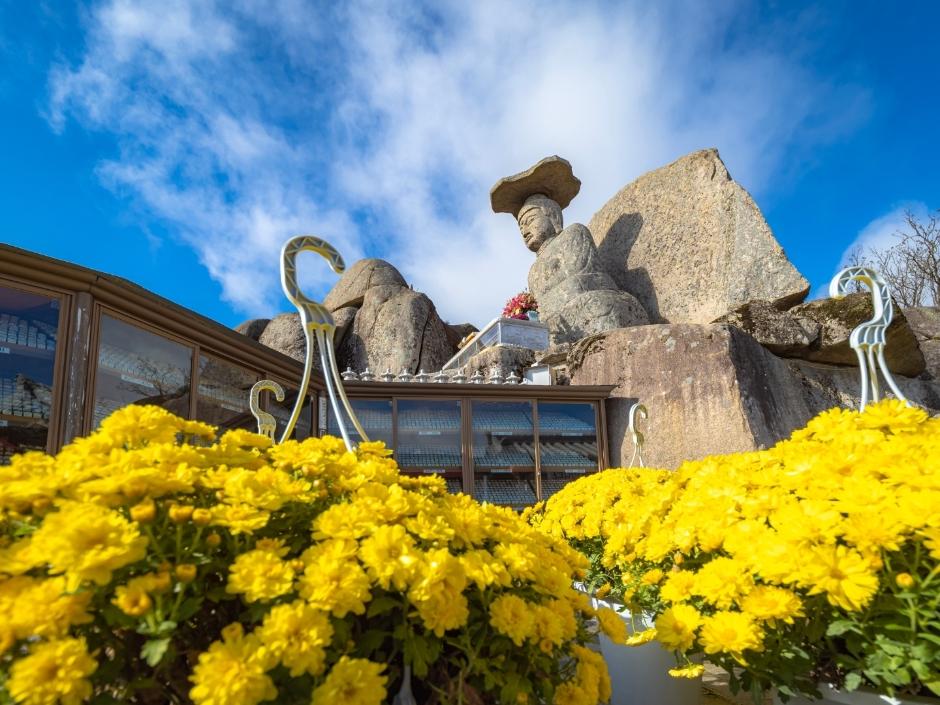
Gatbawi (갓바위, literally "hat rock") is the most famous stone Buddha in Korea for one specific reason: Korean tradition holds that if you make one sincere wish here, it will come true. Before every major university entrance exam season, tens of thousands of Korean parents hike up to pray. Even outside exam season, the site draws devoted pilgrims daily.
The Buddha sits at 850 meters elevation and dates from the Unified Silla period (7th–8th century CE). Getting there requires a hike: from the main trailhead parking lot, the climb takes about 1.5 to 2 hours each way on a well-maintained stone staircase. The trail is steady but steep in places. From the summit, on a clear day, you can see all the way to the East Sea.
- Trailhead parking: Palgong-ro 1, Dong-gu, Daegu (~2,000 KRW/hour)
- Hike duration: 1.5–2 hours up, 1–1.5 hours down
- Difficulty: Moderate — mostly stone stairs, no technical scrambling
- Best time: Early morning (avoid midday summer heat); sunset views are spectacular
- What to bring: Water (1.5L minimum in summer), snacks, sunscreen — no shade on upper section
- Admission to viewpoint: Free
Palgong Cablecar — Summit Views Without the Hike
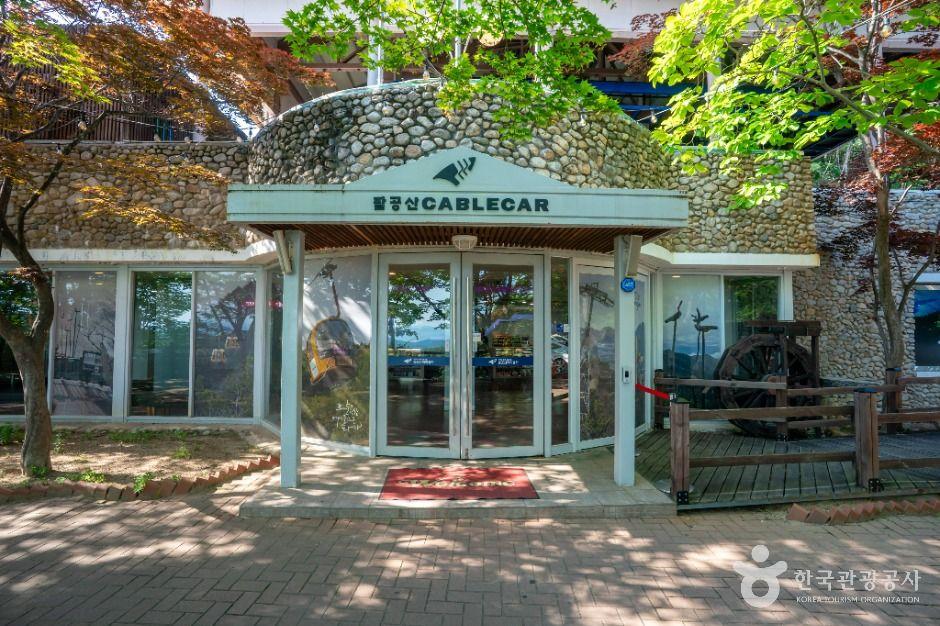
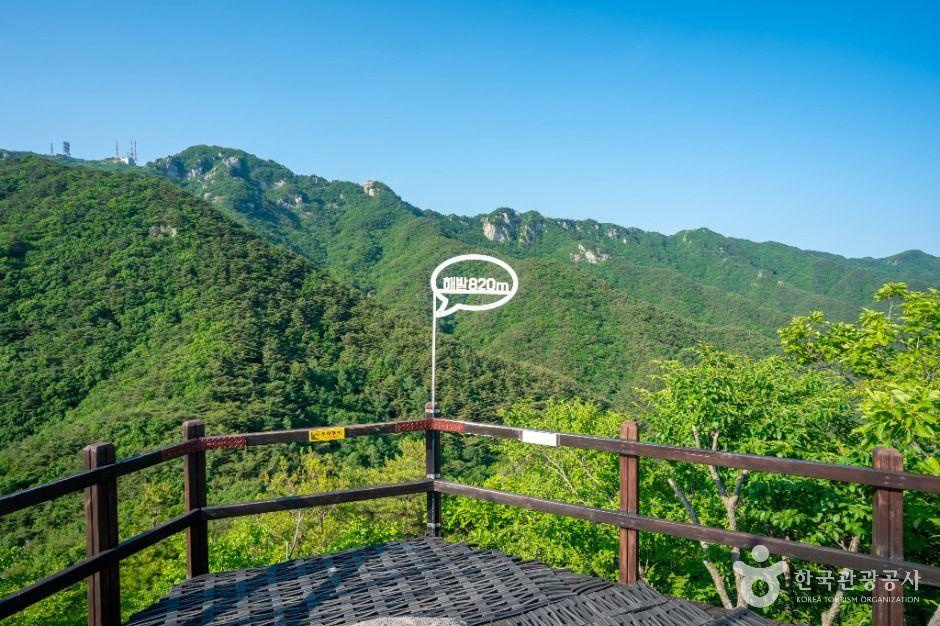
If you want panoramic ridge views without a full-day hike, the Palgong Cablecar (팔공산 케이블카) covers 1.6 km from the base station at 570 meters to the upper terminal at 820 meters. The gondolas are enclosed and the ride takes about 7 minutes. From the upper station, a short walk along the ridge gives views over Daegu's urban sprawl to the south and forested valleys to the north.
The cable car is particularly beautiful in late October when the fall foliage turns the slopes amber and red. In summer, it's a cool escape — temperatures at the top run 5–7°C cooler than downtown Daegu. Budget 30–45 minutes at the top including walking time.
- Price: Round trip ~12,000 KRW adults, ~8,000 KRW children (prices may vary)
- Hours: 9:00–18:00 (last ride 17:30); extended to 19:00 in summer
- Wait times: 20–40 minutes on weekends; come early or after 14:00 for shorter waits
- Parking: Free lot at cable car base station
- Access: 15 minutes drive north of Donghwasa along the main Palgong road
Suggested Driving Route for a Full Day
Morning (8:00–12:00): Start at Donghwasa Temple when crowds are light. Walk the full complex, including the Tongil Daebul, and hike a short section of the mountain trail if you have energy. Then drive 15 minutes east along the mountain road to the Gatbawi trailhead and start the climb by 10:00. Summit and return to parking by 13:00.
Afternoon (13:00–17:00): Lunch at one of the mountain-area restaurants near the cable car base (temple cuisine — Korean Buddhist vegetarian food — is served near Donghwasa on weekends). Then ride the Palgong Cablecar for ridge views. Back in Daegu by 17:00, in time to explore Seomun Market (서문시장) or the Suseong Lake district for dinner.
- Total driving: ~50 km including city and mountain roads
- Walking: 8–10 km including Gatbawi hike and temple grounds
- Fuel: Refuel in Daegu before heading up — no gas stations on the mountain road
- Combine with: Daegu Yangnyeong-si herb market (downtown), Seomun Market, E-World theme park
Best Time to Visit Palgong Mountain
Spring (April–May): Cherry blossoms line the mountain approach roads and azaleas bloom across the slopes. Comfortable hiking temperatures. Popular but not overcrowded outside of April weekends.
Summer (June–August): Green and lush. Go early — Daegu is one of Korea's hottest cities and the mountain hike can be brutal by noon. The cable car area stays cooler. Monsoon season (late June–July): avoid if heavy rain is forecast — trails get slippery and visibility drops.
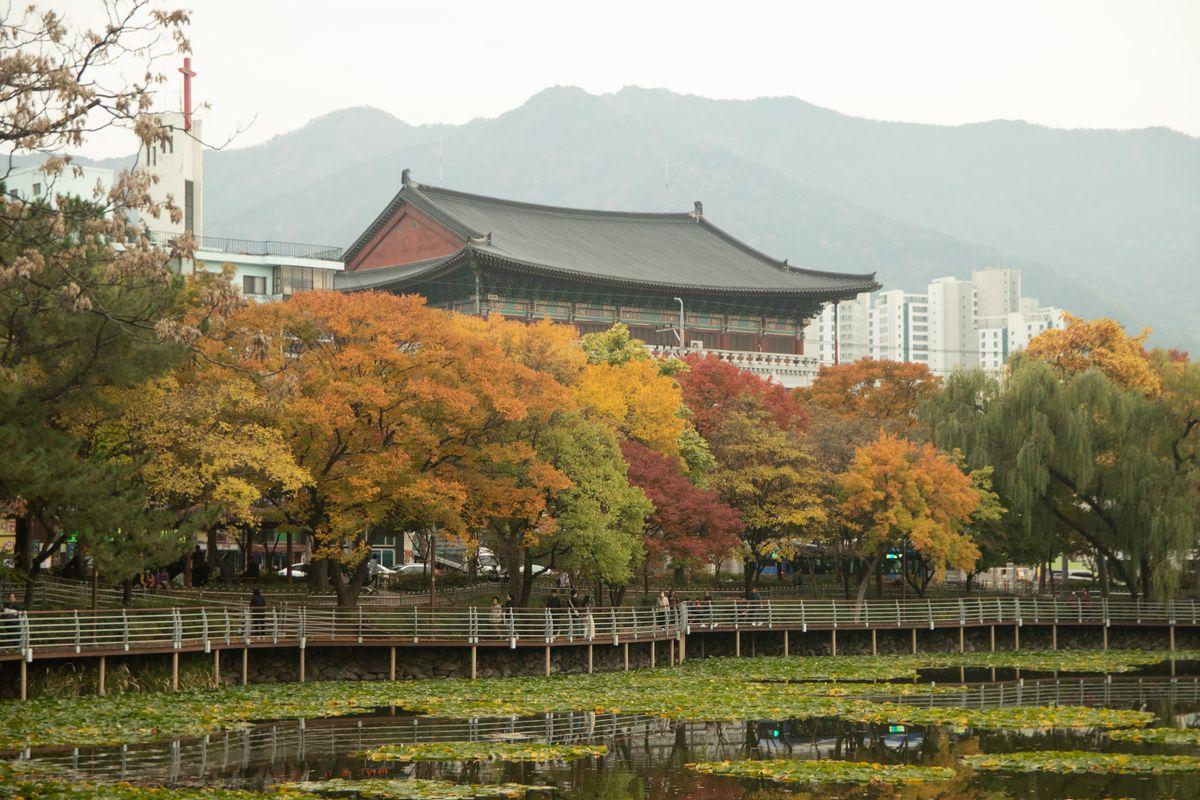
Autumn (October–November): Peak season. Palgong's fall foliage is among Korea's best. Crowds at the cable car are heavy on weekends — arrive before 9:00. Daegu is also cooler and more pleasant to explore in October.
Winter (December–February): Snow on the upper trails looks magical around Donghwasa. Driving conditions require caution — check road conditions before heading up. The Gatbawi hike in snow is doable with trekking poles.
FAQ
Frequently Asked Questions
Palgong Mountain rewards anyone willing to drive 20 minutes north of Daegu. Between the ancient temple, the legendary stone Buddha, and ridge views that make the city feel far away, it's one of Korea's most complete mountain day trips. Book your Daegu rental car, start early, and leave enough time for the Gatbawi hike — it's the highlight.
Share this article
You Might Also Like


Get Travel Inspiration
Subscribe for new stories, route guides, and driving tips delivered to your inbox.