Songnisan National Park Drive: Day Trip to Beopjusa Temple from Seoul
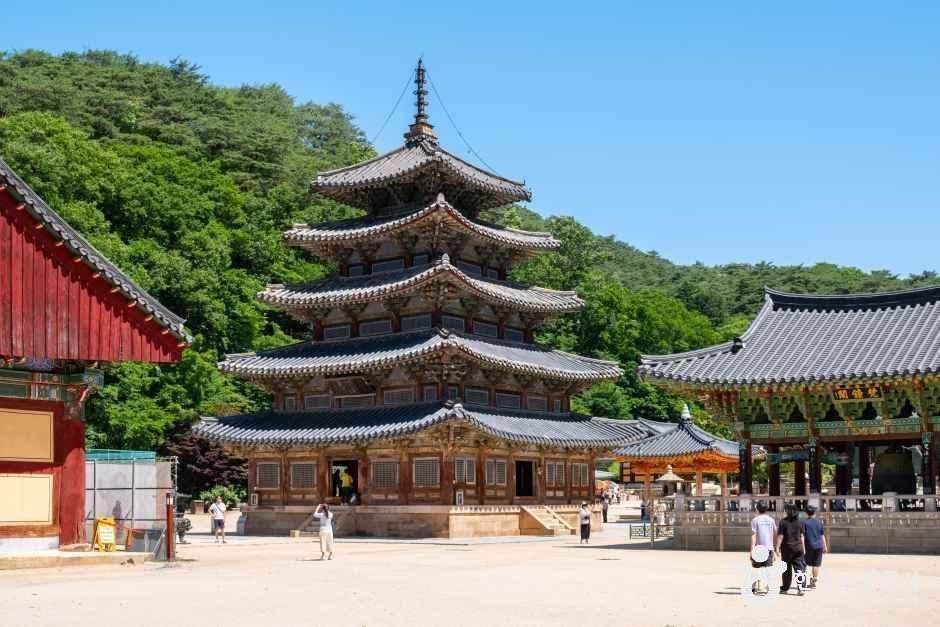
Songnisan National Park has the kind of Buddhist temple that stops you mid-conversation. Beopjusa, a UNESCO World Heritage site founded over 1,400 years ago during the Silla Kingdom, sits in a pine-ringed valley at the foot of Cheonwangbong peak. Its 33-meter bronze Mireuk Buddha towers above everything else in sight. The drive here from Seoul is two hours — and it's one of the best day trips in Korea you're probably not taking.
Getting to Songnisan by Car
From Seoul, take the Gyeongbu Expressway (Route 1) south toward Daejeon, then exit at Cheongju IC and follow signs south on National Route 25 to Boeun. The total distance is about 180km and the drive takes roughly 2 to 2.5 hours without traffic. Leave before 8am on summer weekends — the valley road into the park gets congested by late morning.
- From Seoul: ~180km via Gyeongbu Expressway → Cheongju IC → Route 25 south, 2–2.5 hours
- From Daejeon: ~60km via Route 25, about 1 hour
- From Busan: ~200km via Jungbu Naeryuk Expressway (Route 35), about 2.5 hours
- Toll (Seoul–Boeun area): approximately 7,000–9,000 KRW
- Parking: Main lot at Sogongwon Village, 5,000 KRW per day
- Gas: Fill up in Boeun town — there's no station past the national park gate
The final stretch from Boeun town to the park entrance winds through cedar and pine forest along the Songnisan stream. It's only 10km but it already feels far from the city. There's a small convenience store at the base lot — grab water and snacks here if you plan to hike.
Beopjusa Temple: The Heart of Songnisan
Beopjusa Temple (법주사) is the reason most visitors come to Songnisan — and it justifies the drive completely. The temple complex includes Korea's only remaining five-story wooden pagoda from the Joseon Dynasty, the Palsangjeon, which has stood since 1605. The centerpiece is the Mireuk Daebul (미륵대불), a 33-meter bronze Maitreya Buddha that commands the entire valley. Arrive early to see the morning light hit it from behind the ridgeline.
- Entry fee: 5,000 KRW adults, 3,000 KRW teens, free under 7
- Hours: Open daily year-round, dawn to dusk
- UNESCO status: Part of 'Sansa, Buddhist Mountain Monasteries in Korea' (2018)
- Highlights: Palsangjeon pagoda, Mireuk Daebul, Neungingjeon Hall
- Time needed: 1–1.5 hours to explore the complex properly
The temple path from the parking area is about a 15-minute walk through a stone lantern-lined avenue. Don't rush it — the approach road is one of the most atmospheric in Korean Buddhism. You'll pass small shrines, a stone bridge over the stream, and monks going about their morning routines before you reach the main gate.
Hiking Songnisan: Trails for Every Level
Songnisan has hiking trails ranging from easy valley walks to full-day summit pushes. For most day-trippers, Munsubnaegol Valley (문수납골) is the perfect choice — a gentle 3km trail that follows a clear mountain stream past small waterfalls and granite boulders. In summer, the water is cool enough to wade in. Kids and non-hikers handle it easily.
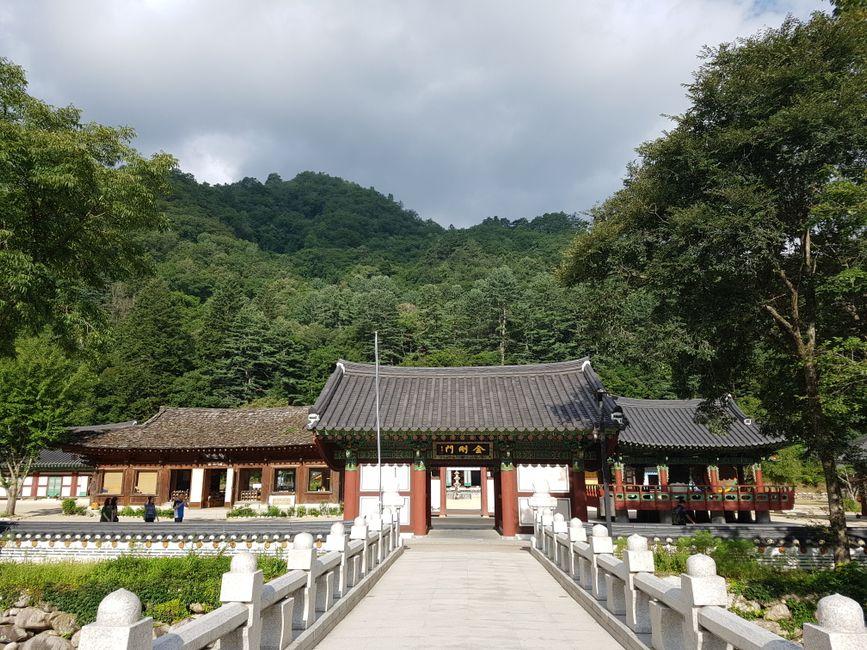
- Munsubnaegol Valley Trail: 3km round trip, easy, great for families and casual walkers
- Munjangdae Peak: 7.2km round trip from Beopjusa, strenuous, panoramic summit views
- Cheonwangbong (Highest Peak): 8km+ round trip, full-day commitment, expert hikers only
- Ipsokdae (Viewing Rock): 2km from main lot, moderate — best for photography
- Summer tip: Start any hike before 10am — trails get hot and crowded after midday
Wear proper hiking shoes — the trails are rocky and uneven even on the easier paths. Bring more water than you think you need. The park has rangers at major trail junctions and English signage at all main points.
Food Around Songnisan: What and Where to Eat
The Sogongwon Village cluster of restaurants outside the park gate is your main option for food. It's a strip of traditional Korean eateries — nothing fancy, but very good. The local specialty is sanchae bibimbap (mountain vegetable bibimbap), made with greens foraged from the surrounding hills. A bowl runs about 10,000–13,000 KRW and is genuinely excellent after a morning of hiking.
- Sanchae bibimbap: mountain vegetable rice bowl, 10,000–13,000 KRW — the local specialty
- Dotori-muk: acorn jelly with seasoning, 8,000 KRW — cooling and filling
- Daechucha: hot jujube tea from nearby Boeun, the county's most famous product
- Temple food restaurants: a few spots serve simplified versions of Buddhist cuisine (no garlic, no meat)
- Boeun town market: if you drive 10 minutes back to town, there's a traditional market on days ending in 1 and 6
Most restaurants in the village close by 5–6pm. If you're doing a late start, grab lunch before entering the park rather than counting on food being available when you exit.
Quick Tips for Your Songnisan Drive
- 1Leave Seoul by 7am on weekends — the park fills fast and parking is limited to the main lot
- 2Buy entry tickets at the automated kiosks near the parking area (accepts cards, no queue vs. staffed windows)
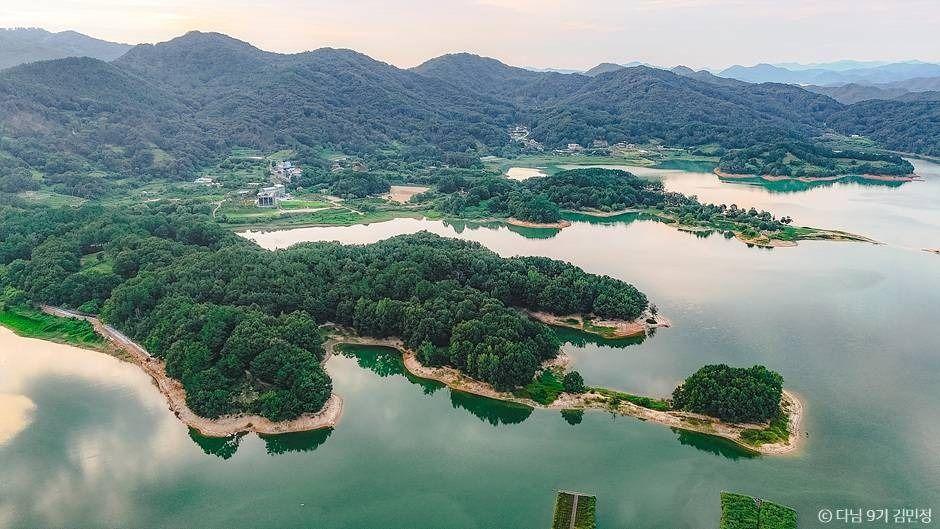
- 3Combine with Daecheong Lake — it's 40 minutes north by car and worth adding if you have time
- 4Download Naver Maps and search '법주사' before you go — the GPS works perfectly in the mountains
- 5Best season: Spring (April cherry blossoms), Summer (green hiking), Fall (mid-October foliage peak)
FAQ
Frequently Asked Questions
Songnisan is the kind of place that earns repeat visits — spring cherry blossoms, summer stream hiking, and fall foliage are each worth the drive. If you're building a Korea road trip itinerary, this one belongs on it. Start early, take your time at Beopjusa, and leave room for lunch in the village.
Share this article
You Might Also Like


Get Travel Inspiration
Subscribe for new stories, route guides, and driving tips delivered to your inbox.