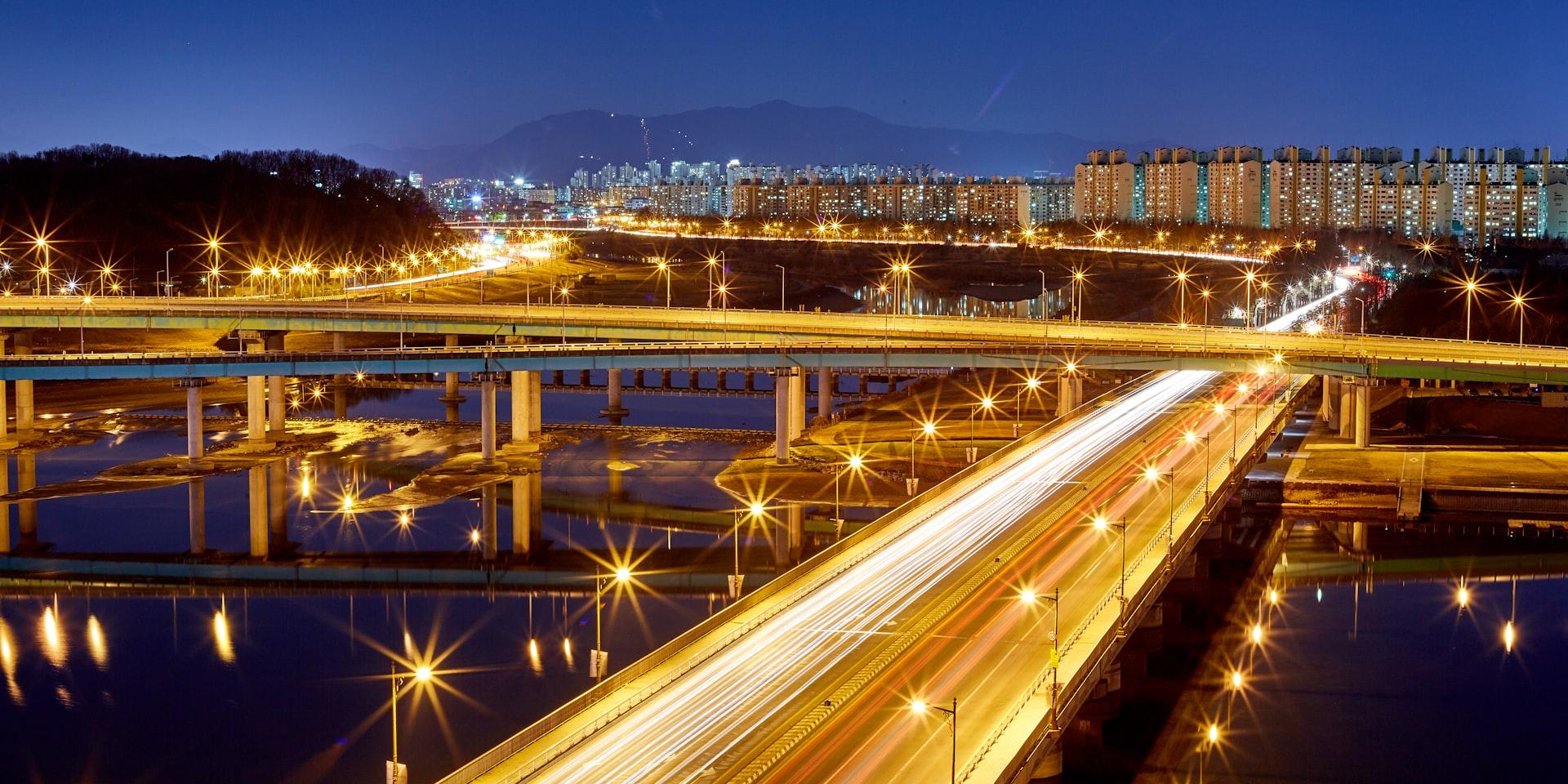
Chuseok 2026 Holiday Traffic Guide: When to Drive and When to Avoid the Roads
Chuseok is Korea's biggest travel holiday — bigger than Seollal, bigger than summer vacation. Tens of millions of people leave the cities to visit hometowns, and the expressway network that normally handles rush hour without much drama grinds to a near-standstill for a few specific windows.
If you're renting a car around September 25, 2026, this guide tells you exactly which hours to avoid, when tolls are waived, and how to actually get where you're going without losing half a day on the Gyeongbu Expressway.
At a Glance
Chuseok Day
Fri, Sep 25, 2026
Official Holiday
Sep 24-26 (Thu-Sat)
Substitute Holiday
Mon, Sep 28, 2026
Worst Outbound
Sep 24, morning + afternoon
Worst Return
Sep 28, afternoon-evening
Expressway Help
1588-2504
When Is Chuseok 2026?
Chuseok falls on the 15th day of the 8th lunar month, which places Chuseok Day on Friday, September 25, 2026. The official holiday runs three days — the day before, the day itself, and the day after — so the base holiday is Thursday, September 24 through Saturday, September 26.
Because the third day (Sep 26) lands on a Saturday, Korea's substitute holiday rule (대체공휴일) kicks in and adds Monday, September 28 as a paid day off. Combined with the regular weekend, that stretches the real holiday window to five straight days: Thursday through Monday.
| Date | Day | Status |
|---|---|---|
| Sep 24 | Thursday | Chuseok Eve — holiday begins |
| Sep 25 | Friday | Chuseok Day (추석 당일) |
| Sep 26 | Saturday | Day after Chuseok |
| Sep 27 | Sunday | Regular weekend |
| Sep 28 | Monday | Substitute holiday (대체공휴일) |
Chuseok 2026 Holiday Calendar
That five-day span is exactly why traffic gets so bad — instead of a short weekend trip, most of the country is trying to travel on the same two or three days. Korea's official public holiday schedule is confirmed by government gazette closer to the date, so double-check on the Korea Expressway Corporation site (ex.co.kr) if you're planning months ahead.
Peak Traffic Times to Avoid
Korean holiday traffic follows a predictable rhythm every single year, split into 귀성길 (going to the hometown) and 귀경길 (coming back). The worst congestion isn't spread evenly across the holiday — it clusters into a handful of windows.
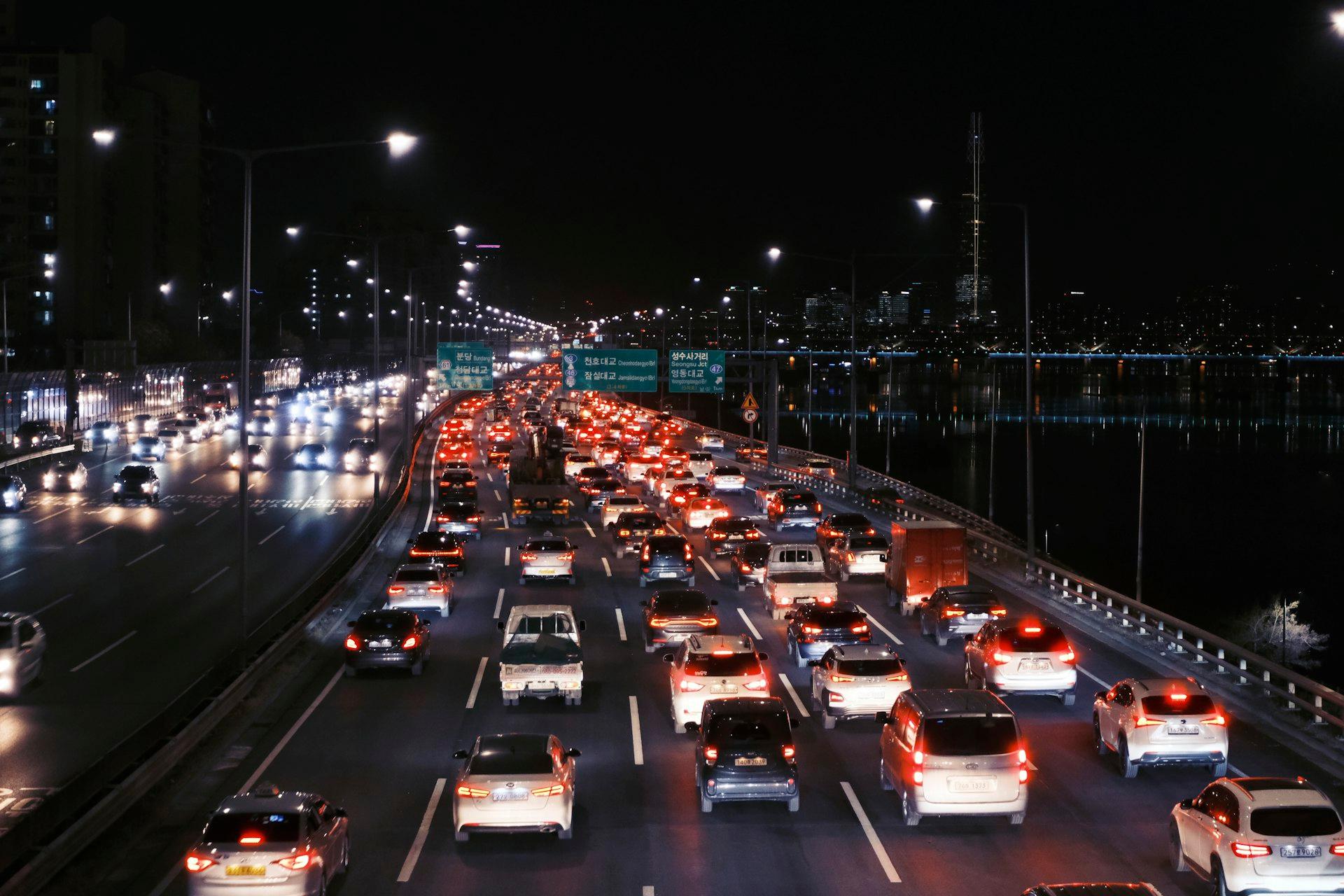
- Worst outbound window: Thursday Sep 24, roughly 7-10 a.m. and again 2-6 p.m. — everyone leaves Seoul at once
- Second outbound spike: Wednesday Sep 23 evening, as people who work Wednesday try to beat the Thursday rush
- Worst return window: Monday Sep 28, 3-9 p.m. — the substitute holiday means most people delay their drive back to the last possible day
- Secondary return spike: Sunday Sep 27 afternoon, for families heading back a day early
- Quietest holiday days: Friday Sep 25 and Saturday Sep 26 — most people have already arrived at their destination
| Route | Normal Time | Chuseok Peak |
|---|---|---|
| Seoul → Busan | ~4h 15m | 8-11 hours |
| Seoul → Gwangju | ~3h | 6-8 hours |
| Seoul → Daejeon | ~2h | 4-6 hours |
| Seoul → Gangneung/Sokcho | ~2h 30m | 5-7 hours |
Typical Drive Times: Normal Day vs. Chuseok Peak
These are averages from past Chuseok and Seollal holidays — the exact numbers shift year to year based on weather and construction, but the pattern holds. A trip that normally takes 4 hours can easily take 10 if you leave at the wrong time.
Toll-Free Days and Highway Discounts
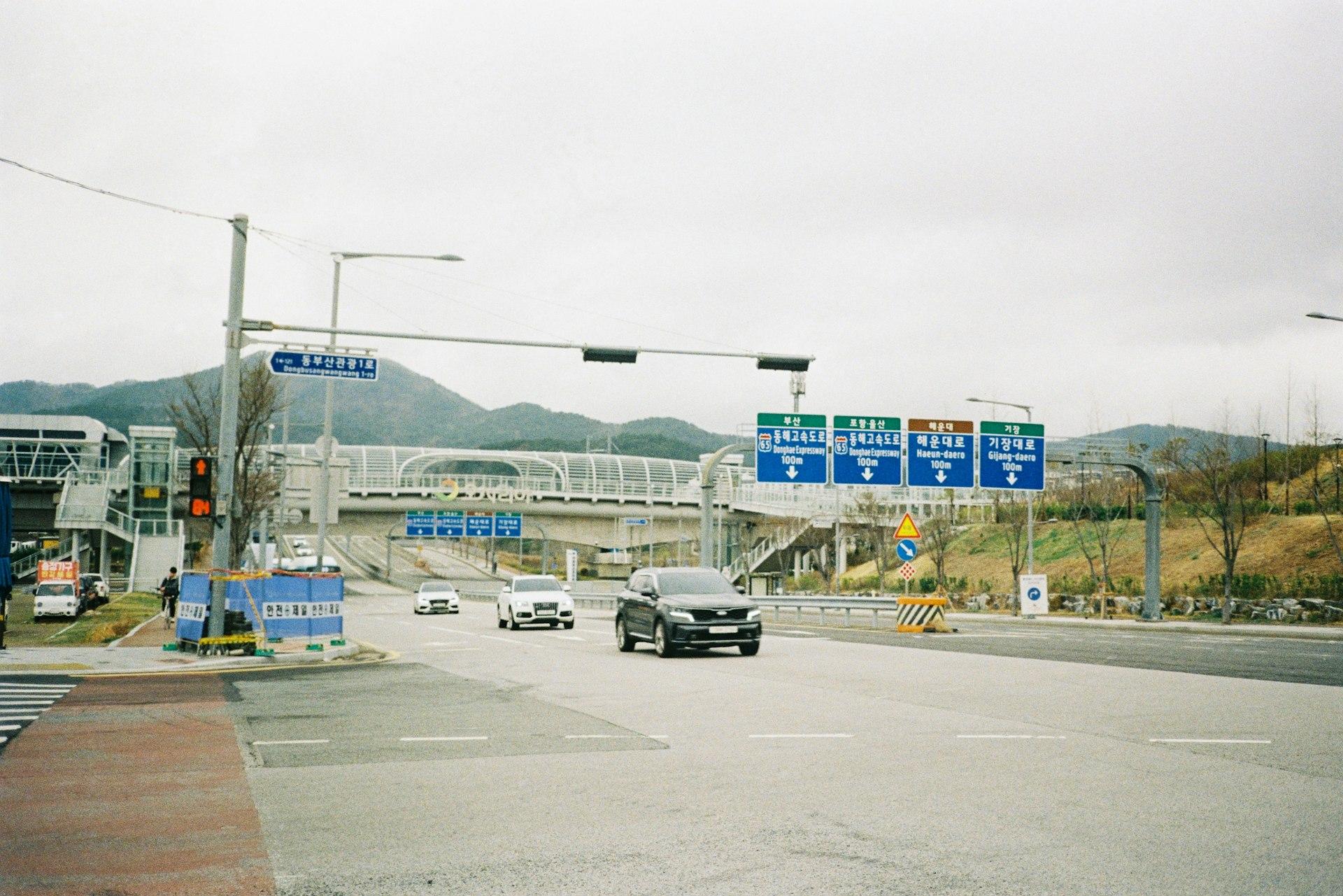
Every year, Korea Expressway Corporation (한국도로공사) waives tolls on all expressways for the official Chuseok holiday days — this has been standard policy since 2017 and typically covers the three core holiday days. Both Hi-Pass electronic lanes and manual toll booths apply the waiver automatically; you don't need to do anything special.
- Coverage: usually applies to the three official Chuseok days, confirmed each year via ex.co.kr
- Hi-Pass lanes: waiver applies automatically — no need to remove or reset your terminal
- Manual lanes: just drive through, no ticket needed on toll-free days
- Substitute holiday: the extra Monday off is not always included in the toll waiver — check the official notice
- Rental cars: almost all Korean rental agencies pre-install a prepaid Hi-Pass unit, so you're covered either way
Best Times to Drive During Chuseok 2026
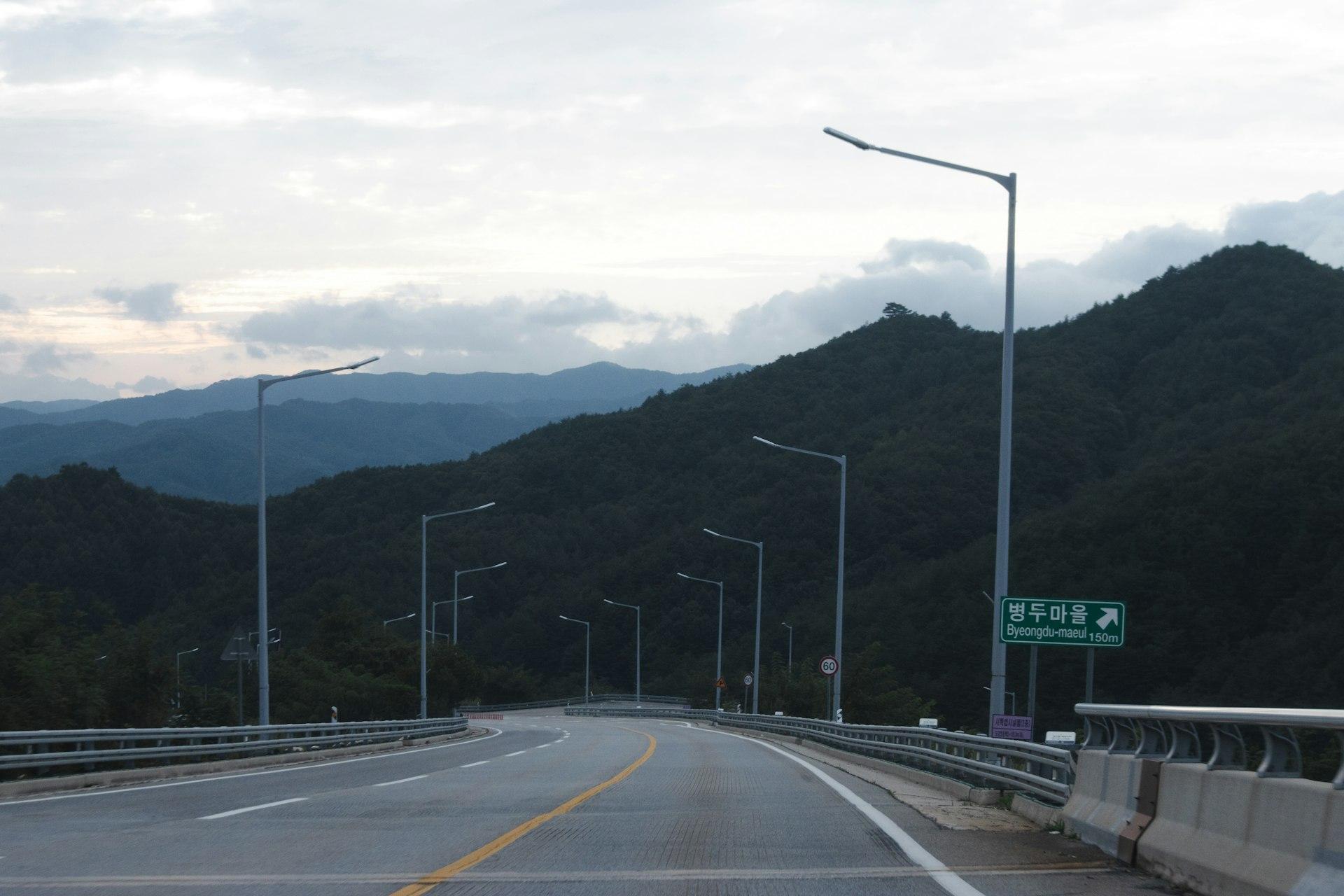
The single best strategy is to drive outside the peak windows rather than avoid the holiday entirely. Leaving Seoul at 5 a.m. on Thursday, before the rush builds, can cut a normally 10-hour Busan trip down to 6 hours or less.
- 1Leave before 6 a.m. or after 10 p.m. on the first travel day — both windows dodge the worst of it
- 2If your schedule allows, travel on Friday or Saturday (Sep 25-26) instead of Thursday — the roads are noticeably calmer once the initial wave has passed
- 3For the return trip, leave Sunday morning instead of Monday afternoon if you can spare an extra day
- 4Avoid the Gyeongbu Expressway (Seoul-Busan) during peak windows — the Jungbu and Seohaean expressways often run lighter even on the same day
- 5Check Naver Map or Kakao Map the morning of departure — both show live congestion color-coded by section
Real-Time Traffic Apps and Alternative Routes
Google Maps is not reliable for Korean traffic — use local apps instead. Naver Map and Kakao Map both pull live data from Korea's national traffic system and will reroute you around jams automatically.
- Naver Map / Kakao Map: real-time congestion overlays, updated every few minutes, available in English
- Korea Expressway Corp app (Ex-Freeway): live CCTV feeds and official congestion forecasts for every major expressway
- ITS Road Plus (its.go.kr): the government's national traffic information portal, useful for checking forecasts before you leave
- Variable message signs (VMS): the electronic overhead signs on expressways show live delay estimates — worth glancing at before choosing an exit
- 1588-2504: Korea Expressway Corporation's 24-hour customer service line for traffic and roadside help
Quick Tips
- 1Book your rental car 2-3 weeks ahead — Chuseok is one of the two highest-demand weeks of the year and prices can jump 50-100%
- 2Fill the tank before entering an expressway — rest stop fuel lines can run long during peak windows
- 3Pack snacks and water — rest stops during Chuseok can mean 30-45 minute waits for food
- 4If your trip is flexible, consider the KTX for the longest legs (Seoul-Busan) and rent a car only at your destination
- 5Set your navigation app to alert on traffic before you leave, not after you're already stuck
FAQ
Frequently Asked Questions
Chuseok traffic is predictable if you plan around it. Leave early, check Naver or Kakao Map before you go, and treat the Thursday morning and Monday evening windows as no-go zones. Do that, and you'll spend your Chuseok with family instead of stuck on the Gyeongbu Expressway.
Share this article
You Might Also Like


Get Travel Inspiration
Subscribe for new stories, route guides, and driving tips delivered to your inbox.