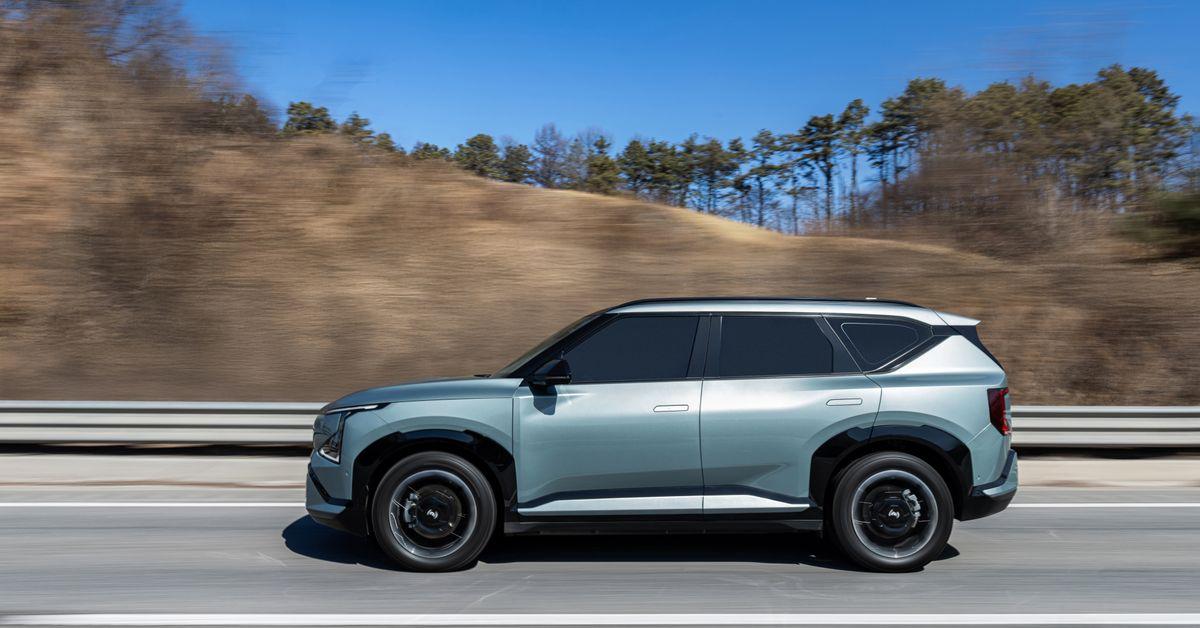
Korea EV Rental Guide: Renting an Electric Car as a Tourist in 2026
Every major Korean rental company now has EVs in its fleet, and they're often the newest, best-equipped cars on the lot. But an electric rental isn't automatically the right call for every trip. Here's how to decide, what it costs, and which companies actually make the process easy for foreign tourists.
Which Rental Companies Offer EVs
Lotte Rent-a-Car has the largest EV fleet of the major players and the most foreigner-friendly booking process, including English support and a free charging card program at select locations. SoCar, Korea's biggest car-sharing app, lists EVs alongside gas cars in its app but requires a Korean phone number to sign up, which makes it tricky for short-term visitors. Green Car and Kia/Hyundai direct rental programs also carry EVs, mostly in Seoul and Jeju.
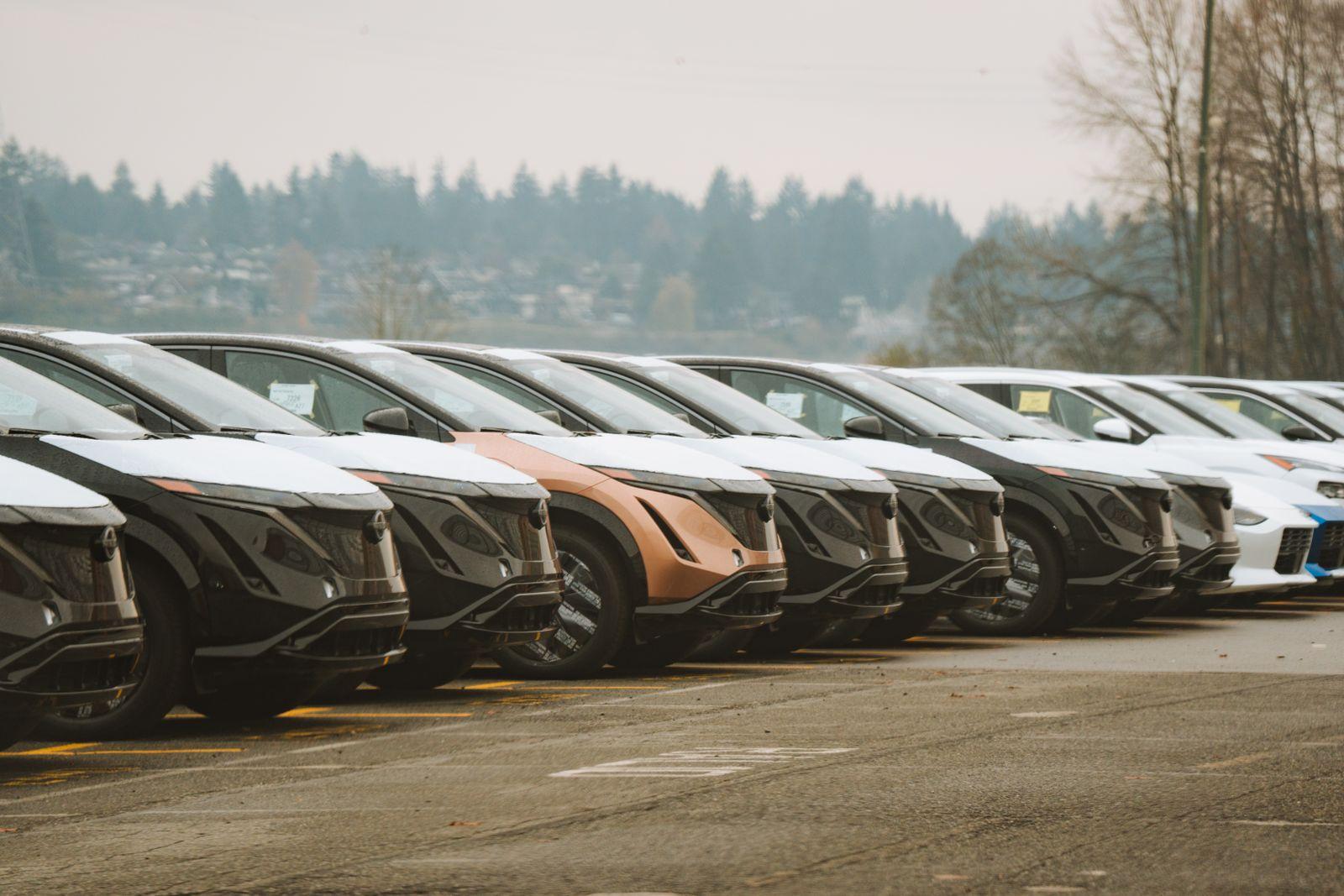
- Lotte Rent-a-Car: Largest EV selection, English-language booking, free charging card at Jeju and major stations
- SoCar: App-based, cheapest hourly rates, but needs a Korean phone number to register
- Green Car: Similar to SoCar, strong in Seoul and Busan
- Kia/Hyundai direct rentals: Newest models, mostly at flagship stores in Seoul and Jeju
Popular EV Models You Can Rent
Korean rental fleets lean heavily on domestic brands. The Hyundai Ioniq 5 and Ioniq 6 are the most common rentals — spacious, quiet, and comfortable for long highway stretches. The Kia EV6 is the sportier alternative with similar range. Smaller and cheaper options include the Kia Niro EV and Hyundai Kona Electric, both fine for city driving or short day trips but tighter on cargo space for a full family road trip.
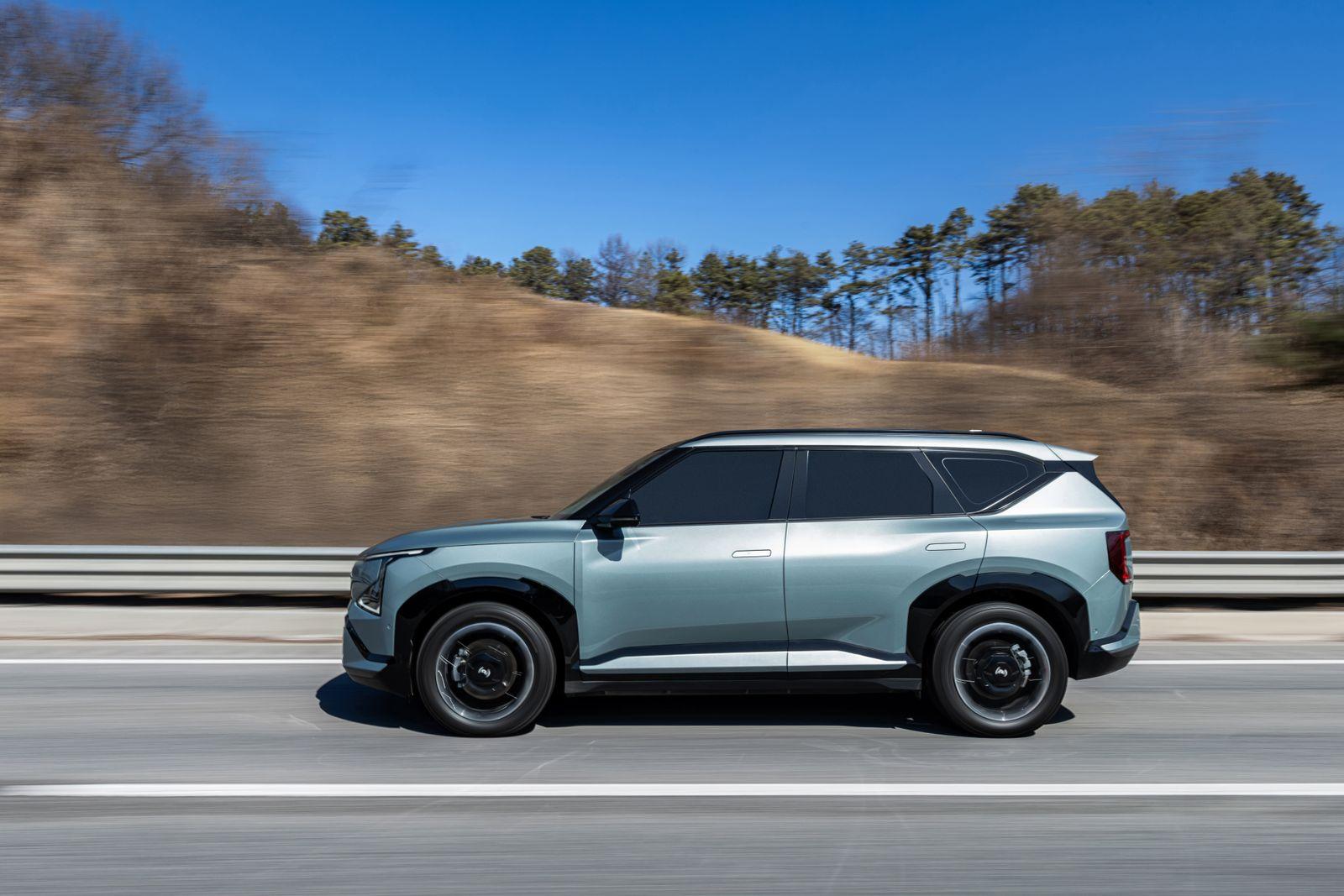
- Hyundai Ioniq 5: ~450 km range, spacious interior, best all-rounder
- Hyundai Ioniq 6: ~500+ km range, sedan shape, most efficient on the highway
- Kia EV6: ~450 km range, sportier handling, similar price tier
- Kia Niro EV / Hyundai Kona Electric: ~350–400 km range, smaller and cheaper, best for city use
EV Rental Cost vs a Gas Car
EVs sit in roughly the same price bracket as a large SUV rental — noticeably more than an economy or mid-size gas car, but the fuel savings can close some of that gap over a long trip.
| Car class | Daily rate | Fuel/charging cost (full trip) |
|---|---|---|
| Economy (Avante / K3) | 40,000–60,000 KRW | Highest per-km cost, cheap to fill |
| Mid-size (Sonata / K5) | 60,000–90,000 KRW | Moderate |
| SUV (Tucson / Sportage) | 80,000–130,000 KRW | Moderate |
| EV (Ioniq 6 / EV6) | 90,000–150,000 KRW | Lowest per-km cost if you can charge for free |
Typical daily rental rates by car class (2026)
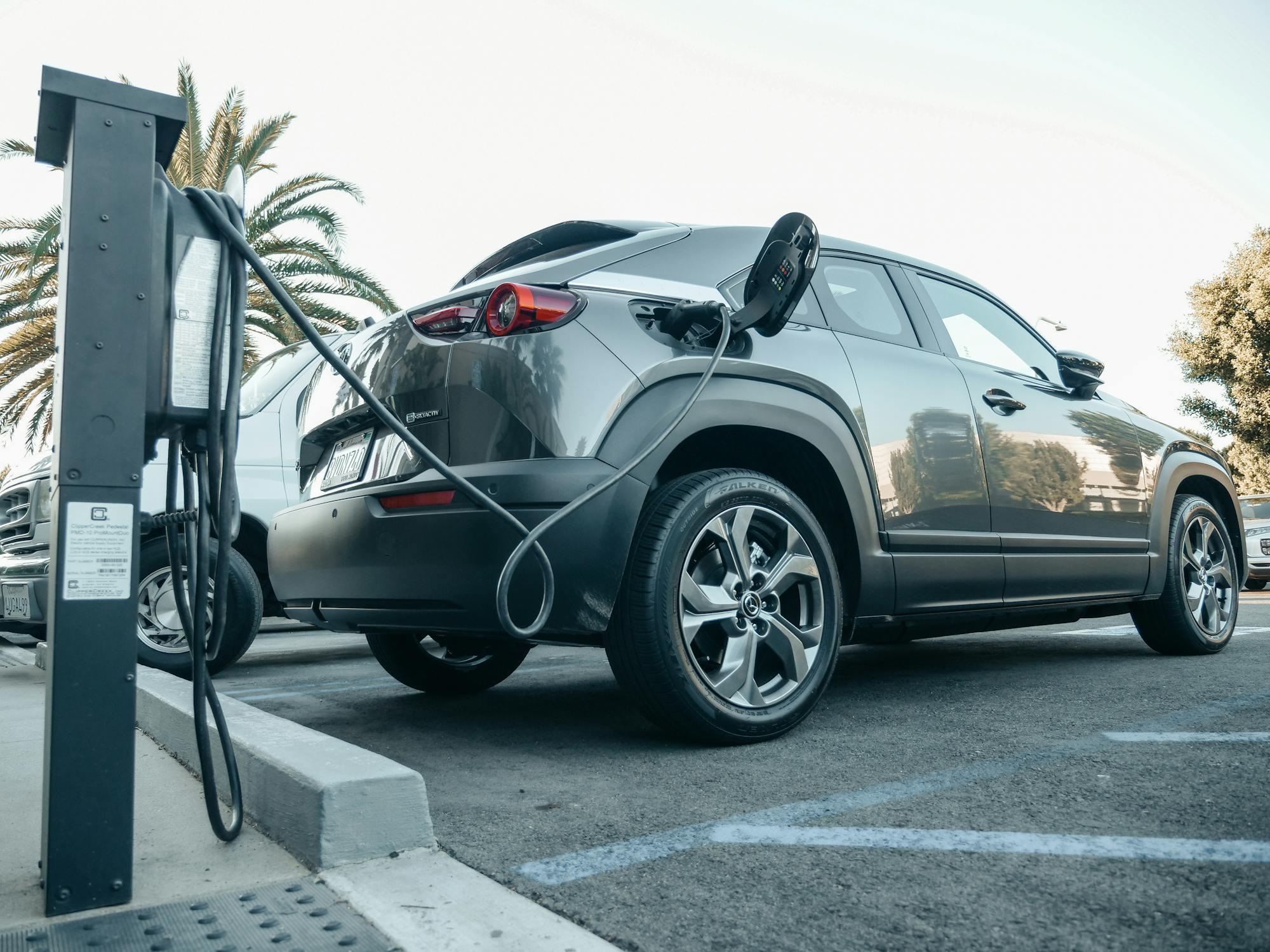
The daily rate is only half the story. A full charge for a mid-size EV costs around 8,000–15,000 KRW at a public fast charger, versus 90,000–115,000 KRW in gasoline for a Seoul–Busan round trip in a comparable gas car. If you land a free-charging promotion, an EV can end up cheaper overall despite the higher sticker rate — see our guide on EV charging in Korea for how those promotions work.
Is Renting an EV Worth It for Tourists?
The honest answer depends on your itinerary. EVs shine on Jeju Island, where charging infrastructure is dense, distances are short, and several rental promotions offer free charging. They also make sense for single-city trips where you return to the same hotel or charging point every night.
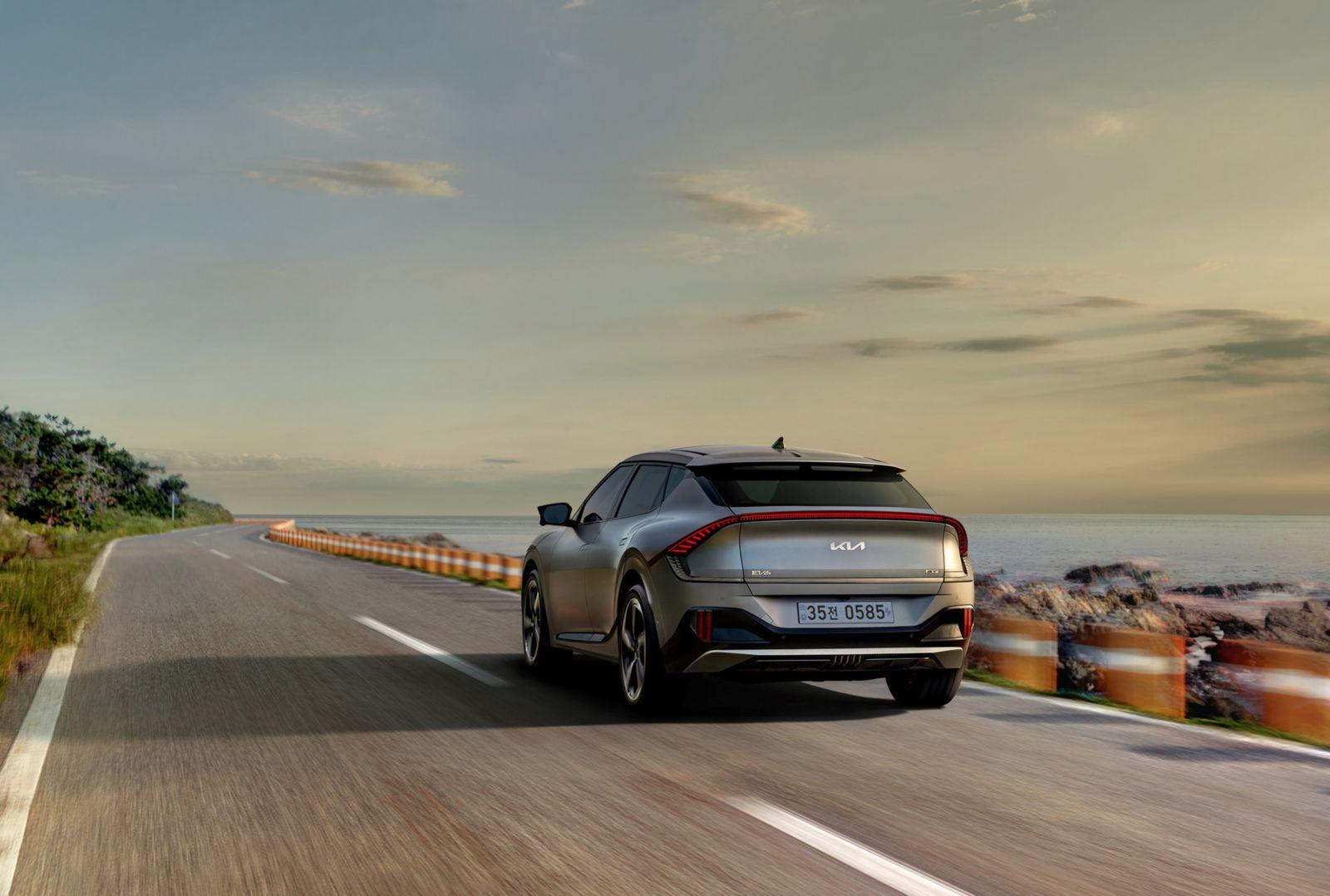
They make less sense for a fast-moving, multi-city road trip where you're not sure where you'll be charging each night. Range anxiety is a real but manageable concern — modern rental EVs comfortably cover 350–500 km on a charge, more than enough for most single-day driving in Korea, but planning charging stops adds a layer of logistics that a gas car simply doesn't require.
- Good fit for EV: Jeju Island trips, single-city stays, drivers comfortable using a map app to find chargers
- Better with gas: Multi-city road trips, rural itineraries, tight schedules with little buffer time
Quick Tips
- 1Book with Lotte Rent-a-Car if you want English support and the best shot at a free charging card.
- 2Ask specifically whether the EV comes with a charging card or membership — don't assume one is included.
- 3Pick an Ioniq 5/6 or EV6 over a smaller EV if you're carrying more than two passengers or a lot of luggage.
- 4Download Naver Map or Electromaps before you land — both show charger locations in English.
- 5Keep your charge above 30% as a buffer, the same rule EV owners in Korea already follow.
FAQ
Frequently Asked Questions
An EV rental can be the quieter, cheaper, and more modern way to see Korea — as long as your itinerary matches its strengths. Match the car to the trip, and you'll get the benefits without the range anxiety.
Share this article
You Might Also Like


Get Travel Inspiration
Subscribe for new stories, route guides, and driving tips delivered to your inbox.