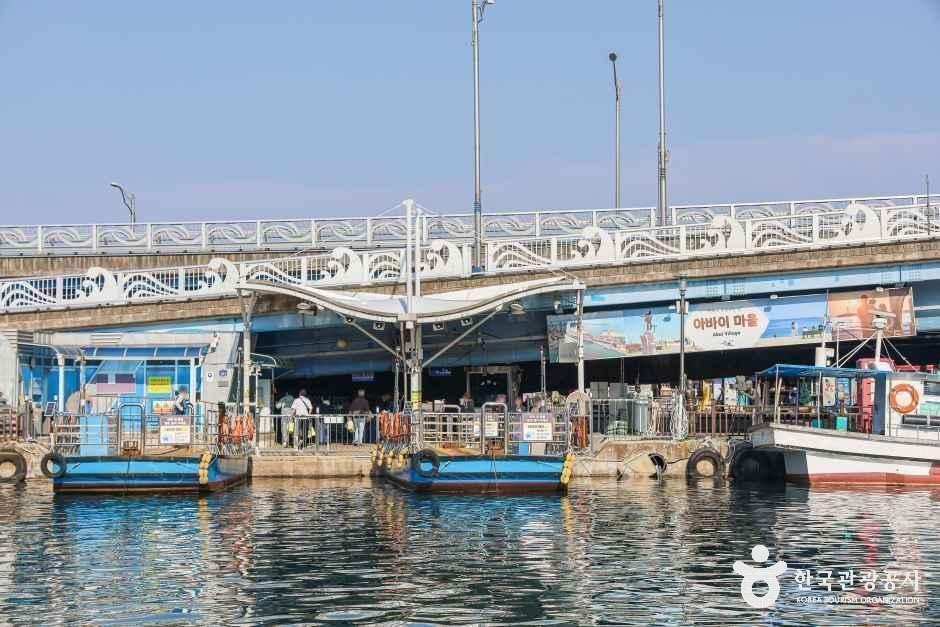
Sokcho Abai Village Guide: North Korean Refugee Culture & Ojingeo Sundae
Abai Village doesn't feel like the rest of Sokcho. Tucked on a sandbar between Cheongcho Lake and the East Sea, it's a neighborhood built by refugees who fled Hamgyong Province during the Korean War and never made it back. Cross by hand-pulled ferry, eat the squid sausage they invented out of necessity, and see why this short detour is one of Gangwon's most underrated stops.
This guide covers the village's history, how to cross the gaetbae ferry, where to eat real ojingeo sundae, and how to drive there from Seoul or fold it into a wider East Coast road trip.
What Is Abai Village? A Refugee Town Frozen in 1953
When the Korean War armistice was signed in 1953, thousands of refugees from Hamgyong Province, just across the new border, settled on this narrow strip of land in Sokcho. They expected the ceasefire to be temporary and planned to walk home within a year or two. That crossing never reopened, and the community they built to wait it out became permanent instead.
The neighborhood takes its name from abai, a Hamgyong dialect word for father or elderly man — a nod to the first generation of settlers, most of whom have now passed the village down to their children and grandchildren. The village got a second wave of fame in 2000, when the K-drama Autumn in My Heart filmed key scenes at the gaetbae crossing, turning a quiet fishing neighborhood into a minor pilgrimage site for drama fans.
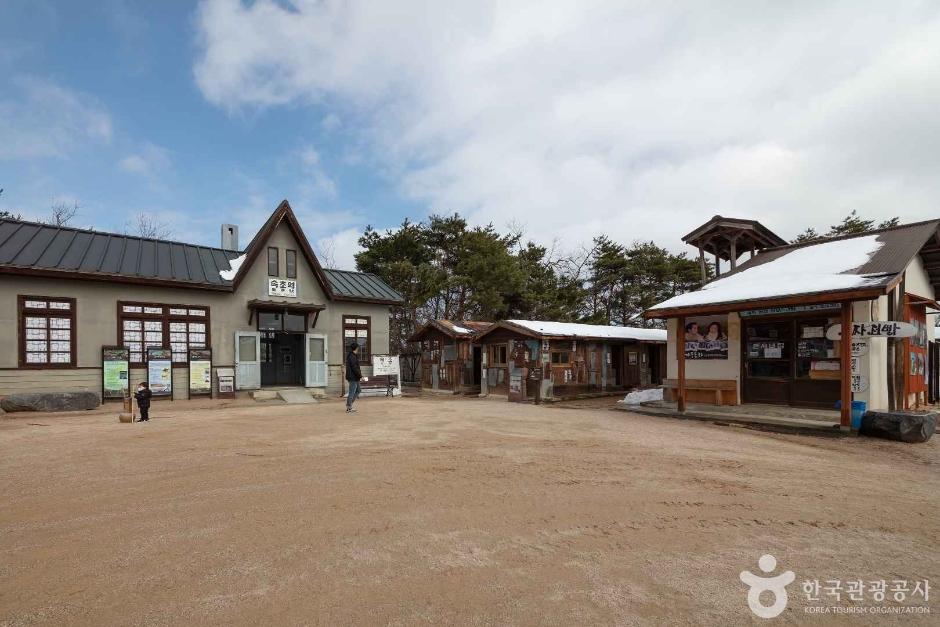
- Sokcho Refugee Culture Village: recreated 1950s-60s houses, included with a Sokcho City Museum ticket
- Best time to visit: morning, before the food alley and ferry queue fill up
- Drama connection: gaetbae scenes from Autumn in My Heart (2000) still draw domestic tourists
The Gaetbae: Korea's Last Hand-Pulled Ferry
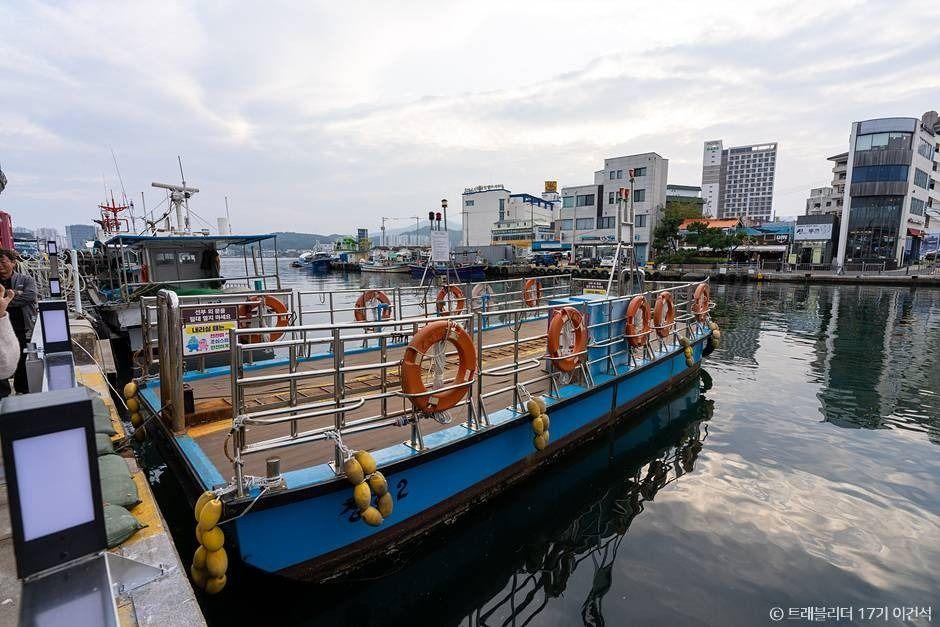
The easiest and most memorable way into Abai Village is the gaetbae (갯배) — a flat wooden barge that crosses the narrow channel connecting Cheongcho Lake to the sea. There's no motor. Passengers pull the boat along a fixed overhead cable themselves, hand over hand, while the operator collects fares.
The crossing takes about 90 seconds and costs roughly 200 KRW per person, paid in cash on board. It runs daily from early morning until sunset, docking near Dongmyeong Port on the mainland side and inside Abai Village on the other. Boats leave whenever enough passengers are aboard rather than on a fixed schedule, so waits are rarely more than a few minutes.
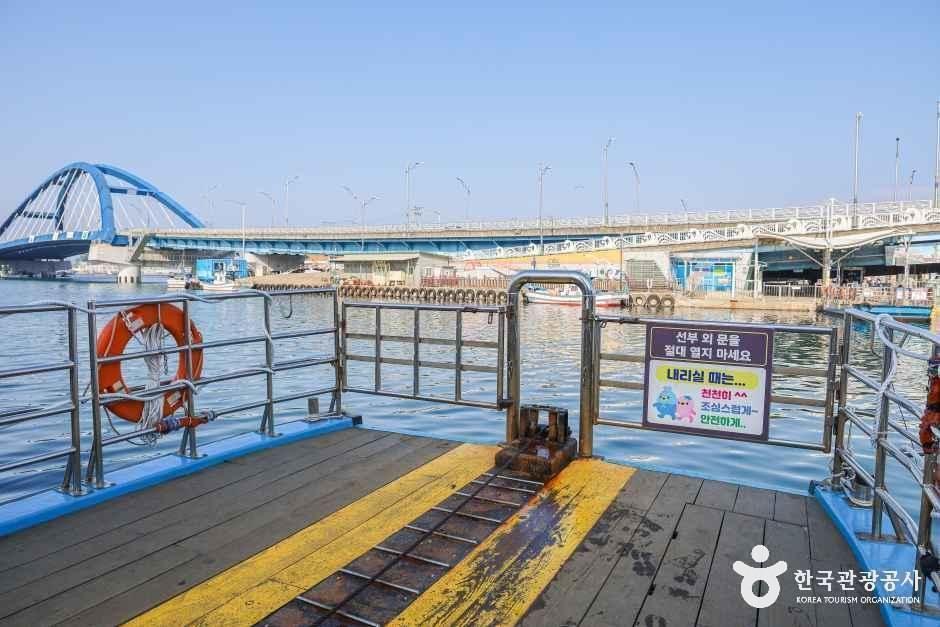
- Fare: about 200 KRW per person, one-way, cash only
- Crossing time: about 90 seconds
- Hours: roughly sunrise to sunset, no fixed timetable
- Alternative: drive around via Seorak Bridge (설악대교) if you'd rather not cross on foot twice
Wander the Village's Food Alley
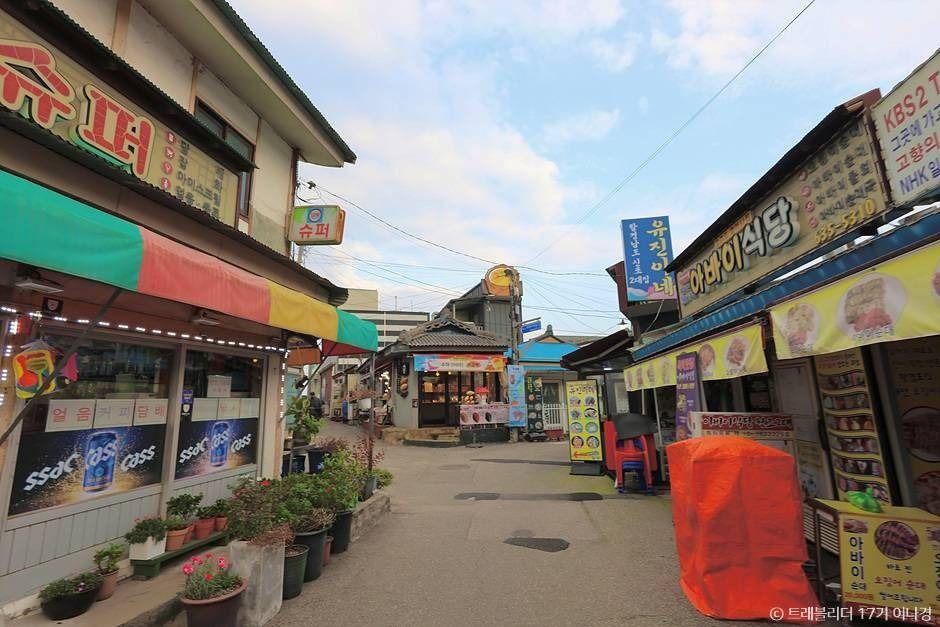
Abai Village is small enough to cover on foot in under an hour, and most of it is one continuous row of family-run restaurants facing the water. Faded signs, plastic stools, and handwritten menus define the look — this isn't a place that's been renovated for tourists.
Walk the alley before ordering. Prices and portions vary shop to shop, and locals tend to favor whichever restaurant has been in the same family the longest rather than whichever looks newest.
Ojingeo Sundae: The Dish War Refugees Invented
Sundae is normally Korean blood sausage — pig intestine stuffed with glass noodles, rice, and pork blood. Pig casings were scarce for refugees rebuilding their lives on Korea's east coast, but squid, hauled in daily by the boatload, wasn't. Abai Village's cooks swapped the casing, and ojingeo sundae (오징어순대) — squid stuffed with the same filling — became the neighborhood's signature dish.
A plate typically runs 10,000-15,000 KRW and is usually pan-fried and sliced into rounds, served with a light dipping sauce. Order it alongside gamja-jeon (감자전), a potato pancake sold at the same stalls, for the full local combination.
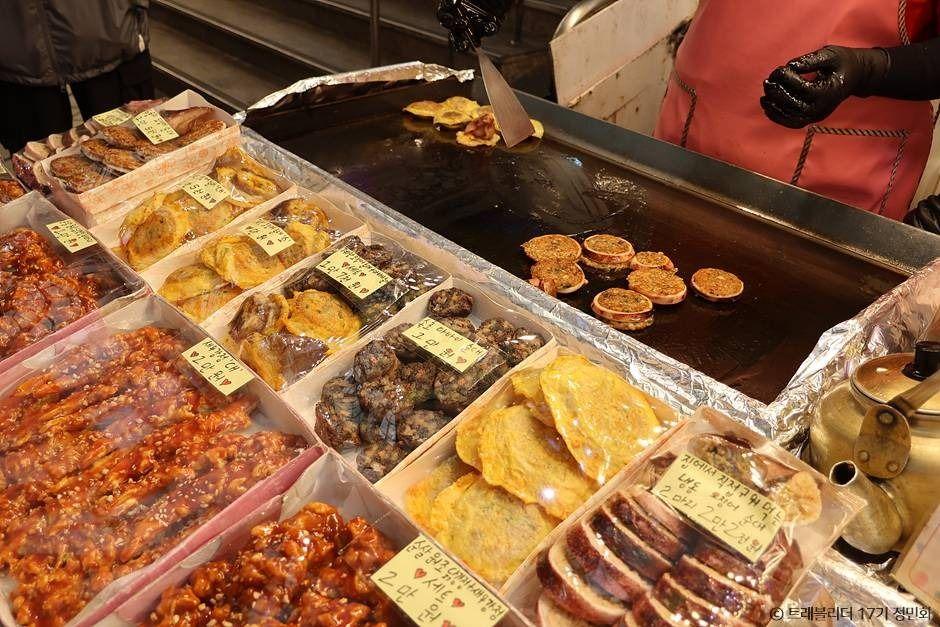
- What to order: ojingeo sundae + gamja-jeon
- Price: 10,000-15,000 KRW per plate
- Best time: lunch, before the alley fills up on weekends
Getting There by Car & Where to Park
From Seoul, Abai Village is roughly 210 km via the Seoul-Yangyang Expressway (E60) — about 2 hours 30 minutes with light traffic, longer on summer weekends. Exit toward downtown Sokcho and follow signs for Dongmyeong Port (동명항).
There's no dedicated parking lot inside Abai Village itself. Park at the public lot near Sokcho Tourist Fish Market or Dongmyeong Port, then cross on the gaetbae — it's part of the experience, not just a detour. If you'd rather keep the car with you, drive around via Seorak Bridge to a handful of small lots on the village side, though spaces fill up fast on weekends.
- Seoul → Abai Village: ~210 km, 2h30m via Seoul-Yangyang Expressway
- Parking: public lot at Sokcho Tourist Fish Market or Dongmyeong Port
- Pair it with: a wider Sokcho & East Coast Drive itinerary for a full weekend
Quick Tips
- 1Bring small cash for the gaetbae — exact change speeds up boarding.
- 2Visit on a weekday morning for photos without a crowd of drama fans.
- 3The Sokcho Refugee Culture Village museum closes earlier than the food alley — check hours before crossing back.
- 4Combine with Sokcho's regular fish market for a two-stop food crawl in one afternoon.
FAQ
Frequently Asked Questions
Abai Village rewards an afternoon, not a checklist — cross the gaetbae, eat where the locals eat, and let the history sink in before you head back to the mainland.
Share this article
You Might Also Like


Get Travel Inspiration
Subscribe for new stories, route guides, and driving tips delivered to your inbox.