Korea Typhoon Season Driving Guide: Staying Safe on the Road (2026)
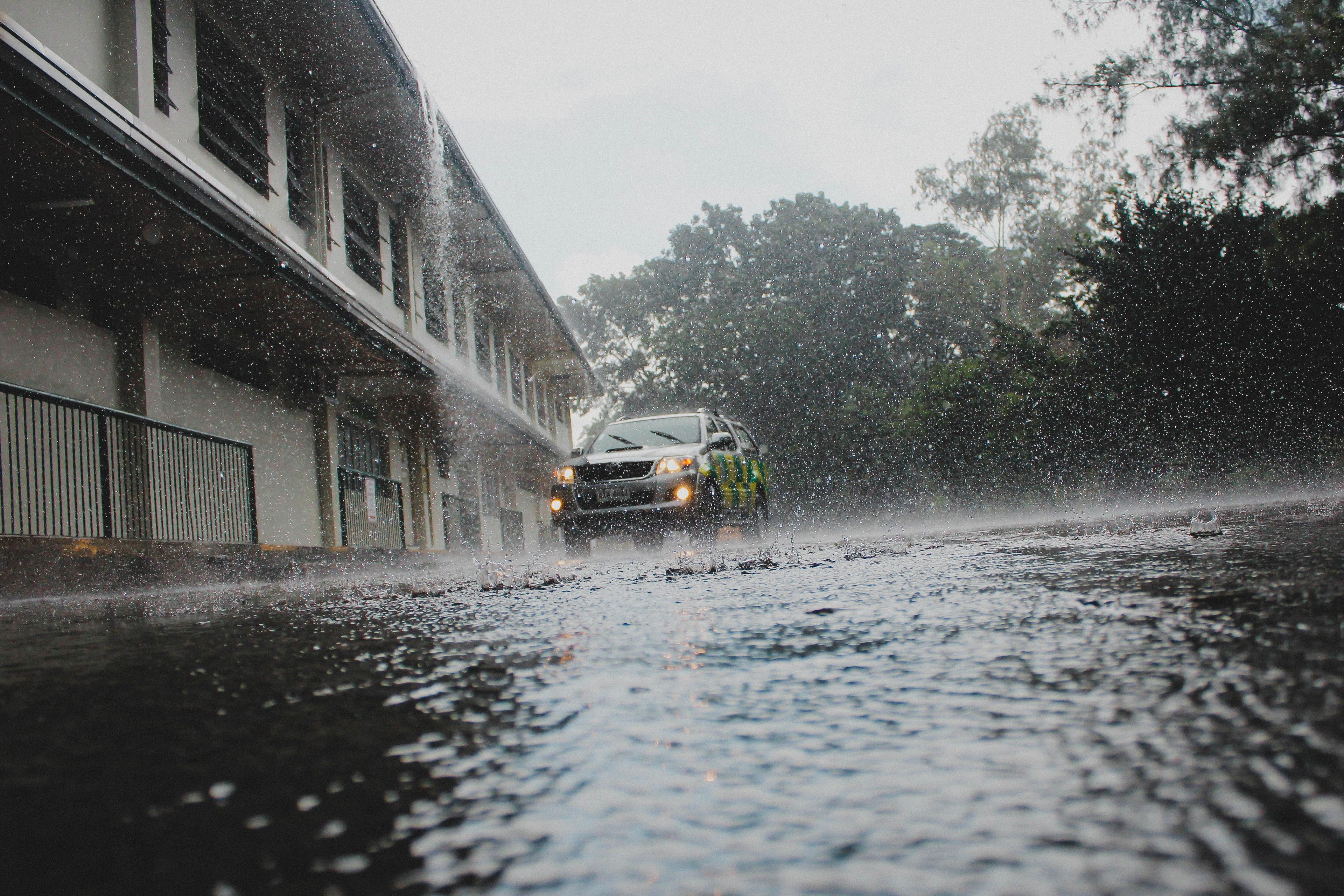
If you're renting a car in Korea between late July and October, you're driving during typhoon season. Most years, the peninsula is directly hit by only a handful of storms, but the heavy rain bands that arrive ahead of a typhoon can dump more rain in a few hours than an entire month usually sees.
The good news: Korea's typhoon warning system is fast, thorough, and increasingly available in English. If you know what alerts to watch for and which roads to avoid, driving through a storm system is manageable — even for first-time visitors.
At a Glance
Typhoon Season
Late July – October (peak Aug–Sept)
Storms Reaching Korea
Usually 1–3 direct hits per year
Warning Levels
주의보 (advisory) → 경보 (warning)
Weather Authority
KMA (Korea Meteorological Administration)
Emergency
119 (rescue) / 112 (police)
Tourist Hotline
1330 (English, 24/7)
When Is Typhoon Season in Korea?
Korea's typhoon season runs roughly from late July through October, with the highest risk window in August and September. Storms forming in the western Pacific track north and either make direct landfall on the southern coast (Busan, Jeju, Yeosu) or pass close enough to bring days of heavy rain and wind to the entire peninsula.
Not every typhoon makes landfall — many curve out to sea before reaching Korea. But even a typhoon that stays offshore can pull in a rain band that drops 100-200mm in a single day, enough to flood underpasses and low-lying roads far from the coast.
Before You Drive: Checking Forecasts and Warnings
The Korea Meteorological Administration (KMA) issues two levels of typhoon alert: a 주의보 (advisory) for moderate risk, and a 경보 (warning) for severe, imminent danger. When a warning is active for your route, postpone the drive if you can — rental companies won't penalize you for returning a car a day late during a declared typhoon warning.
- Weather app: Check the KMA site (weather.go.kr) or a local weather app before setting out — Korean weather apps update faster than most international ones
- Emergency Ready (안전디딤돌) app: Korea's official disaster alert app, with an English interface, sends push notifications for typhoon warnings in your area
- Cell broadcast alerts (재난문자): All phones on Korean networks, including foreign SIMs and eSIMs, automatically receive emergency text alerts — these are usually Korean-only, but a warning tone means take it seriously
- Expressway status: The Korea Expressway Corporation (한국도로공사) posts real-time closures on ex.co.kr and via road signage — check before a long highway drive
Flooded Roads and Underpasses: The Biggest Danger
Flash flooding, not wind, causes most typhoon-related driving deaths in Korea. Underpasses (지하차도) and low-lying tunnels are the highest risk — they can fill with water in minutes once nearby drains and rivers overflow, trapping cars before drivers realize how deep the water has gotten.
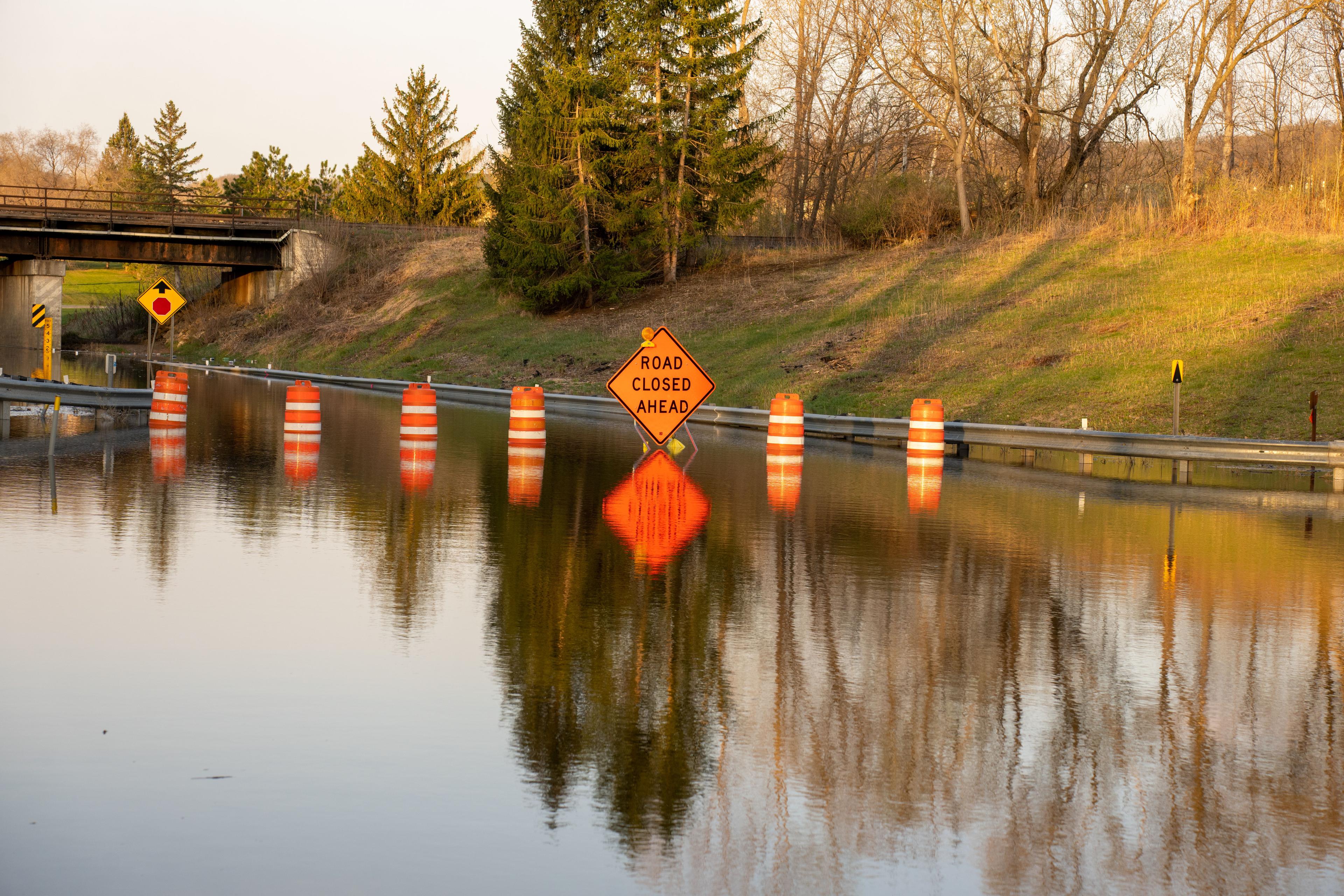
The rule foreign drivers should memorize: never drive into water you can't judge the depth of. As a rough guide, water above the bottom of your doors can float a passenger car, and moving floodwater is far more dangerous than still water of the same depth. If a road is barricaded or has a flood warning sign, find another route — don't assume it's overly cautious.
- Avoid underpasses (지하차도) during heavy rain warnings: They're the single most dangerous road feature in a typhoon — take the surface-level route instead
- Never cross a flooded road, even a shallow one: Currents from storm drains can be stronger than they look, and depth is hard to judge from inside a car
- Watch for coned-off lanes and police barricades: These go up fast once local authorities detect rising water — treat them as non-negotiable
- If your car stalls in water, get out immediately: Don't wait to see if it restarts — leave the vehicle and move to higher ground
Wind, Bridges, and High-Profile Vehicles
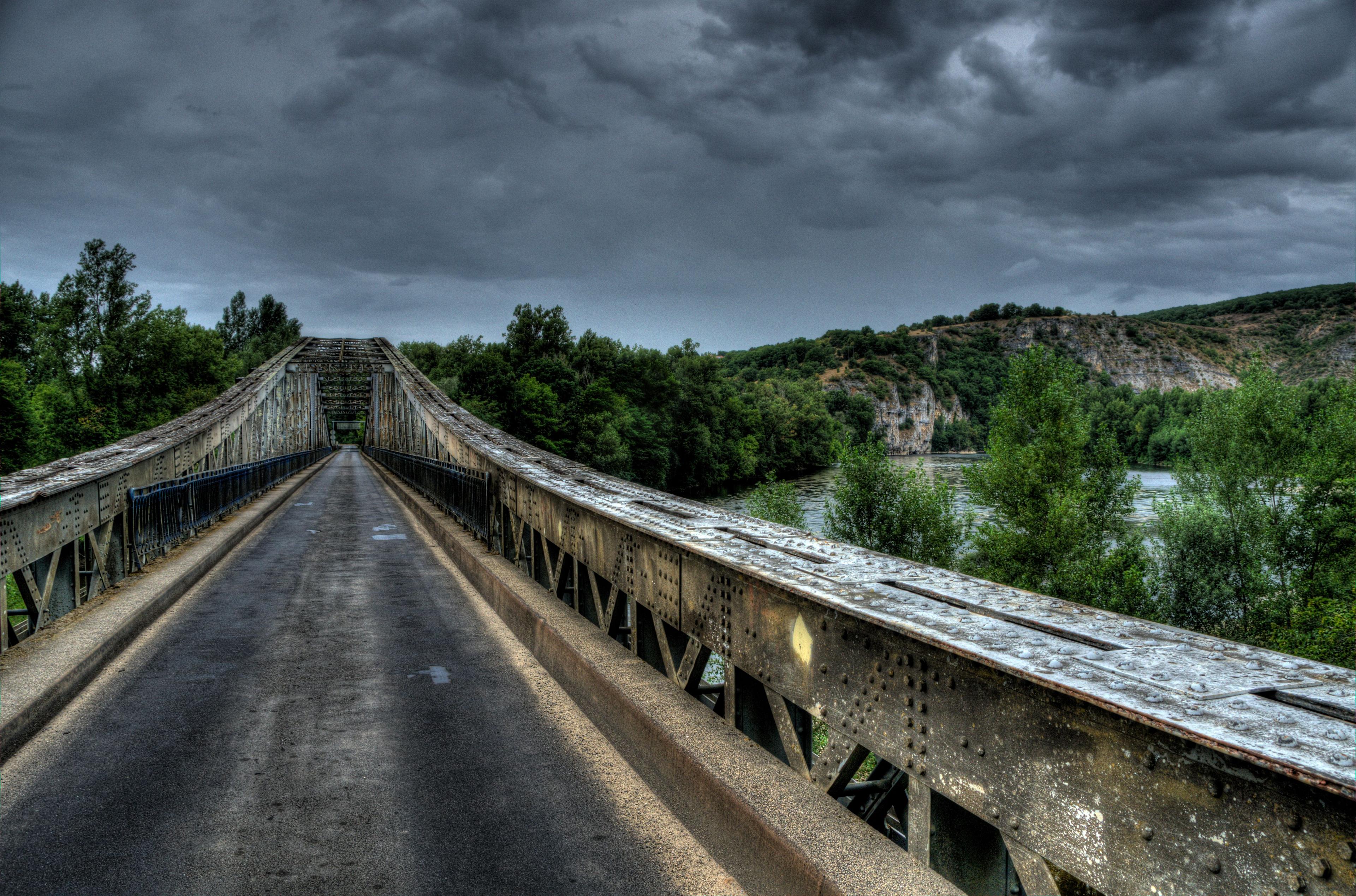
Typhoon winds regularly exceed 100 km/h in gusts along the coast, and long sea bridges — like the Incheon Bridge, Yi Sun-sin Bridge (Yeosu-Gwangyang), and Seohae Grand Bridge — are the first places to see traffic restrictions. Authorities close these bridges to high-profile vehicles like campervans, SUVs with roof boxes, and trucks well before wind speeds become dangerous for smaller cars.
- Slow down well before a bridge or tunnel exit: Crosswinds hit hardest right where a road opens up after being sheltered
- Grip the wheel with both hands and anticipate gusts: Don't overcorrect — a strong gust that pushes the car sideways usually only lasts a second or two
- Avoid coastal roads in Gangwon, Jeju, and the southern coast during a warning: These areas see the strongest sustained winds and the earliest road closures
- Watch for falling debris: Loose signage, tree branches, and construction material are common hazards in city driving during high wind
If You Get Stranded: What to Do
If conditions turn dangerous while you're driving, the safest move is almost always to stop rather than push on. Korean expressway rest stops (휴게소) are frequent, sheltered, and open 24 hours — pulling into one to wait out a warning is completely normal and expected during typhoon season.

- Pull into the nearest rest stop or gas station: Don't try to wait out a warning on the highway shoulder if a sheltered option exists
- Turn on hazard lights if you must stop on the road: Visibility drops fast in heavy rain, and stopped cars are a common cause of secondary collisions
- Call your rental company's roadside number: Storm-related delays are common and rental companies expect calls during typhoon warnings — they won't fault you for returning the car late
- Save the tourist hotline (1330): English-speaking staff can help with translation, directions, or contacting emergency services on your behalf
FAQ
Frequently Asked Questions
Typhoon season doesn't have to derail a Korea road trip — it just requires checking the forecast like a local and knowing when to pull over. Plan flexible days in August and September, watch for warnings, and you'll navigate the storm season safely.
Share this article
You Might Also Like


Get Travel Inspiration
Subscribe for new stories, route guides, and driving tips delivered to your inbox.